Old kitchens have a warm kind of magic. New ideas bring that magic into today’s busy life.
Whether your home is cozy and classic or sleek and fresh, your kitchen can match your personality and your budget.
-
1. Cabinet Doors: Raised Panels Vs Flat-Front Styles
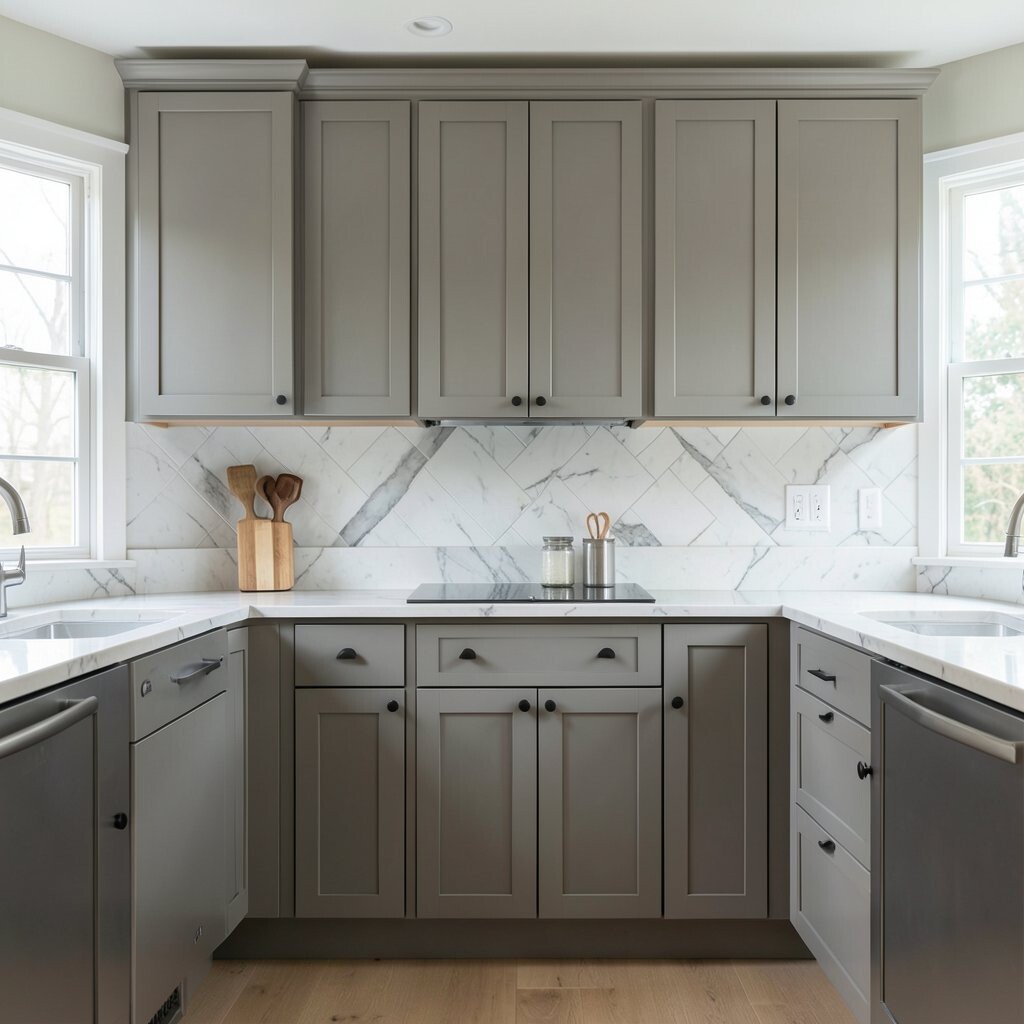
Cabinet Doors: Raised Panels Vs Flat-Front Styles Traditional raised-panel cabinets can look like they belong in a storybook. You get clear depth, soft shadows, and a “made-with-care” vibe right away.
Modern flat-front doors feel clean and calm, almost like a smooth wall of color. They also make small kitchens look more open because the lines are simple.
If you love the classic look, keep the cabinet layout but swap to updated knobs and door finishes. If you want a modern feel, choose a warmer neutral and add wood grain accents so it still feels inviting.
For cost, ready-to-assemble cabinets are usually easier on the wallet than custom built-ins. Try a mid-range approach: keep your cabinet boxes if they are solid, then replace only the doors and drawer fronts for a big upgrade.
Personalize by matching cabinet hardware to your faucet style. Brass pulls, black matte knobs, or even softly brushed steel can make the whole room feel like “you.”
-
2. Countertops: Natural Stone Looks Vs Durable Man-Made Surfaces
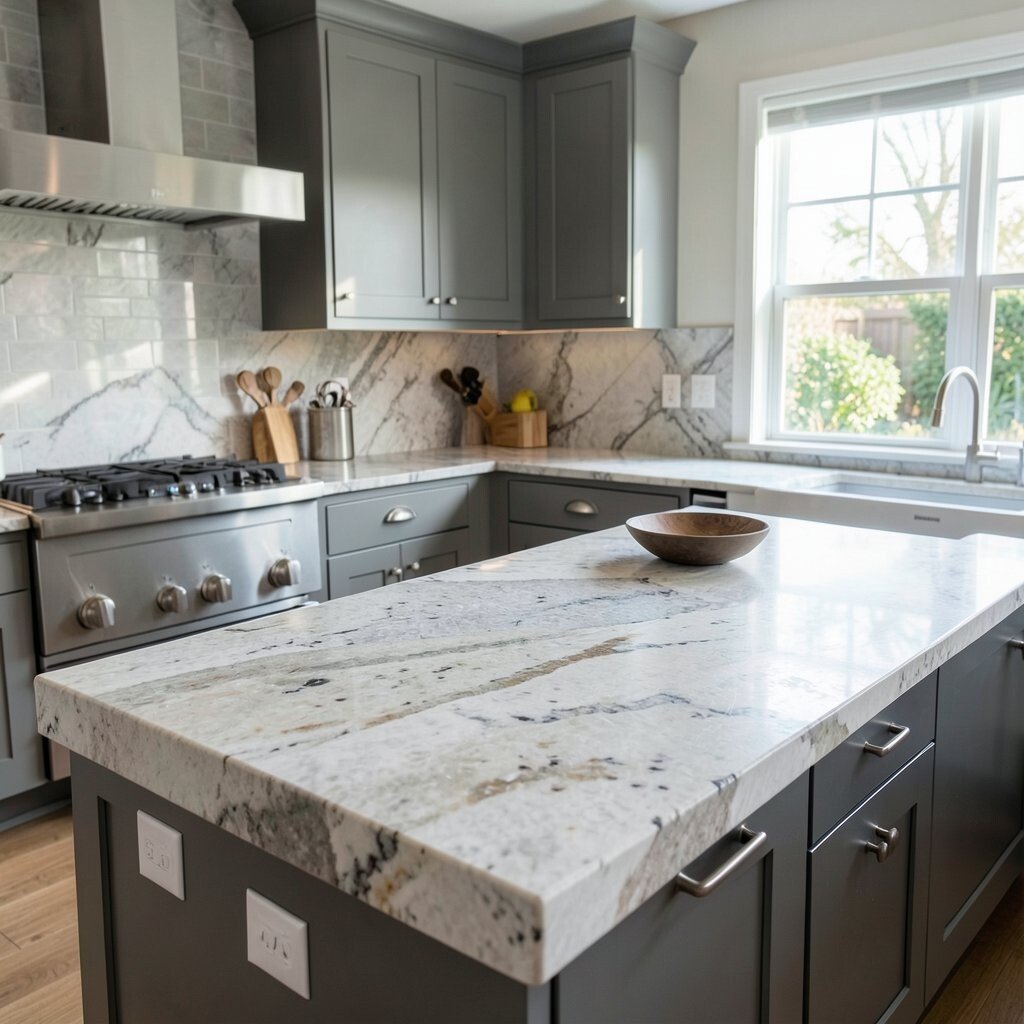
Countertops: Natural Stone Looks Vs Durable Man-Made Surfaces Granite and marble feel timeless, with swirls that never look exactly the same. You can practically see the quality every time you wipe the surface.
Many modern kitchens lean toward engineered stone or quartz for a smoother, more uniform look. It’s also popular because it resists stains better than many natural stones.
Traditional kitchens shine when the counter edge has a small detail, like a subtle bevel. Modern counters often look best with a straight or thin profile edge for a crisp line.
To save money, consider keeping your existing layout and just replacing the top surfaces. If you need a true budget win, pick a durable slab with a pattern that hides everyday wear, like gentle speckles or soft movement.
Trend-wise, many people now choose lighter counters with warm undertones to brighten the room. You can also add a matching backsplash that echoes the counter pattern for a tidy, finished look.
-
3. Backsplash Tile: Classic Subway Vs Geometric Accent
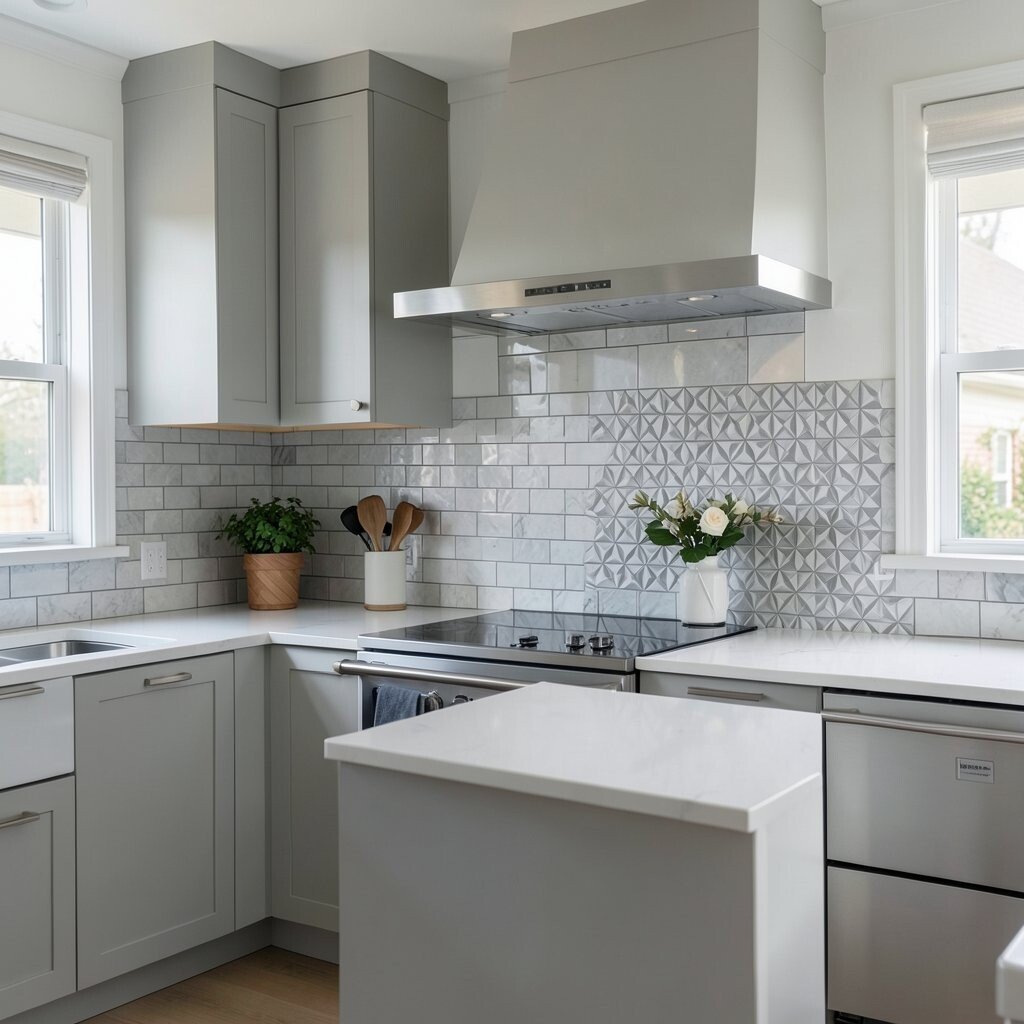
Backsplash Tile: Classic Subway Vs Geometric Accent Subway tile is a classic choice because it is neat and familiar. White or cream grout lines can make your kitchen feel fresh and clean.
In modern designs, people often go for larger-format tile or bold shapes. Geometric patterns can act like art behind the stove and sink.
Traditional kitchens benefit from details like a slightly glossy finish and careful grout spacing. Modern kitchens can benefit from a matte finish and a less busy layout that still feels stylish.
If you want a personalized twist, mix two tile sizes or add a narrow border strip with a tiny pattern. Another tip is to choose grout that matches your cabinets or counters so the backsplash looks calm, not crowded.
-
4. Lighting: Chandelier Charm Vs Under-Cabinet Glow
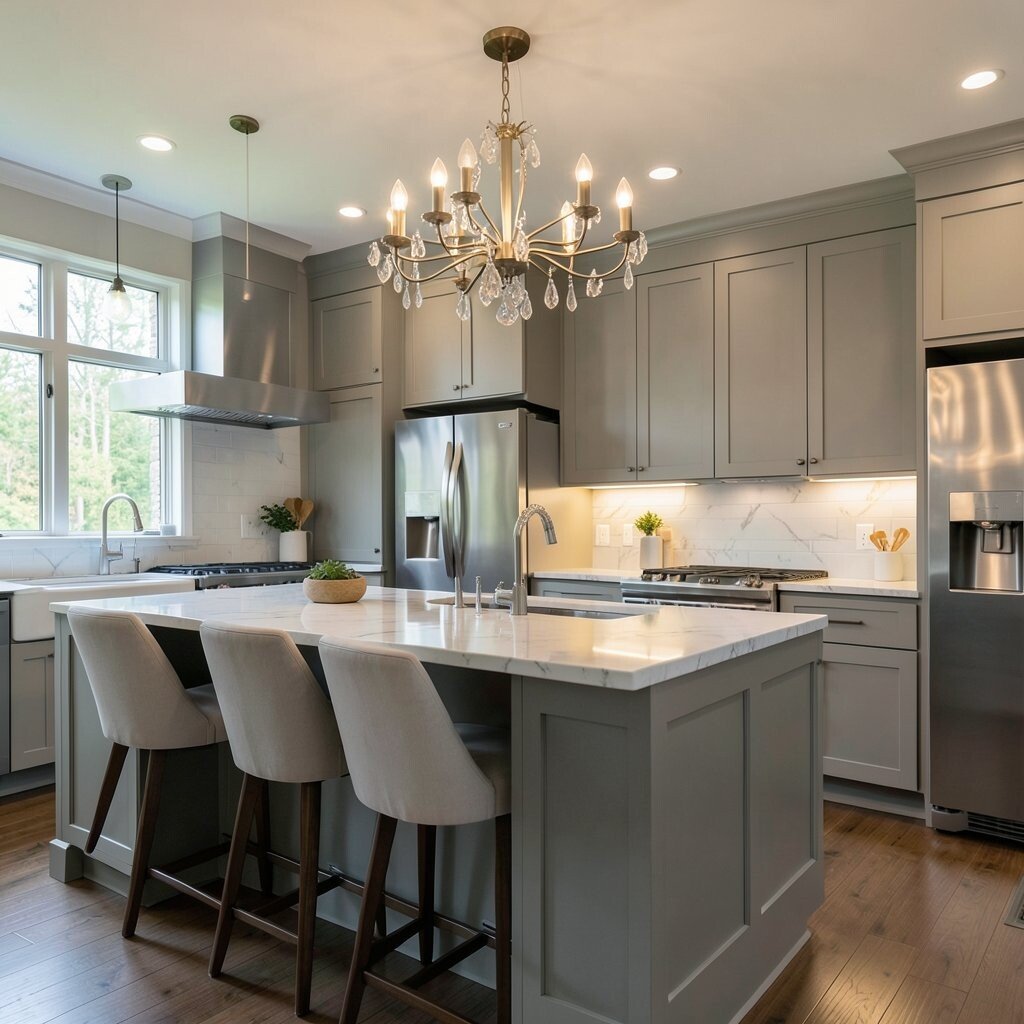
Lighting: Chandelier Charm Vs Under-Cabinet Glow A traditional chandelier can make the kitchen feel special the moment you step inside. You’ll love how it creates a cozy sparkle over dining or gathering spots.
Modern kitchens often focus on task lighting, especially under-cabinet strips. The result is bright, even light that helps you cook with less squinting.
You can combine both styles by using a simple pendant over the island and adding under-cabinet lights for function. This mix keeps the room looking warm without sacrificing practicality.
For cost, wiring and fixture upgrades can add up, so plan your lighting before you buy anything. If you can’t run new wiring, choose fixtures that reuse existing electrical boxes and then add plug-in options for temporary testing.
Personalize the look by choosing light color temperature. Warmer bulbs feel cozy, while cooler bulbs can make colors look sharper and more modern.
-
5. Sink and Faucet: Farmhouse Style Vs Sleek Pull-Down Fixtures
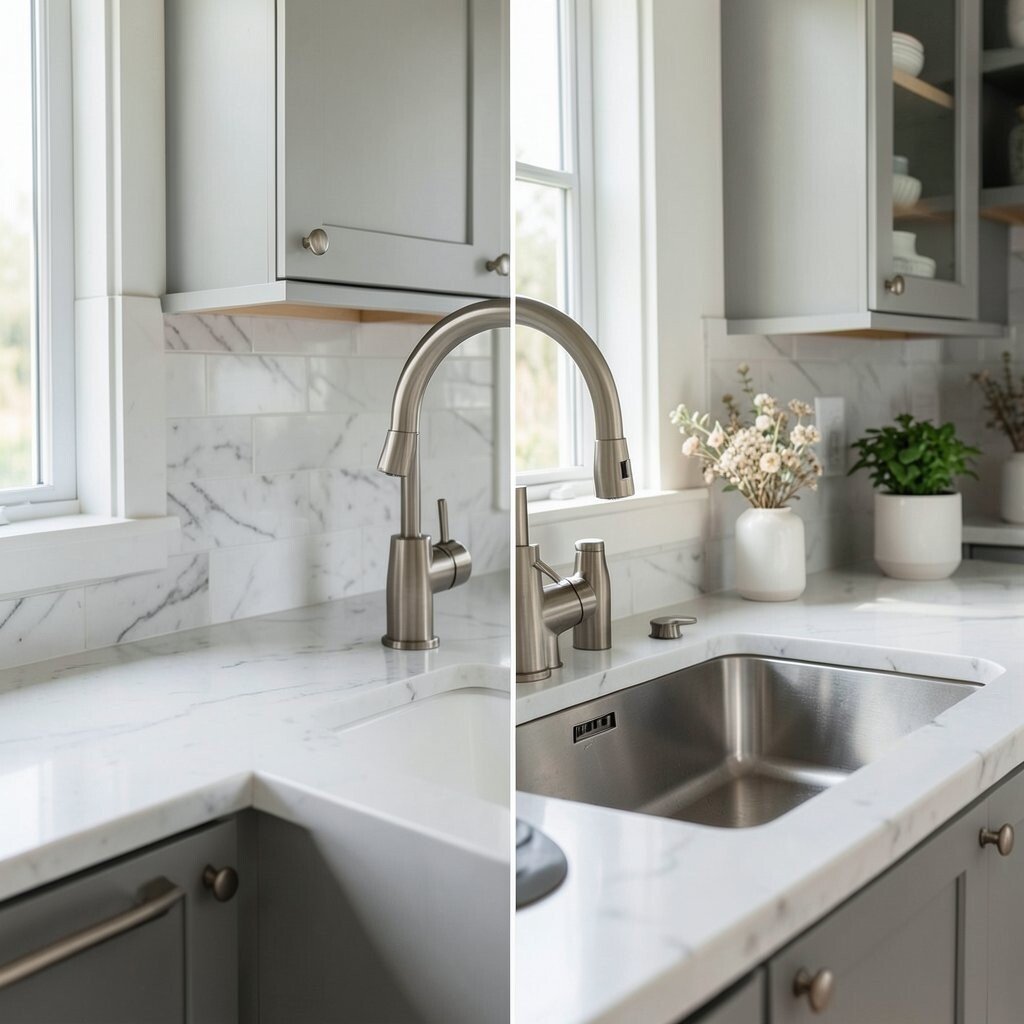
Sink and Faucet: Farmhouse Style Vs Sleek Pull-Down Fixtures A farmhouse sink looks inviting, like a warm hug for your daily routines. It also gives you more visible space for washing big pots.
Modern kitchens often pair a clean-lined faucet with a pull-down spray head. You’ll notice it helps with rinsing, filling, and cleaning in quick moments.
If you choose farmhouse style, tip your design toward matching metal tones and handle shapes. If you choose a sleek faucet, keep nearby hardware simple so nothing competes for attention.
For budget thinking, replacing just the faucet can make a surprising difference. But if the sink is old or stained, a full swap can also improve hygiene and daily comfort.
Trend-wise, many homes now use touchless or hands-free features for everyday ease. Even without fancy upgrades, choose a spray pattern you like, such as a gentle stream for delicate dishes.
-
6. Flooring: Hardwood Warmth Vs Modern Water-Resistant Planks
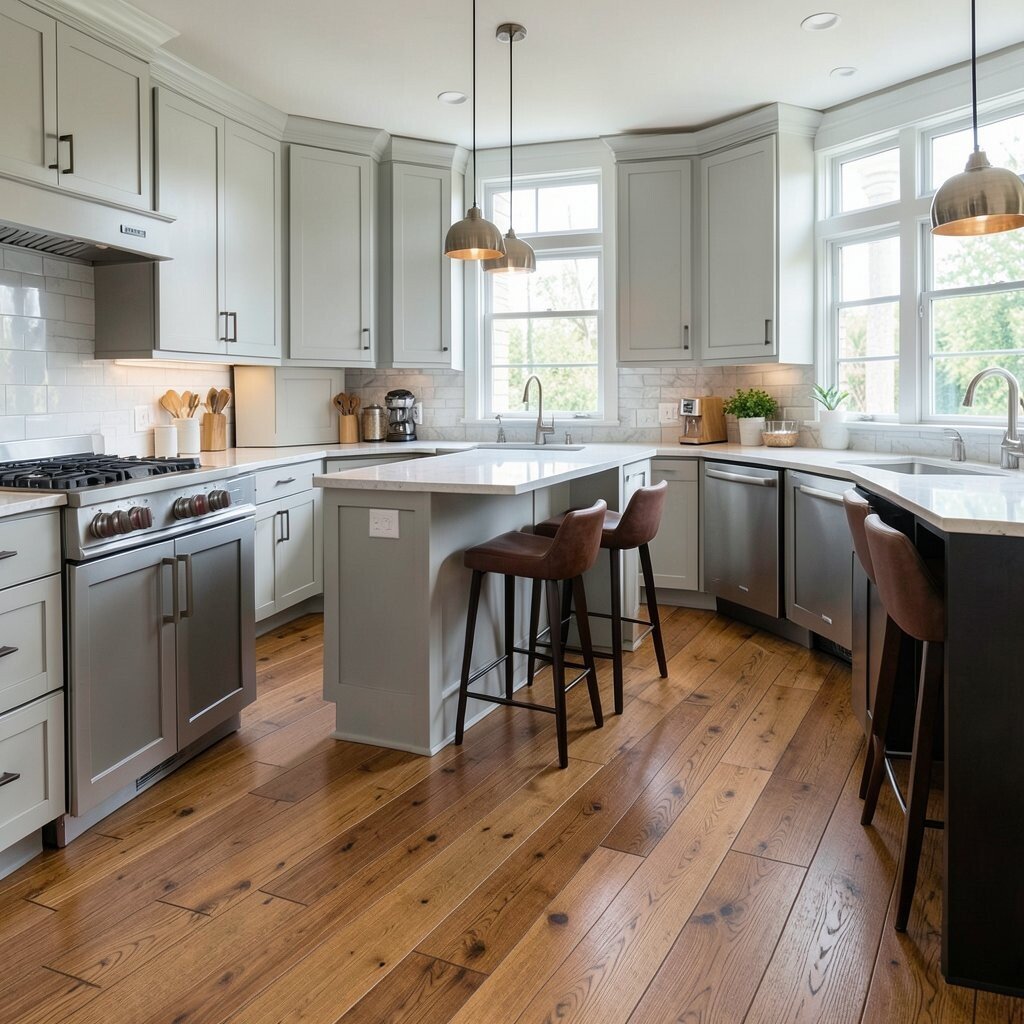
Flooring: Hardwood Warmth Vs Modern Water-Resistant Planks Hardwood flooring brings a classic warmth that makes the kitchen feel like home. It also pairs nicely with traditional cabinets and warm-toned counters.
Modern designs often choose luxury vinyl planks or tile made for everyday mess. These materials handle spills and cleaning with less worry.
Traditional fans love the natural texture and the way floors age over time. Modern homeowners love that the floor stays steady through busy cooking days.
If you want the best of both, look for vinyl planks that mimic real wood grain. For tips, match the plank direction to the room length so the space feels longer.
Cost matters here, because hardwood can be pricier and sometimes needs refinishing later. Water-resistant options can be easier to maintain, which saves money in the long run.
-
7. Pantry Storage: Walk-In Warmth Vs Pull-Out Systems
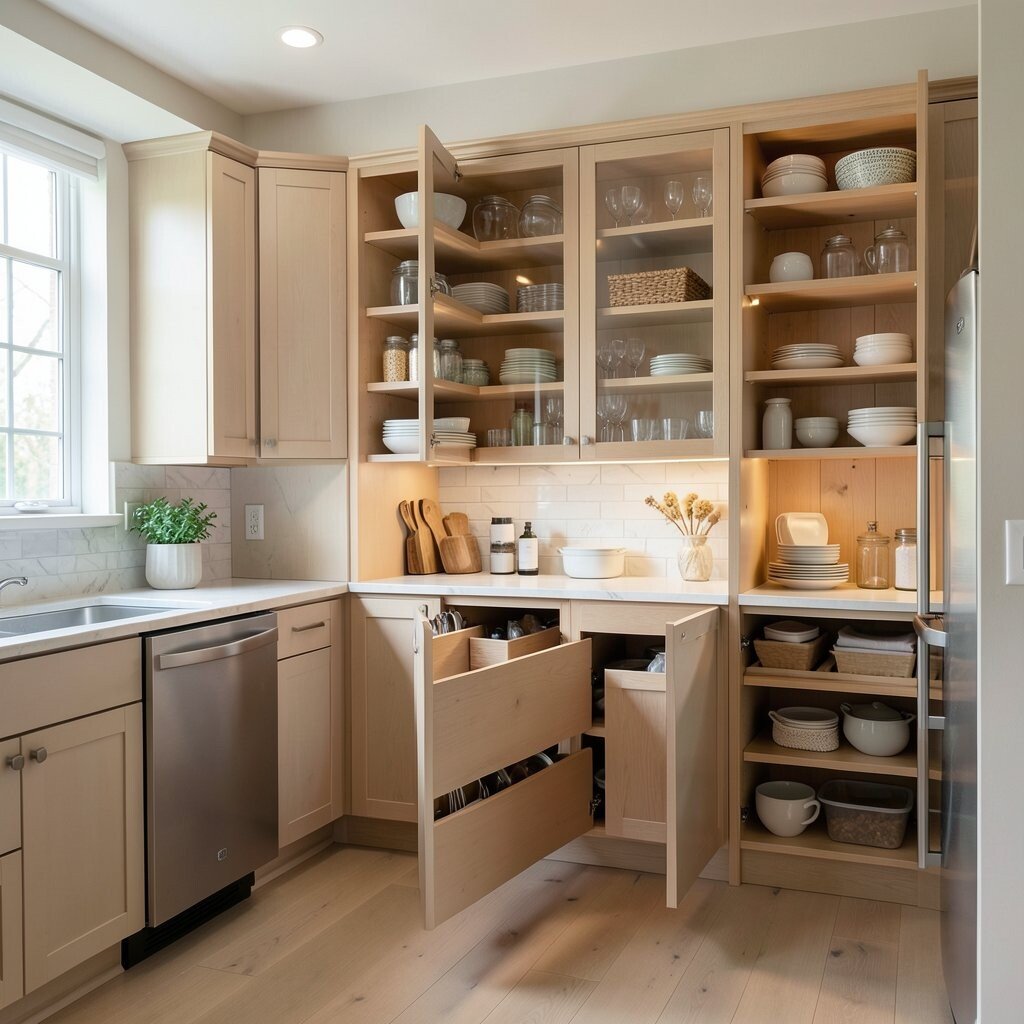
Pantry Storage: Walk-In Warmth Vs Pull-Out Systems A traditional pantry often feels like a little treasure chest. You may love the look of shelves with jars, labels, and neatly stacked goods.
Modern ideas focus on pull-out shelves, drawer organizers, and smart storage boxes. These systems help you reach everything without digging.
Traditional kitchens feel special when you add glass-front doors to show off your favorites. Modern kitchens feel tidy when you hide mess behind smooth doors and dividers.
To personalize, decide what you want to display and what you want to hide. Many people show baking tools and colorful ingredients, while they hide snacks and extra packaging.
If budget is tight, start with one or two storage upgrades first. For example, swap to slide-out bins in the pantry or add lazy Susan organizers in a corner cabinet.
-
8. Layout Planning: Work Triangle Traditions Vs Open-Plan Zones
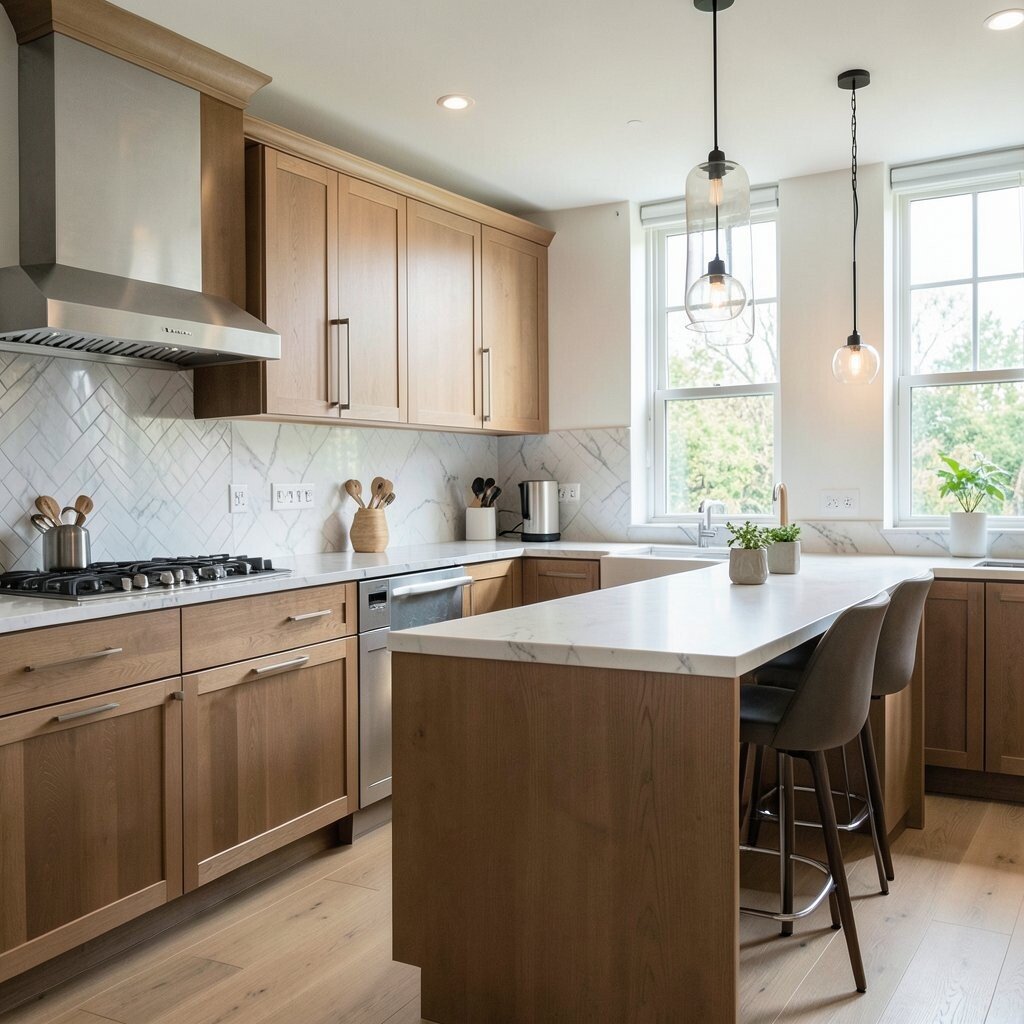
Layout Planning: Work Triangle Traditions Vs Open-Plan Zones The traditional work triangle idea keeps the stove, sink, and fridge within easy reach. You get a smooth cooking path that feels calm and efficient.
Modern kitchens often shift toward open-plan zones with clear “areas” for different tasks. You might have a cooking zone near the stove and a prep zone near the island.
Traditional layouts can feel best when you keep clear countertop space on both sides of the stove. Modern zones feel best when you add seating or a landing spot for everyday items.
Consider personalization by matching your layout to your routine. If you bake often, prioritize counter space near ovens and keep your flour tools close.
Cost can change a lot based on layout moves. If plumbing or electrical updates are needed, it can be expensive, so plan carefully and keep major lines in place when possible.
-
9. Wall Color and Finish: Warm Neutrals Vs Bold Modern Paint
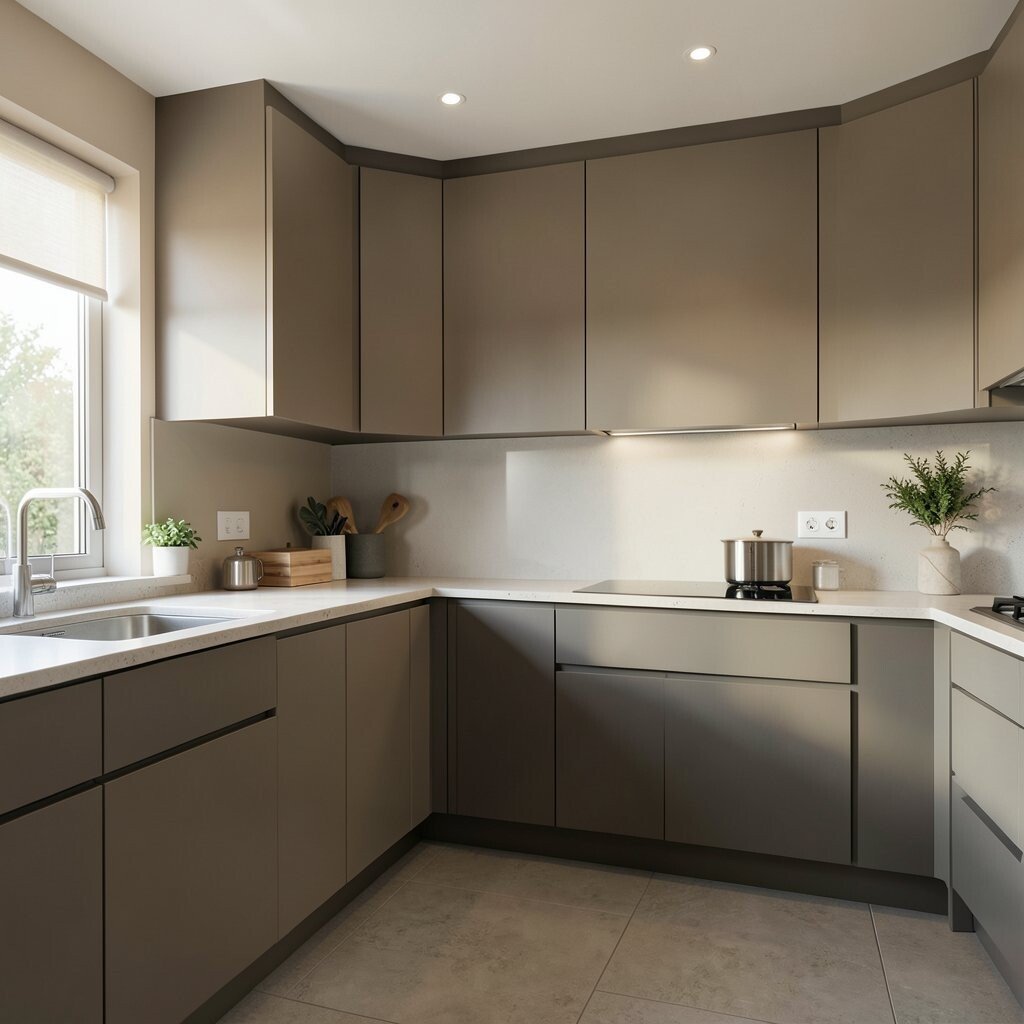
Wall Color and Finish: Warm Neutrals Vs Bold Modern Paint Classic kitchens often use warm neutral paint like cream, soft beige, or gentle greige. These shades make wood and stone look rich and welcoming.
Modern kitchens sometimes go for deeper colors like navy, forest green, or matte black. These tones can make countertops and hardware pop.
Traditional style benefits from paint that feels creamy and smooth. Modern style can benefit from finishes like matte or eggshell that hide fingerprints.
Try a personalization trick: paint an accent wall behind open shelving or a small niche. Another tip is to test samples on your wall and view them at different times of day.
For cost, paint is one of the most affordable ways to change the mood quickly. It’s also a low-risk way to try a bolder look before committing to bigger upgrades.
-
10. Hardware Details: Traditional Knobs Vs Modern Pull Bars
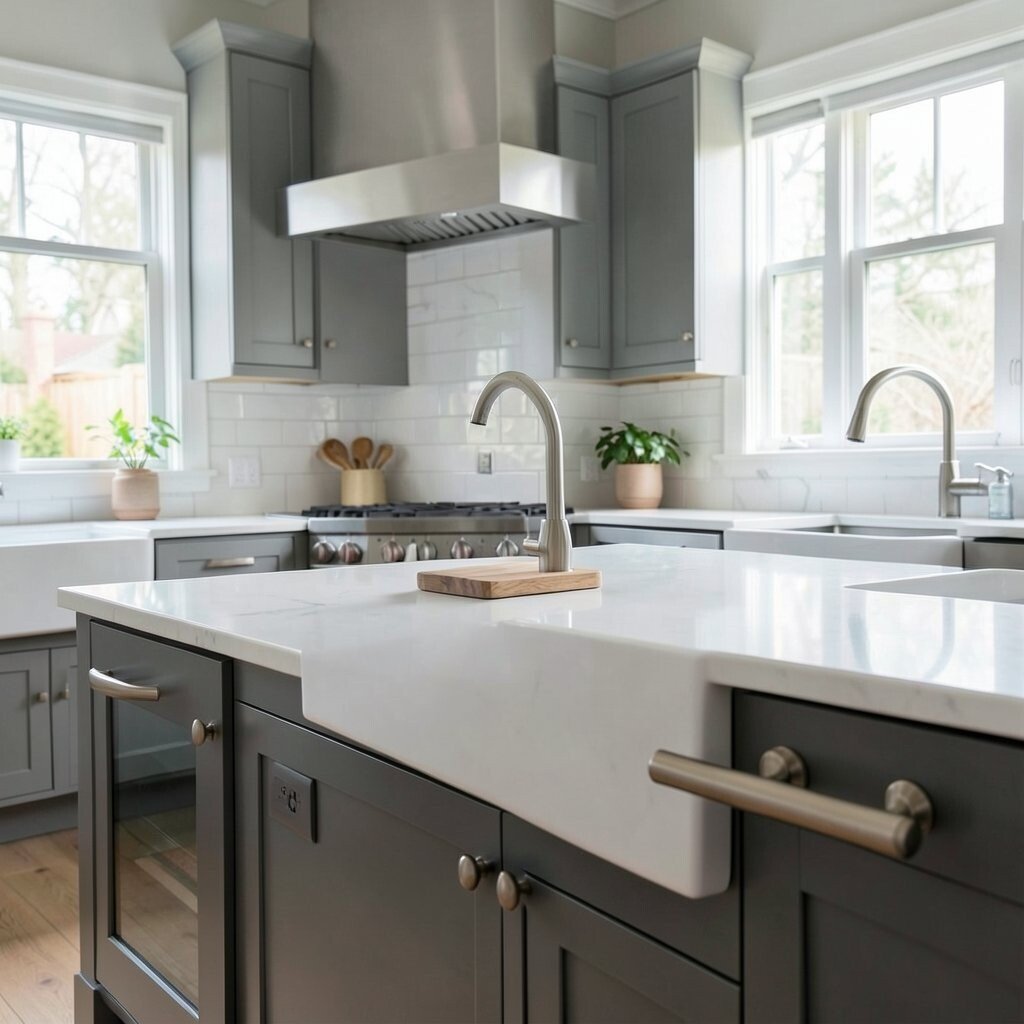
Hardware Details: Traditional Knobs Vs Modern Pull Bars Traditional kitchens look charming with knobs and classic handles. You’ll notice how small details add character without changing the whole structure.
Modern kitchens often use long pull bars for a sleek, easy grip. It can feel more “built for the future,” especially on tall cabinets.
Mixing styles can work too, as long as the metal tone matches. For example, you can pair traditional cabinet doors with modern pulls for a balanced look.
Personalize by choosing hardware shapes that match your faucet or cabinet trim. Round knobs can soften a room, while angular pulls can add a sharper feel.
Cost is usually manageable because hardware swaps are simple. Make sure you check measurements and hole spacing so you don’t need extra work or filler plates.
-
11. Appliances: Classic Stainless Vs Smart Modern Features
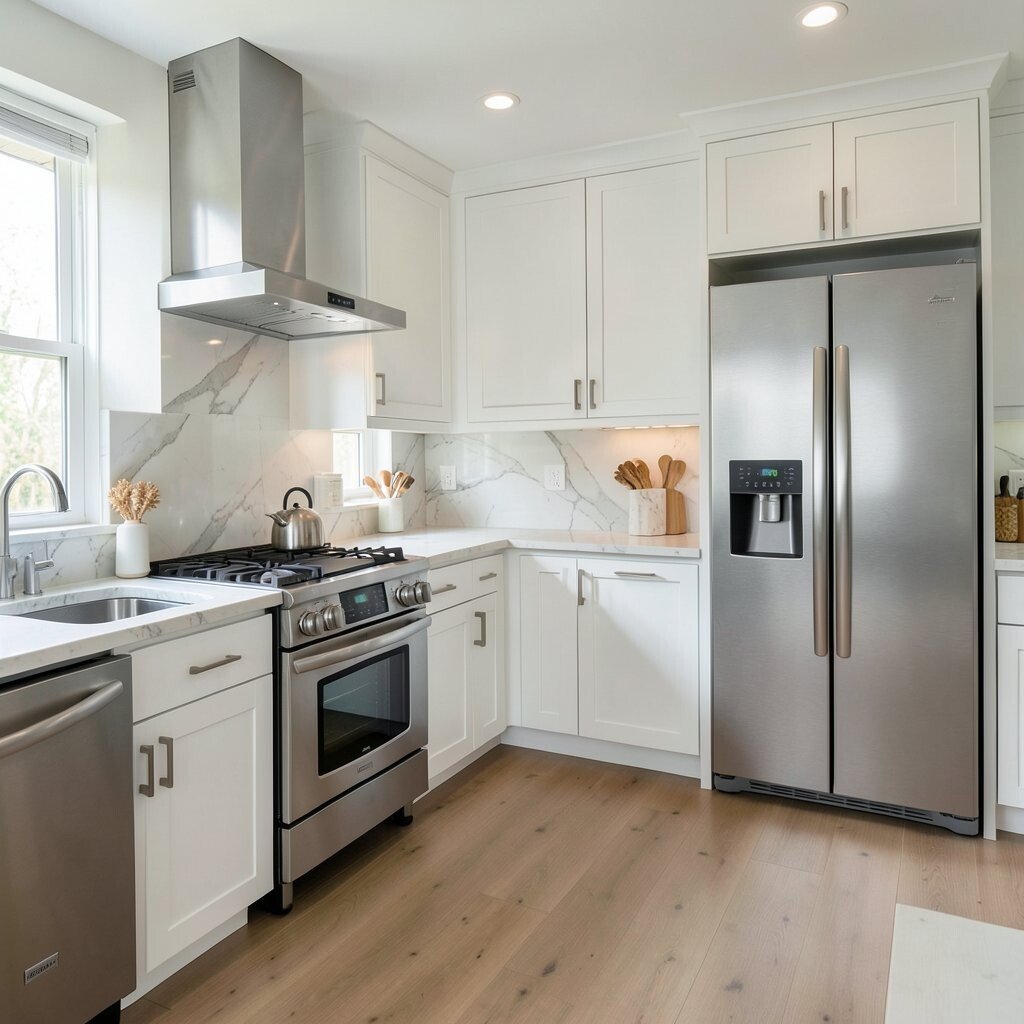
Appliances: Classic Stainless Vs Smart Modern Features Stainless appliances can fit almost any kitchen style. They look clean, and they match well with most cabinet finishes.
Modern ideas often add smart features like sensors, voice control, or app-based monitoring. Even small upgrades can make daily cooking feel easier.
Traditional kitchens can still use updated appliances, as long as the front panels match your overall look. Consider keeping panel styles simple to avoid fighting with cabinet shapes.
For cost, smart upgrades vary a lot, so pick features you will actually use. If you rarely use remote features, you might save money by choosing standard models.
Personalize by choosing a finish that matches your kitchen metals. Many people like a consistent shine, while others prefer a mix of brushed and matte tones for depth.
-
12. Window Treatments: Valances and Patterns Vs Simple Shades
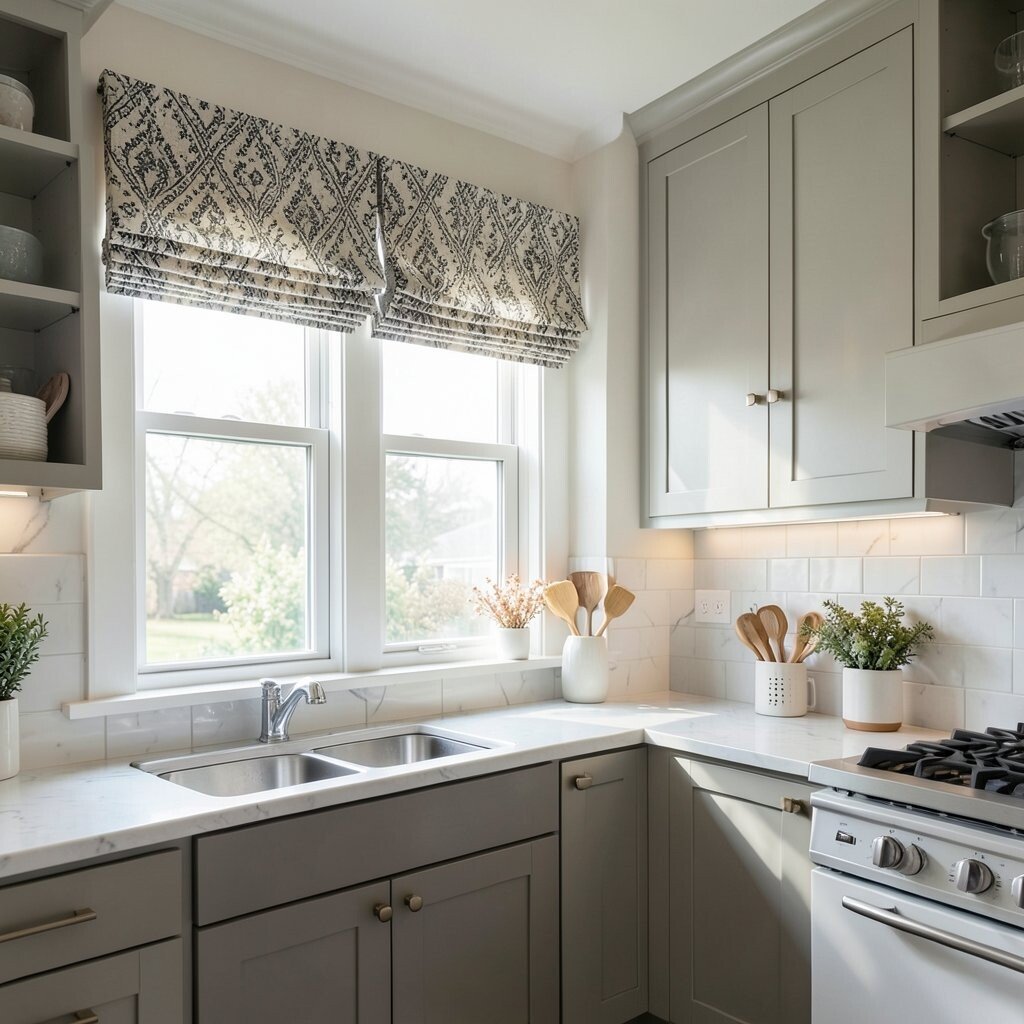
Window Treatments: Valances and Patterns Vs Simple Shades Traditional window treatments can include valances, cafe curtains, or soft patterned fabric. They make the kitchen feel decorated and warm.
Modern kitchens often choose roller shades, Roman shades, or sleek blinds. They keep the look clean and help control light without adding clutter.
Traditional styles can look best when fabric colors match warm paint tones and countertop hues. Modern styles can look best with neutral fabric and clear lines.
If you want personalization, add a small pattern to the fabric while keeping the rest of the space calm. Another tip is to choose materials that handle humidity well since kitchens are busy places.
Cost can be friendly here, since you can upgrade curtains or shades without major work. If privacy matters, pick window coverings that block views while still letting in comfortable light.
-
13. Counter Backsplash Integration: Traditional Grout Lines Vs Seamless Modern Looks
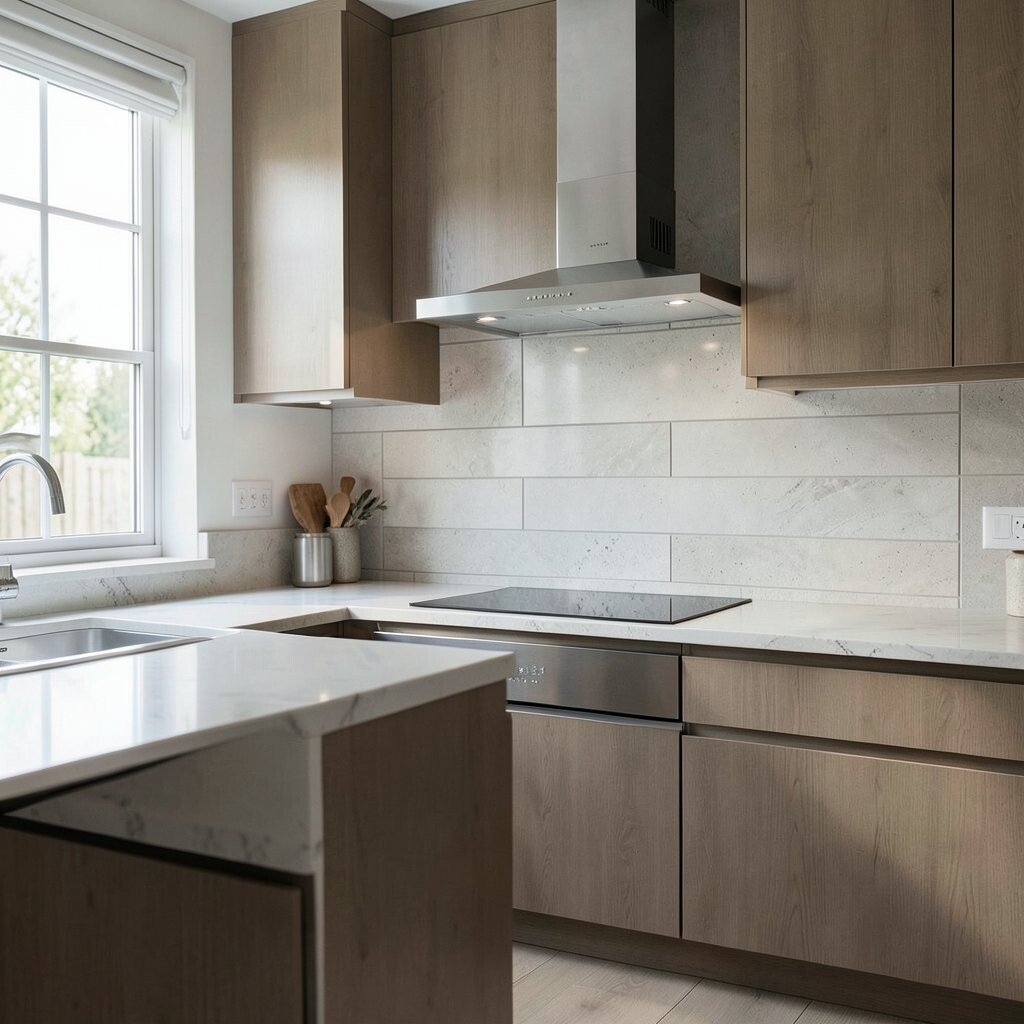
Counter Backsplash Integration: Traditional Grout Lines Vs Seamless Modern Looks Traditional backsplash styles often highlight grout lines for a classic grid. It’s like a neat frame that makes the kitchen feel structured.
Modern kitchens often aim for simpler surfaces with fewer visual breaks. Larger tiles or slab-style backsplashes can create a smoother, more seamless look.
Traditional design can also shine with detailed trim edges around the backsplash. Modern design can shine with a straight, minimal transition from counter to wall.
For tips, think about cleaning habits. If you dislike heavy grout cleaning, consider using a tighter grout spacing or a backsplash material that wipes easily.
-
14. Seating and Islands: Turned Legs Vs Built-In Counter Seating
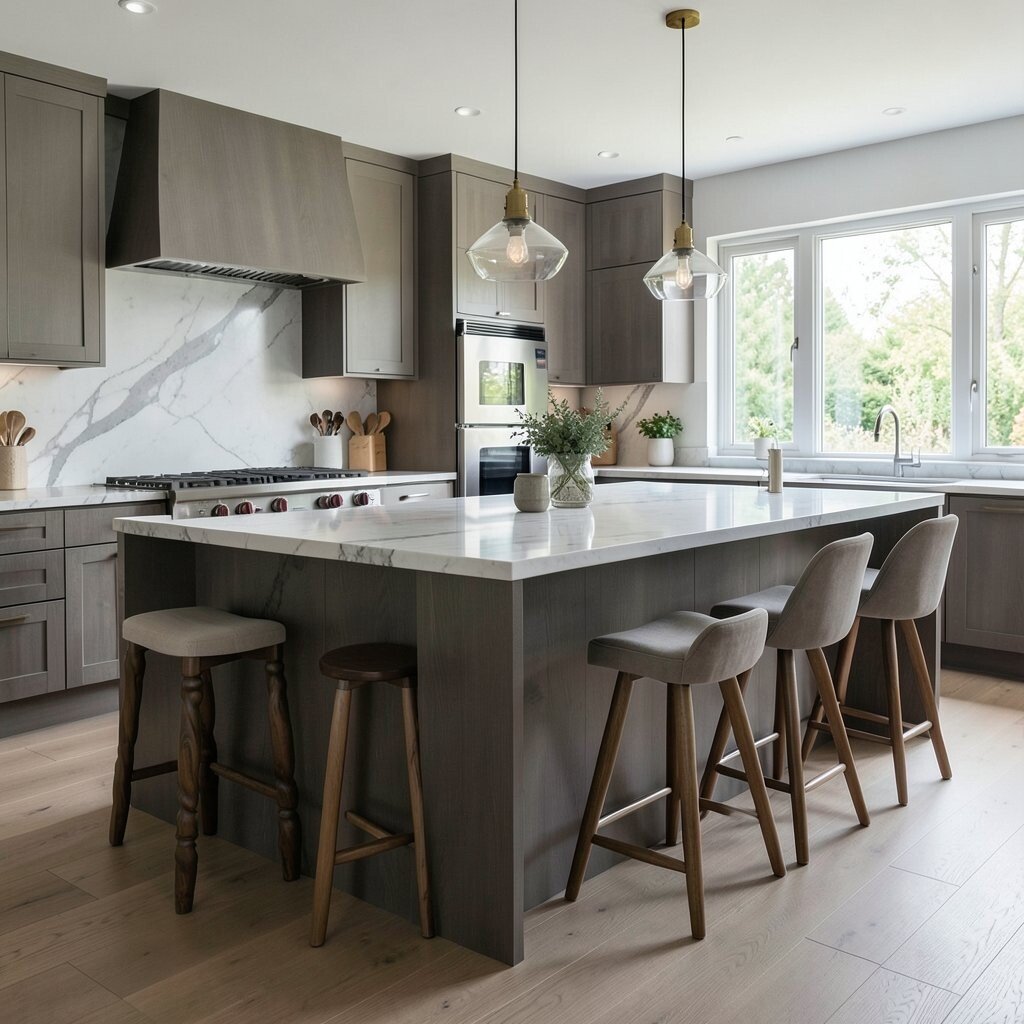
Seating and Islands: Turned Legs Vs Built-In Counter Seating A traditional kitchen island may feature turned legs and decorative details. It gives the room a classic centerpiece feel, especially when you add stools.
Modern kitchens often use a clean, built-in island with space for seating. You get a practical hangout spot for quick snacks and casual chats.
Traditional seating can be cozy with cushions and warm wood finishes. Modern seating can be comfortable too, especially when you add a good overhang and durable upholstery.
Personalize by choosing stools that match your hardware metal tone. If your kitchen is small, choose stools that tuck in fully to keep walkways open.
Cost considerations are important because islands can involve plumbing or electrical. If your budget is limited, start with a freestanding cart or a smaller island and add seating later.
-
15. Storage for Small Items: Open Shelving Traditions Vs Hidden Drawer Systems
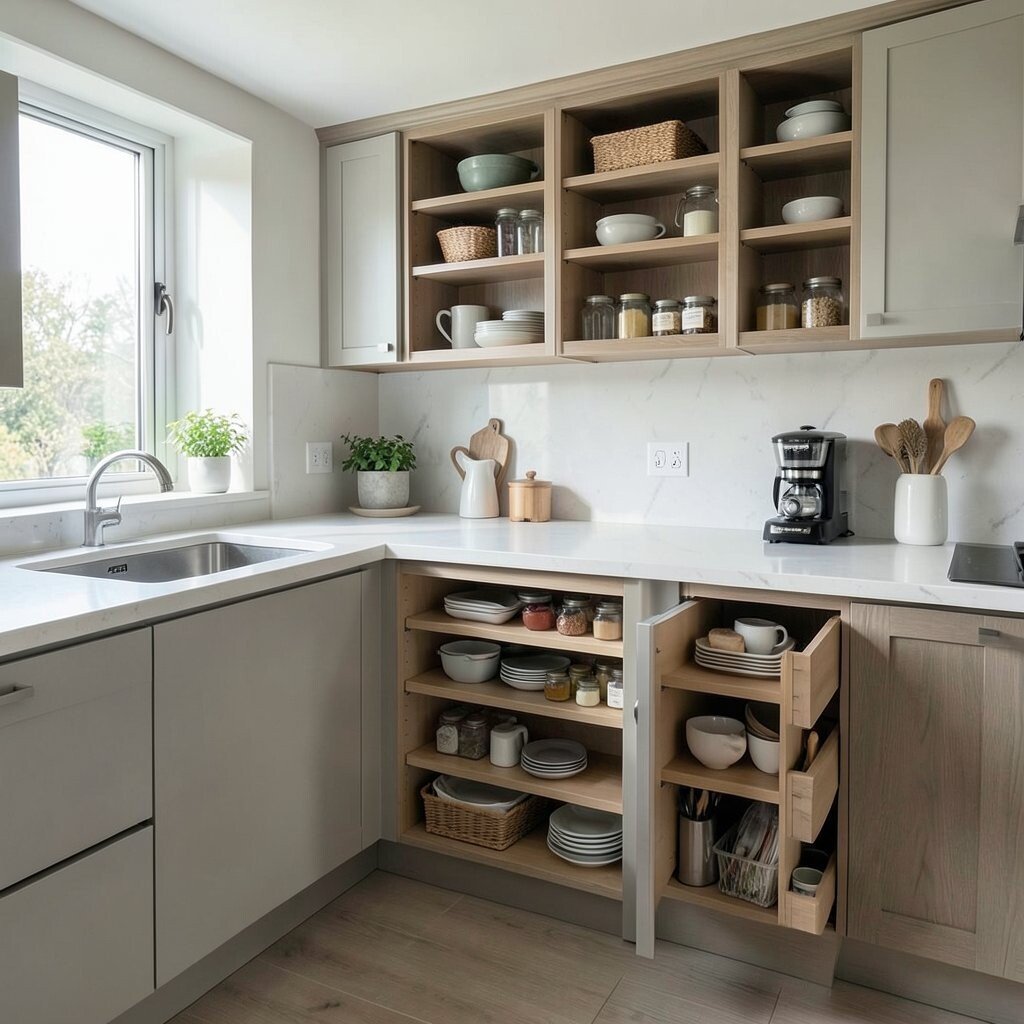
Storage for Small Items: Open Shelving Traditions Vs Hidden Drawer Systems Open shelving is a traditional favorite because it shows your dishes and favorite jars. It can make the kitchen look lived-in and friendly.
Modern kitchens often favor hidden drawer systems for a tidy look. When everything has a place, counters stay calmer and easier to clean.
Traditional storage looks best when you use matching containers and keep items neatly arranged. Modern storage looks best when you add dividers so tools stay organized.
To personalize, decide which items you want to see every day. Many people display mugs and serving pieces, while they store baking supplies behind closed drawers.
Cost can vary, because adding drawers and organizers might be more work than installing open shelves. A middle option is to use open shelves for display and add drawers underneath for storage.
-
16. Flooring Transitions: Rug Comfort Vs Continuous Surface
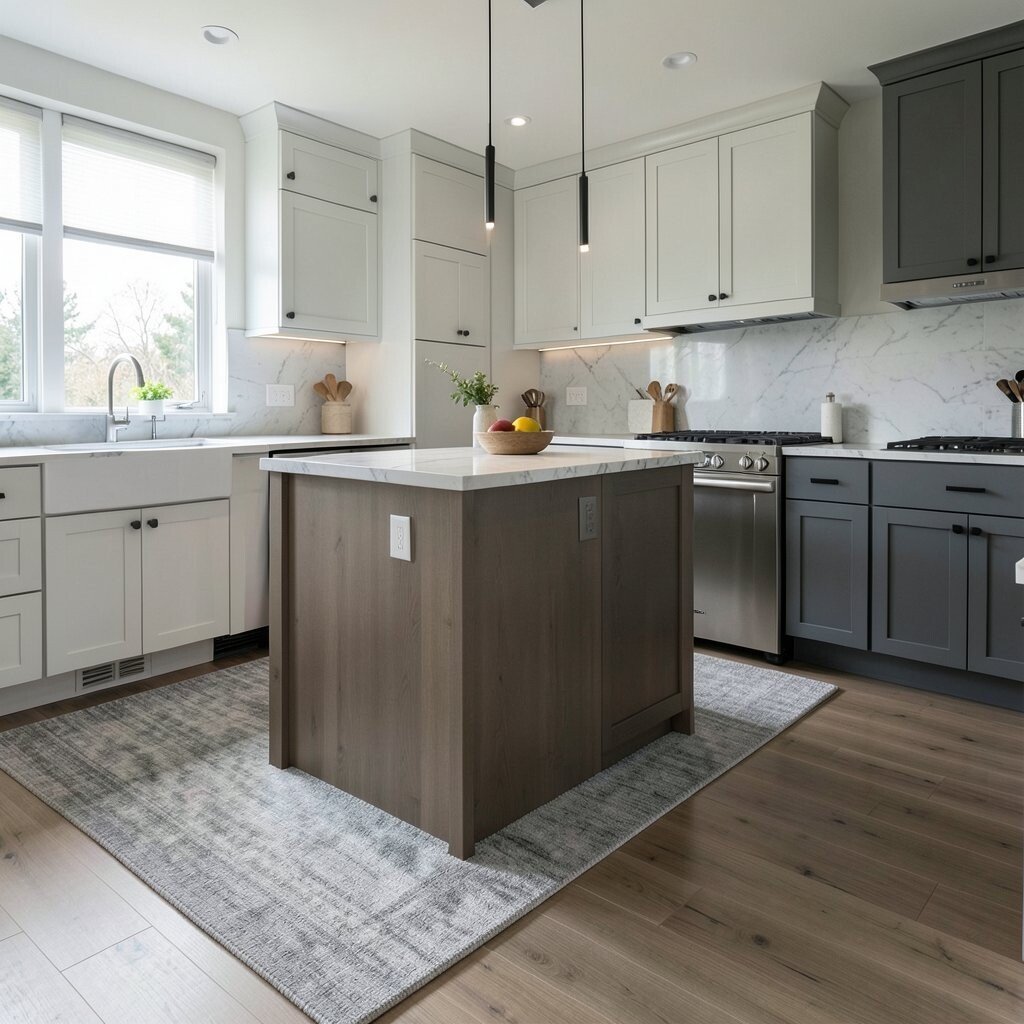
Flooring Transitions: Rug Comfort Vs Continuous Surface Traditional kitchens often use rugs near sinks or dining areas. The soft feel makes standing feel better, especially during long cooking sessions.
Modern kitchens lean toward continuous flooring so the room feels bigger. Without a line break, the space looks smooth and easy.
If you love rugs, choose a rug size that doesn’t bunch up. Picking a washable or water-resistant rug can make daily life simpler.
For a modern look, choose flooring with a matching edge so transitions feel clean. A tip is to use the same tile color throughout the kitchen to avoid visual interruptions.
Cost matters because rugs are often cheaper than major floor replacement. If you’re already updating floors, plan transitions to match doorways and adjacent rooms.
-
17. Trim and Molding: Crown Details Vs Minimal Corners
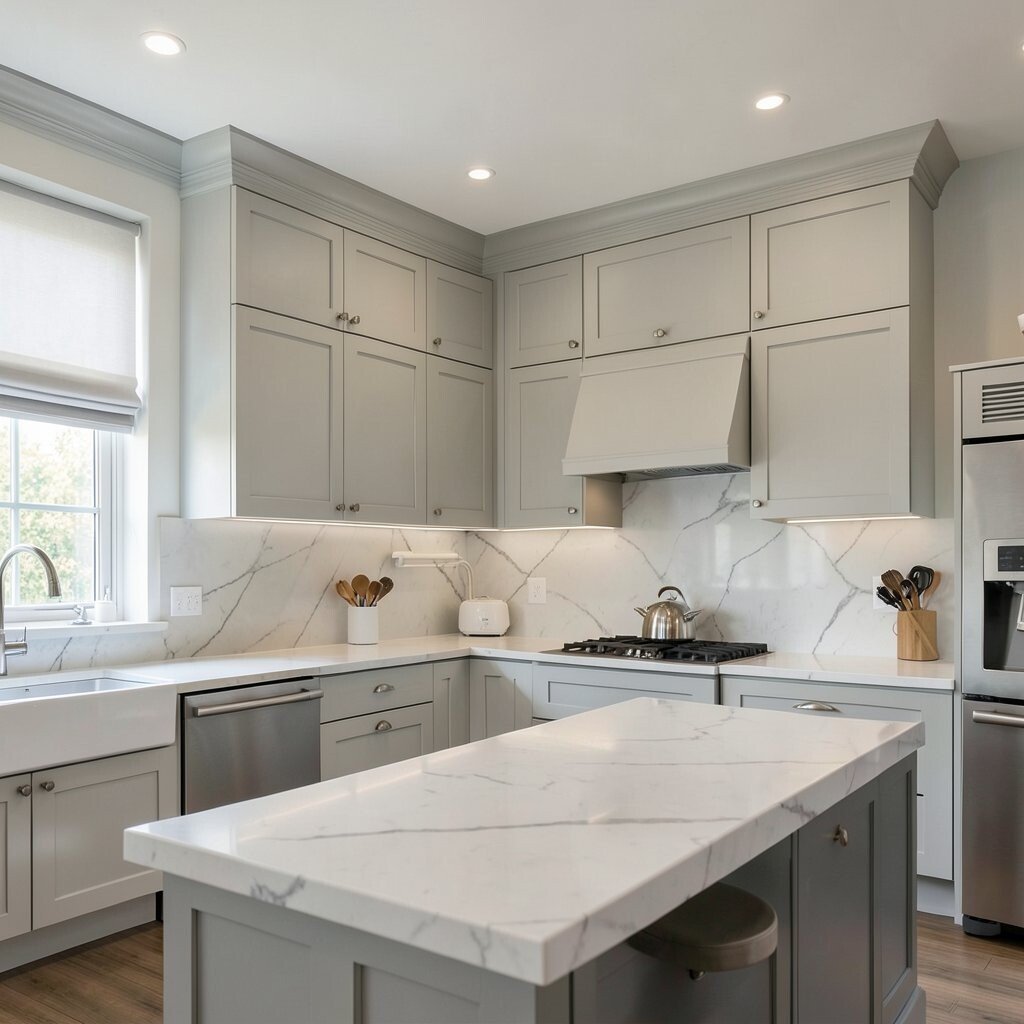
Trim and Molding: Crown Details Vs Minimal Corners Traditional kitchens can include crown molding and detailed trim. These features make cabinets look taller and more finished.
Modern designs usually keep trim simple or skip it. The result feels airy and helps the eye focus on flat cabinet lines and bold colors.
If you want a traditional feel, choose molding that matches the style of your home. If your home is more modern, consider adding only small trim accents so it stays clean.
Personalize by adding a shadow gap near the top of cabinets. It gives a subtle “floating” look without going too fancy.
For cost, molding and custom trim can raise the budget. If you want the effect for less, use simpler profiles and paint them the same tone as your cabinets for a smooth finish.
-
18. Wall Storage: Curated Hooks Vs Smart Charging Centers
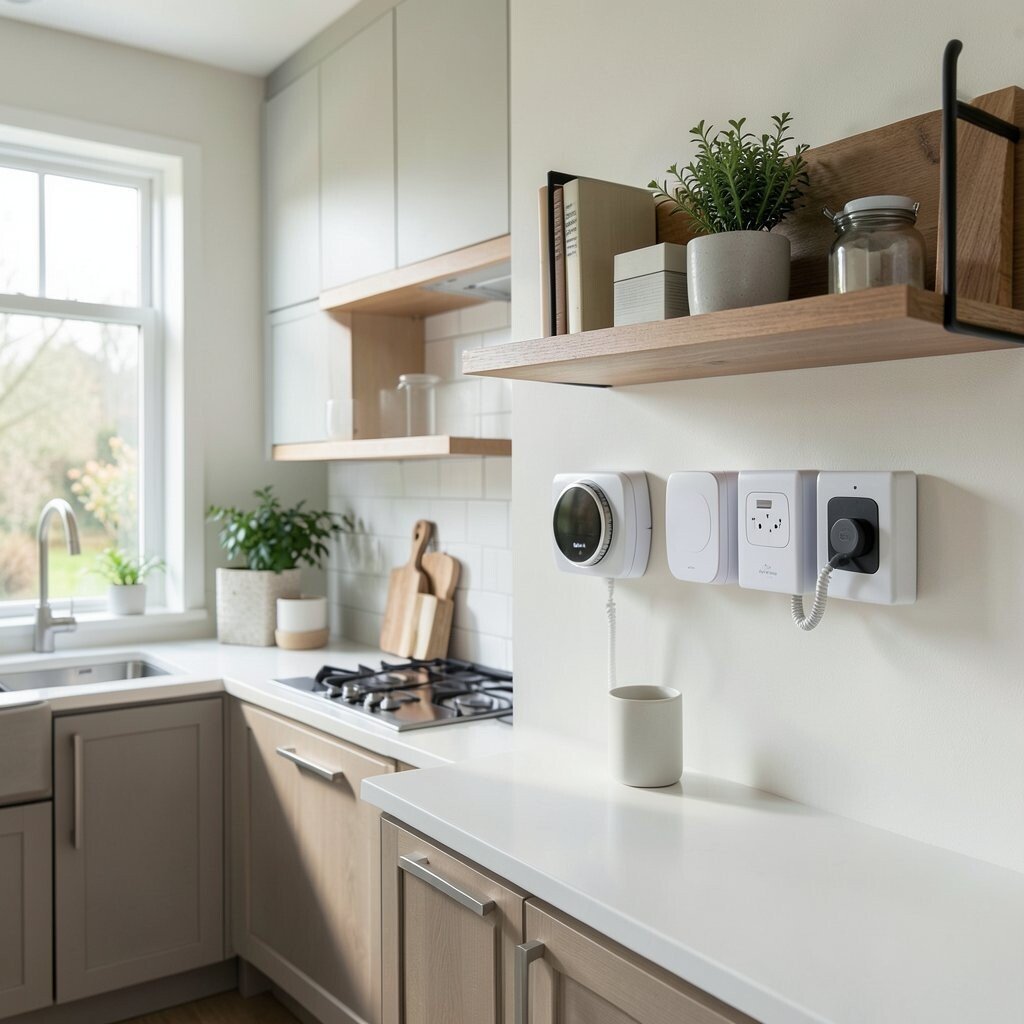
Wall Storage: Curated Hooks Vs Smart Charging Centers Traditional wall storage might include hooks, racks, or a small pegboard. You get a handy spot for aprons, towels, and everyday tools.
Modern kitchens often add charging stations and device storage near outlets. It keeps phones and tablets from turning into clutter on counters.
Traditional charm can be stronger when you add matching wooden racks and vintage-style hooks. Modern ease can be stronger when you hide cables behind a neat panel.
To personalize, place your favorite tools where you use them most. If you cook often, mount frequently used utensils at reachable height.
Cost considerations vary because built-in charging centers may involve electrical work. A cheaper option is a small charging caddy tucked into a drawer, then upgraded later if needed.
-
19. Flooring Finish and Maintenance: Sealed Natural Surfaces Vs Easy-Lift Materials
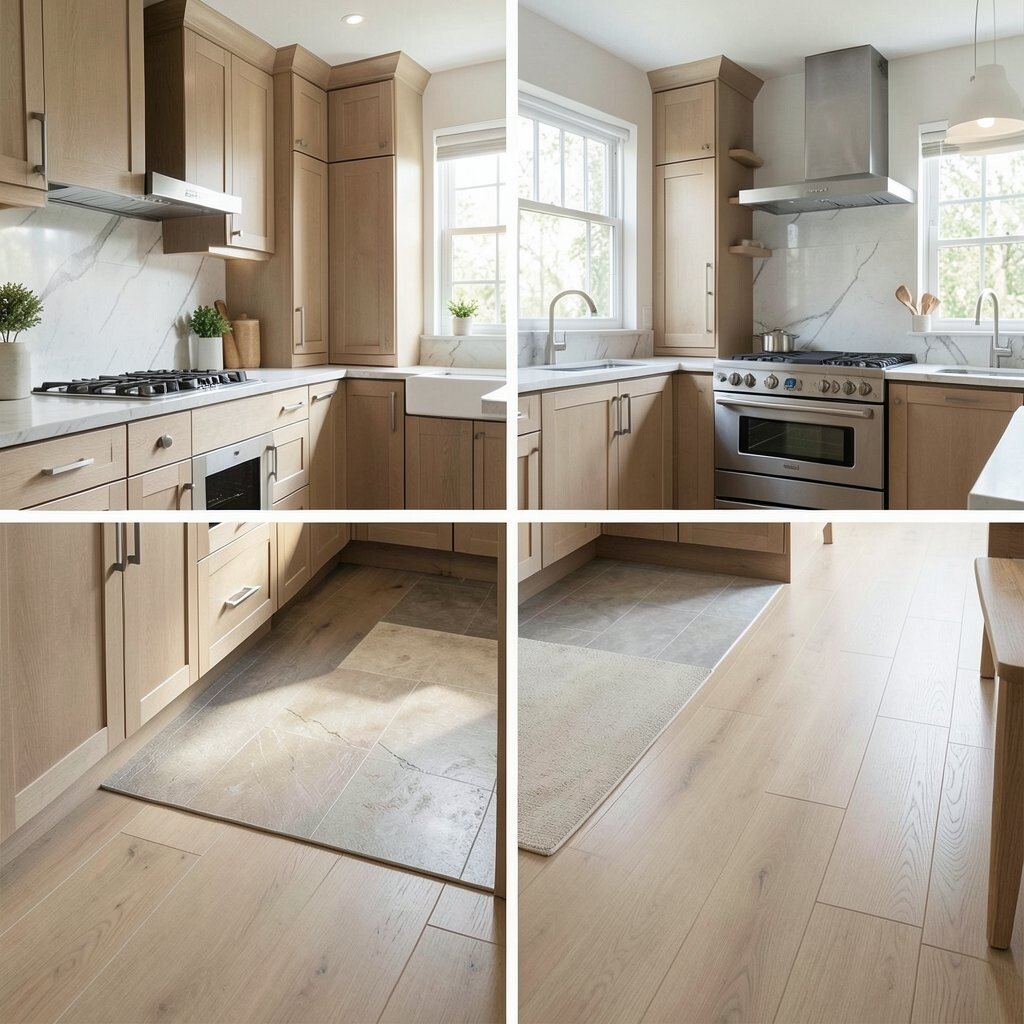
Flooring Finish and Maintenance: Sealed Natural Surfaces Vs Easy-Lift Materials Traditional floors often focus on classic finishing, like sealed hardwood or natural stone. They look rich, and many people enjoy how they develop character over time.
Modern floors often aim for easy upkeep, like vinyl, engineered wood, or ceramic tile designed for heavy traffic. They’re chosen because spills and busy life don’t have to cause stress.
To keep traditional surfaces beautiful, plan for regular cleaning and gentle products. For modern surfaces, choose mats near the sink and keep a simple routine for quick wipe-downs.
Personalize by using floor patterns strategically. A subtle tile pattern can guide the eye, while plain finishes can make the kitchen feel calm and quiet.
Budget tips: ask about warranties and installation costs. Sometimes a slightly higher upfront cost saves money later through easier maintenance and fewer repairs.
-
20. Technology and Ventilation: Ceiling Fans Vs Smart Range Hoods
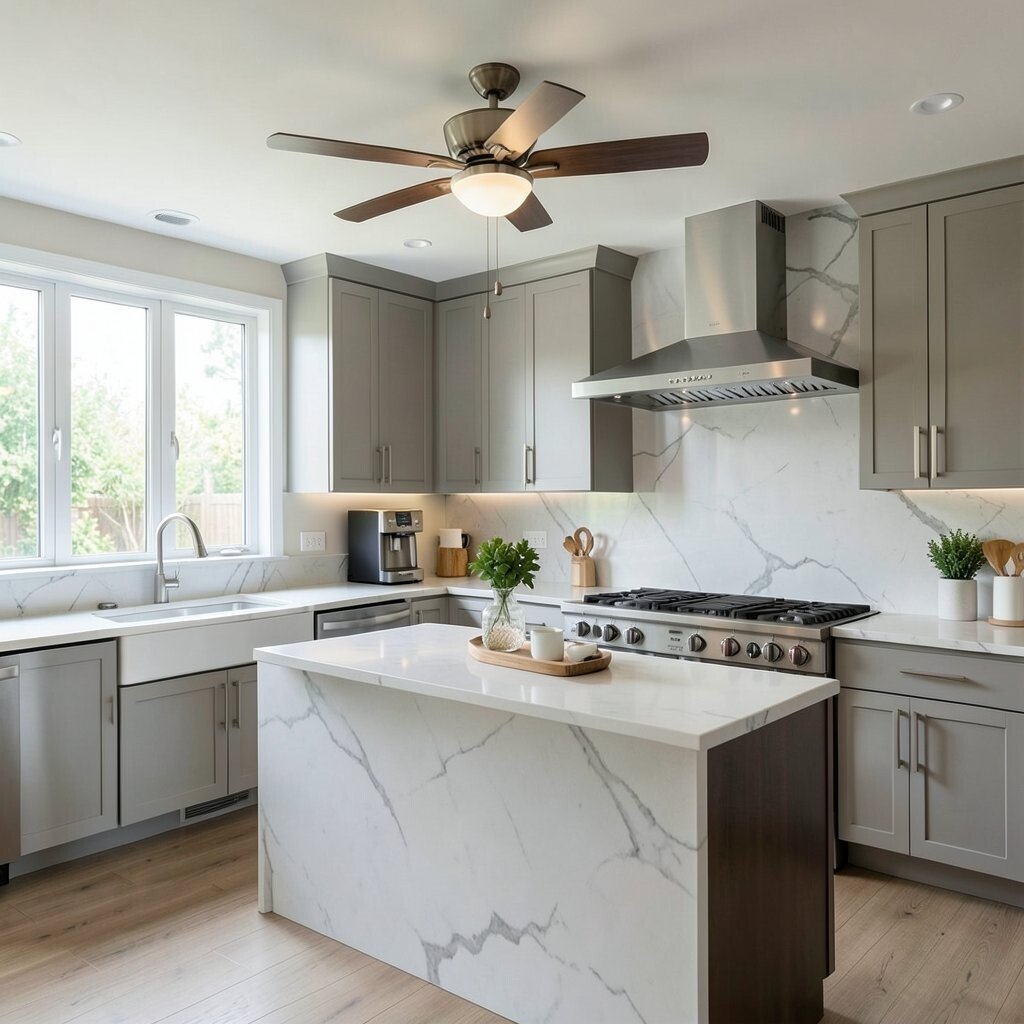
Technology and Ventilation: Ceiling Fans Vs Smart Range Hoods A traditional ceiling fan can help air move during cooking. It feels familiar and fits many older kitchen styles.
Modern kitchens often upgrade to smart range hoods with automatic sensors. They can adjust fan speed based on what’s happening on the stove.
Traditional kitchens can keep ventilation simple by ensuring ducts are properly sized. Modern kitchens can improve comfort by choosing quieter fans and better filters.
If you want personalization, match the hood finish to other metals in the kitchen. A consistent finish makes the room look carefully planned.
Cost considerations are key here because venting changes may require more labor. If you can reuse existing ductwork, you can often keep costs lower.
-
21. Theme Styling: Timeworn Heritage Vs Sleek Contemporary Mood
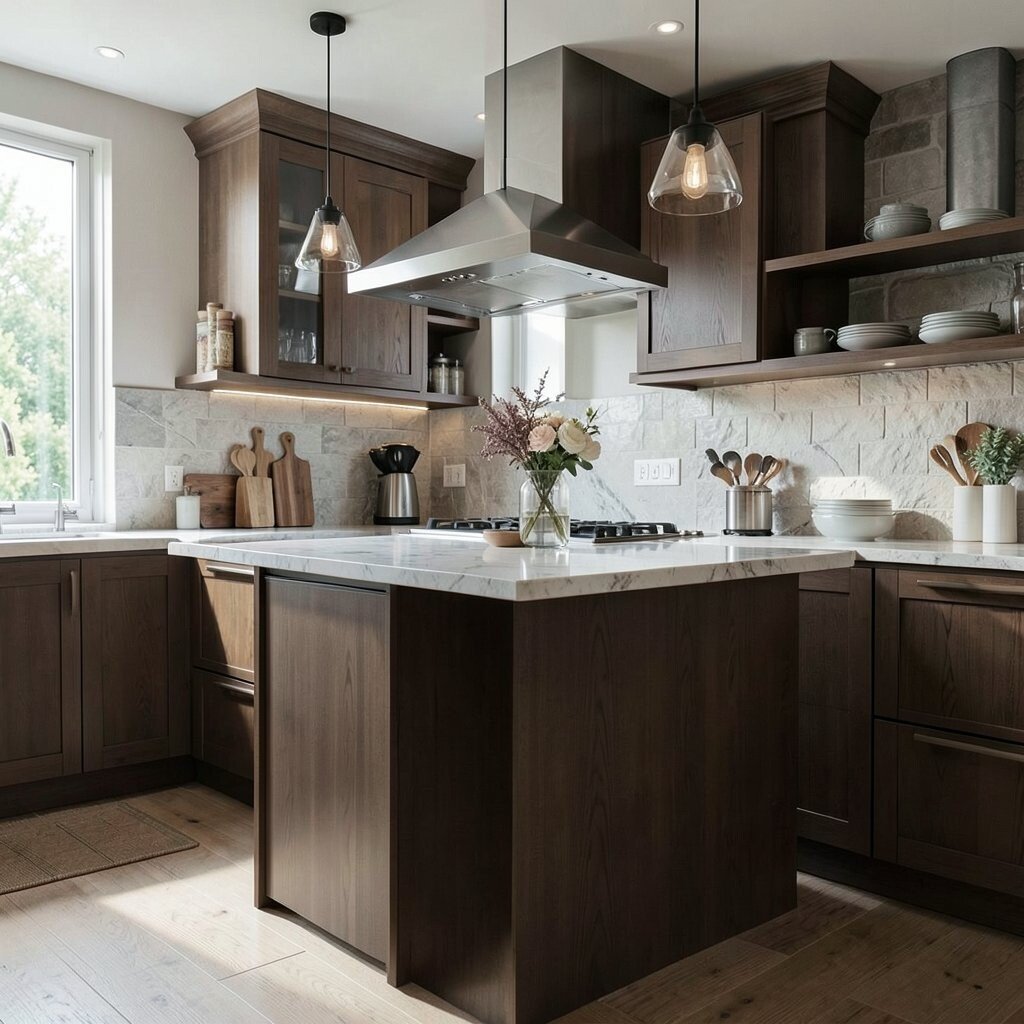
Theme Styling: Timeworn Heritage Vs Sleek Contemporary Mood A traditional kitchen theme uses timeworn materials like warm wood, classic metals, and cozy fabrics. You get a sense of history, even if you renovated recently.
Modern kitchen mood uses cleaner lines, simple textures, and fewer visual distractions. It feels fresh, bright, and ready for everyday life.
You can blend them by choosing a single “hero” element and letting the rest support it. For example, pair heritage-style cabinet doors with a modern lighting plan for balance.
Personalize with small details like a favorite color in dish towels, a patterned runner, or artwork near the breakfast area. These touches help the kitchen feel like your story.
Cost is often best managed by picking priorities first. Choose what you touch daily, like counters, lighting, and storage, then move to style upgrades once the basics are solid.