Picture clean, crisp water on demand. These ideas help you choose a filter that fits your life.
1. Countertop Pitcher With Replaceable Cartridges
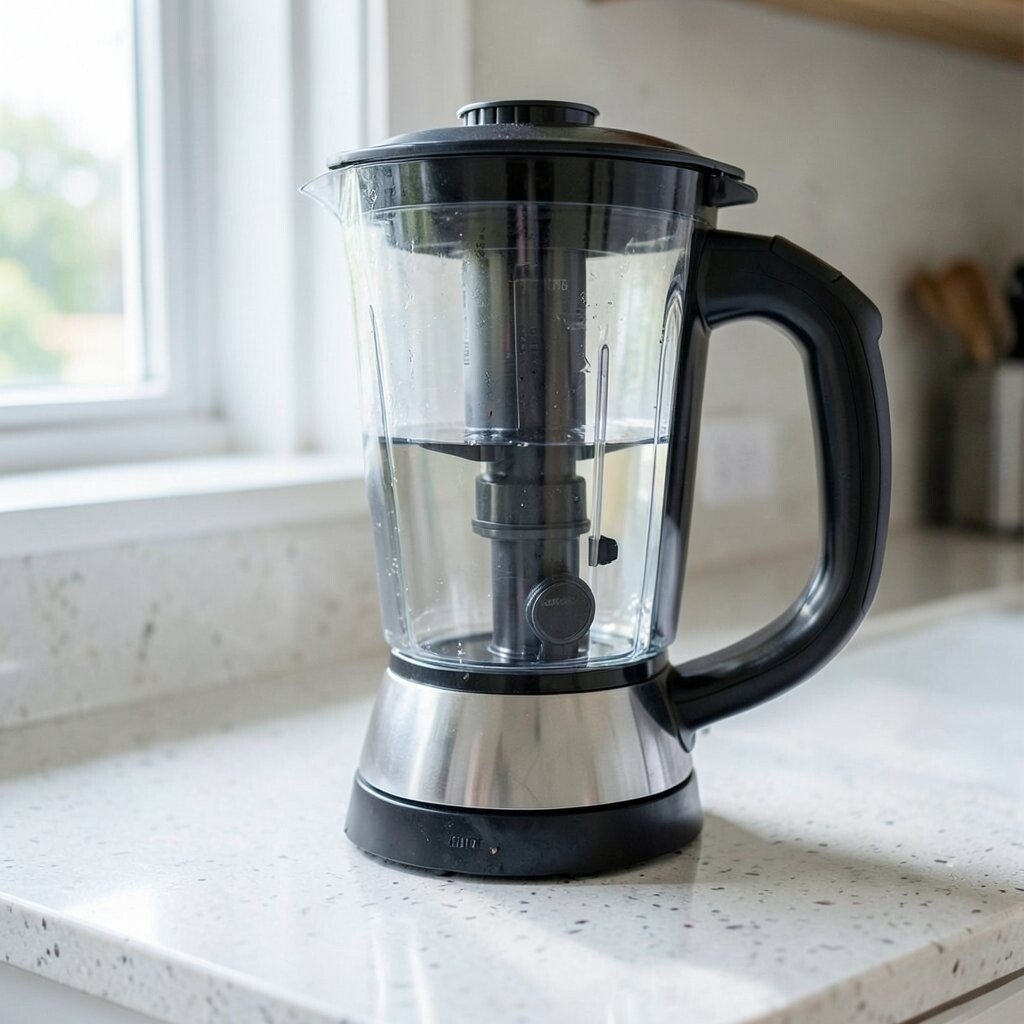
Choose a pitcher that sits neatly on your counter. It turns tap water into something that tastes calmer and fresher.
A good pitcher usually uses carbon to reduce common tastes and odors. You will notice less chlorine smell in tea, coffee, and cooking. To make it last longer, keep the pitcher clean and replace the cartridge right on schedule.
2. Under-Sink Filter With Faucet Diverter
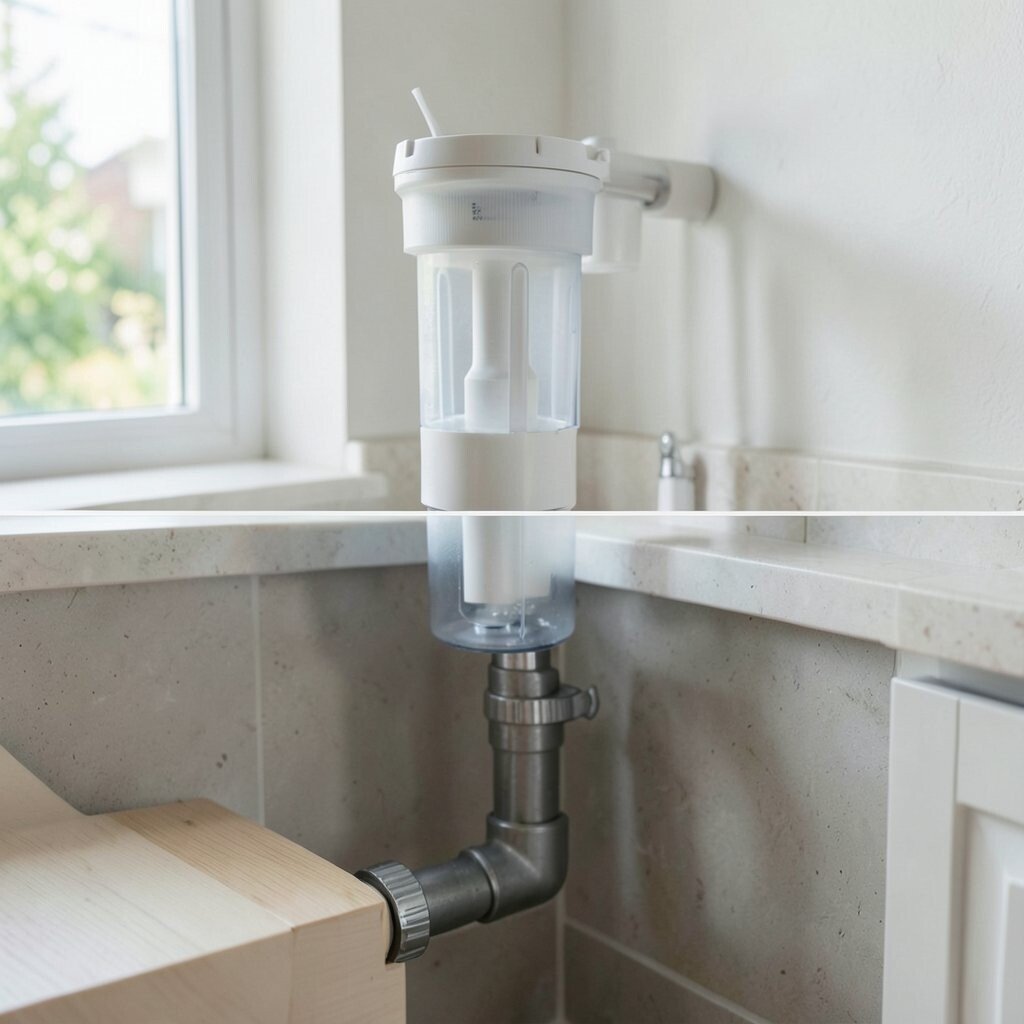
Install a compact system under the sink that connects to a dedicated faucet. Your kitchen gets filtered water without adding a bulky device on top of the counter.
Many models use multiple stages to improve taste while helping with particles. You also save space because the setup stays out of the way. If you have roommates, the dedicated spout makes daily use feel extra simple.
For best results, check what your specific system targets, like chlorine taste or sediment. Measure your cabinet space before buying so the unit fits comfortably. Budget for filter changes, since cartridges typically cost more than pitcher refills.
3. Whole-Home Carbon Filter for Flavor and Odor
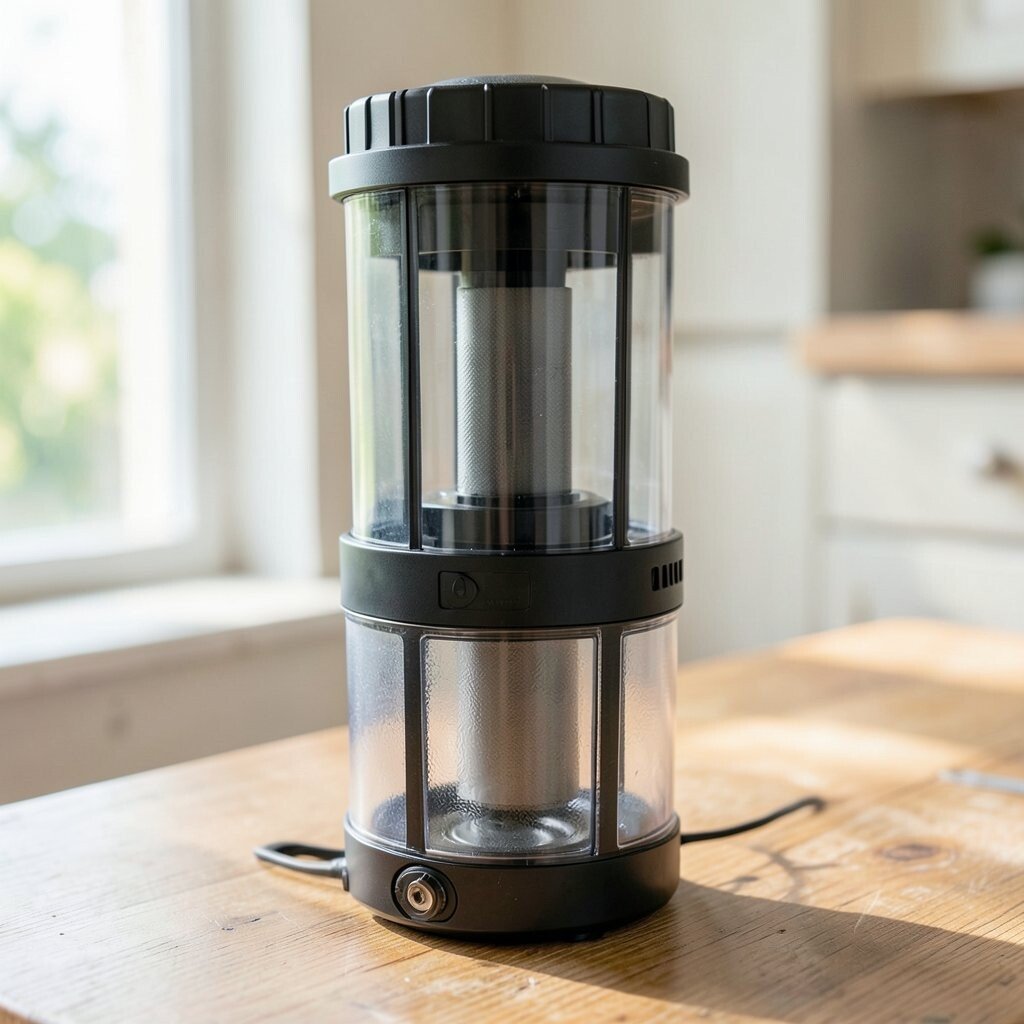
Want water that feels better everywhere, not just at one tap. A whole-home carbon filter treats water as it enters your house, so showers, laundry, and dishes benefit too.
That means fewer lingering smells and often smoother water for everyday tasks. You might also see better performance in appliances that depend on clean flow.
One unique feature is how evenly it can upgrade the whole plumbing system. A practical tip is to place it before your water heater when recommended by the manufacturer.
Costs vary based on housing size and filter size, so compare options by flow rate. Newer designs can include pressure gauges, which makes maintenance feel more predictable.
4. Faucet-Mounted Filter for Fast Upgrades
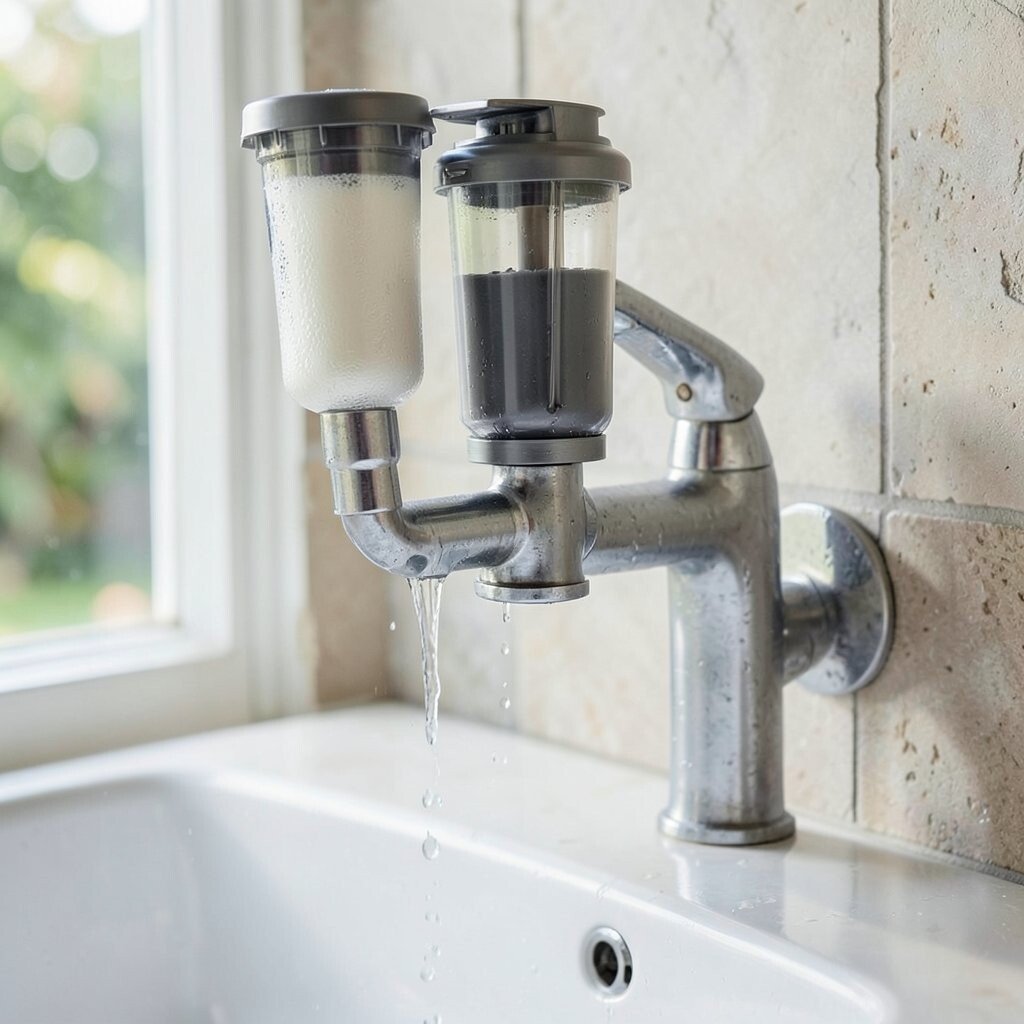
A faucet-mounted filter is an easy upgrade you can feel immediately. It attaches right to the tap and reduces bad taste right where you use water.
Many styles use a carbon cartridge and are great for renters. Look for a model that fits your faucet shape and has clear replacement reminders. If you use it daily, keep spare cartridges on hand so you do not run out at the worst time.
5. Gravity Water Filter for Travel and Off-Grid Days
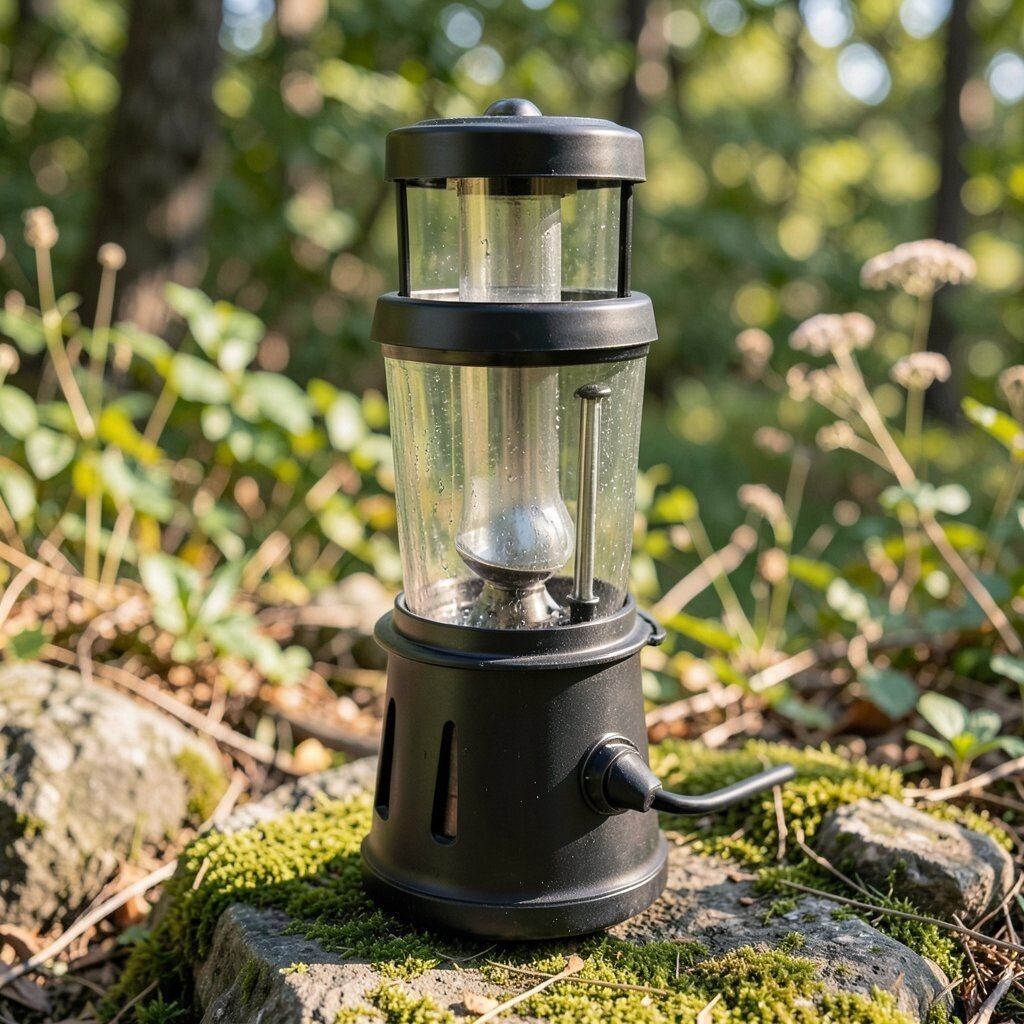
A gravity system looks like a simple setup with a top reservoir and a drip into a clean container. It is practical when you want reliable filtration without electricity.
It is unique because it is designed for camping, emergency kits, and remote work. You can filter water in batches and keep moving without complex gear.
For best flow, let the filter fully drain and avoid overfilling the top chamber. Choose a model known for easy cleaning and long-lasting media. Budget for filter replacements, since high-usage seasons can add up quickly.
6. Reverse Osmosis Under-Sink for Extra-Polished Water
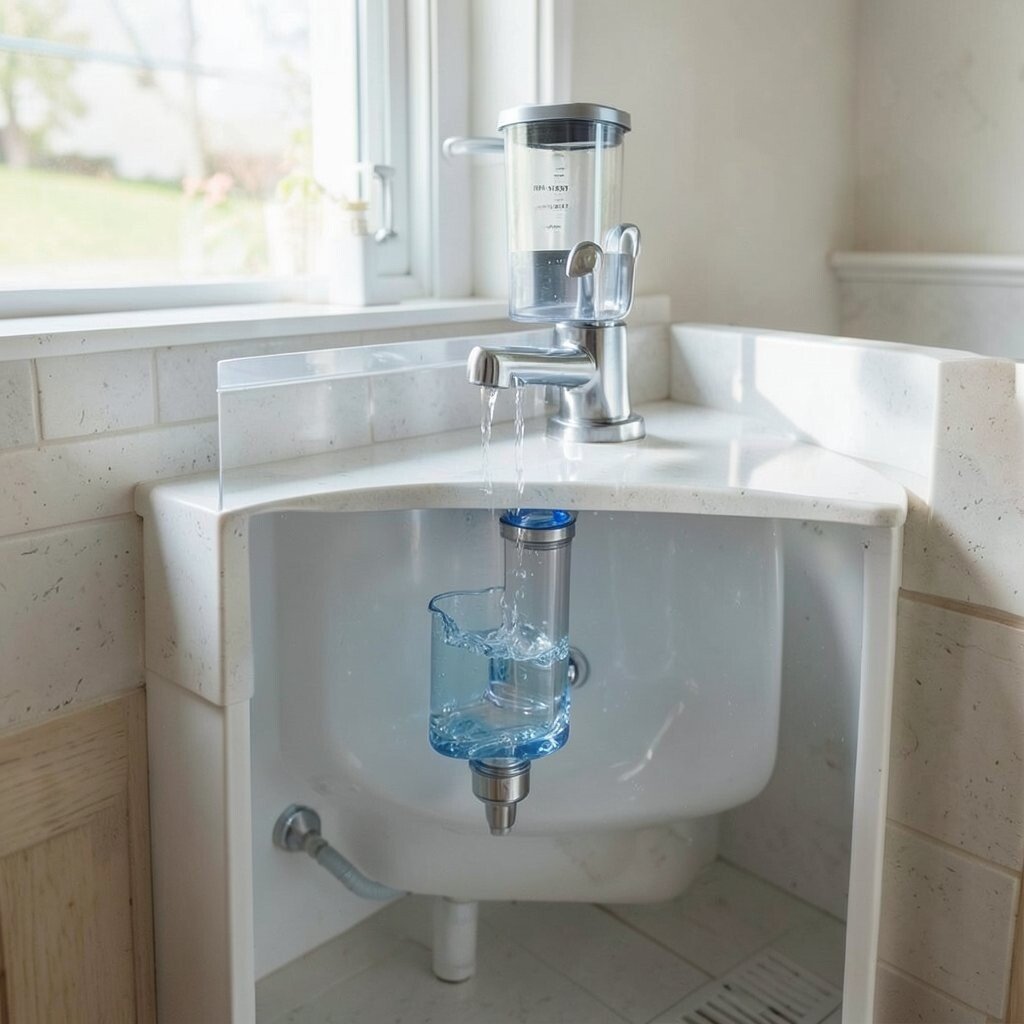
Reverse osmosis systems often look sleek under the sink with a separate storage tank. The water coming out can feel crisp and smooth, especially for drinking and ice.
This is a strong option when you want to reduce more than just taste and smell. RO systems can help with dissolved solids, depending on the setup. A practical tip is to include a quality post-filter so the water tastes right.
Because RO can use water, check the manufacturer’s waste-to-product ratio before you buy. Costs are higher at the start, and maintenance includes changing multiple filters. Many people like RO for coffee makers because it supports consistent flavor.
7. Shower Filter for Skin and Hair Comfort
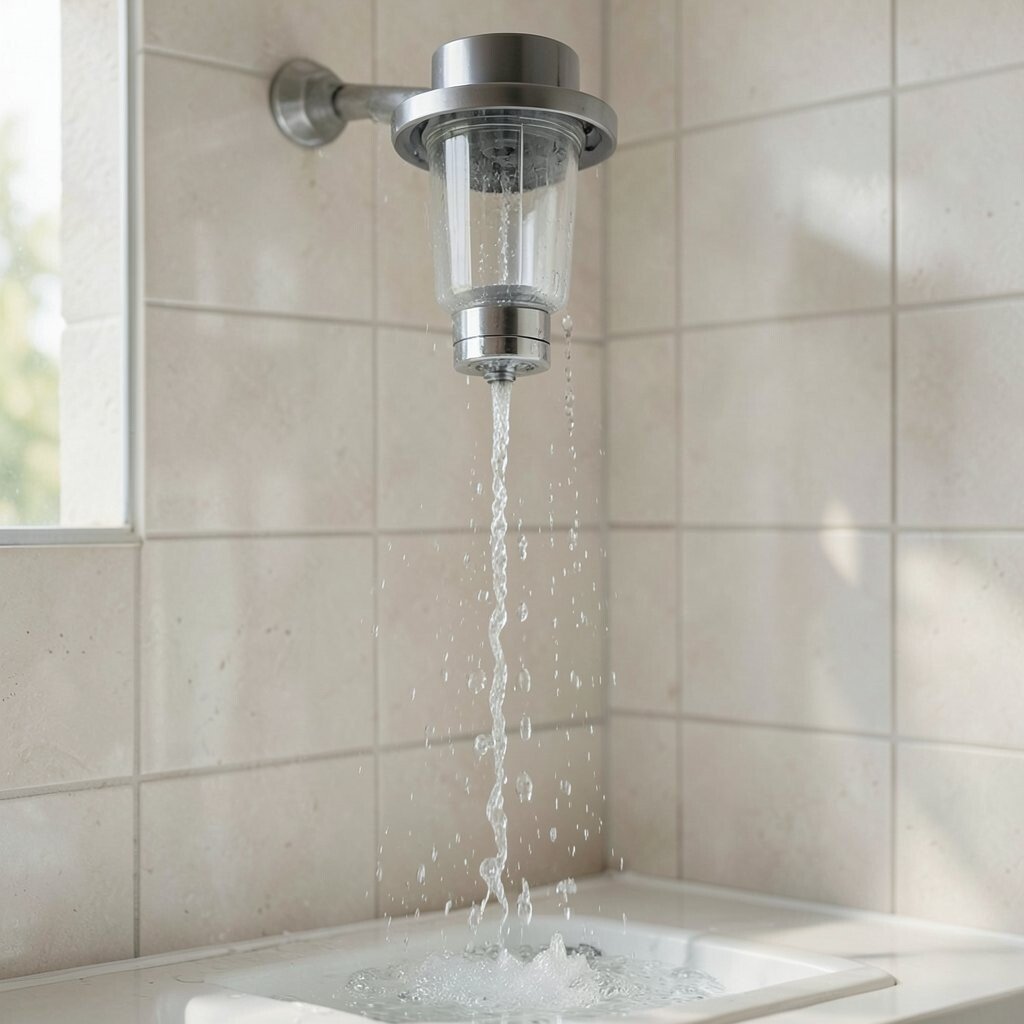
A shower filter is a simple cylinder that screws on like a normal shower head part. Visually, it gives your bathroom a tidy, updated look.
Filtering shower water can help reduce chlorine feel, which may support calmer skin and hair. People often notice less dryness after switching. It is unique because it focuses on water coming from the shower, not drinking.
Choose a filter rated for your water type and check replacement schedules. If you have sensitive skin, consider a gentler carbon approach or one with a specific media type. Budget for cartridges that fit your household’s shower frequency.
8. Mineral-Adding Filter for Better Taste Balance
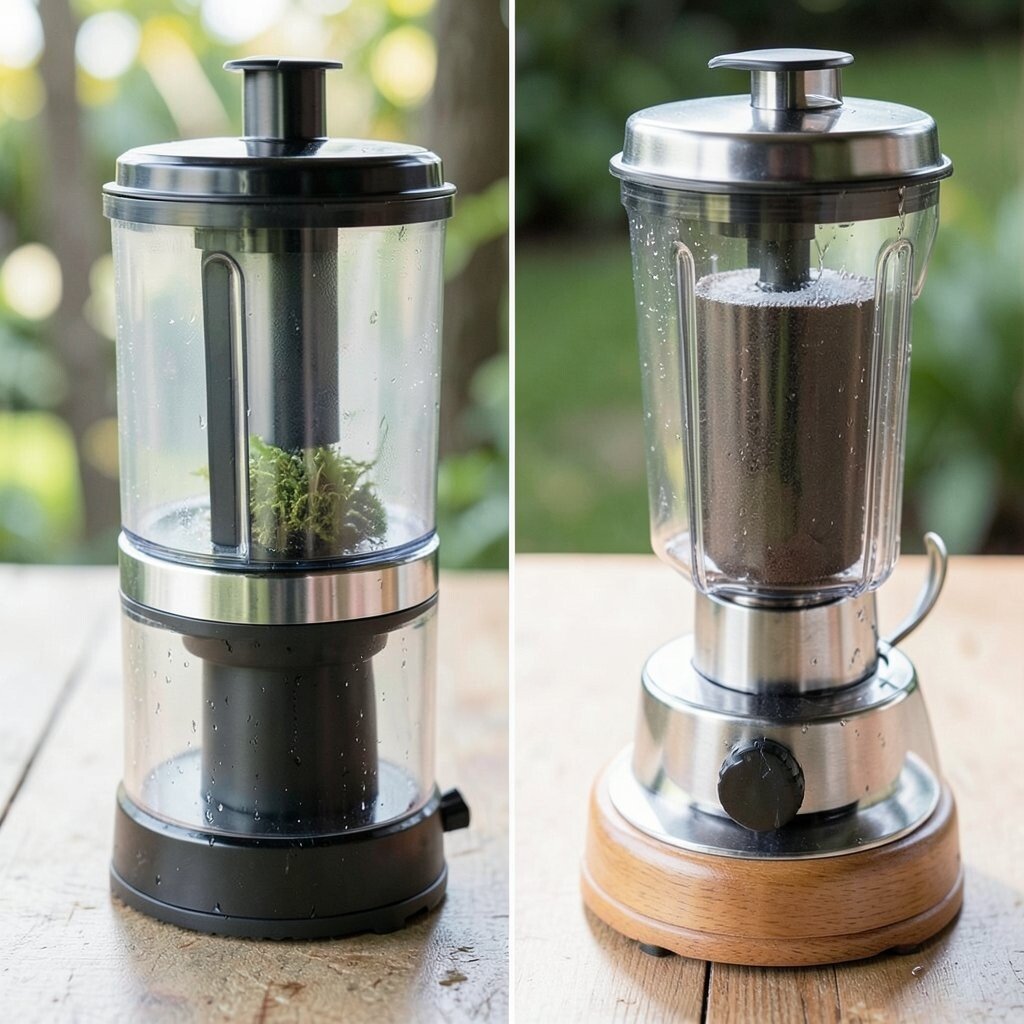
Some filters add back minerals after carbon or RO treatment. You may notice the water tasting rounder, not flat.
This idea is unique because it targets taste chemistry, not just cleanup. People who dislike very “stripped” RO water often choose mineral rebalancing. A practical tip is to taste test small amounts before committing to a routine.
You can also pair it with a pitcher setup for a countertop-friendly system. Consider water hardness in your area because minerals can interact with it. Costs tend to be moderate, since cartridge replacements may be less frequent depending on media design.
As a trend, more brands are focusing on “finished water” flavor, similar to bottled water profiles. Look for clear media specs so you know exactly what is being added.
9. Ceramic Filter for Clean Flow and Easy Water Handling
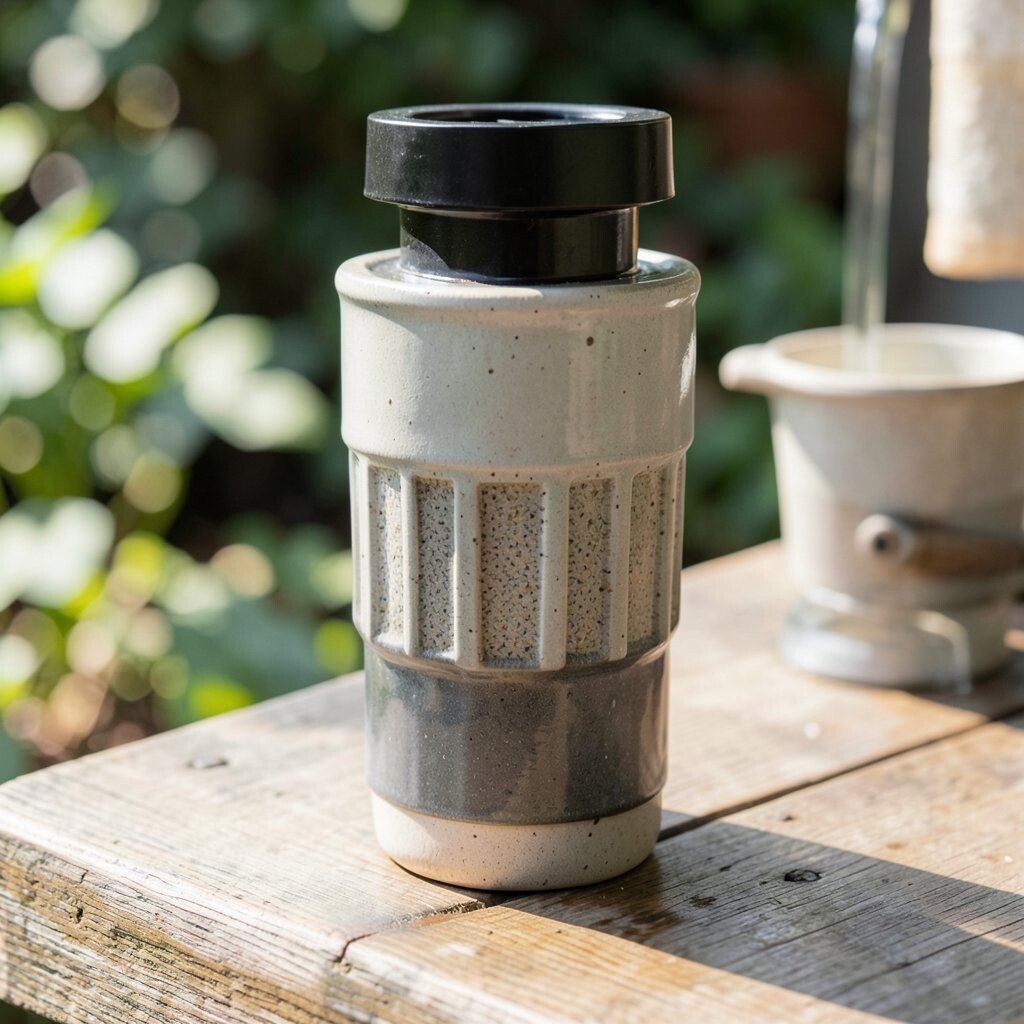
Ceramic filtration systems often look like a sturdy cartridge you can remove and rinse. They work in many setups, from home units to emergency gear.
The benefit is steady filtration that can be helpful for reducing particles. It is unique because ceramic pores can support consistent performance with proper care. You will also like that some models are reusable after cleaning.
For practical use, follow the cleaning instructions carefully so you do not damage the surface. Test water after long storage periods if you keep the filter in a closet. Cost considerations are usually friendly, especially if your model allows simple maintenance.
Many people like ceramic for preparedness because it can fit into different containers. Newer designs may include quick-swap cartridges, which makes regular upkeep simpler.
10. Magnetic or Ion Exchange “Scale Reduction” Filter
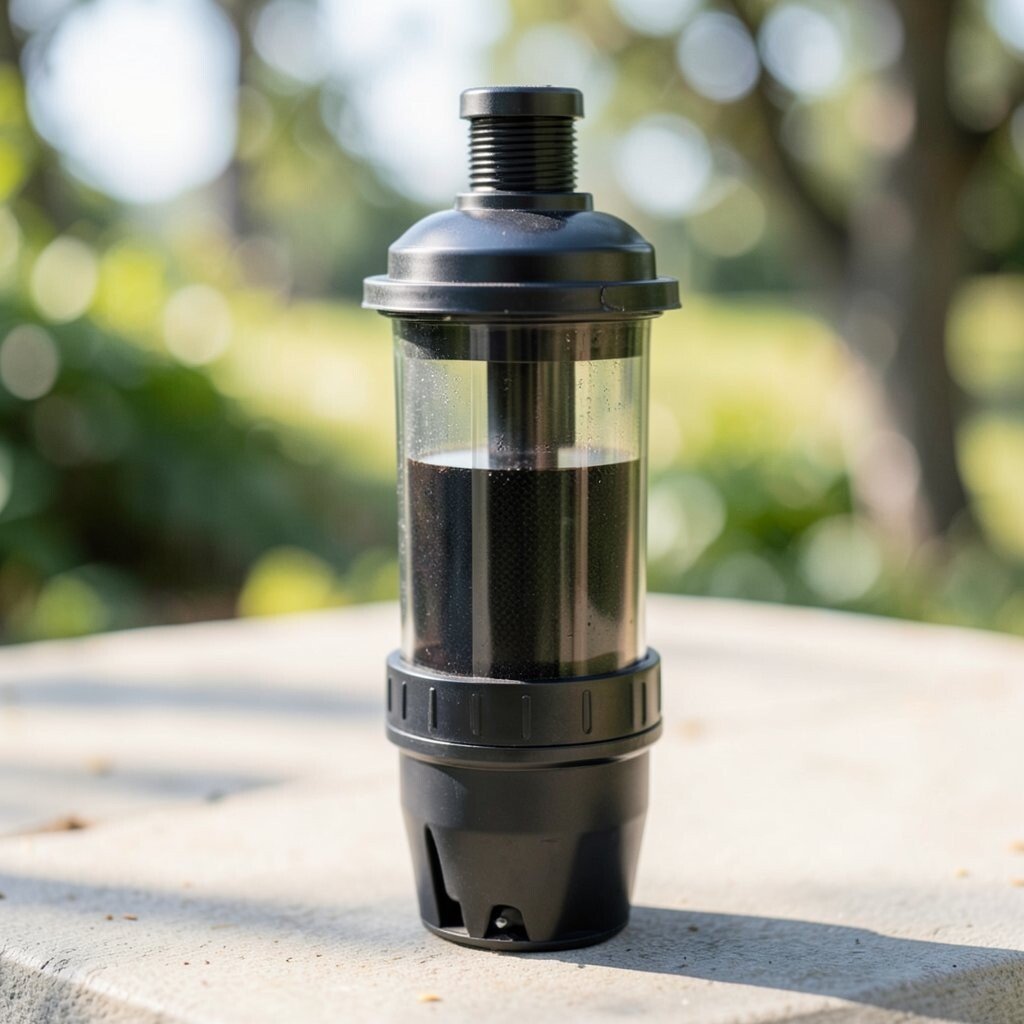
This type of filter focuses on scale build-up, not just taste. You may see it as a small device in the plumbing line or near the water entry point.
It can be helpful if your area has hard water and your kettle or coffee pot gets crusty. The unique angle is that it targets limescale so appliances may stay cleaner longer. Practical tips include pairing it with other filtration if you also want taste improvements.
Cost is often lower than multi-stage filtration systems, but results vary by water hardness. Check for certifications or clear claims, so you know what it can realistically do. As a trend, more homeowners are combining scale reduction with carbon filtering for full comfort.
11. Whole-House Sediment Filter for Particle Control
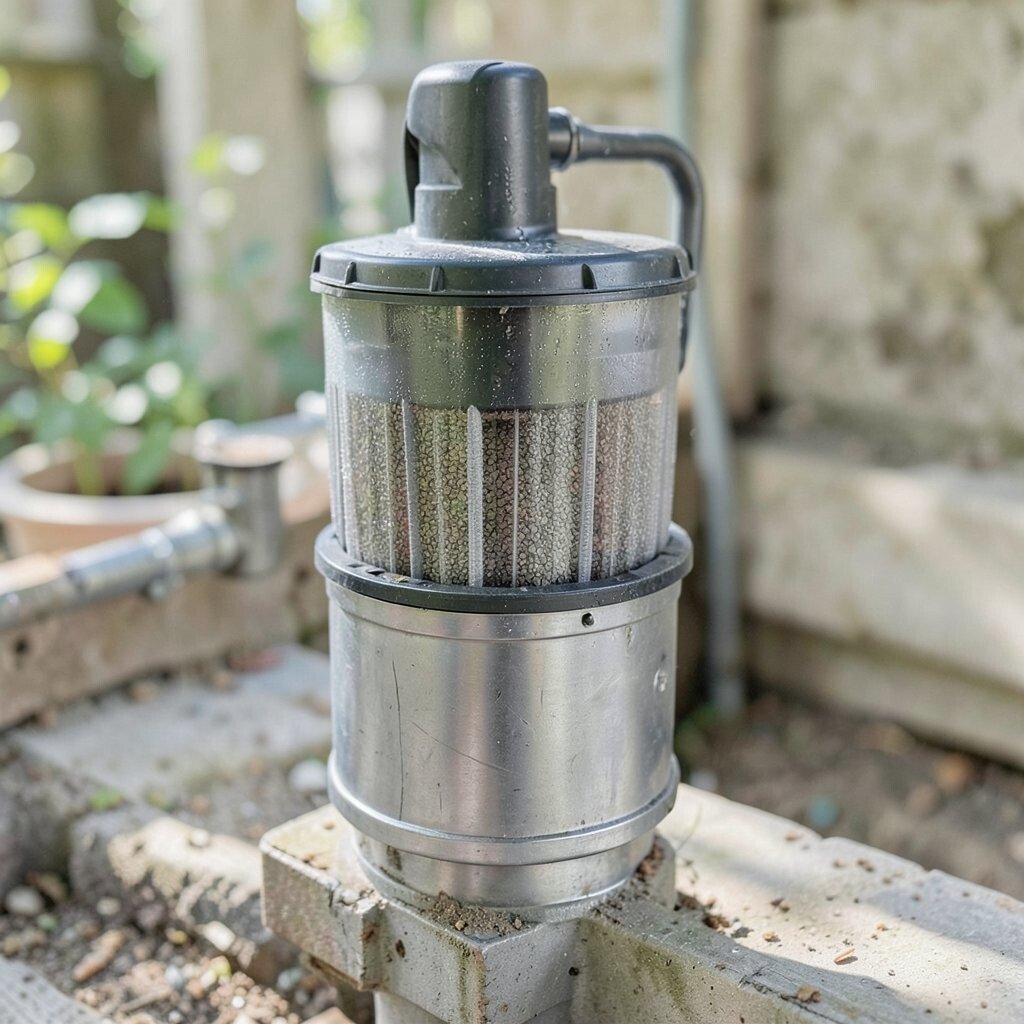
A sediment filter is a practical first step that usually looks like a clear or solid canister mounted near where water enters. It helps keep grit and rust particles out of the system.
When sediment is reduced, other filters can last longer and your faucets may clog less often. This idea is unique because it supports the entire filtration chain by protecting later stages. A practical tip is to check pressure gauge readings if your system includes one.
For personalization, choose a filter size that matches your household water flow needs. Costs can be moderate, and maintenance is often simple with periodic cartridge or screen cleaning. If your area has seasonal changes, plan filter checks around those times.
12. Portable Bottle Filter for Work, Gym, and School
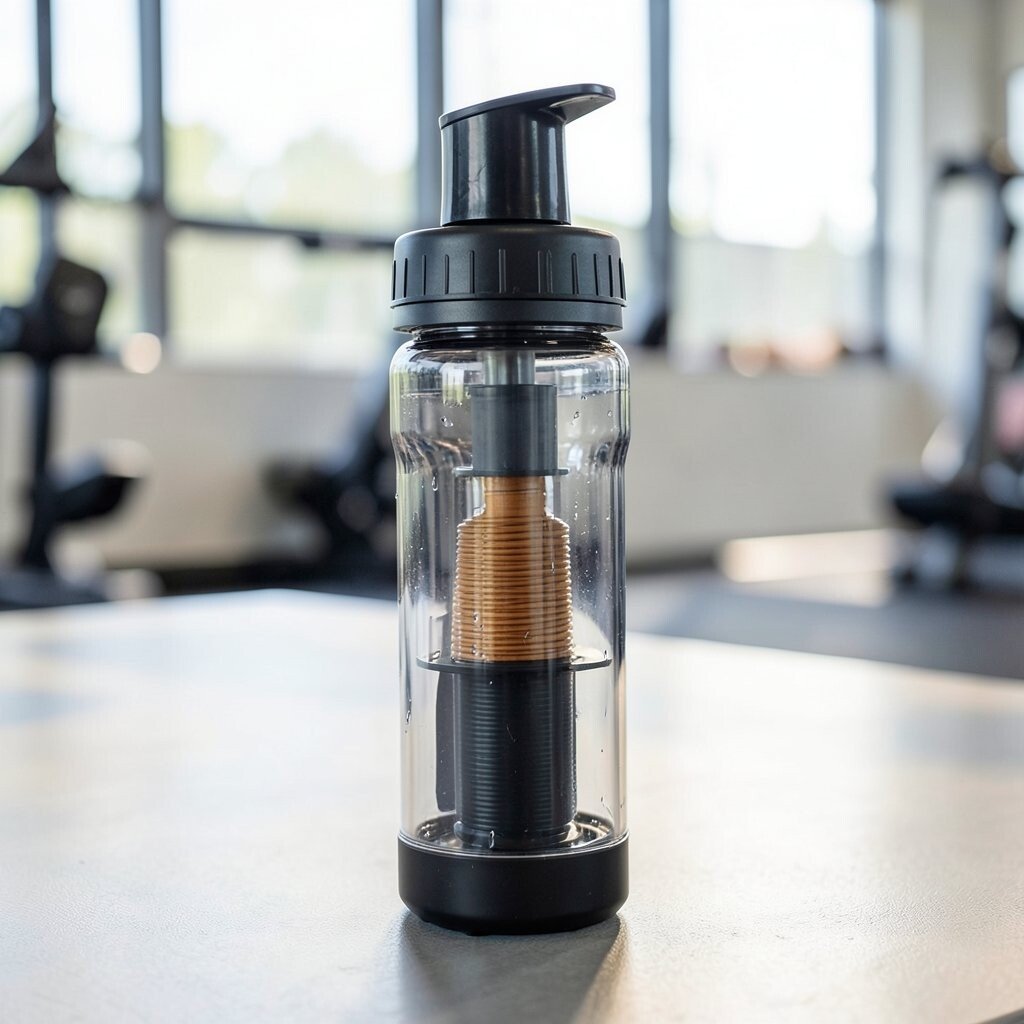
A portable bottle filter looks like a regular water bottle, but with a built-in filter at the tip. It is easy to carry, and it feels great when you are on the move.
The benefit is convenience, since you can fill up from safer sources and drink right away. It is unique because it turns everyday hydration into a flexible system. For practical tips, rinse it regularly and do not let the filter dry out completely if the manual warns against it.
Cost can vary widely, but many people find it saves money compared to constant bottled water. Consider how long the filter lasts in your climate and usage. A trend you might notice is brands making bottles with ergonomic lids and faster flow designs.
13. Filtered Water Dispenser for Office-Style Convenience
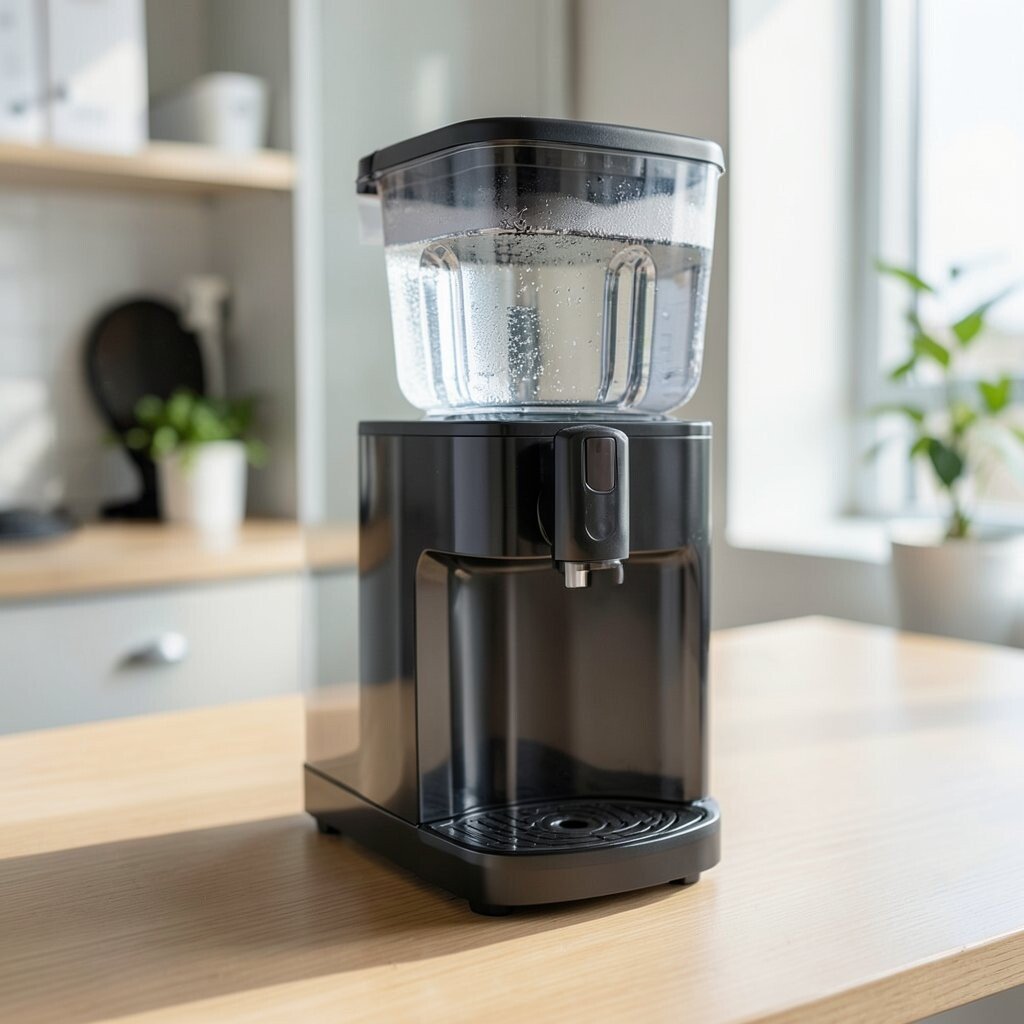
A filtered water dispenser can look like a countertop machine with a clean, modern front panel. Some use internal cartridges, others connect to a larger system.
The benefit is easy pouring with consistent cold or room-temperature water, which can encourage better hydration. It is unique because it makes filtered water feel like a lifestyle, not a chore. A practical tip is to choose a model with clear indicator lights for cartridge changes.
For personalization, decide whether you want cold only, room temperature, or both. Costs often include the machine price plus recurring cartridge expenses. If you share with others, a larger reservoir can reduce how often you refill or maintain it.
14. Multi-Stage Countertop System With Separate Filter Modules
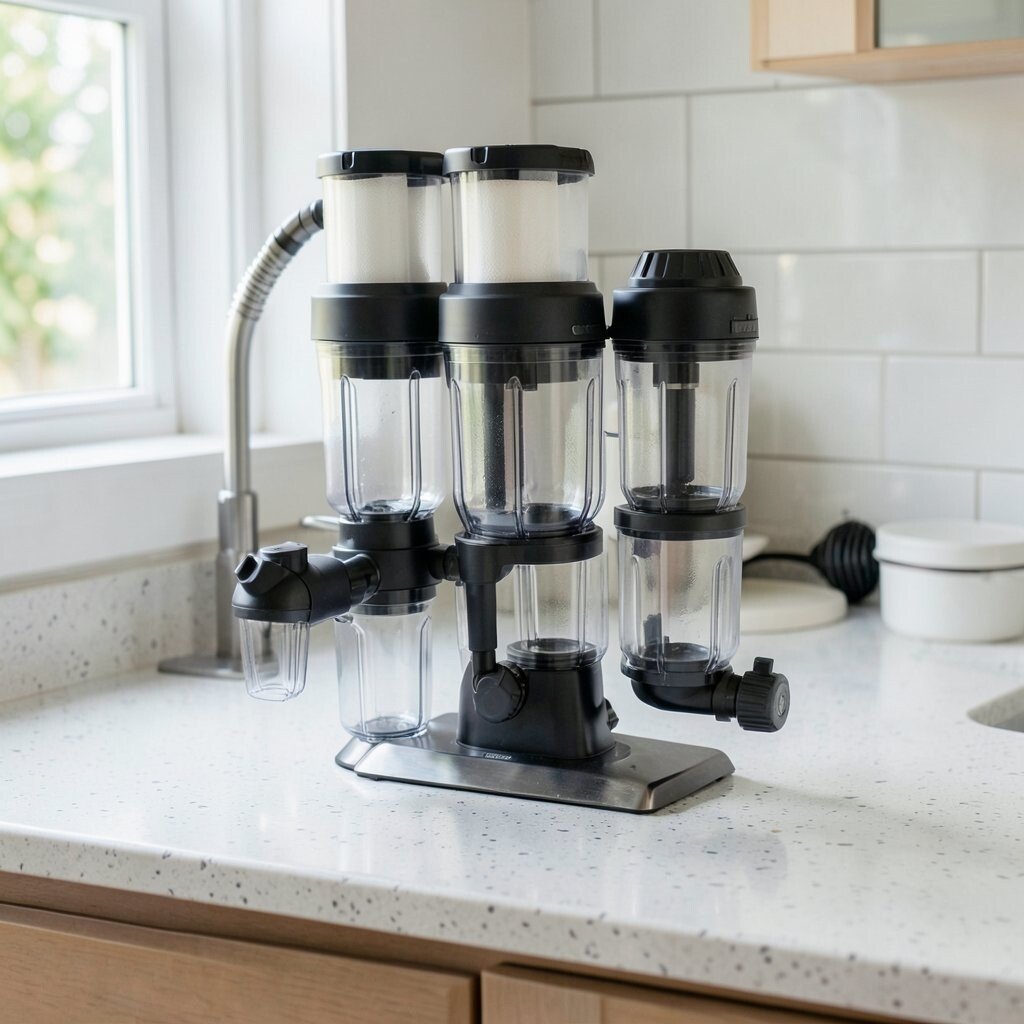
A multi-stage countertop system often looks like a compact “tower” with different filter modules. The front may show how water moves through each stage.
This idea is unique because you can upgrade or swap modules based on your needs. You can focus on taste, odor, or particle control without buying an entirely new system. A practical tip is to keep track of module lifespans so you do not overload one stage.
Cost can be mid-range, especially if you buy quality modules and space them out with correct usage. For personalization, consider matching the system to your water source, like city tap versus well water. As a trend, modular designs are popular because they let you tailor filtration to changing tastes over time.
15. Well-Water Filter Stack for Rural Homes
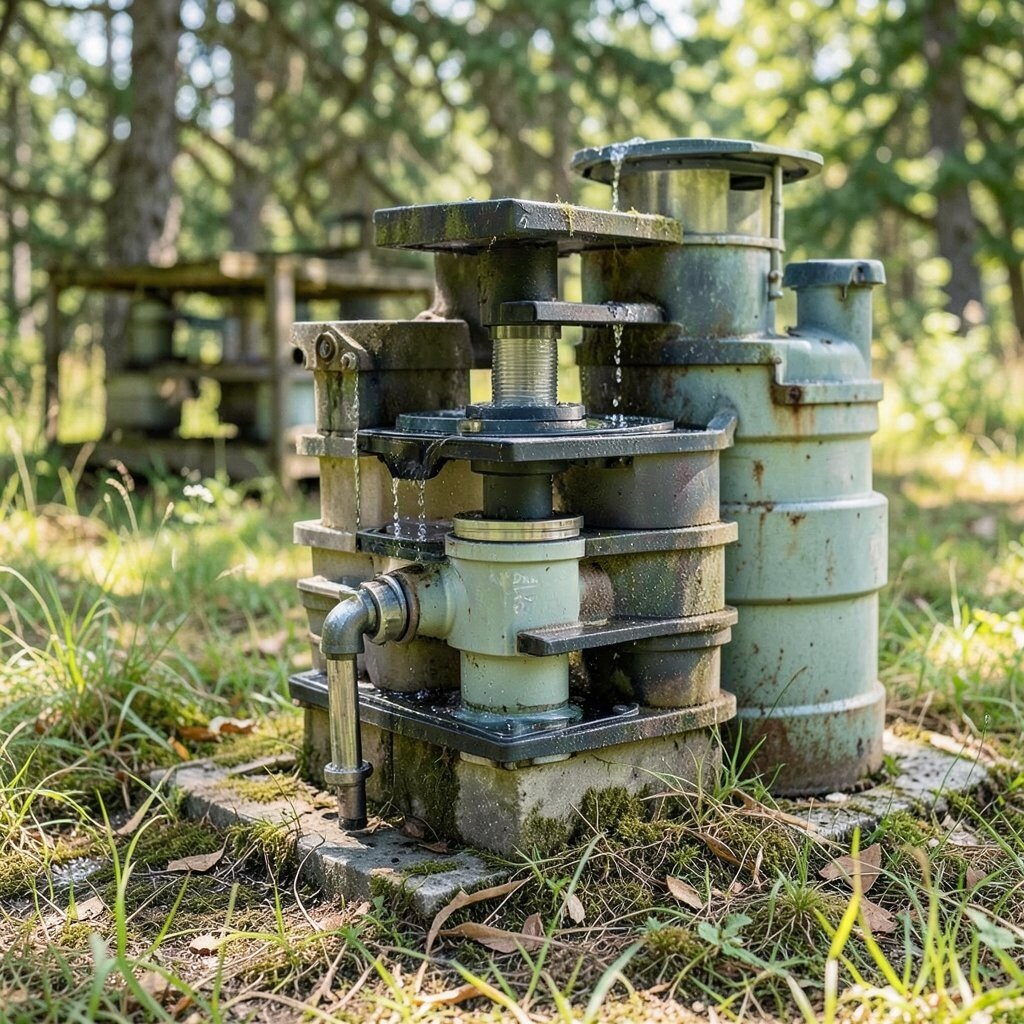
If you rely on a well, your filter setup can look like a set of connected units in a utility room. The visual is practical and built for function, not decoration.
The benefit is addressing specific well concerns, such as sediment, odor, and microbial risk. This is unique because well water needs vary widely by location and season. A practical tip is to start with a water test so you know what you are treating.
Costs often depend on the media and the level of filtration needed, so it is best to budget after testing. You may also need professional installation for certain setups, especially when plumbing adjustments are required. Many current trends emphasize smart monitoring, like filter life tracking and automated replacement alerts.
For personalization, pick a system that includes clear shutoff and maintenance access. That makes it easier to handle routine checks during busy weeks.
16. UV Light Purification for Extra Safety
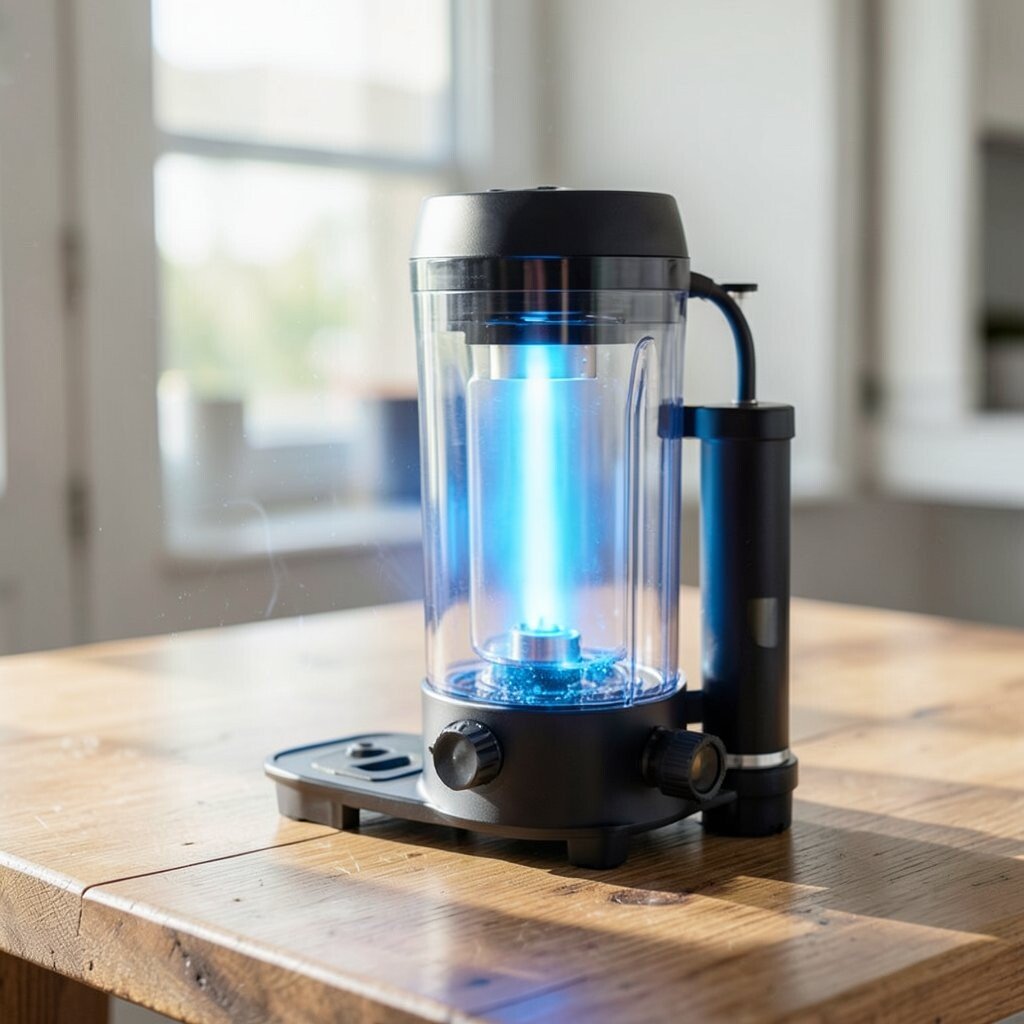
A UV unit often looks like a clear tube with a light chamber and wiring connections. It can feel “high-tech” while still being straightforward in design.
The benefit is targeting microbes through ultraviolet exposure, especially when paired with good pre-filtration. This idea is unique because it focuses on disinfection rather than taste chemistry. A practical tip is to ensure the water is clear enough for UV to work effectively.
Cost considerations include the initial UV device and periodic replacement of the UV bulb. Pairing UV with sediment and carbon stages can improve results and protect the UV lamp. If you like trends, look for models with UV intensity monitoring or status indicators to reduce guesswork.
17. Activated Carbon “GAC” Filter for Longer Taste Control
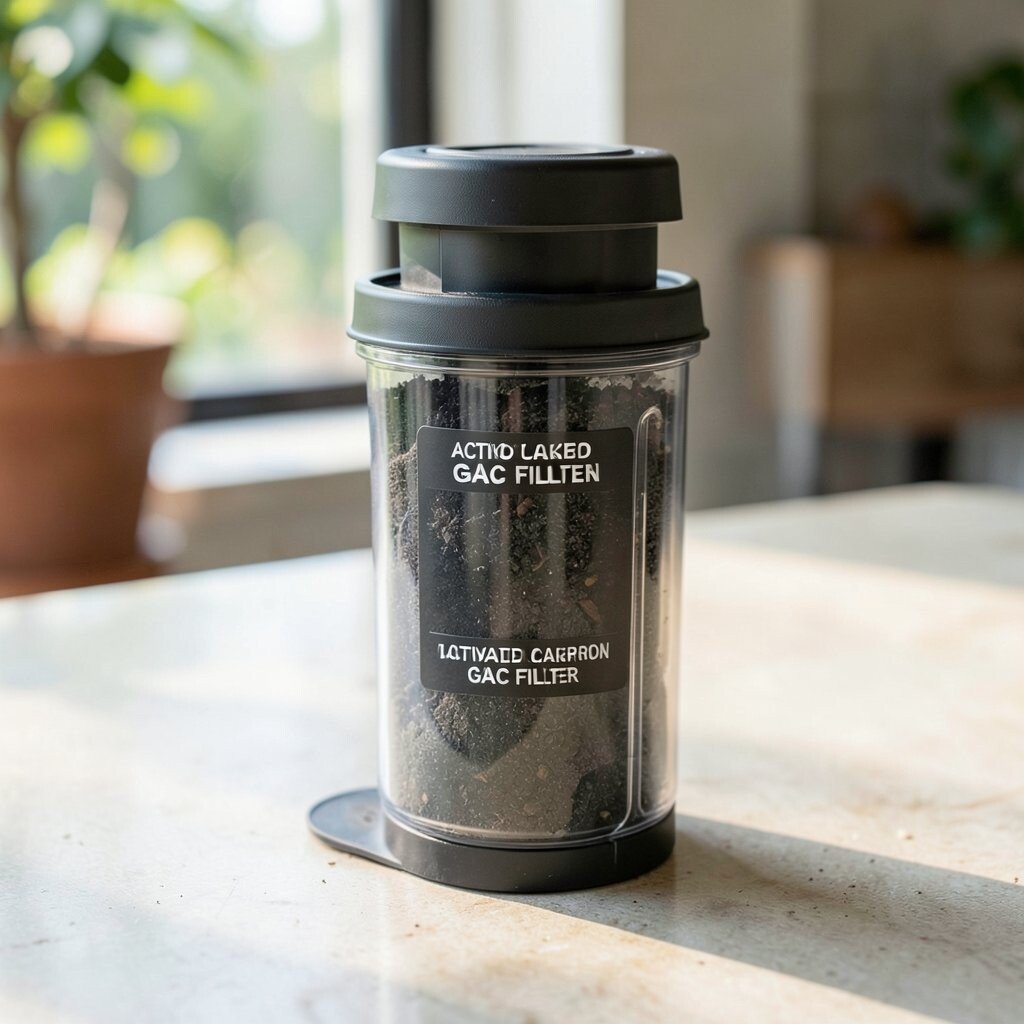
Granular activated carbon filters often appear as a canister filled with dark media. The setup looks substantial, and it hints at steady performance.
The benefit is strong odor and taste reduction, which can be especially noticeable in coffee and cold drinks. This idea is unique because GAC can support longer-lasting carbon action compared with smaller carbon blocks in some systems. A practical tip is to check whether your system backwashes or supports regeneration, depending on the design.
Costs are often moderate, with ongoing replacement based on usage and water quality. For personalization, choose GAC capacity aligned with household size and how much you drink filtered water. Current trends lean toward systems that include simple viewing windows or maintenance alerts so you know when the media is getting tired.
18. DIY “Source-to-Tap” Plan With Testing and Targeted Media
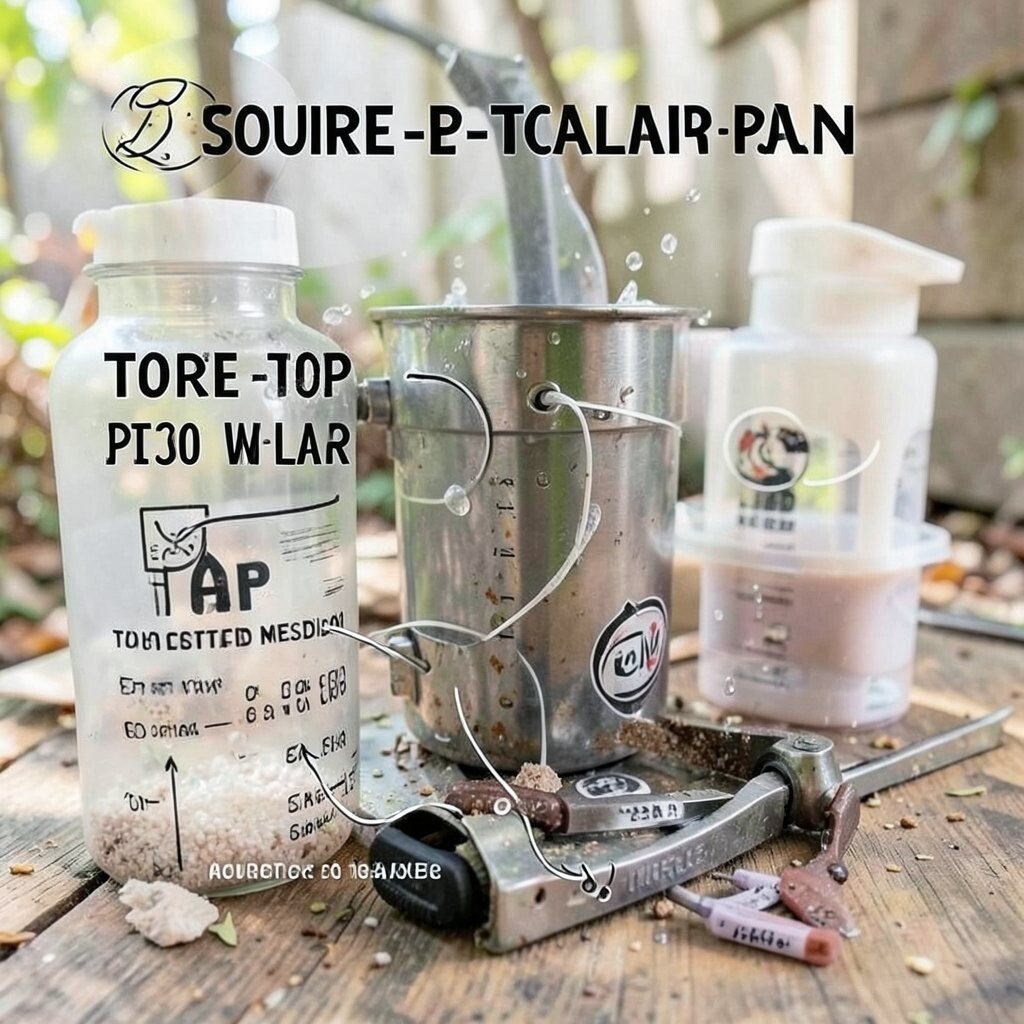
Instead of buying one device, you can build a plan that matches your exact water needs. Visually, it might include a small testing kit, a basic filter, and a separate setup for the problem area.
This idea is unique because it blends personalization with practical steps, like testing before spending. The benefit is avoiding money waste on filters that do not fix your real issue. Start by testing for sediment, hardness, and any local concerns, then choose media that directly targets the results.
A practical tip is to keep a simple log of cartridge dates and changes after heavy rainfall or seasonal shifts. Costs can be controlled because you can start small and scale up. As a trend, many people now prefer “targeted filtration” over one-size-fits-all products, using data to guide upgrades.