Some ideas arrive like a spark on a windy day. When you catch them, your creativity starts moving on its own.
Here are many artistic vision ideas that help you see the world with fresh eyes. Each one comes with practical steps so you can start today, even if you feel “not ready.”
-
1. The “One-Object Universe”
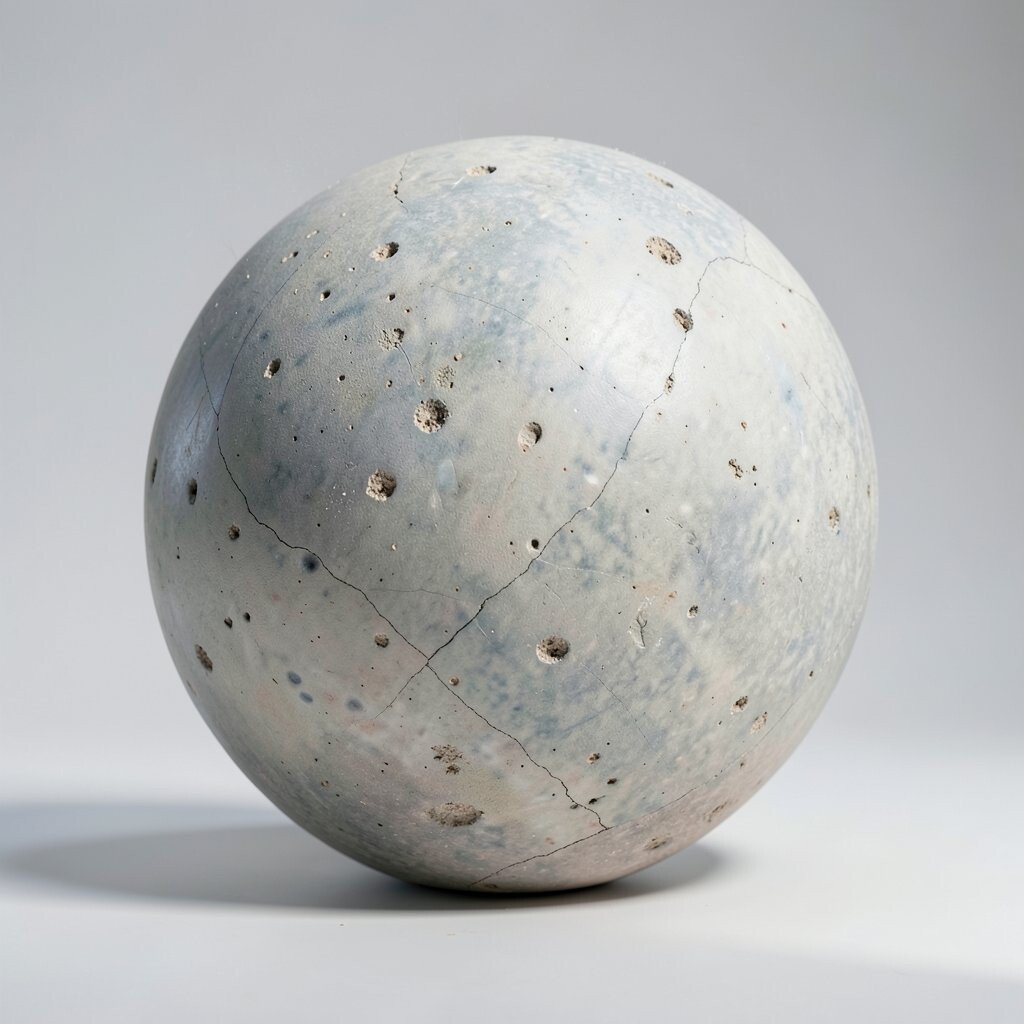
The “One-Object Universe” Pick one object and give it a full imaginary life. Turn that single thing into a whole world inside your artwork.
Draw it from unusual angles, then show it in different moods. Make a tiny story around it, like it is traveling through a dream city. Add small details that feel personal, such as a favorite color or a memory symbol.
-
2. Color Weather Diaries

Color Weather Diaries Let colors act like weather in your sketchbook. Today’s page can feel sunny, stormy, or calm.
Choose one color family and use it to build a mood. Add texture the way you would feel it—rough, soft, or sparkly. Keep a simple note about what inspired the page, even if it is just “rainy music.”
To make it unique, mix a “mood map” into your art, like little icons showing emotion levels. This is budget-friendly because you can use paper, pencils, and a few paint colors. A current trend is color-blocking with bold shapes, which fits perfectly here.
-
3. Shadow-First Drawing

Shadow-First Drawing Start by drawing shadows before you draw the object. When you focus on shadow shapes, your artwork looks more grounded.
Pick a light source, like a lamp, window, or even the sun. Trace the shadow outlines you see, then fill in the forms slowly.
Try a personalization twist by using your own silhouette as the main “character.” This practice improves accuracy and helps you learn lighting fast. If you want to keep cost low, use a phone flashlight and basic sketch tools.
-
4. Found-Texture Collage
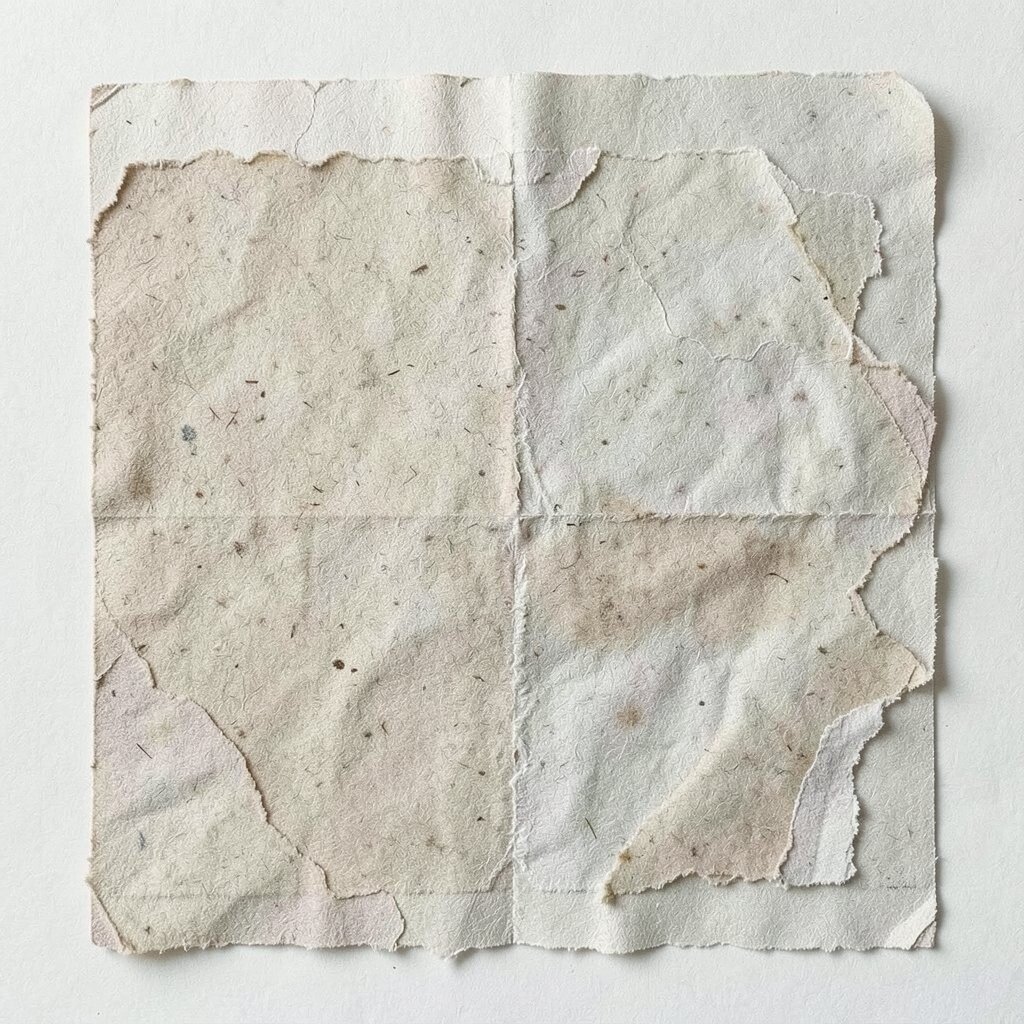
Found-Texture Collage Search for textures around you and turn them into collage art. Think of fabric scraps, old paper, bubble wrap, leaves, and wrappers.
Cut or tear pieces, then layer them until they create a clear picture. Glue lightly first, then commit once you like the pattern. Make a plan by sketching the outline on a scrap sheet before you start sticking things down.
For uniqueness, combine one “fancy” texture with three “daily” textures, like velvet plus grocery bag paper. This is excellent for recycling and can cost almost nothing. A current trend is “tactile” mixed media, where viewers love seeing the surface details up close.
-
5. Handwriting As Design

Handwriting As Design Turn your handwriting into a visual style. Use letters like they are shapes, not just words.
Write a short phrase, then rearrange it into a pattern. Change the size of letters like waves, spirals, or steps.
Add a personal symbol inside the letters, such as a tiny star, heart, or doodle. This helps you keep your voice in the artwork. It is low-cost too: a pen, markers, or even a free font plus printed paper can work.
-
6. The “Museum Label” Game

The “Museum Label” Game Create an artwork, then write a “museum label” for it. Pretend you are curating a piece from a future gallery.
Include a playful title and a few details about the imagined meaning. Mention the materials, the mood, and what the viewer should feel. Keep it honest and personal, like “made during a week that needed calm.”
For tips, try writing three versions, each with a different vibe. This boosts creativity and improves your confidence in sharing art. If you want a modern touch, use a clean layout and a simple icon beside the label.
-
7. Portraits Without Faces

Portraits Without Faces Draw people using only hands, hair shapes, clothing folds, or shadows. You can leave faces out and still tell a strong story.
Choose a feeling, like bravery or worry, and show it through posture. Tighten lines for anxious energy, then soften edges for comfort. Add small clues like a bracelet, cuff, or pocket sketch.
Make it unique by matching each portrait to a color tone you associate with that emotion. This builds strong observation skills and helps you learn how body language works. A simple pencil and paper setup keeps the cost low, and it pairs well with current trends in expressive, minimal portrait work.
-
8. Maps Of Your Personal World
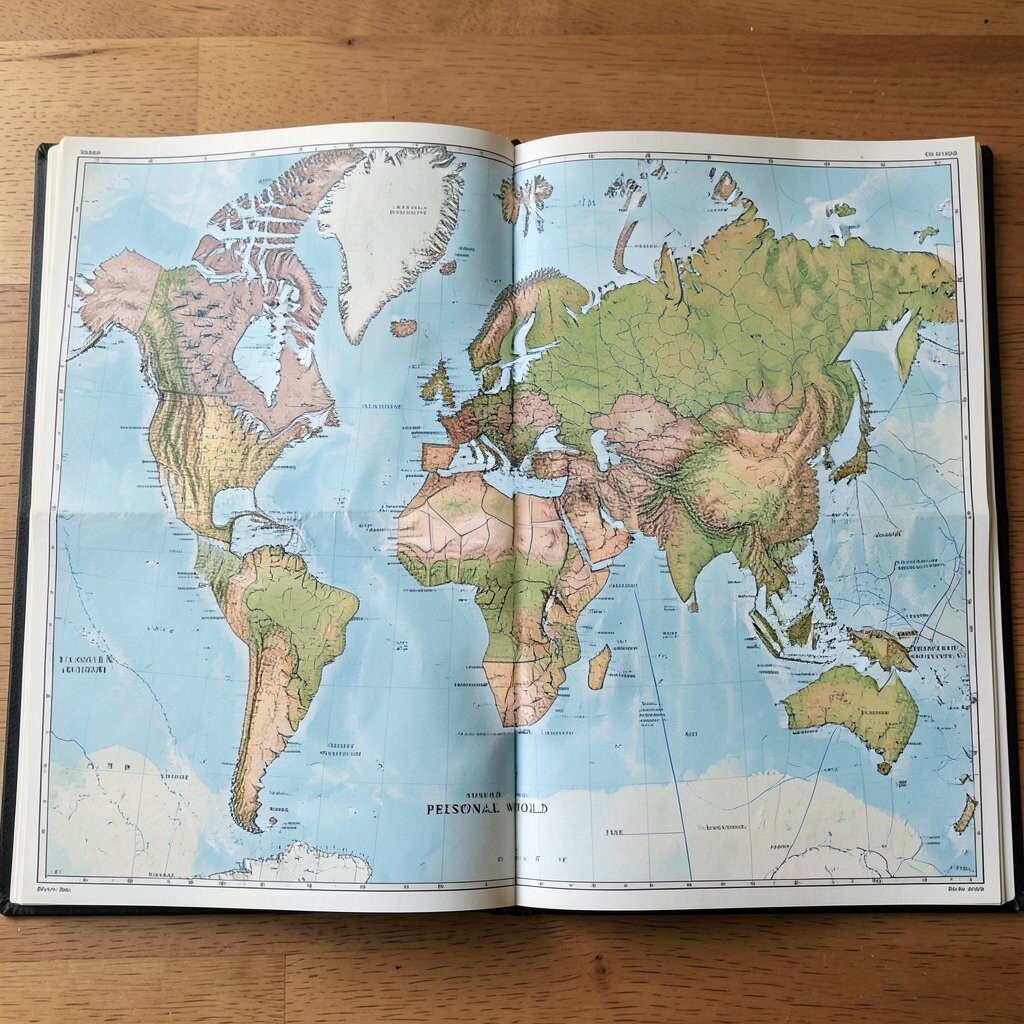
Maps Of Your Personal World Draw a map of places that exist only in your mind. Mark the spots that hold your favorite memories.
Use symbols instead of exact details, like a teacup for comfort or a key for new beginnings. Add routes that show how you move through life. Your job is to make the map feel usable and emotional.
For uniqueness, include “mystery paths” that lead to one surprising place. This helps you turn feelings into images, which can be calming. Cost is flexible, so you can do it with paper and colored pens or digitally with free tools.
-
9. Limited Materials Challenge
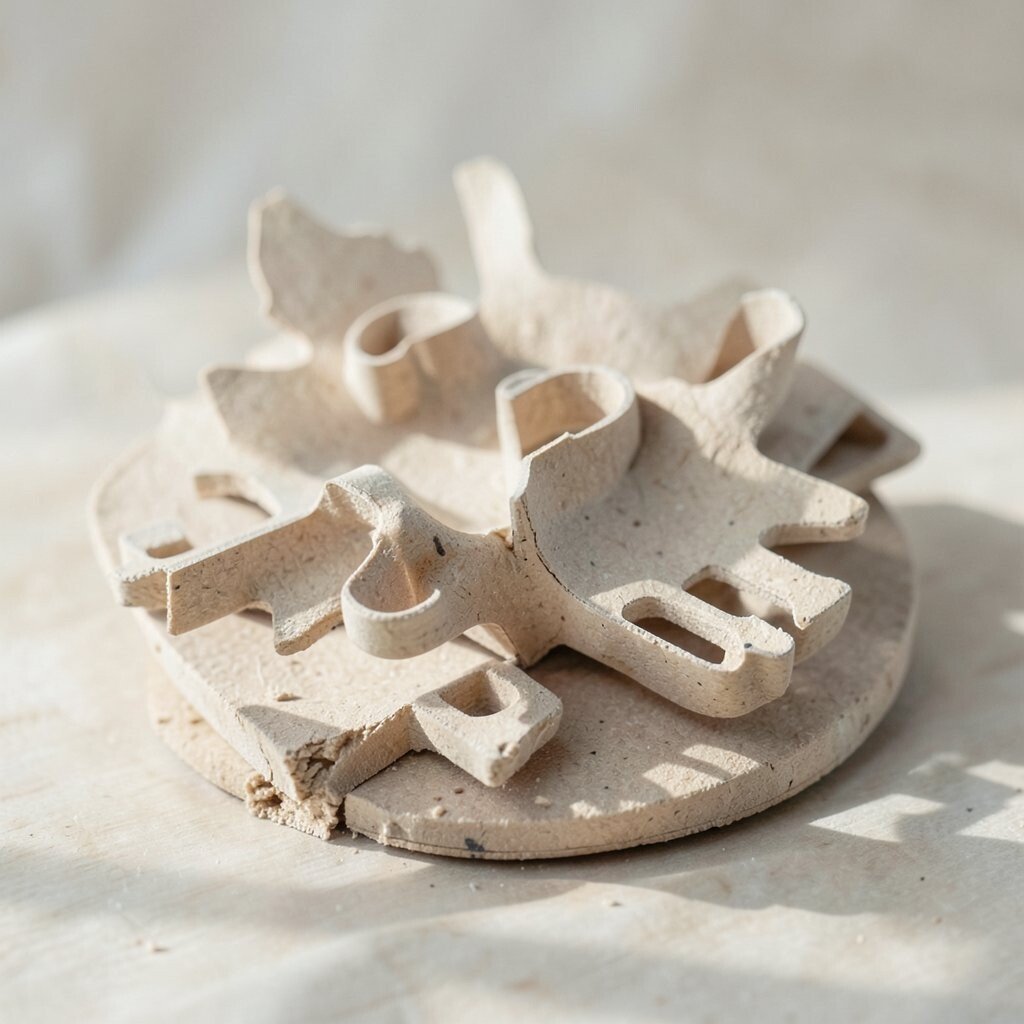
Limited Materials Challenge Set yourself a tiny materials list, like three colors and one tool. When limits are clear, your choices get sharper.
Make a rule, such as “no more than five brush strokes per area” or “only circular shapes.” Then create a finished piece instead of a rough draft.
Personalize it by tying the palette to your life, like your favorite hoodie colors. This builds problem-solving skills and helps your brain commit to decisions. If you want a trend-friendly twist, try a bold, poster-like layout using high-contrast colors.
-
10. “Impossible Perspective” Rooms
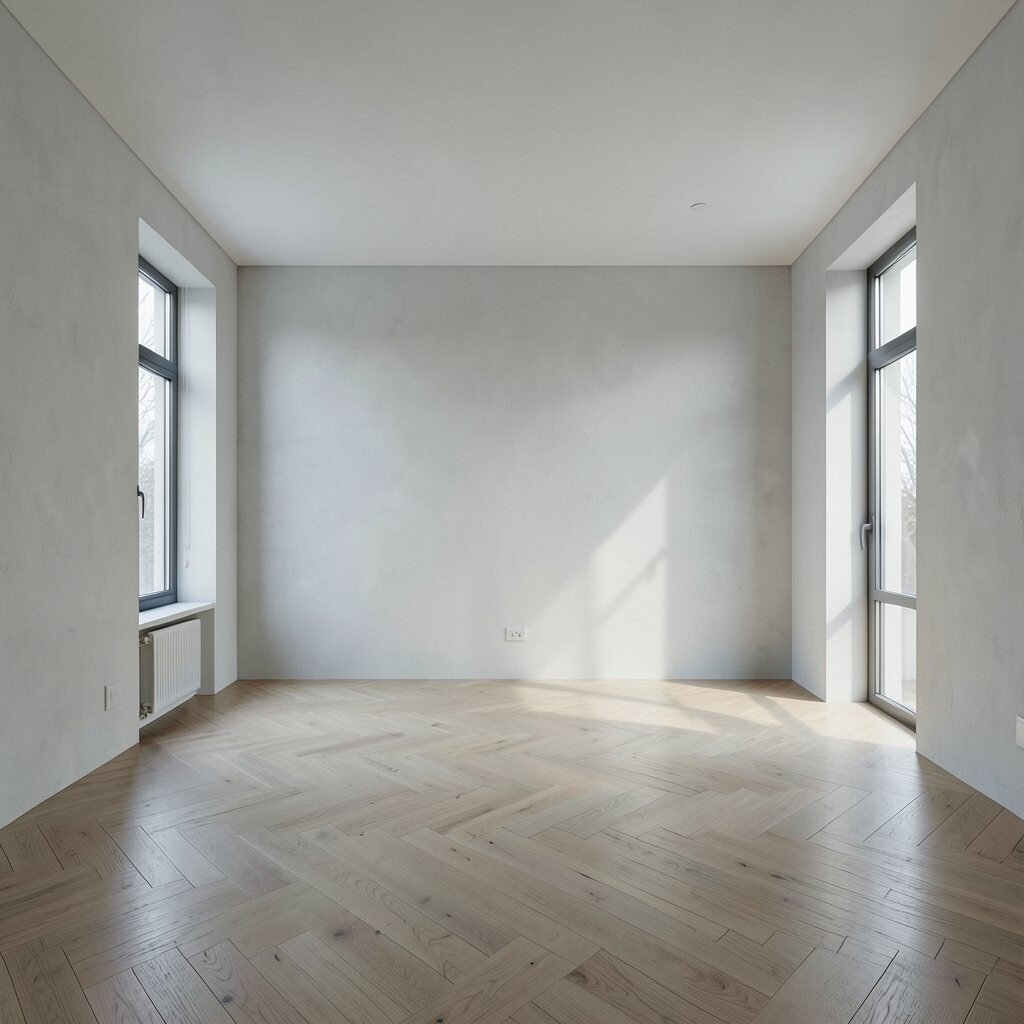
“Impossible Perspective” Rooms Draw a room that does not follow normal rules. Make walls bend, floors float, and doorways lead somewhere weird.
Start with a simple rectangle space and then twist the perspective lines. Keep one light source in place so the room feels believable. Add small objects to anchor the scale, like a chair or a mug.
To stay unique, design the room around a theme like “ocean library” or “cloud kitchen.” This boosts spatial thinking and makes viewers lean closer to understand the scene. It can be free or cheap since pencil, paper, and a ruler are enough.
-
11. Tiny Comic With Big Feelings

Tiny Comic With Big Feelings Create a mini comic strip that focuses on one strong emotion. It can be funny, sweet, or dramatic.
Use simple panels and clear visual cues. Show the emotion using body lines, facial hints, or exaggerated motion. Keep the text short or even skip it and rely on visual storytelling.
Personalize by giving your main character a signature item, like a scarf or a notebook. This helps your series feel like yours. For cost considerations, you can make it with one pen and a small stack of paper. Also, “micro storytelling” is popular online, which means this format is easy to share.
-
12. Repeating Pattern With a Secret Change
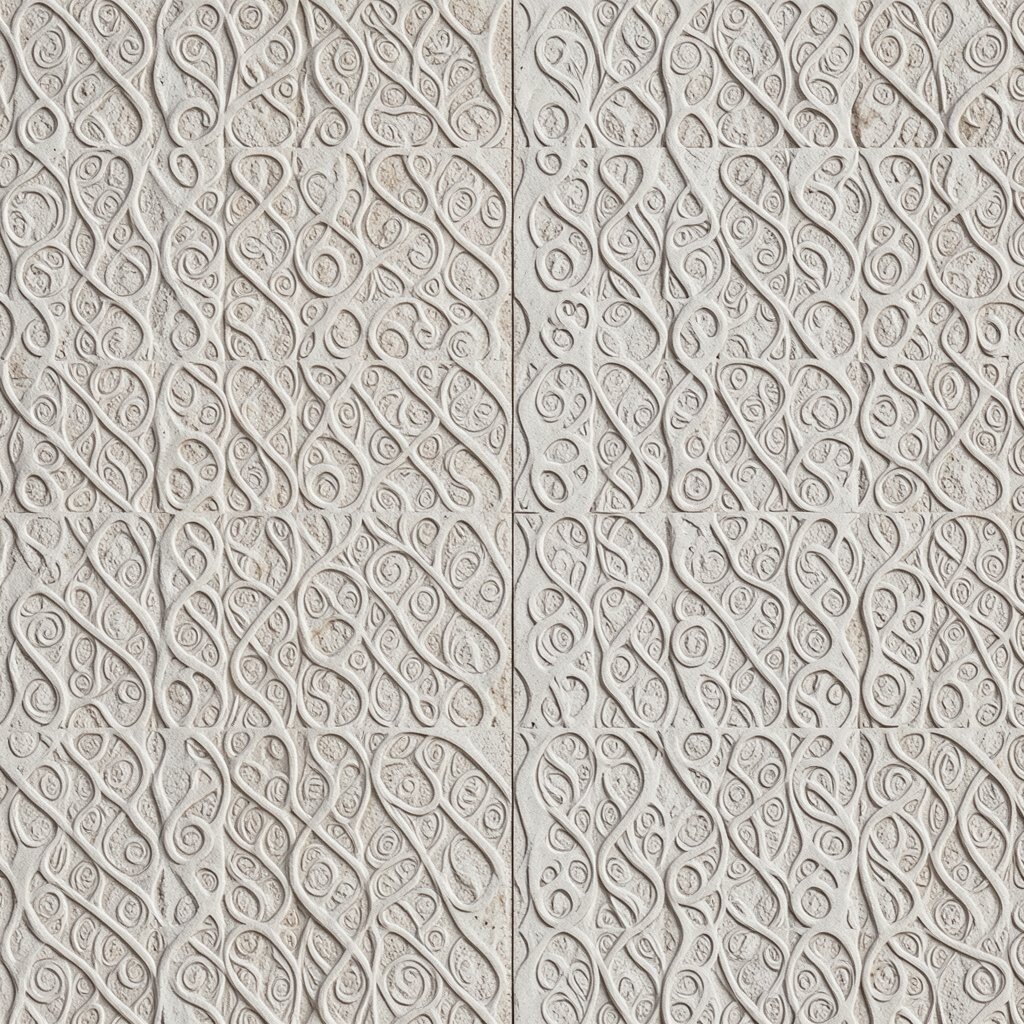
Repeating Pattern With a Secret Change Make a repeating pattern that feels soothing. Then hide a secret change inside it.
Draw the same motif again and again, like a leaf, star, or swirl. After a few repeats, change just one detail, like flipping one shape or changing its direction. Your audience will enjoy spotting the difference.
Uniqueness comes from how you choose the secret change. It can be a tiny smile, a color swap, or a symbol that only you notice. This technique is great for calm focus and can be done with budget tools like a pencil and marker.
For a current trend, try “ornamental” patterns with clean symmetry, similar to modern poster art. If you go digital, you can also use layers to quickly test variations.
-
13. Art With Real-Time Sounds
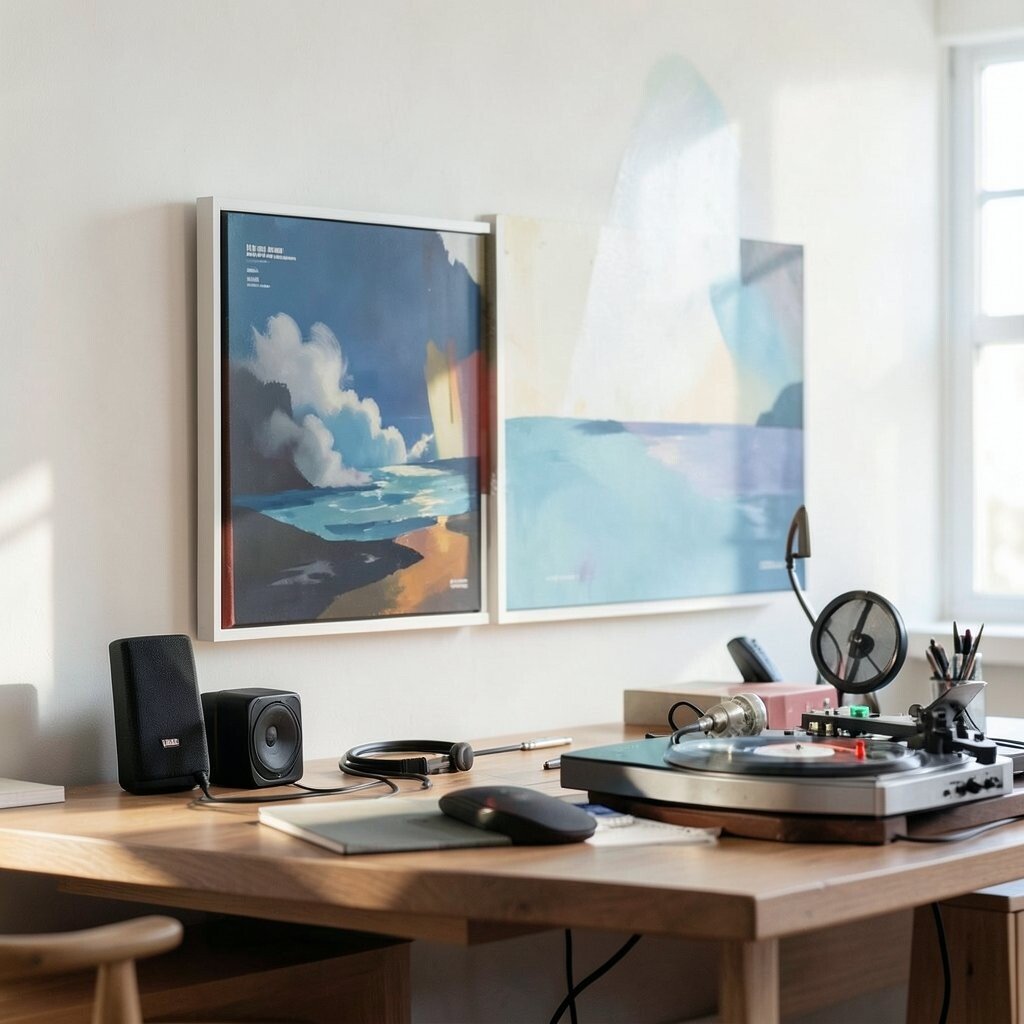
Art With Real-Time Sounds Draw while listening to a specific sound, like rain, a train, or a favorite song. Let the sound guide your line, shape, and speed.
Start with slow notes, then switch up your marks when the music gets louder. If the sound has pauses, leave blank space like it is breathing. Try doing one short piece per audio track so you stay playful.
To personalize, connect each sound to a memory, like “kitchen music during holidays.” This helps your art feel meaningful, not just decorative. It is almost free: headphones, paper, and a simple tool are enough.
-
14. Weathered Still-Life
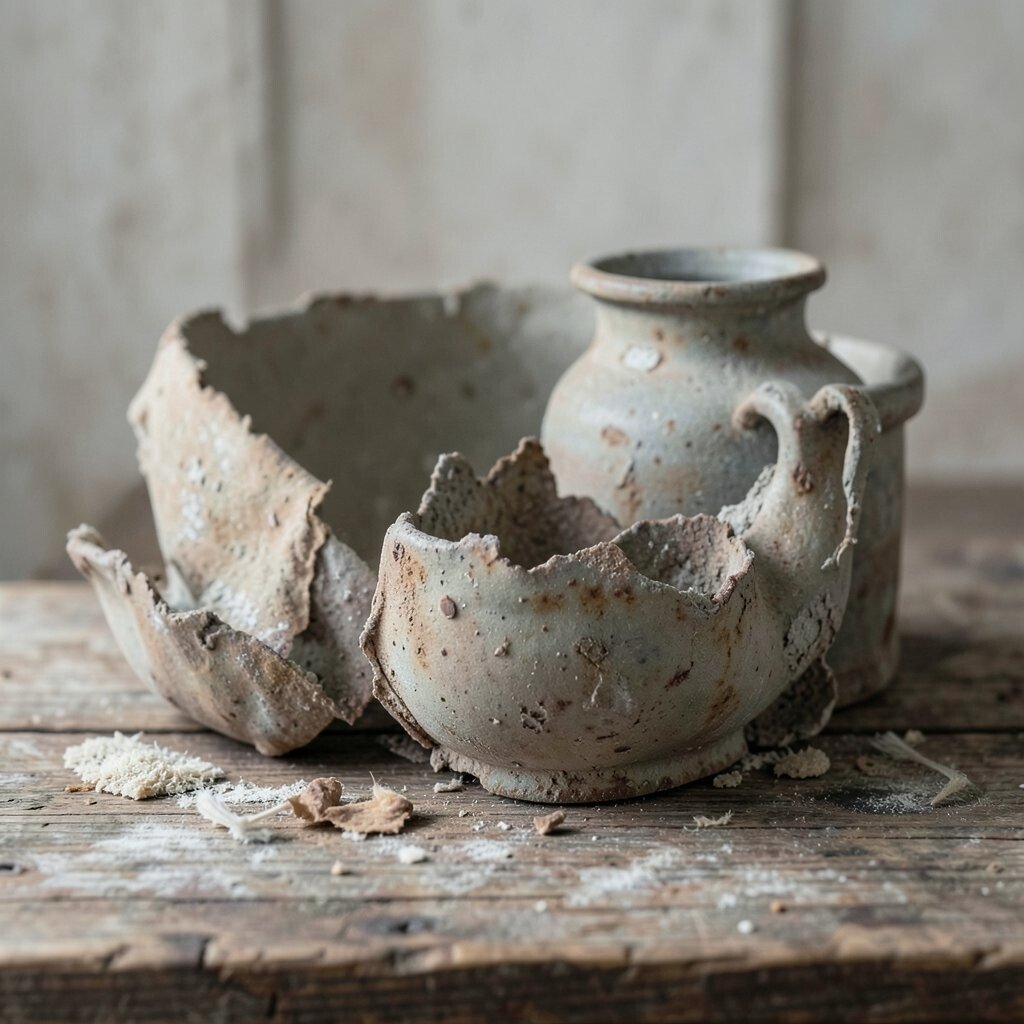
Weathered Still-Life Choose objects and “age” them in your drawing. Make them look like they have lived through years.
Study cracks, dust, peeling paint, and worn edges. Use softer shading to show faded areas and sharper lines to show recent damage. Add tiny imperfections, like smudges or bent corners.
Uniqueness can come from inventing a backstory, like a mug that survived a move across town. This builds observational skill and makes your work look story-rich. Cost is low because you can use objects you already have at home.
If you want a trend angle, many artists are leaning into “nostalgic” and “analog” looks, which fit weathered still-life perfectly.
-
15. Community Memory Board

Community Memory Board Make an art board that shares small memories with others. It can be a wall piece, a scrapbook page, or a digital collage.
Ask friends or family for one tiny item or one short sentence. Then combine them into a single theme, like “spring kindness” or “our favorite sounds.” Even small contributions make the final piece feel bigger.
To personalize, add one “signature element” that appears in every person’s part, such as a certain doodle border. This helps your board feel connected and cohesive. Cost can be kept low with paper, tape, and simple printer-friendly layouts.
-
16. Future Self Plans In Symbols
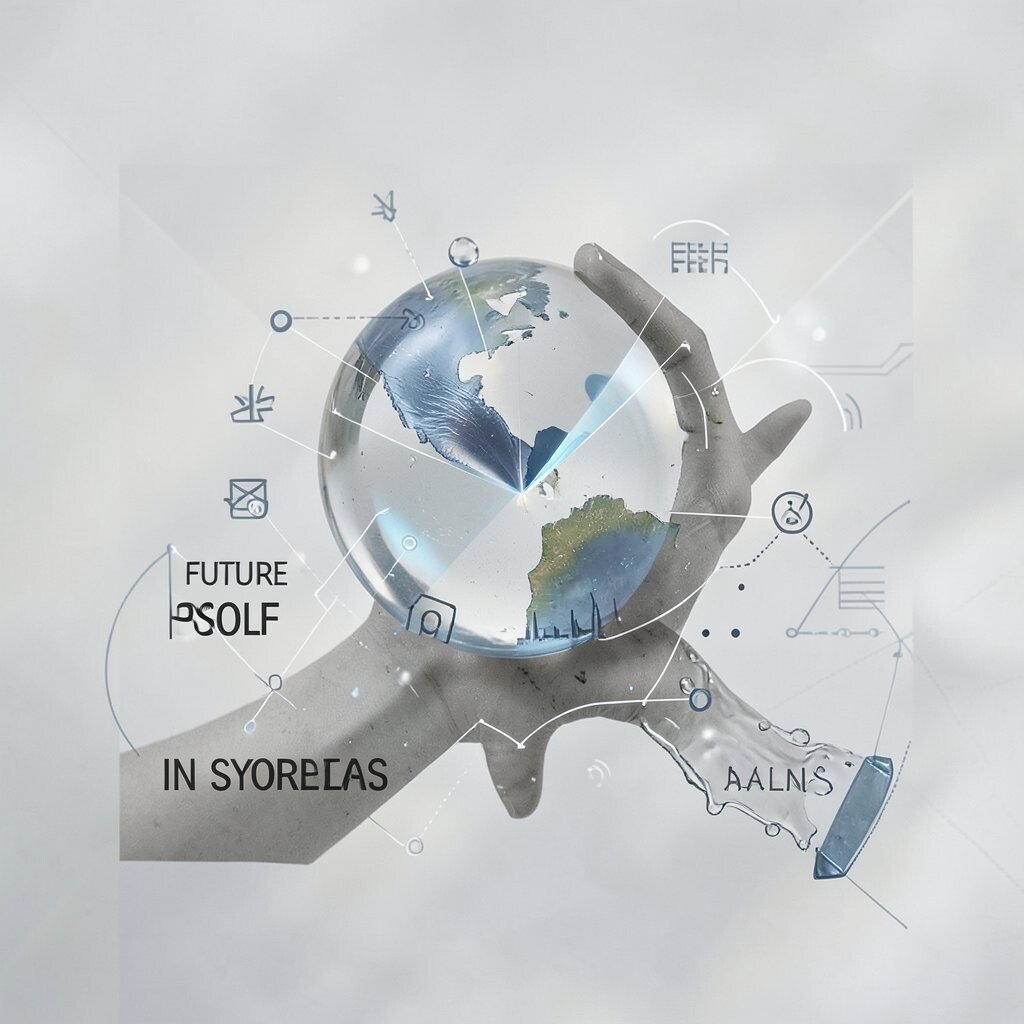
Future Self Plans In Symbols Draw your future self as a set of symbols, not a realistic portrait. Use icons to represent goals, habits, and strengths.
Choose a few categories, like “focus,” “joy,” “health,” and “courage.” Assign each category a symbol you love, such as a lantern for clarity or a sprout for growth. Then place the symbols around a central shape that stands for your life direction.
For uniqueness, turn each symbol into a mini scene with a background pattern. This makes your plan feel like art, not homework. The benefit is motivation: you can look at it when you need a gentle push.
Keep costs in mind by using simple supplies, or make a digital version if that is easier for you. Current trends often blend “vision boards” with illustration, so this idea fits right into today’s creative mood.