
Open concept spaces can feel like a deep breath for your home. The right makeover makes daily life smoother and prettier at the same time.
If you plan it well, your “before” layout can turn into a “after” that feels bright, friendly, and all yours.
-
1Paint Walls in One Soft Color Story
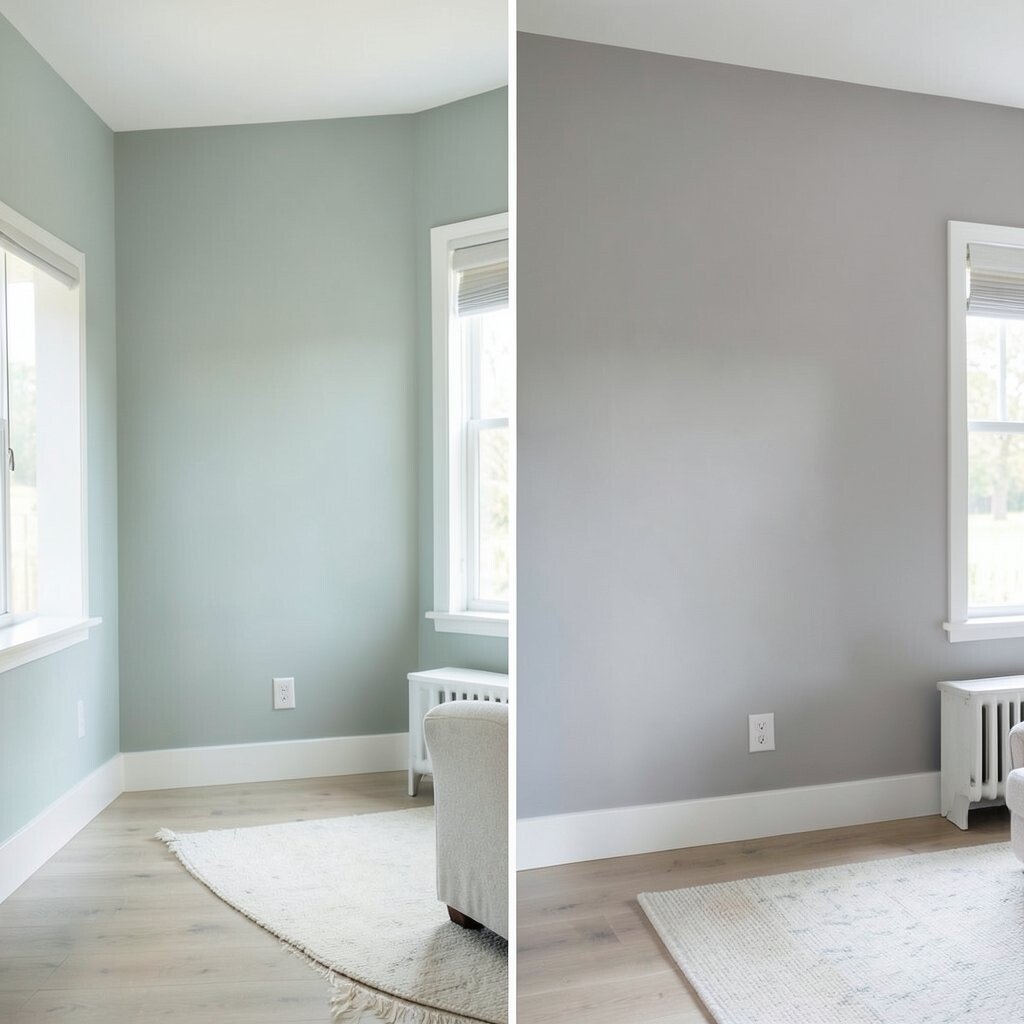
Paint Walls in One Soft Color Story Before, the rooms can feel split up by different paint tones that stop your eyes. After, a single soft color story makes the space feel calm and connected.
Pick a warm white, creamy greige, or light oat color and carry it through living, dining, and hall areas. This helps people move through the home without hitting visual “walls.”
To make it unique, vary the sheen instead of the color, like matte on most walls and a gentle eggshell on trim. Tip: test samples on different wall sides so daylight changes don’t surprise you.
Cost stays friendly because paint and supplies are usually cheaper than building changes. A popular current trend is using soft warm neutrals that look good in both morning and evening light.
-
2Swap a Dark Ceiling Light for Layered Lighting

Swap a Dark Ceiling Light for Layered Lighting Before, a single harsh overhead light can make everything look flat. After, layered lighting gives each zone its own warm glow.
Use a ceiling fixture in the center plus a floor lamp near the sofa and a table lamp by seating. Add dimmers if you can, so movie nights feel cozy and dinner feels special.
For uniqueness, choose light fixtures with interesting shapes, like ribbed glass shades or simple black metal with soft curves. Personalize by matching bulb color temperature to your vibe, such as warm bulbs for relaxation and slightly brighter bulbs for kitchens.
Tip: Aim for three layers: ambient (main light), task (reading or cooking), and accent (art or shelves).
-
3Use a Large Rug to “Tie” Living and Dining Together

Use a Large Rug to “Tie” Living and Dining Together Before, separate floors and mismatched patterns can make the open space feel like it has missing puzzle pieces. After, one larger rug creates a clear shared gathering area.
Choose a rug big enough that front legs of furniture sit on it. That simple choice makes the room look designed, not accidental.
Make it unique with texture—like a low pile for easy cleaning or a woven pattern that hides everyday life. Personalize by pulling color from curtains, throw pillows, or the dining chairs so everything looks like it belongs.
For practical benefits, rugs soften sound and reduce echo, which is a big open concept win. Cost considerations: measure carefully and plan for rug pads, since they help comfort and keep the rug from sliding.
Right now, many homes are leaning into natural fiber looks and gentle geometric patterns that still feel modern.
-
4Build a Breakfast Bar Without Full-Scale Remodeling
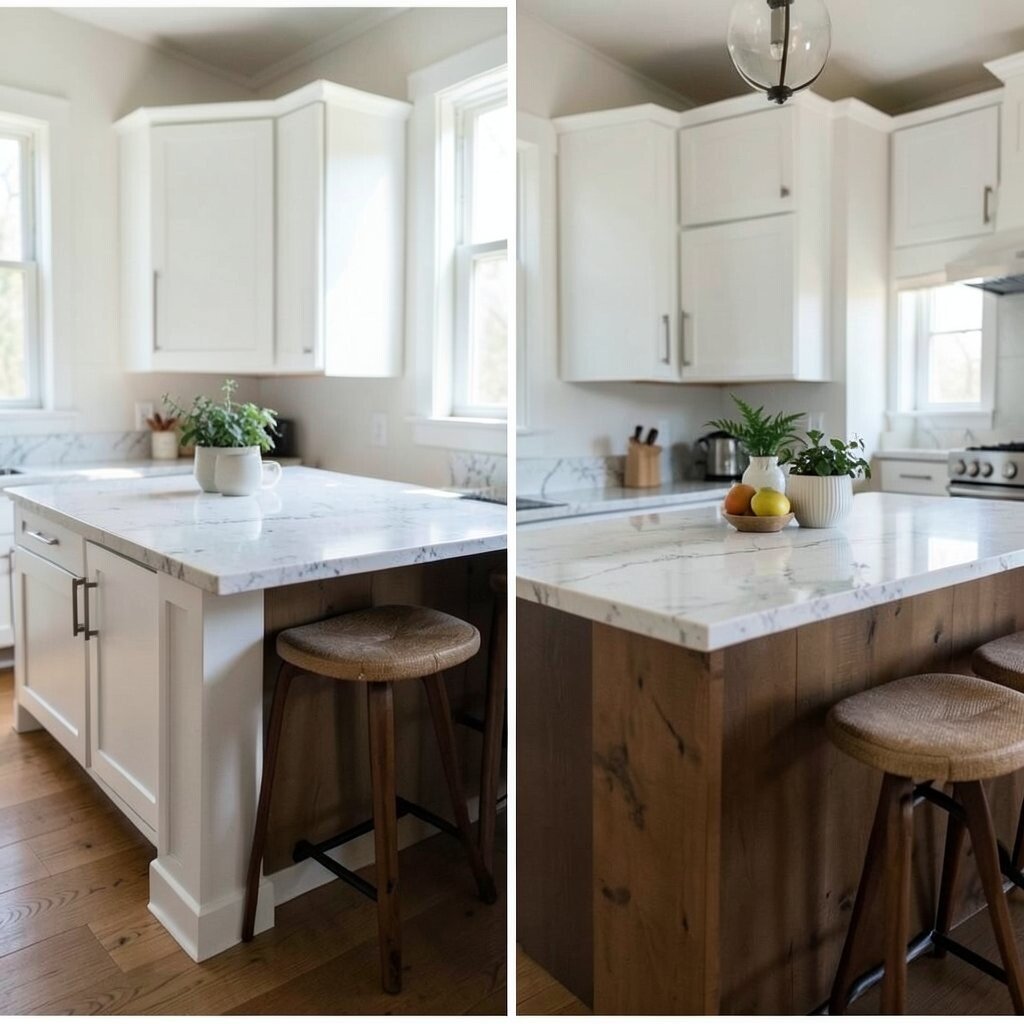
Build a Breakfast Bar Without Full-Scale Remodeling Before, a kitchen can feel busy because everything looks like it happens in one line. After, a breakfast bar adds a relaxed spot to chat while meals are cooking.
Even if you keep the layout, you can extend a counter with seating stools and a small overhang. Choose materials that match your cabinets or add contrast, like light wood against painted cabinetry.
For personalization, add a slim shelf underneath for baskets or cookbooks. Tips: plan for comfortable stool height and leave enough walkway space so traffic stays smooth.
-
5Rearrange Furniture to Create Clear Zones

Rearrange Furniture to Create Clear Zones Before, furniture often sits like it belongs to separate rooms, even when the walls are gone. After, zoning helps the space work for conversations, TV time, and dining.
Try floating your sofa slightly toward the center or angling chairs toward a focal point like a fireplace or coffee table. Use a console or media cabinet to anchor the living zone when you want a clean look.
This idea is unique because it changes the “feel” without tearing anything out. Personalize by measuring your walking paths and using repeat shapes—like matching side tables or a pair of lamps.
Cost is often low since you mainly move items and maybe add a couple of accessories. A common trend is curvy, casual seating plans that feel inviting instead of stiff.
-
6Add Glass-Front Cabinets for a Light, Airy Kitchen Feel
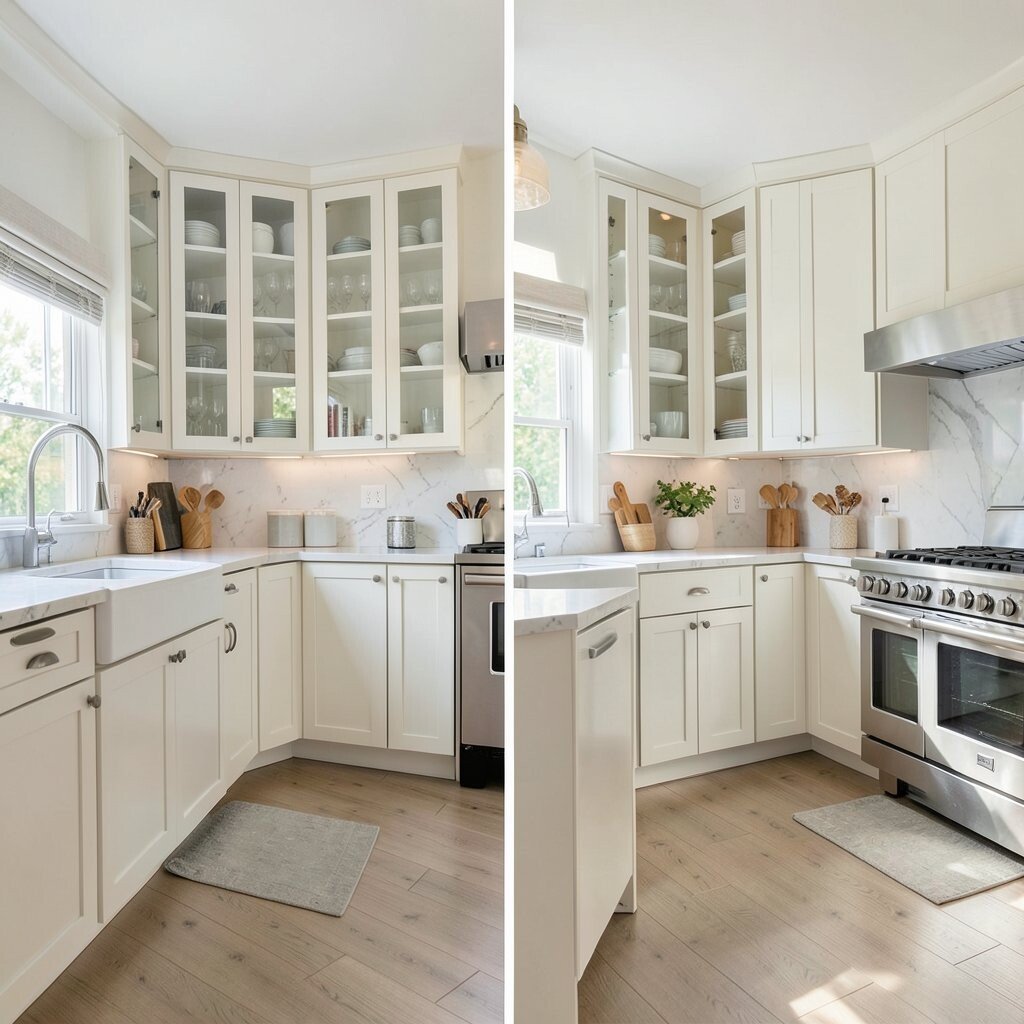
Add Glass-Front Cabinets for a Light, Airy Kitchen Feel Before, a heavy kitchen can hide what’s inside and make counters feel crowded. After, glass-front cabinetry shows beautiful dishes and makes the room feel lighter.
Swap a few upper doors for glass, or replace cabinet fronts in only one set to control cost. Use clean shelving and keep items styled so it always looks neat.
For benefits, you get easy “visual organization” and fewer days of searching. Uniqueness comes from styling—think matching mugs, stacked plates by color, or a small tray for oils and salt.
Personalize with a tint that fits your taste, like clear for classic clarity or lightly frosted for privacy. Budget tip: start with the cabinets you can see from the living area first.
-
7Install an Accent Wall Using Wallpaper or a Textured Panel

Install an Accent Wall Using Wallpaper or a Textured Panel Before, the open space can feel plain because everything blends together. After, a single accent wall adds personality without closing the room.
Choose removable wallpaper for a renter-friendly option or a textured panel for a more dramatic look. Keep it to one wall near the dining area or behind the sofa to avoid visual overload.
Make it unique with a pattern that repeats softly, like subtle botanical lines or gentle stripes. Personalize by matching your accent wall colors to artwork so the whole area feels intentional.
Cost considerations vary, but starting small usually helps you stay within budget. Current trends lean into warm botanical prints and earthy textures that feel cozy and modern.
-
8Create a Storage Wall for a Cleaner, Calmer Look

Create a Storage Wall for a Cleaner, Calmer Look Before, open concept layouts can show clutter from every angle, which makes the space feel stressful. After, a storage wall hides everyday items and lets your rooms breathe.
Use a long cabinet, open-and-closed shelving, or a media unit that sits between living and dining. Add doors for bulky items and open shelves for curated decor like books and framed photos.
-
9Upgrade Hardware for a Quick “After” Glow-Up

Upgrade Hardware for a Quick “After” Glow-Up Before, knobs and pulls can look worn or outdated, even if your cabinets are fine. After, fresh hardware brings a crisp, updated vibe in a short time.
Swap to brushed nickel, matte black, brass tone, or even ceramic pulls depending on your style. Match hardware across kitchen and bathrooms for a “whole home” feel.
Uniqueness comes from details like curved bar pulls or small cup handles that fit your design theme. Personalize by selecting finishes that match your lighting hardware and faucet.
This is one of the simplest cost wins because it doesn’t require major labor. A current trend is mixing warm metals carefully, like brass accents with black details.
-
10Hang Curtains Higher and Let Them Flow
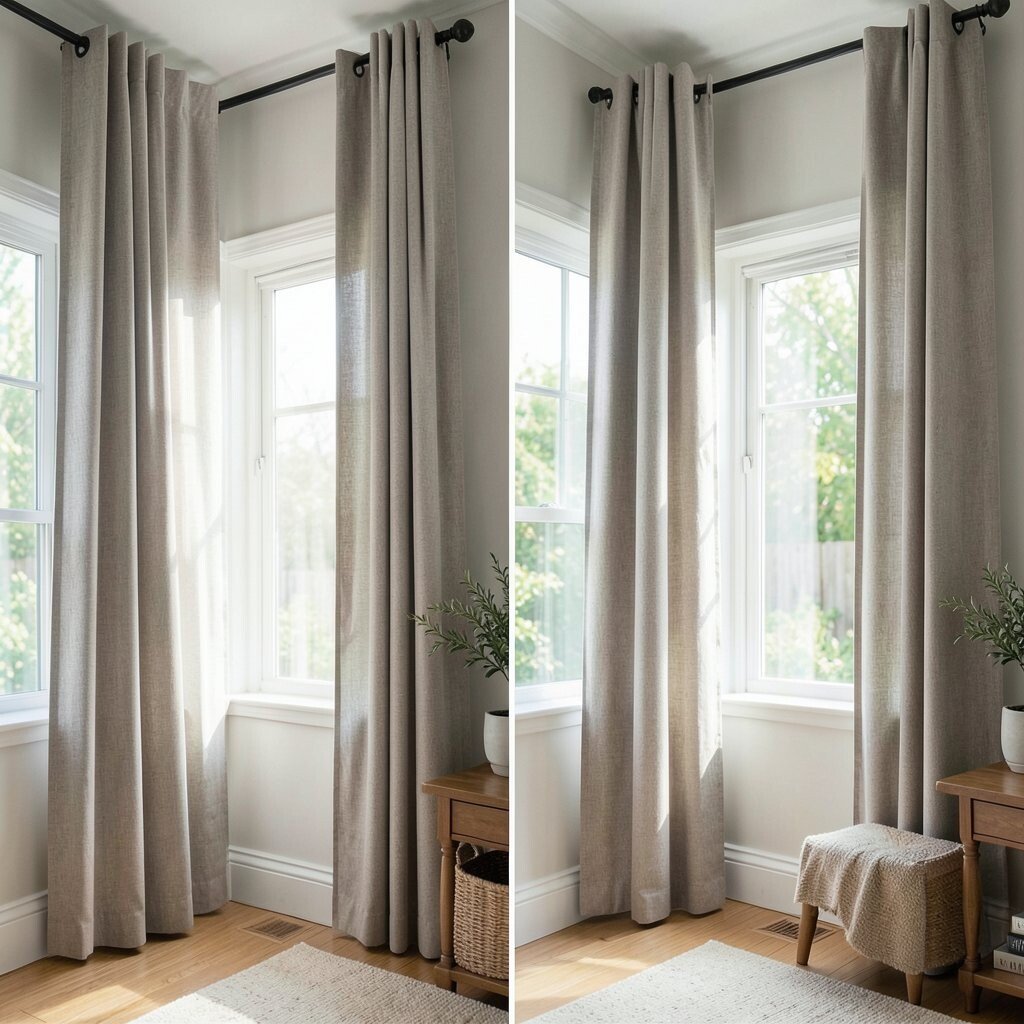
Hang Curtains Higher and Let Them Flow Before, curtains sit too low and can make ceilings look shorter. After, hanging curtains higher creates a taller, more elegant frame around your windows.
Mount the rod near the top of the window trim or even closer to the ceiling. Choose longer curtains that skim the floor, and use a fabric that drapes, like cotton blends or light linen.
For benefits, curtains add privacy and help soften sounds. To make it unique, pick a pattern with gentle movement, such as subtle checks or soft stripes.
Personalize by tying curtain color to your rug or artwork, so everything looks connected. Cost considerations: ready-made curtains are budget-friendly, but custom lengths can be pricier.
-
11Choose Matching Counter Stools and a Small Side Table Set

Choose Matching Counter Stools and a Small Side Table Set Before, different chair styles can make the open concept feel messy. After, matching stools and a small side table set make the space look pulled together.
Pick one style for stools and keep the finishes consistent, like wood and black metal. Add a compact side table near seating so people naturally gather there.
Uniqueness can come from comfort details—like cushioned seats or slightly rounded backs. Personalize with a tray that holds coasters and a small plant, so it looks welcoming daily.
Cost considerations are flexible because you can start with just stools and add the tables later. Current trends often favor warm wood tones and simple shapes that look good in photos and in real life.
Tip: keep seat heights comfortable for dining and quick chats while cooking.
-
12Reface a Fireplace or Add a Simple Mantel Styling
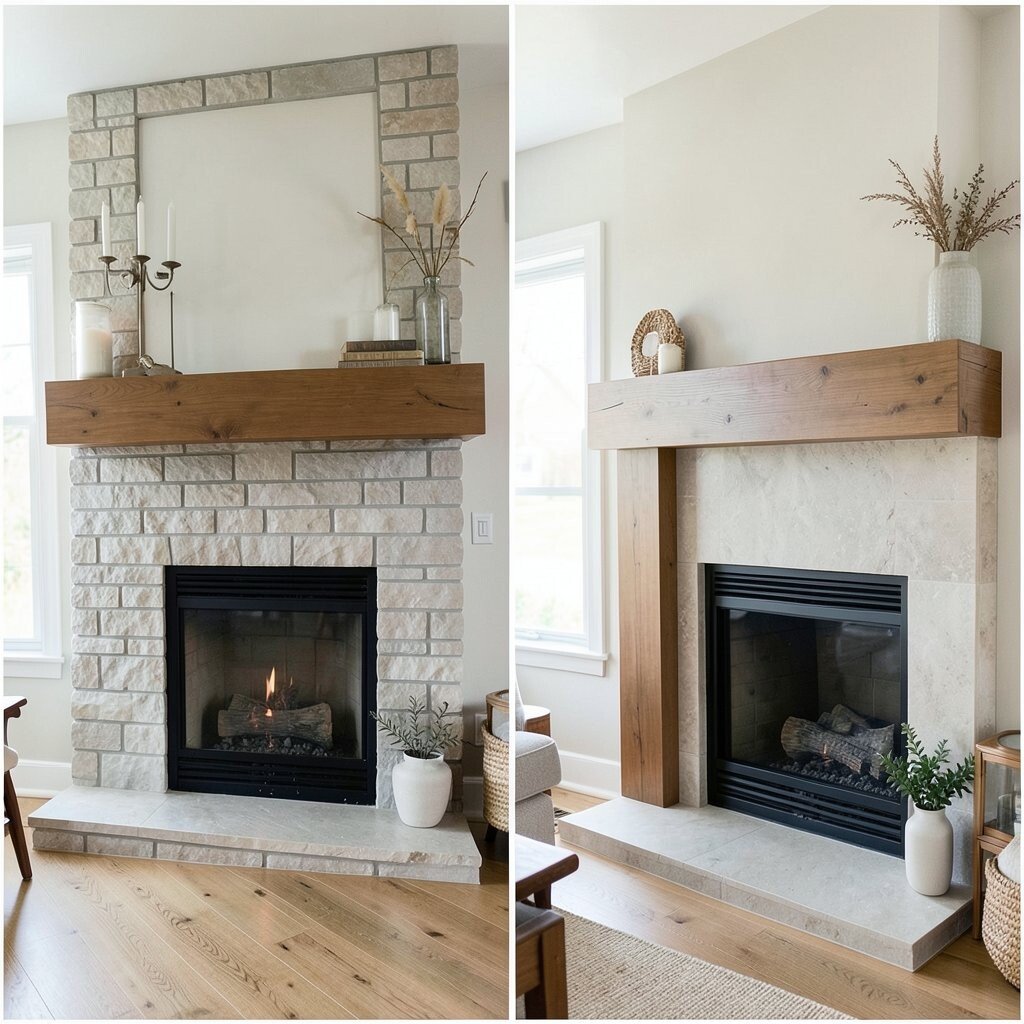
Reface a Fireplace or Add a Simple Mantel Styling Before, a fireplace can feel like a forgotten corner in the open space. After, it becomes a warm focal point that draws people in.
You can refinish the surround, change the color, or add a mantel board for styling. Use a mix of framed art, candle holders, and a seasonal garland to keep it fresh.
For benefits, a styled fireplace adds warmth and makes the living area feel special. Uniqueness comes from your styling choices—try modern lines with neutral decor, or go cozy with chunky wood pieces.
Personalize with items that matter to you, like travel photos in uniform frames or a handmade pottery set. Cost considerations: paint and a mantel sign can be affordable, while stone or tile upgrades cost more.
-
13Swap to Cohesive Wall Art Sizes and Spacing

Swap to Cohesive Wall Art Sizes and Spacing Before, scattered wall decor can make an open layout feel chaotic. After, a coordinated art plan gives your space a calm, polished rhythm.
Choose a theme—family photos in matching frames, botanical prints, or abstract art with shared colors. Then create a gallery wall with consistent spacing or use one large statement piece.
Uniqueness comes from the subject matter, not just the frames. Personalize by blending textures, like pairing a fabric wall hanging with printed art and a small mirror.
Cost considerations: prints can be budget-friendly, and you can switch frames over time. Current trends include oversized art and earthy color palettes with plenty of negative space.
-
14Install a Ceiling Beam Look or Wood Accent
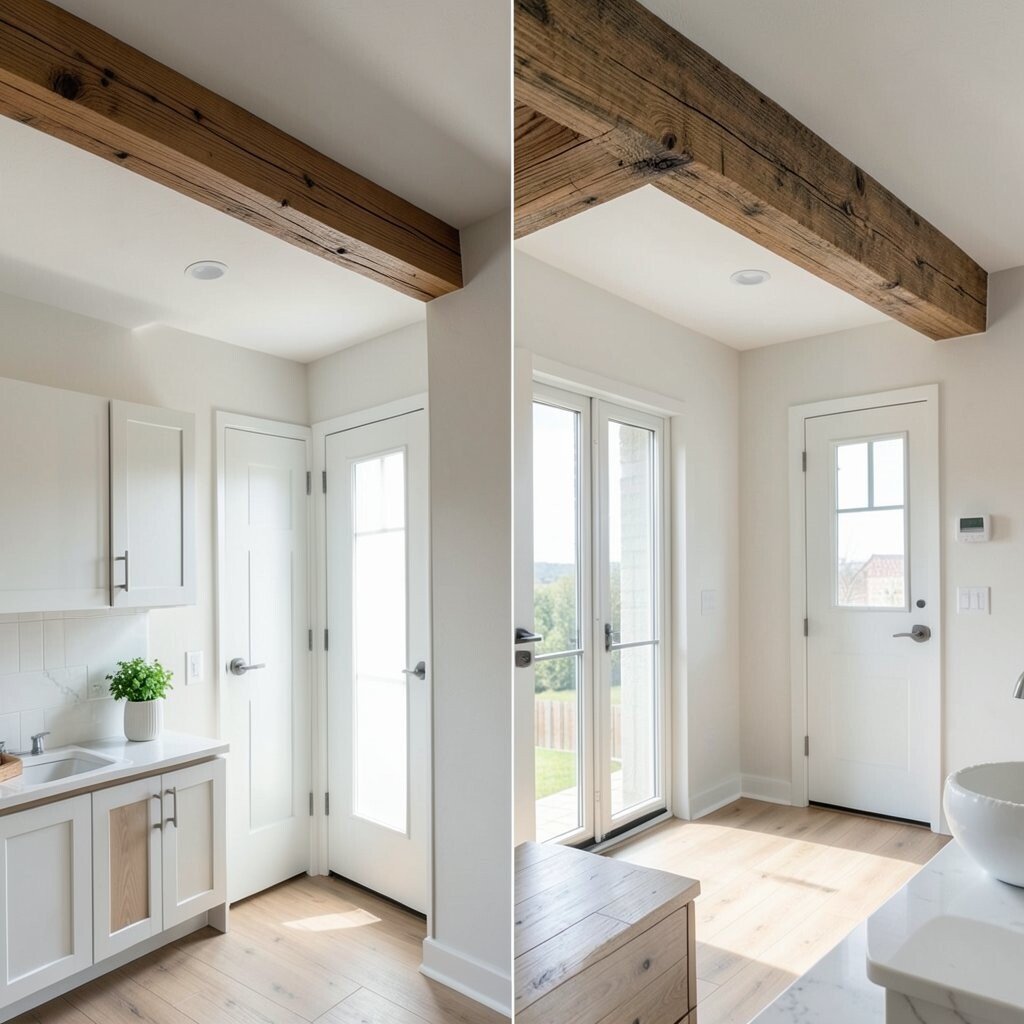
Install a Ceiling Beam Look or Wood Accent Before, an open ceiling can feel plain or too tall in a way that feels cold. After, wood accents bring warmth and a cozy “hug” effect.
You can add faux beams, install a wood ceiling panel feature, or bring in a slatted accent section. Keep it near the living zone so it anchors the room visually.
For benefits, a ceiling feature can make the space feel more balanced and less echo-y. Uniqueness comes from spacing and layout—try parallel lines for a modern feel or clustered slats for a craftsman vibe.
Personalize with matching wood tones in furniture legs, picture frames, or cutting boards. Cost considerations: simpler DIY-friendly systems can lower the price, while full installation can cost more.
-
15Use a Statement Pendant Over the Dining Area
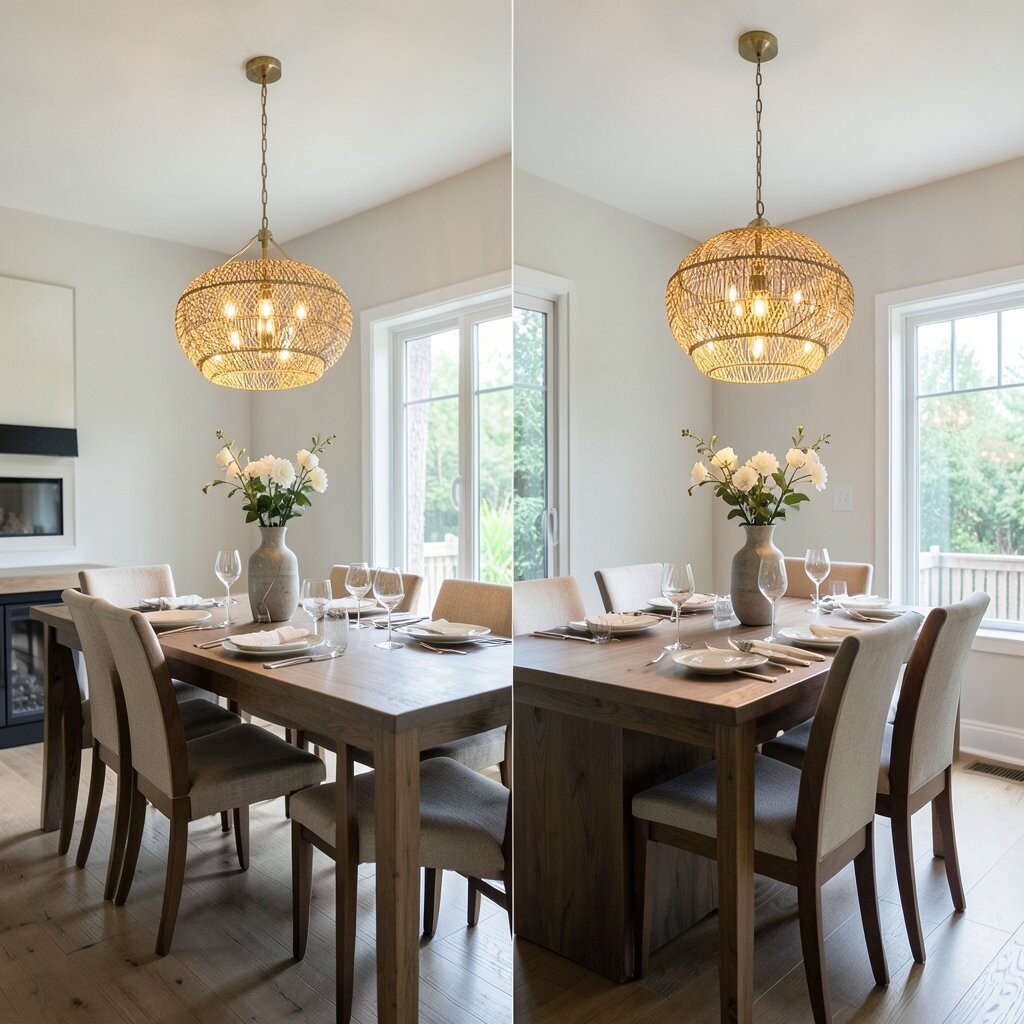
Use a Statement Pendant Over the Dining Area Before, dining spaces often rely on the same lights as the rest of the room. After, a statement pendant creates a clear “dining moment.”
Choose a pendant with a strong shape—like a dome, globe, or drum—and hang it at the right height for comfort. Keep the chain or cord tidy so it looks intentional.
Make it unique by matching the pendant style to your personality, from rustic clay to sleek metal. Personalize with dimming so dinner lighting feels soft and flattering.
Cost considerations: you can replace just the fixture and use your existing wiring if it’s compatible. Current trends often favor warm metals and glass shades that glow nicely at night.
-
16Design a Dining Table Centerpiece That Also Stores

Design a Dining Table Centerpiece That Also Stores Before, the table surface can become the catch-all for mail, keys, and random items. After, a centerpiece that also stores keeps the area neat and stylish.
Try a long tray with small bowls for remotes and chargers, or a tiered stand for fruit and decorative pieces. Add a subtle organizer under the tray if you want hidden storage.
This idea is unique because it turns a daily annoyance into a design feature. Personalize by changing the decor seasonally—fresh greens in the spring, warm candles in winter.
Benefits include fewer visible messes and easier routines for everyone. Cost is usually reasonable because you can start with one tray or stand, then build from there.
-
17Create a Reading Nook in the Open Space
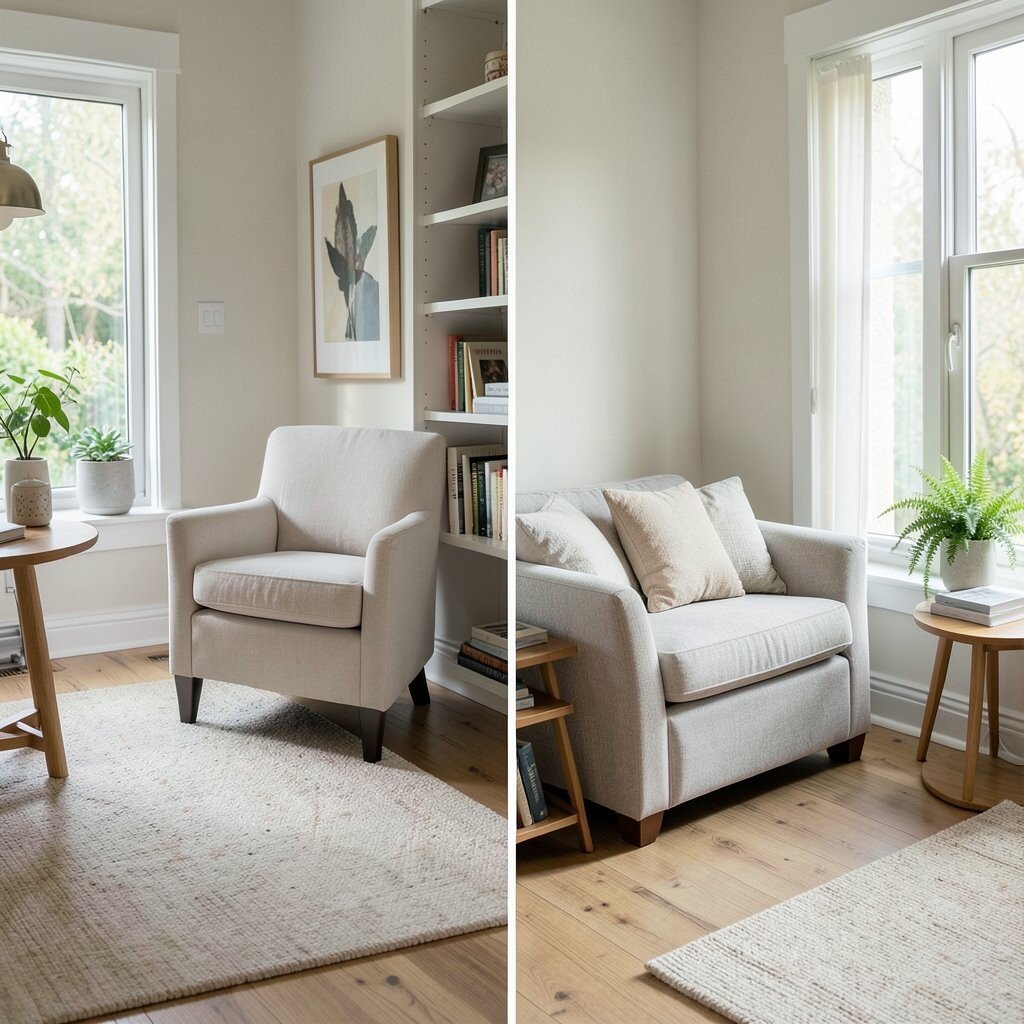
Create a Reading Nook in the Open Space Before, open concept living can feel like there’s nowhere to pause. After, a reading nook gives your home a quiet corner that people naturally use.
Set up a comfy chair near a window, add a small side table, and place a soft throw and a warm lamp. Use a rug under the chair so it feels like its own mini world.
For uniqueness, add a book ladder, a floor lamp with a sculptural shade, or a small wall shelf for favorites. Personalize with a custom pillow cover color or a throw that matches your rug.
-
18Switch to Open Shelving with a “Curated Only” Rule

Switch to Open Shelving with a “Curated Only” Rule Before, kitchen walls can feel closed in by cabinets or empty by lack of display. After, open shelving adds character and keeps everyday items within easy reach.
Use floating shelves and follow a curated-only rule: display what you use often or what looks beautiful together. Keep a consistent color group, like white dishes, wood cutting boards, or matching glass jars.
Uniqueness is easy here because you can style around your life, like a coffee station with matching mugs. Personalize by labeling a few jars with simple tags or adding a small menu board for inspiration.
Benefits include faster cooking routines and a warmer, lived-in feeling. Cost considerations: shelves and brackets are usually cheaper than full cabinet replacements, and you control how much to install.
-
19Make a Lighting “Bridge” Between Rooms
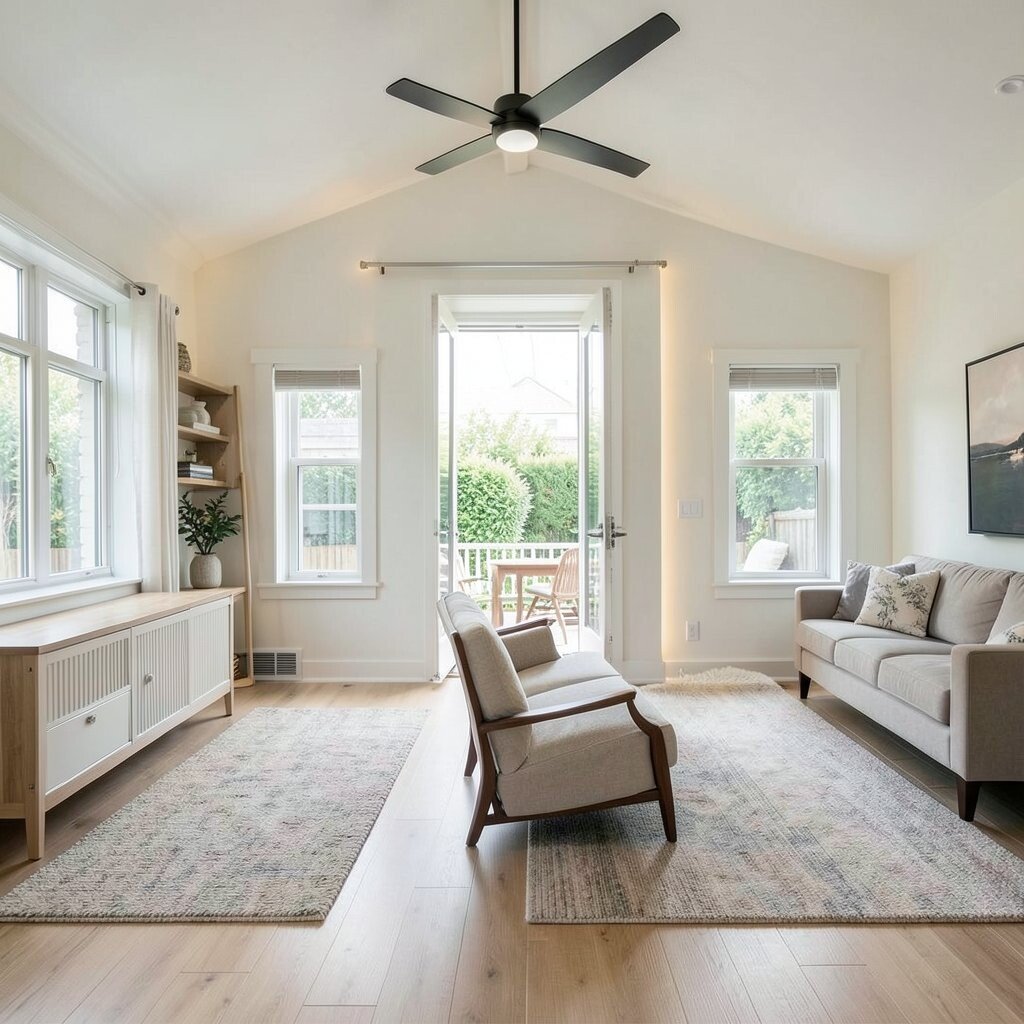
Make a Lighting “Bridge” Between Rooms Before, spaces can feel disconnected because each area has its own lighting plan. After, a lighting bridge ties them together with matching tones and shapes.
Pick repeating elements, like two lamps with similar shades and a matching pendant style. Use warm bulbs to keep the entire home from looking mismatched.
For benefits, the space feels cohesive and eyes move smoothly from kitchen to living to dining. Uniqueness comes from your selection—maybe you love sleek black fixtures, or maybe you prefer soft amber glass.
Personalize by adjusting brightness for daily tasks, like brighter light over the sink and softer light near seating. Cost considerations: you can start with one lamp swap and build slowly.
-
20Add a Room Divider That Still Keeps Sightlines

Add a Room Divider That Still Keeps Sightlines Before, open spaces can feel too exposed, especially when you want quiet during work or eating. After, a divider can create a gentle boundary without blocking light.
Choose a divider like a tall bookcase, a slatted screen, or a half-height piece with open gaps. This keeps the airy look while giving you a visual pause.
Make it unique by styling the top section with plants, art, or small storage baskets. Personalize by matching the divider color to your flooring and trim so it blends naturally.
Benefits include better organization and a more comfortable “zones” feel. Cost considerations vary, but many options are available in affordable materials, and some are easy to reposition later.
-
21Bring in Plants and Natural Texture for Instant Warmth
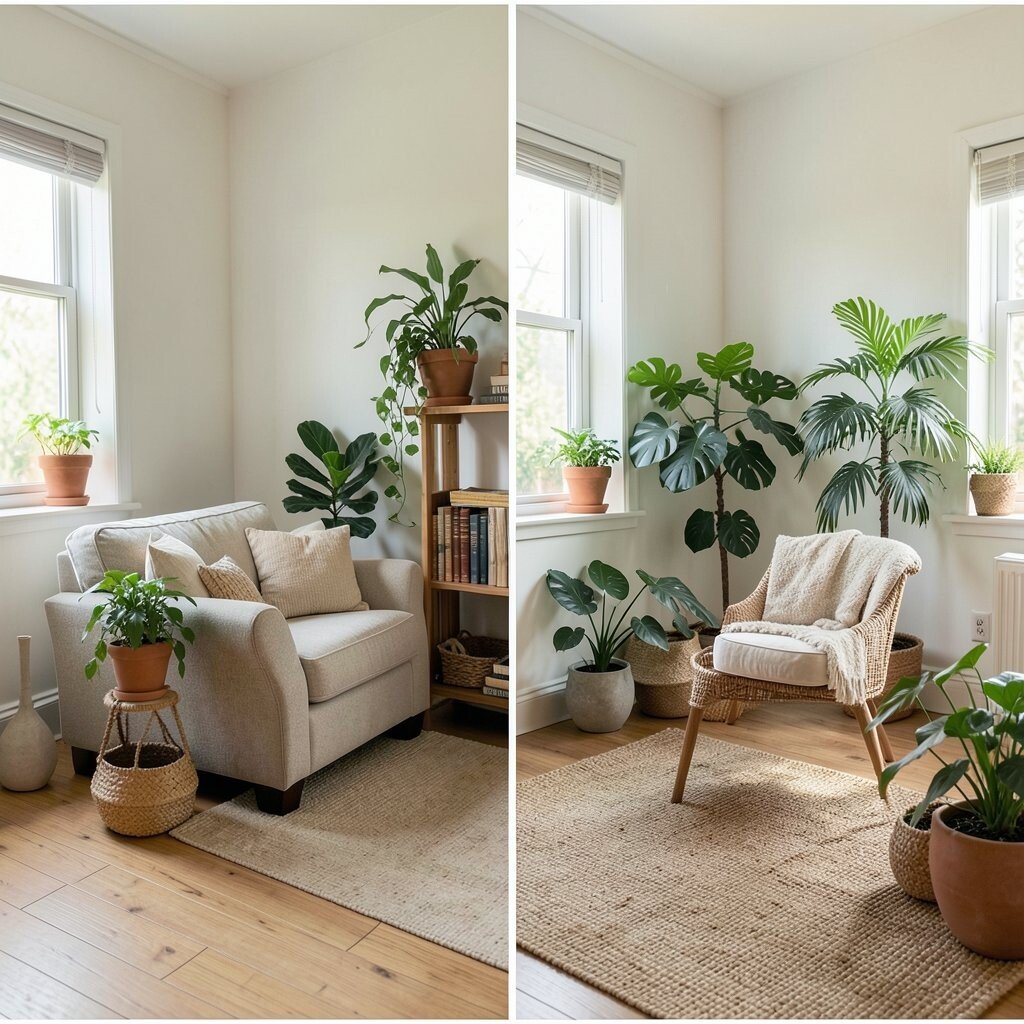
Bring in Plants and Natural Texture for Instant Warmth Before, an open concept home can feel chilly if surfaces are too smooth or too shiny. After, plants and natural textures add softness and make the space feel alive.
Place a taller plant near a corner, add a medium plant on a shelf, and finish with a small trailing plant on a side table. Use natural materials like rattan, linen, cork, or wood trays to echo the greenery.
Uniqueness comes from your plant choices, like a fiddle-leaf for drama or pothos for easy trailing. Personalize by using your favorite planters, from ceramic speckles to simple woven baskets.
Benefits are not just looks—plants can make a room feel calmer and more welcoming. Cost considerations: start with a couple of plants and grow your collection over time, since many cuttings can be shared and replanted.
Current trends love biophilic styling, where nature meets design in a simple, everyday way.