There’s something magical about handwriting recipes on a dark, velvety board. Every time you look up, your kitchen feels like it’s smiling back.
Chalkboard recipe walls turn everyday cooking into a fun, creative routine. They also help you keep your favorite meals in one clear spot.
-
1) The Classic Recipe Gallery Wall
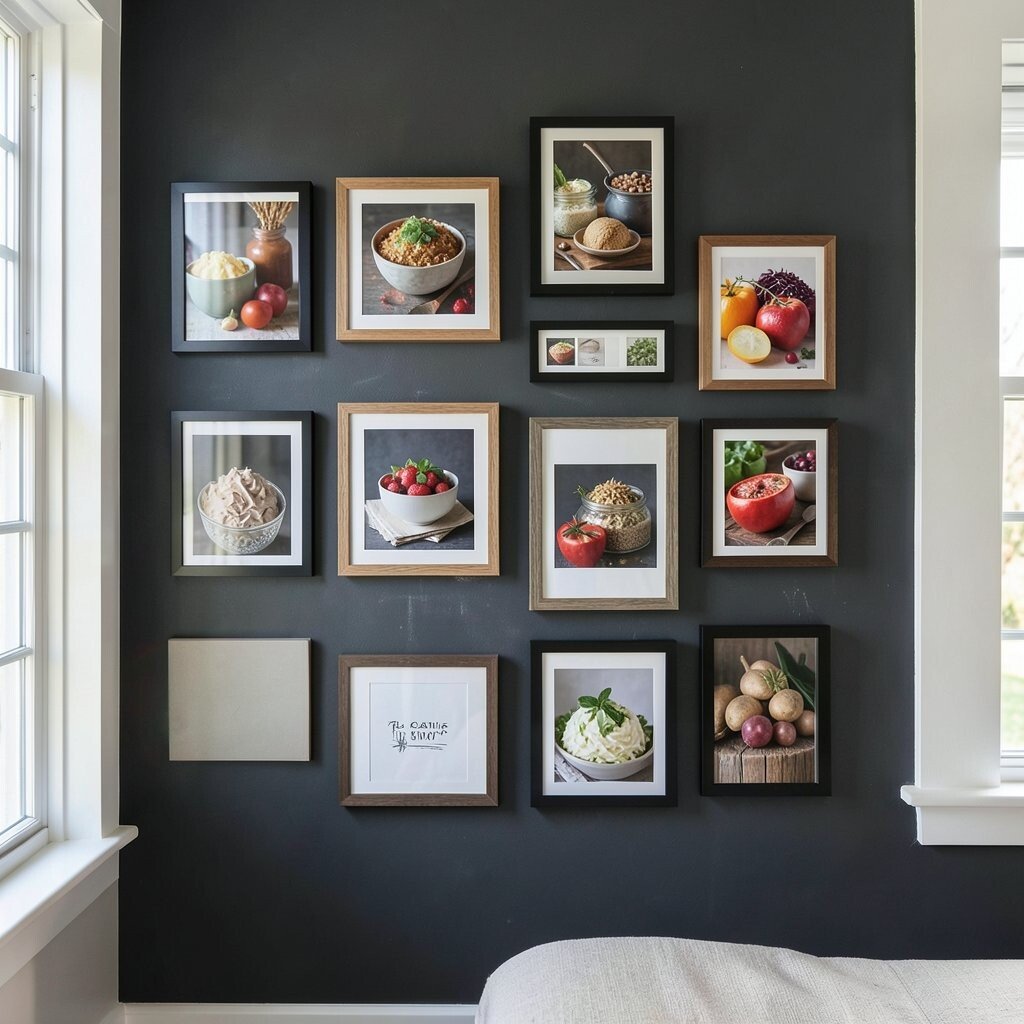
) The Classic Recipe Gallery Wall Start with a few chalkboards lined up like a gallery. Use a simple border so each card feels neat and easy to find.
Write family favorites in big, readable letters so busy hands can follow along. Add a small section for cooking times and oven temperatures to reduce stress. For personalization, give each board a theme like “Weeknights” or “Sunday Roasts.”
-
2) Chalkboard Recipe Menu With Weekly Rotations
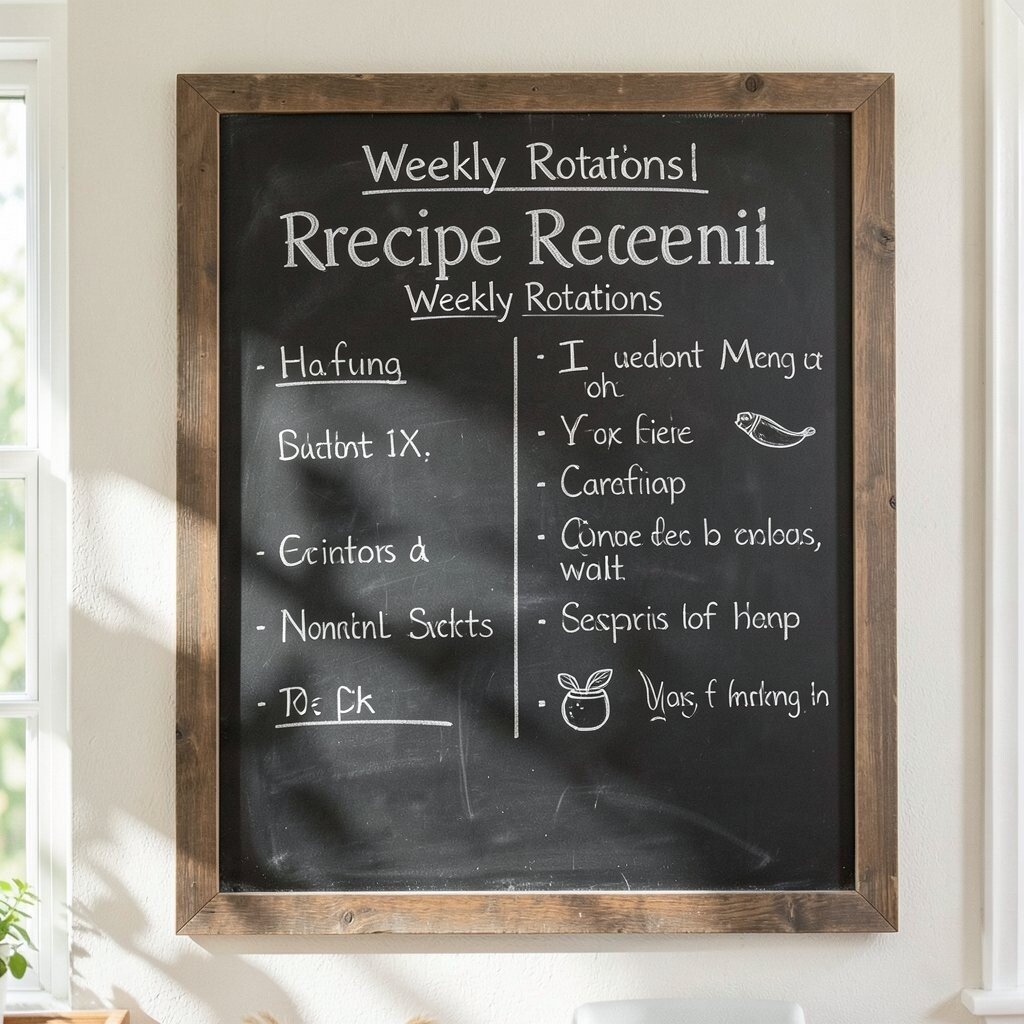
) Chalkboard Recipe Menu With Weekly Rotations Make a menu board where you list what you’ll cook this week. Use color chalk for headings like “Breakfast,” “Lunch,” and “Dinner.”
This helps you plan faster and reduces last-minute takeout. It’s also a great way to avoid repeating the same meals too often. To keep it unique, add a tiny doodle corner, like a smiling whisk or a little tomato.
For cost, you can use a single large chalkboard and smaller sticky chalk tags for quick swaps. A current trend is mixing chalk with simple magnets or clip-on cards so updates feel instant. Try writing one “surprise meal” each week to keep it exciting.
-
3) Chalkboard Behind the Stove for Instant Cooking Clarity
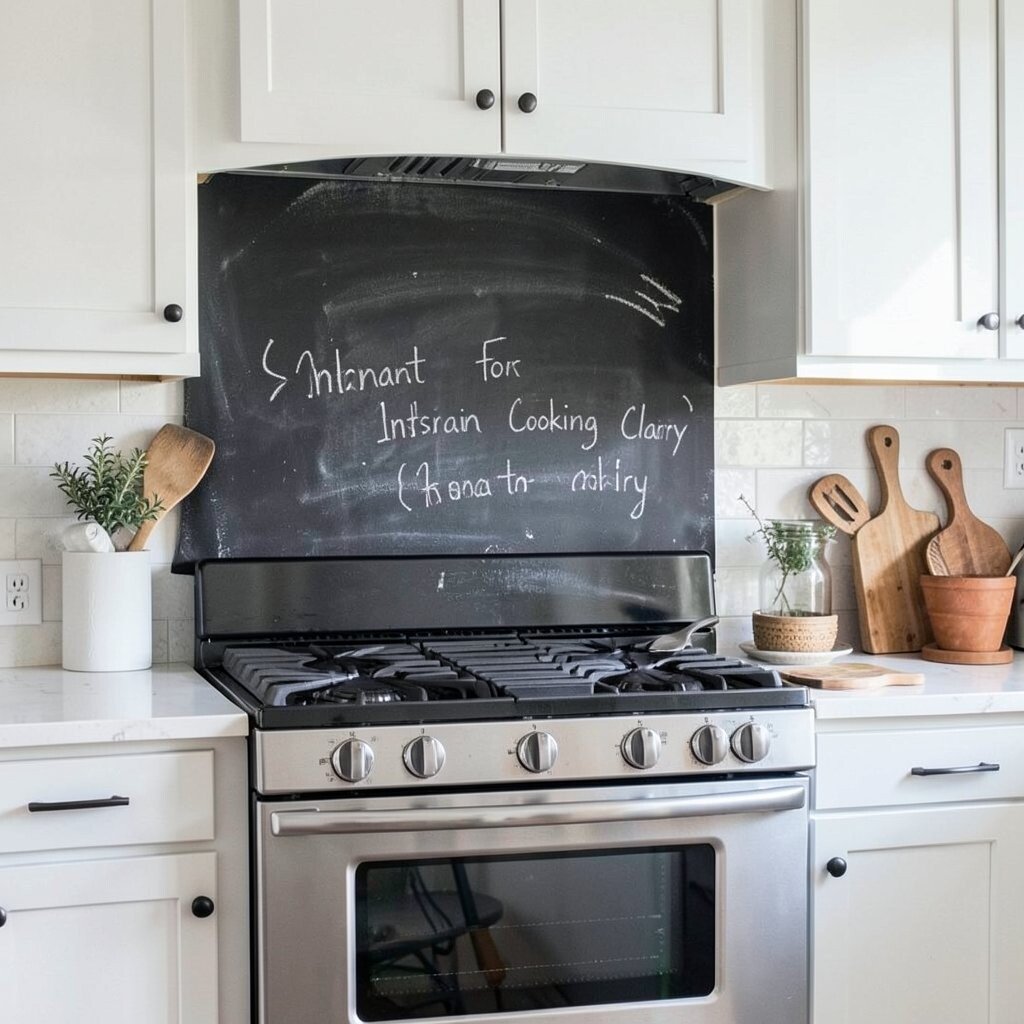
) Chalkboard Behind the Stove for Instant Cooking Clarity Place a chalkboard panel near the stovetop so you can read it while you cook. Keep it at eye level so you don’t have to turn away from the pan.
Write step-by-step cues like “Sauté 3 minutes” or “Stir every 30 seconds.” This reduces timing mistakes and helps new cooks feel confident. For personalization, add “My tweaks” for your own favorite shortcuts or ingredient swaps.
Uniqueness comes from adding a tiny “heat guide” with words like low, medium, and hot. If you want to keep things tidy, use a tray or ledge below for chalk storage. Budget-friendly options include a framed chalkboard or a removable chalkboard sheet on the wall.
-
4) Vertical Chalkboard Recipe Ladder (Tall and Space-Saving)
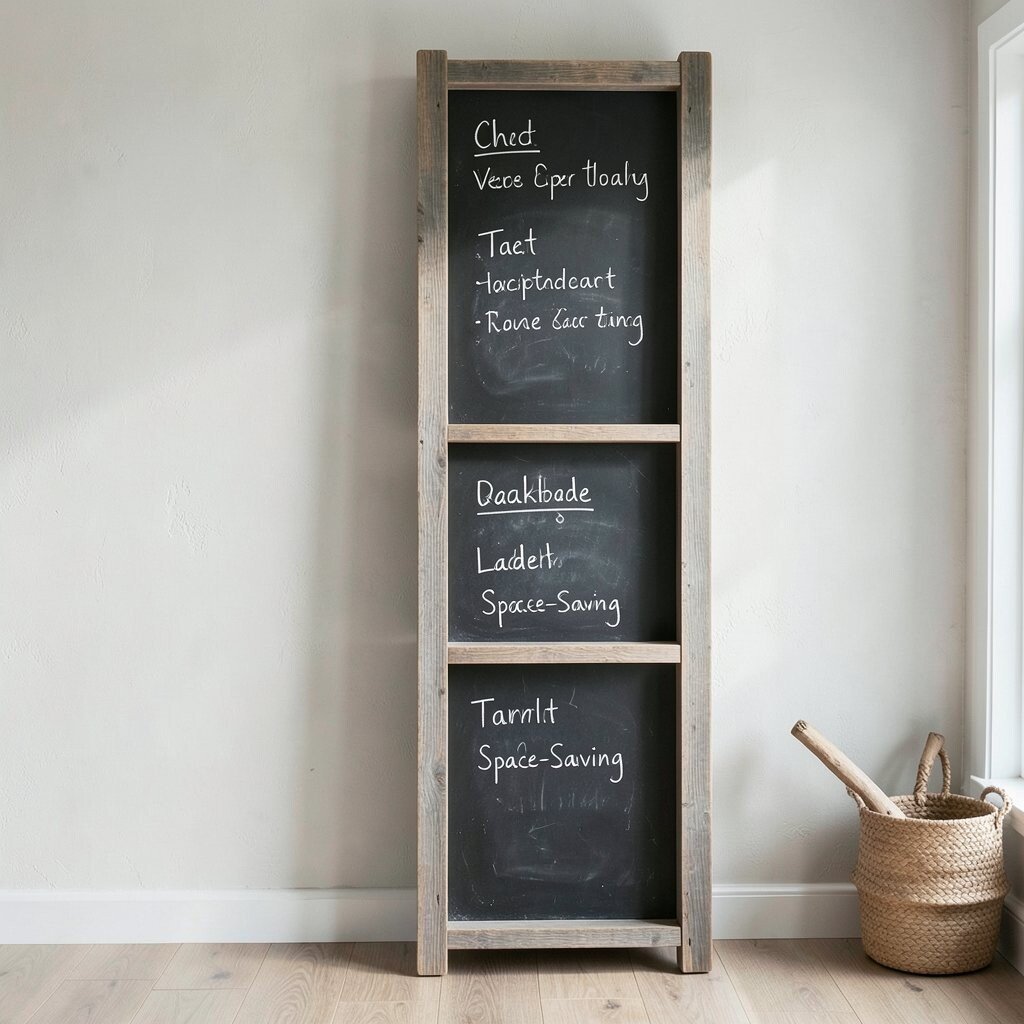
) Vertical Chalkboard Recipe Ladder (Tall and Space-Saving) Use tall, narrow boards arranged like a ladder. This is perfect for kitchens with small counter space because it goes up the wall.
Break your recipes into sections such as ingredients, steps, and serving notes. The benefit is clear: less clutter and faster planning because everything stands in a single line. For cost, choose one tall board and update it often instead of buying multiple panels.
-
5) Chalkboard Wall With “Ingredient Spotlight” Sections
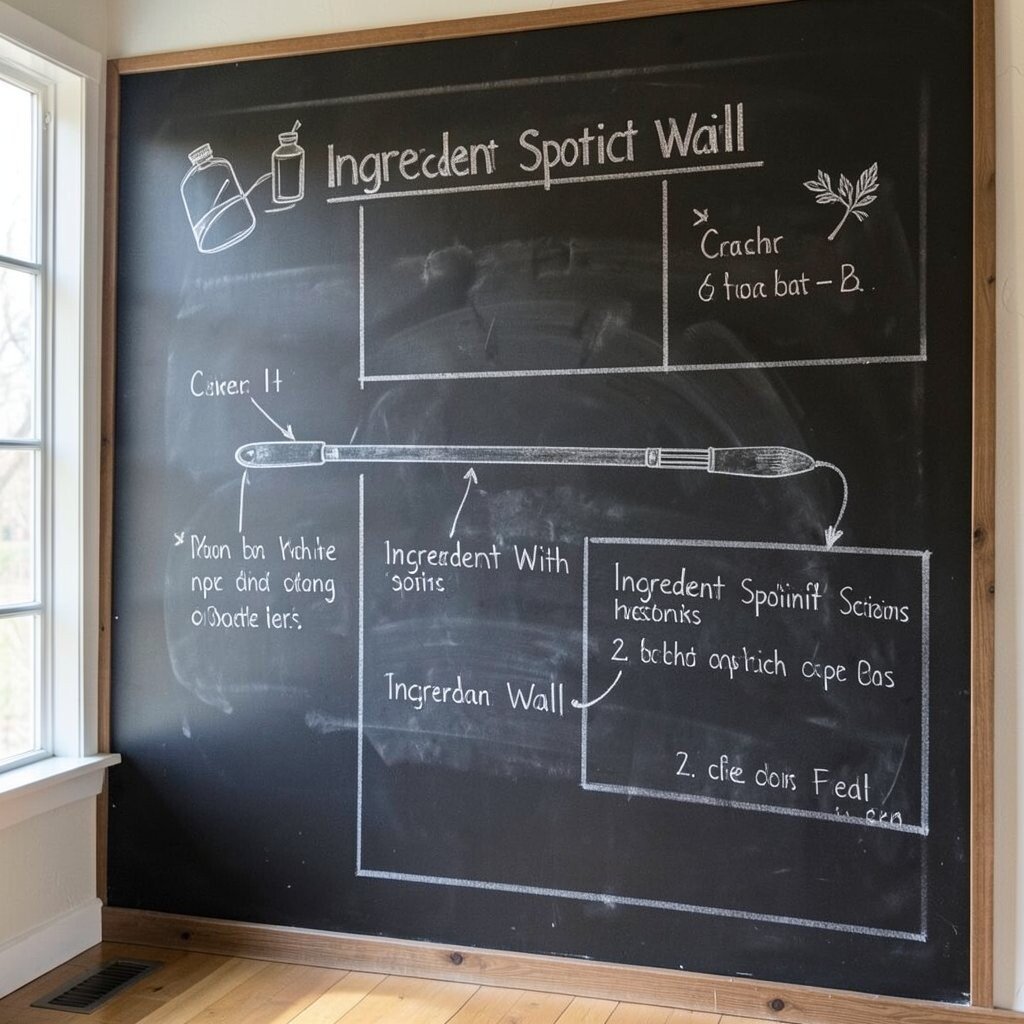
) Chalkboard Wall With “Ingredient Spotlight” Sections Dedicate part of the wall to one ingredient at a time, like basil, garlic, or beans. Write short notes beside each item, such as “best with” and “quick swap ideas.”
This makes meal planning feel like learning, not homework. You’ll get better at using what you already have, which can save money. To keep it personal, add your family’s “must use” ingredient list.
For a trending look, add small icons like a pepper, herb leaf, or lemon slice next to each ingredient. You can also use chalk in different textures, like thick lines for key reminders and lighter handwriting for details. If you want a budget win, start with one board and rotate ingredients weekly.
-
6) Chalkboard Recipe Wall With Photo-Sketch Pairing
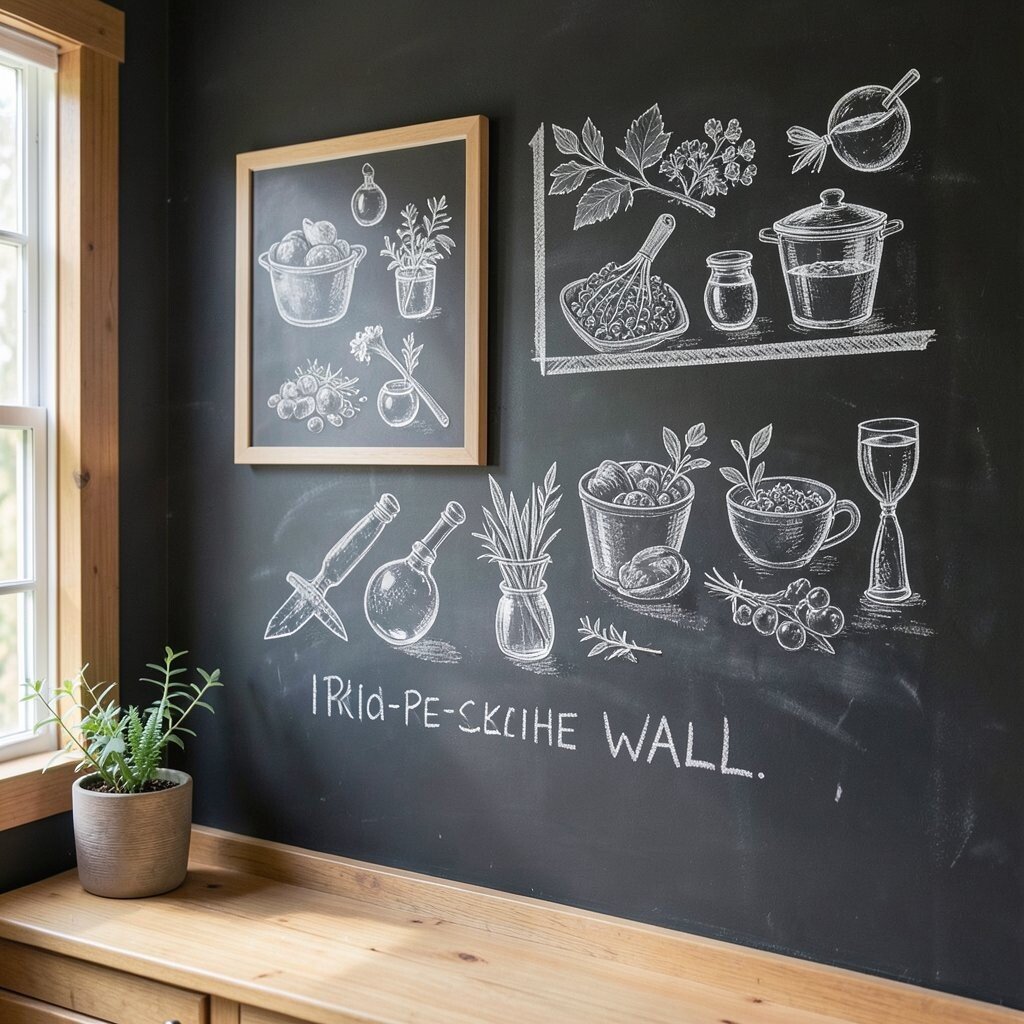
) Chalkboard Recipe Wall With Photo-Sketch Pairing Try a mix of chalk drawings and photo magnets. Write the recipe name in chalk, then attach a small photo of the finished dish nearby.
This gives you instant motivation and helps you remember what the meal should look like. It also keeps the wall fun, not just practical. For uniqueness, sketch one ingredient in chalk like a cinnamon stick or onion half.
To personalize, use photos of your own dinners, not just stock images. Many kitchens are trending toward “real-life” boards with personal photos and little stories. Cost stays reasonable if you use a cork strip for photos and a chalkboard for the main writing.
-
7) Blackboard-Style Planner for Grocery + Recipes
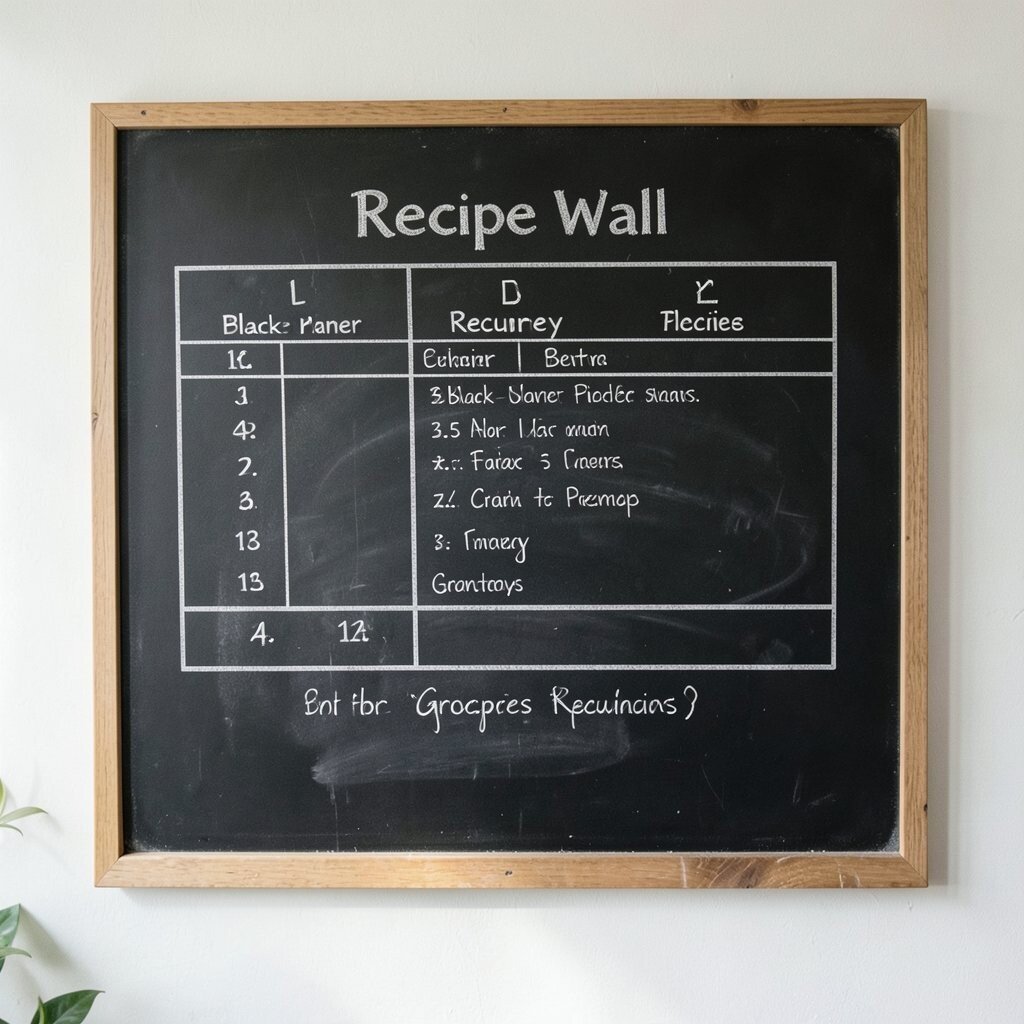
) Blackboard-Style Planner for Grocery + Recipes Combine meal recipes with a grocery list on the same wall. Use one side for “What we cook” and the other side for “What we need.”
This cuts down on paper lists and helps you shop with confidence. You’ll notice patterns, like running low on spices or repeating certain ingredients too often. Personalize it by writing your family’s favorite brands or “only if it’s fresh” notes.
For tips, set a routine: update the grocery section right after you write the menu. Current trend: many people use modular systems where sections can be changed without repainting. For cost, choose a framed chalkboard set or use chalkboard paint on a small section first.
-
8) Chalkboard Family Cookbook Map of Favorite Places
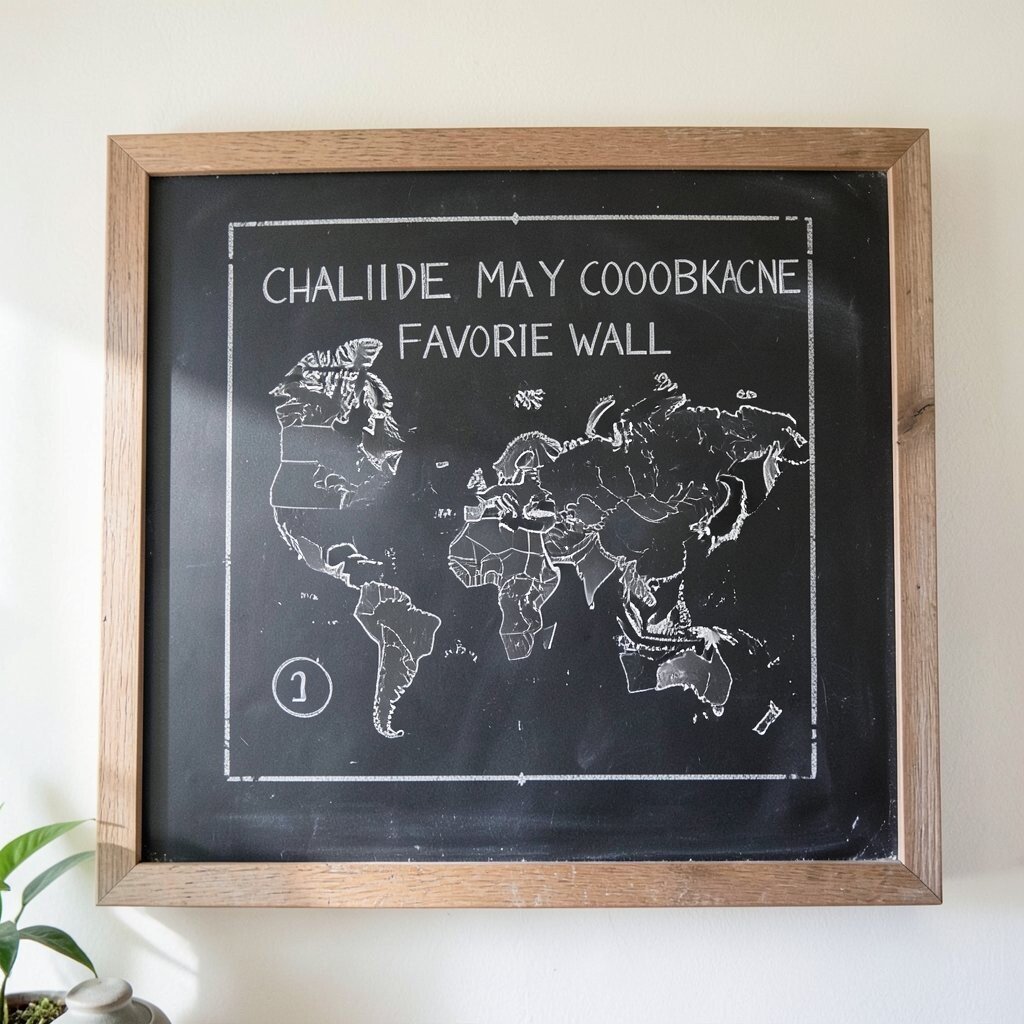
) Chalkboard Family Cookbook Map of Favorite Places Create a “recipe travel map” on your chalkboard wall. Draw a simple map shape and label it with where each dish comes from.
This makes the wall feel warm and story-filled, not flat. You’ll also learn about flavors and cooking styles from different places over time. For uniqueness, write a short line under each location like “tastes like home” or “weekend favorite.”
Personalization idea: invite everyone to add one dish from their heritage. You can also add a “recipe rating” using chalk stars so you remember which ones win. If you’re budget-minded, use chalk for the map and keep recipe cards printed on cheap paper clips.
-
9) The “One-Minute Dinner” Quick-Fix Board
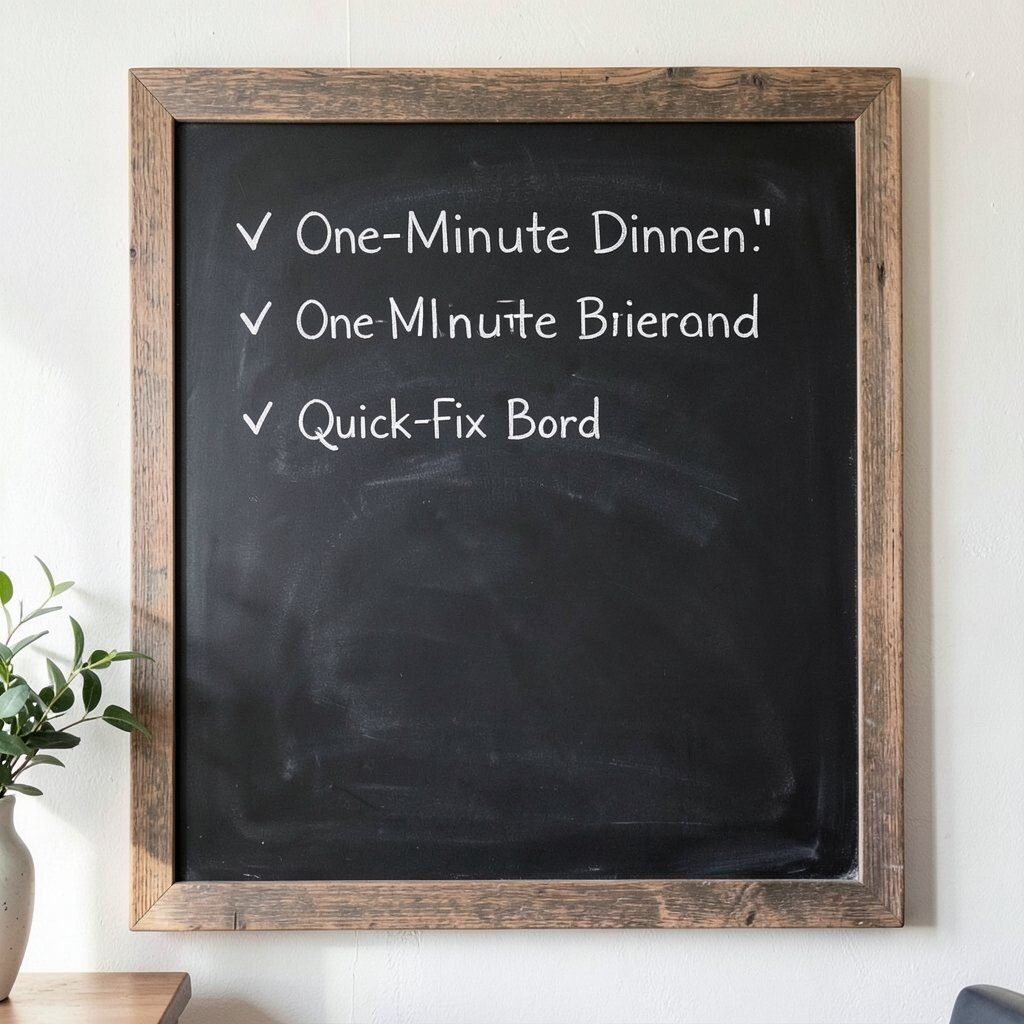
) The “One-Minute Dinner” Quick-Fix Board Make a board for recipes that work even on busy nights. Write titles like “10-Can Wonder Chili” or “Sheet Pan Magic.”
This helps you move faster and reduces stress when you’re tired. It also makes healthy choices easier because you don’t have to think from scratch. For personalization, add a column called “Easy swap” where you note what you can replace like chicken for tofu.
-
10) Chalkboard Spice Station With Labelled Jars
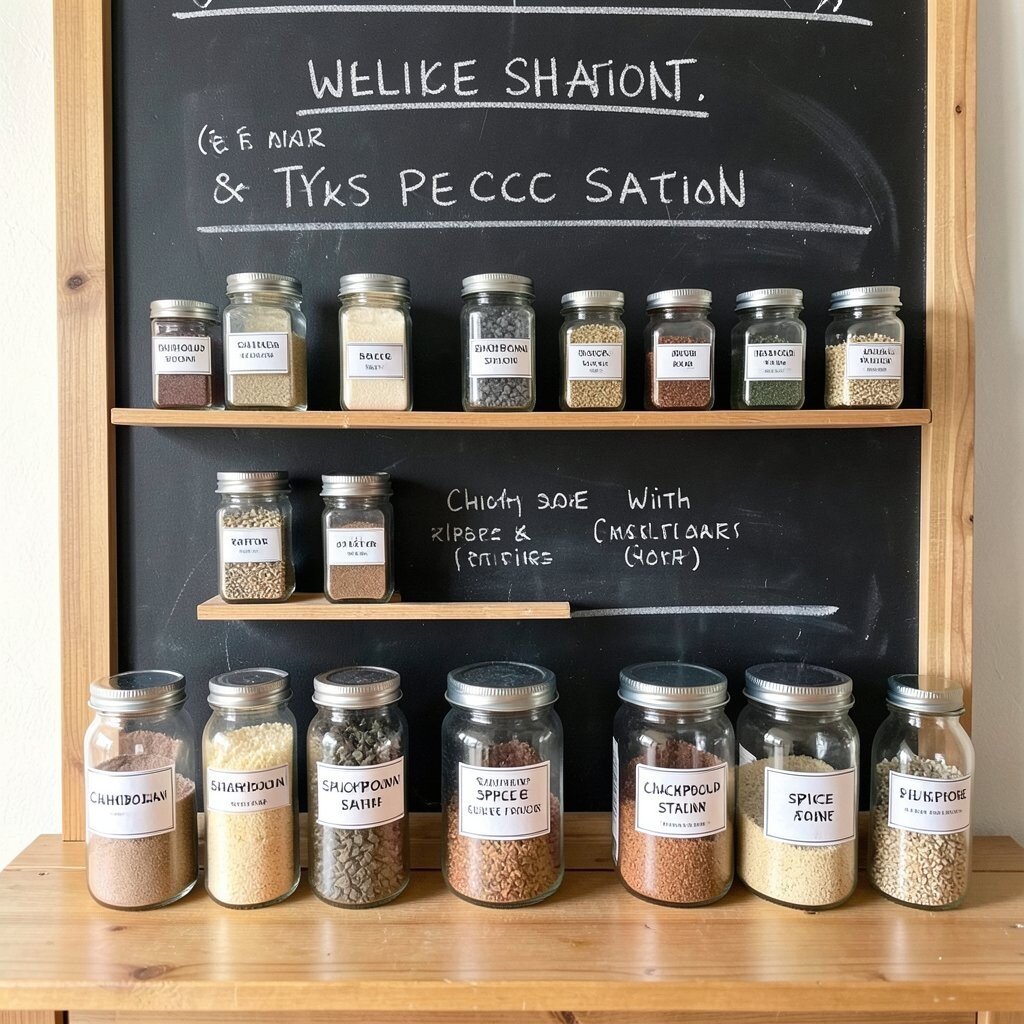
) Chalkboard Spice Station With Labelled Jars Pair your chalkboard recipe wall with labeled spice containers. Write little notes like “smoky paprika” or “sweet cinnamon” next to the jar labels.
This keeps your spices organized and helps you follow recipes more accurately. When you can see what you have, cooking goes smoother. For uniqueness, add mini “how to use” tips next to the spice list, such as “start with a pinch.”
Cost considerations matter here: you can reuse jars and just buy chalkboard labels or chalk marker pens. A current trend is matching labels with a color-coded system so different flavors pop at a glance. Personalize by using your own family spice level, like “mild,” “warm,” or “spicy mode.”
-
11) Chalkboard “Bake Day” Wall for Cookies and Breads
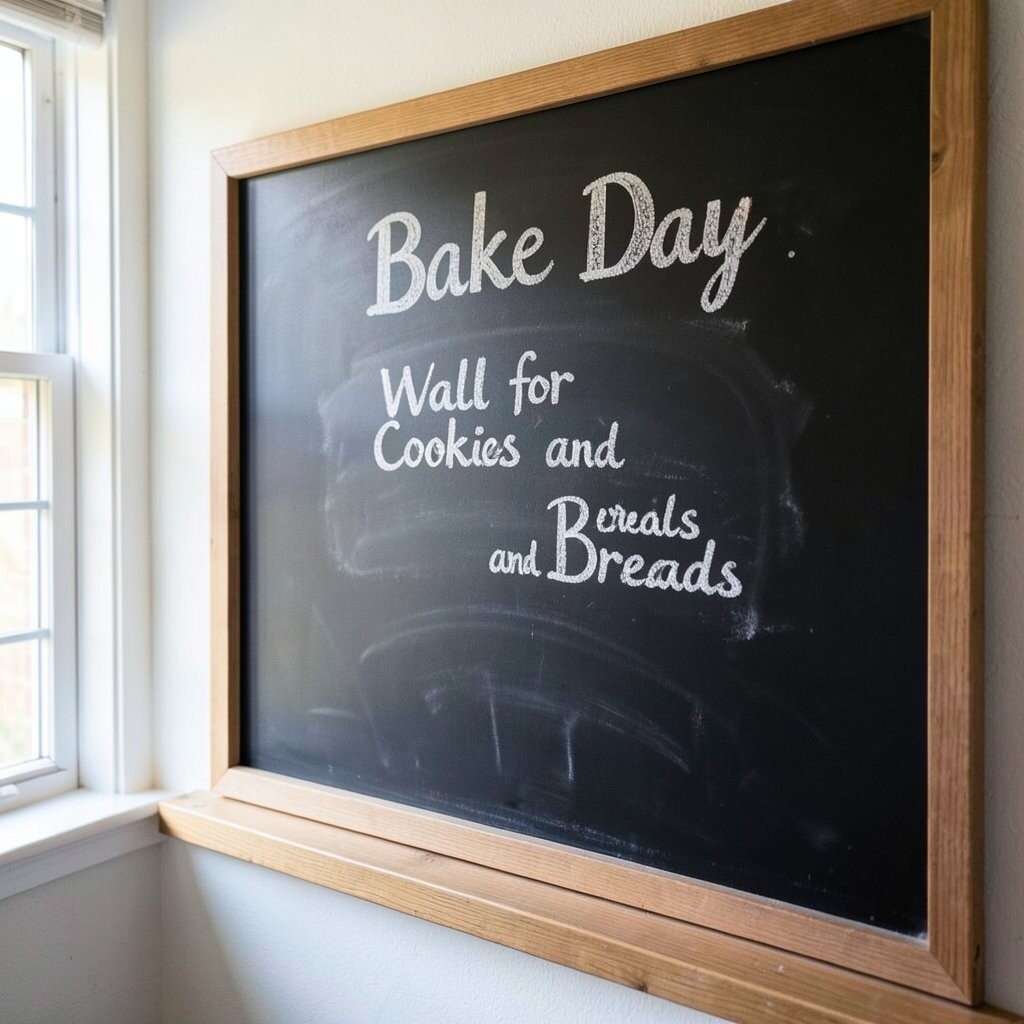
) Chalkboard “Bake Day” Wall for Cookies and Breads Dedicate part of the wall to baking routines. Write your cookie times, bread rising tips, and cookie decorating ideas.
This makes baking feel calm and repeatable, which is a huge benefit for beginners. You’ll also reduce guesswork when you’re working with flour and yeast. For personalization, add “texture notes” like “soft center” or “extra crispy edges.”
To keep it unique, draw a tiny oven icon and write reminders like “preheat fully.” For cost, you can start with a smaller board and expand later when you find space. Many people now share “bake journal” walls, where the chalk becomes a sweet record of what worked each time.
-
12) Chalkboard Recipe Wall With Family “Signature Notes”
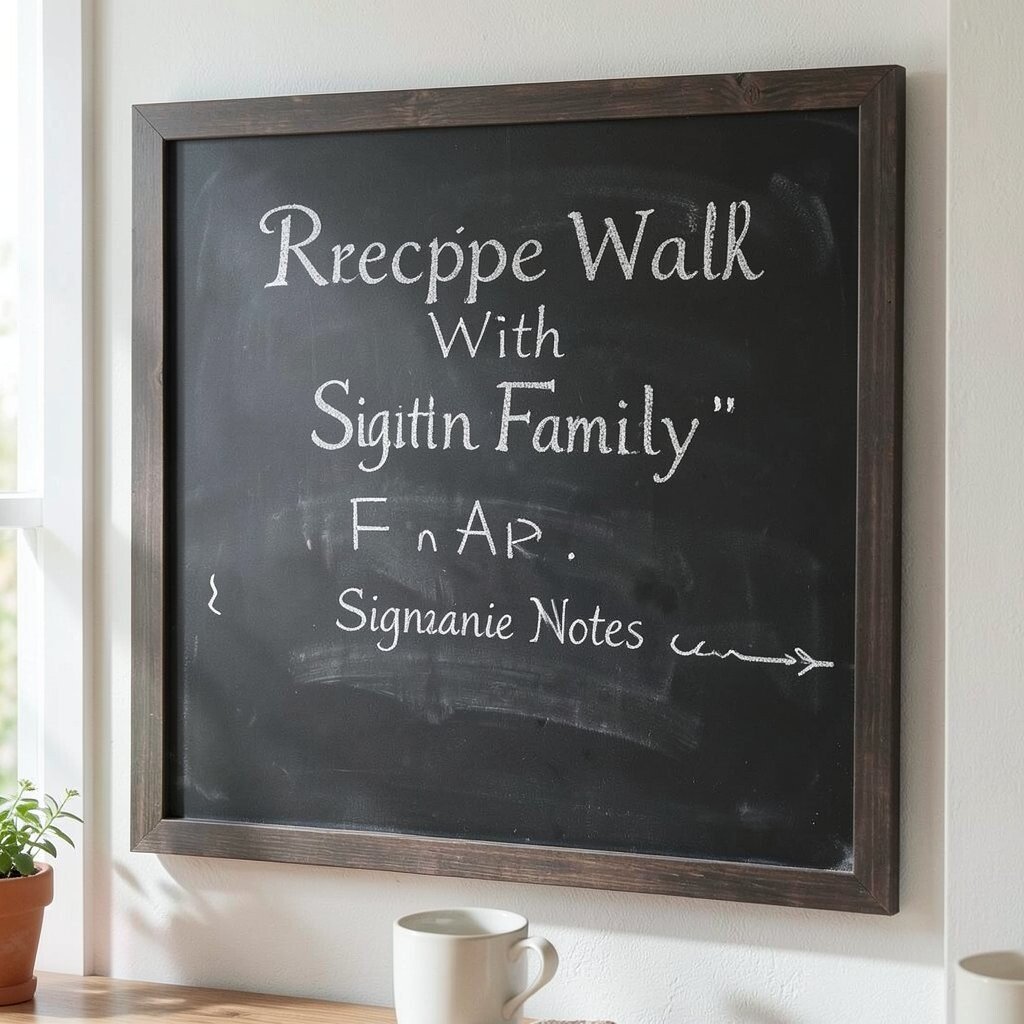
) Chalkboard Recipe Wall With Family “Signature Notes” Create a section for each person in your home to add their signature note. It could be a sauce they always make or a seasoning they swear by.
This turns the kitchen into a team space, and everyone feels included. It also helps you keep the “why” behind each recipe, not just the steps. For personalization, let each family member draw a small icon that matches their style, like a star for the chef, a heart for the baker, or a lightning bolt for the spicy fan.
-
13) Chalkboard Wall Corner With “Taste Test” Ratings
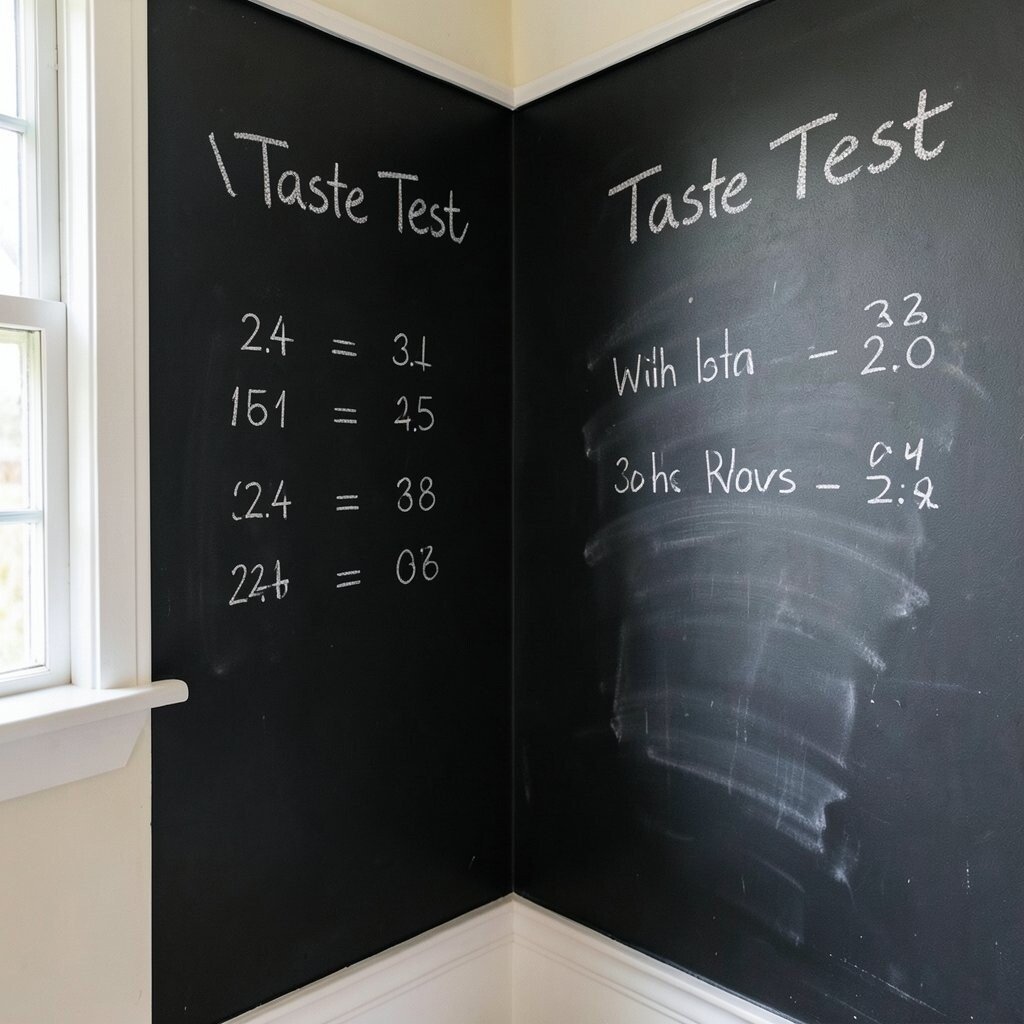
) Chalkboard Wall Corner With “Taste Test” Ratings Use a wall corner board for taste tests and quick ratings. Write a chart with categories like “sweet,” “salty,” “spicy,” and “crunchy.”
This helps you learn what you and your family love most. It also makes it easy to fix recipes the next time you cook them. For uniqueness, add short notes like “more lemon next time” right under the rating.
Cost is simple here because you only need chalk and one board, plus a wipeable surface. A current trend is “flavor journaling,” where people track tweaks and improvements instead of keeping everything in their heads. Personalize by letting kids add stickers or small doodles beside their rating.
-
14) Chalkboard Recipe Wall With Countdown Timers (A Visual Habit)
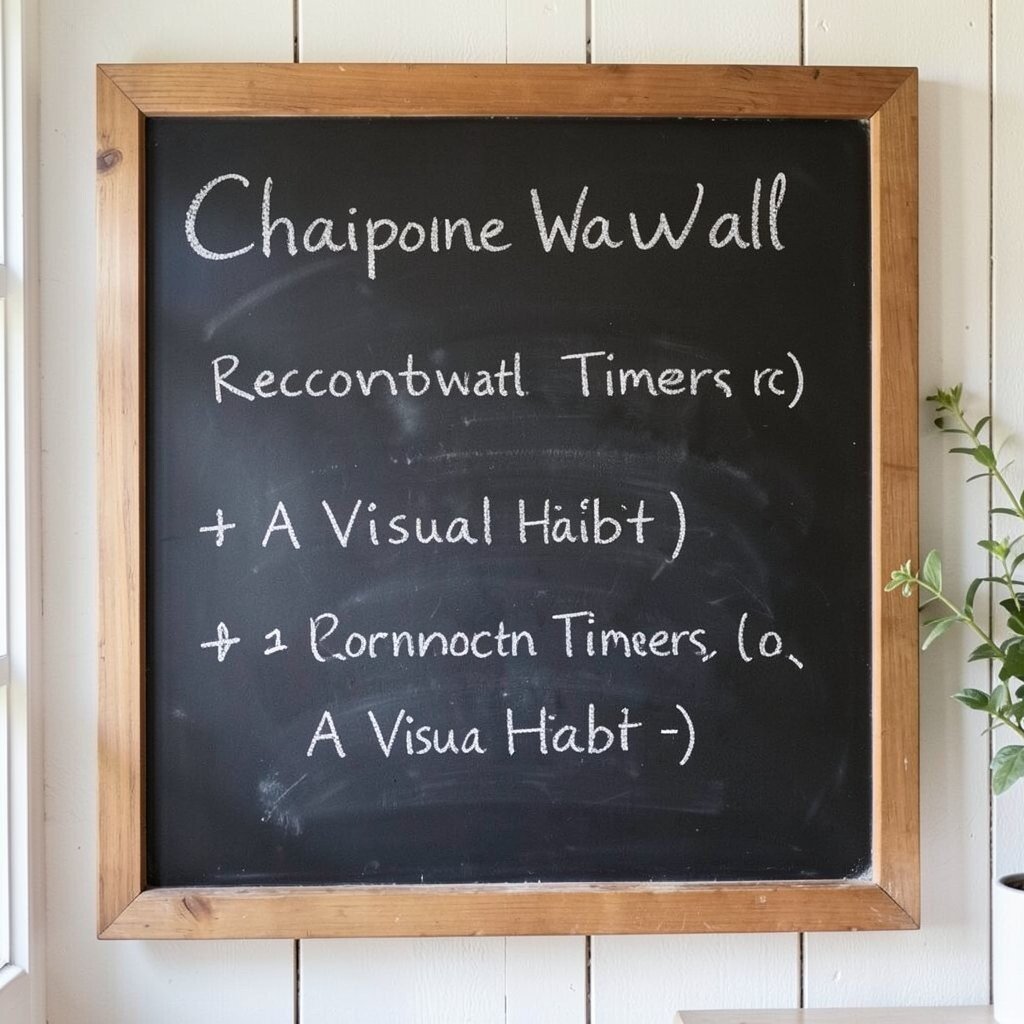
) Chalkboard Recipe Wall With Countdown Timers (A Visual Habit) Draw mini timer bars on the chalkboard to help you track cooking steps. Even without a real clock, a visual countdown can keep you on track.
This is helpful when recipes mention “until golden” or “after bubbling.” It also builds better timing habits, so meals are less likely to burn or overcook. For personalization, write the steps you always follow, like “start timer at the first simmer.”
-
15) Chalkboard Recipe Wall With Holiday Rotations and Seasonal Frames
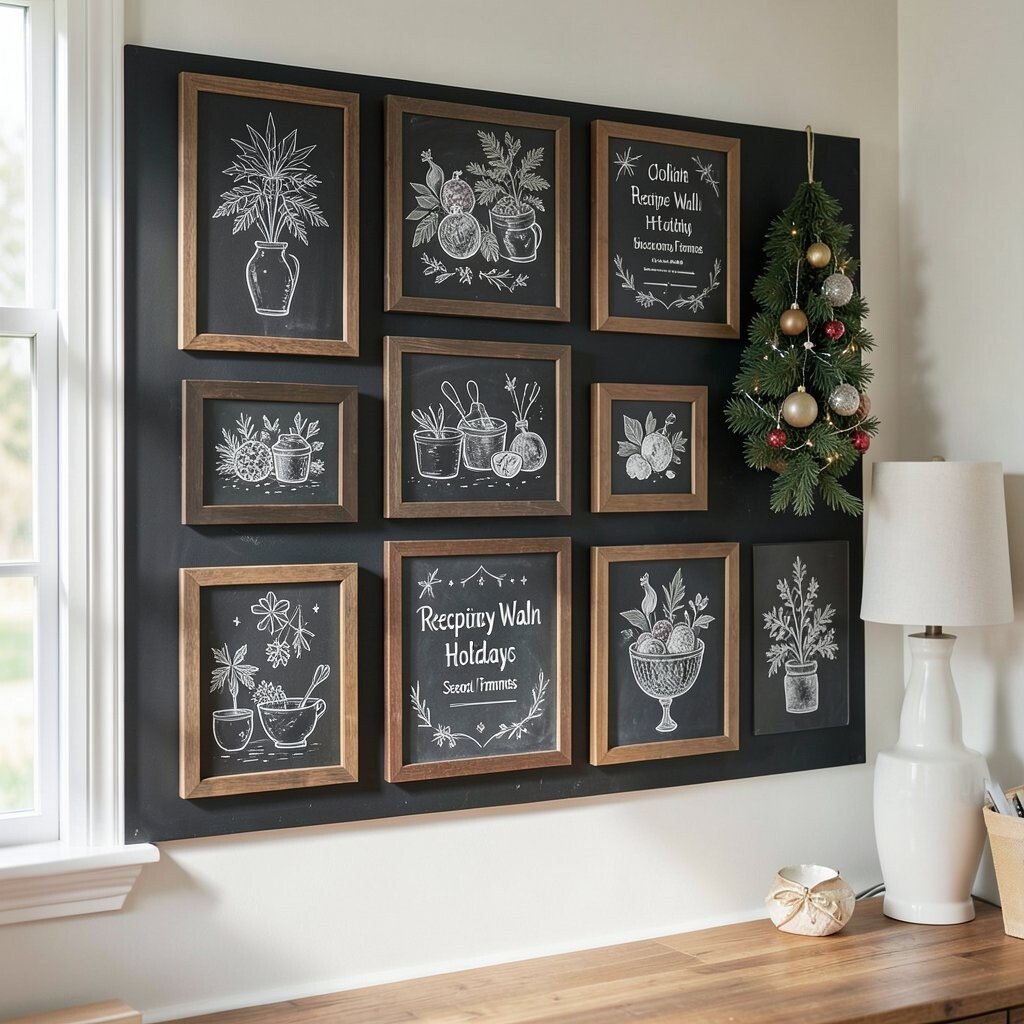
) Chalkboard Recipe Wall With Holiday Rotations and Seasonal Frames Keep a chalkboard section for seasonal favorites like summer salads or winter soups. Write bright words in chalk and add small seasonal drawings, such as pumpkins or snowflakes.
This helps you switch recipes with the calendar, which saves mental effort. It also makes guests feel welcomed because the kitchen looks festive. For uniqueness, create “seasonal frames” by drawing borders that match the holiday vibe.
Cost considerations are easy: you’re not repainting furniture or buying new decorations. Instead, you update with chalk, which is affordable and fast. Current trends include slow-living kitchen rituals, and chalkboard seasons fit right in because they feel cozy and personal.
-
16) Chalkboard Recipe Wall With “Leftovers Makeover” Ideas
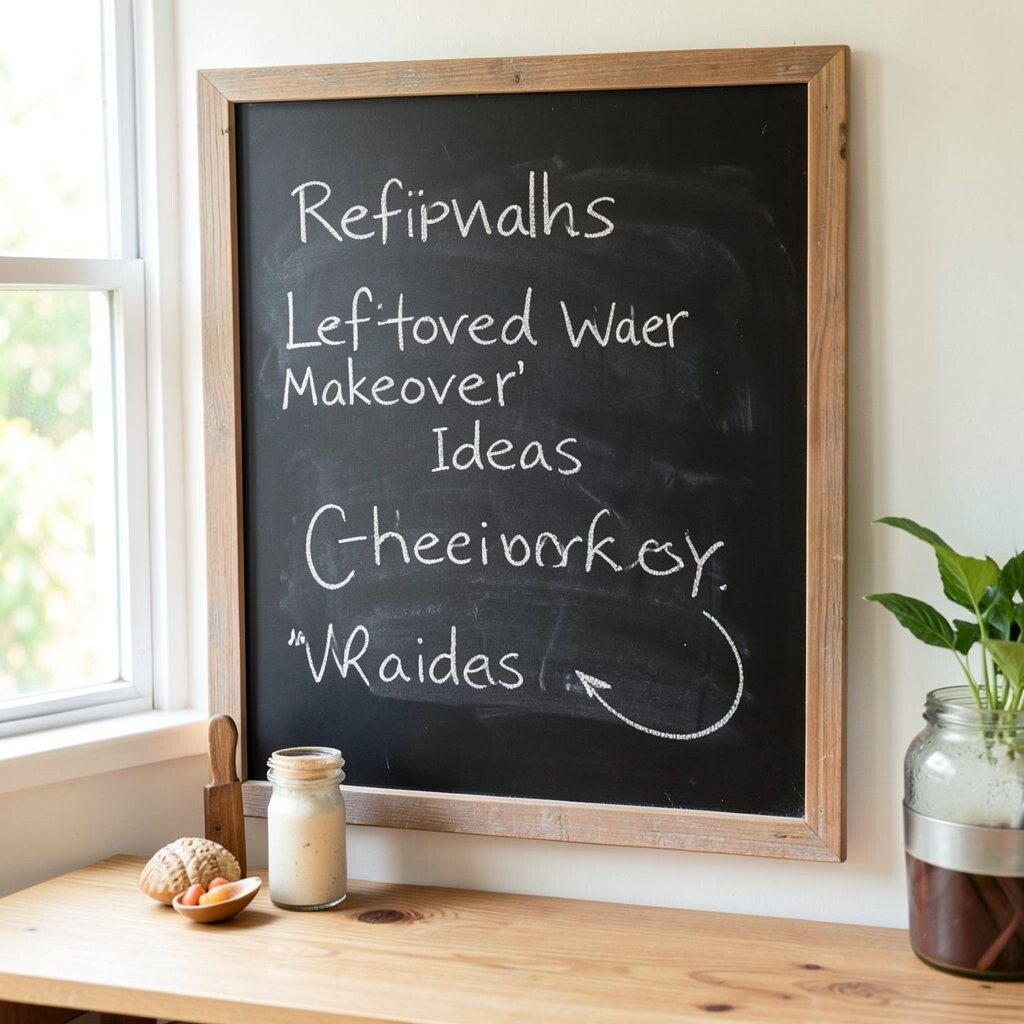
) Chalkboard Recipe Wall With “Leftovers Makeover” Ideas Write leftover recipes on your chalkboard so nothing goes to waste. Add ideas like “turn roast chicken into tacos” or “turn rice into fried rice.”
This reduces food waste and saves money, which is a big win. It also makes weeknights easier because you already have ingredients ready. For personalization, add a note about what your family likes to reuse, like “we never skip garlic bread.”
Uniqueness shows up when you include “time goals” like “15-minute makeover.” You can also add “what to store” tips, such as cooling and reheating reminders. For budget, start with one board and update weekly as you cook and discover new favorite leftover combos.
-
17) Chalkboard Wall With Chalk Stencils for Perfect Titles
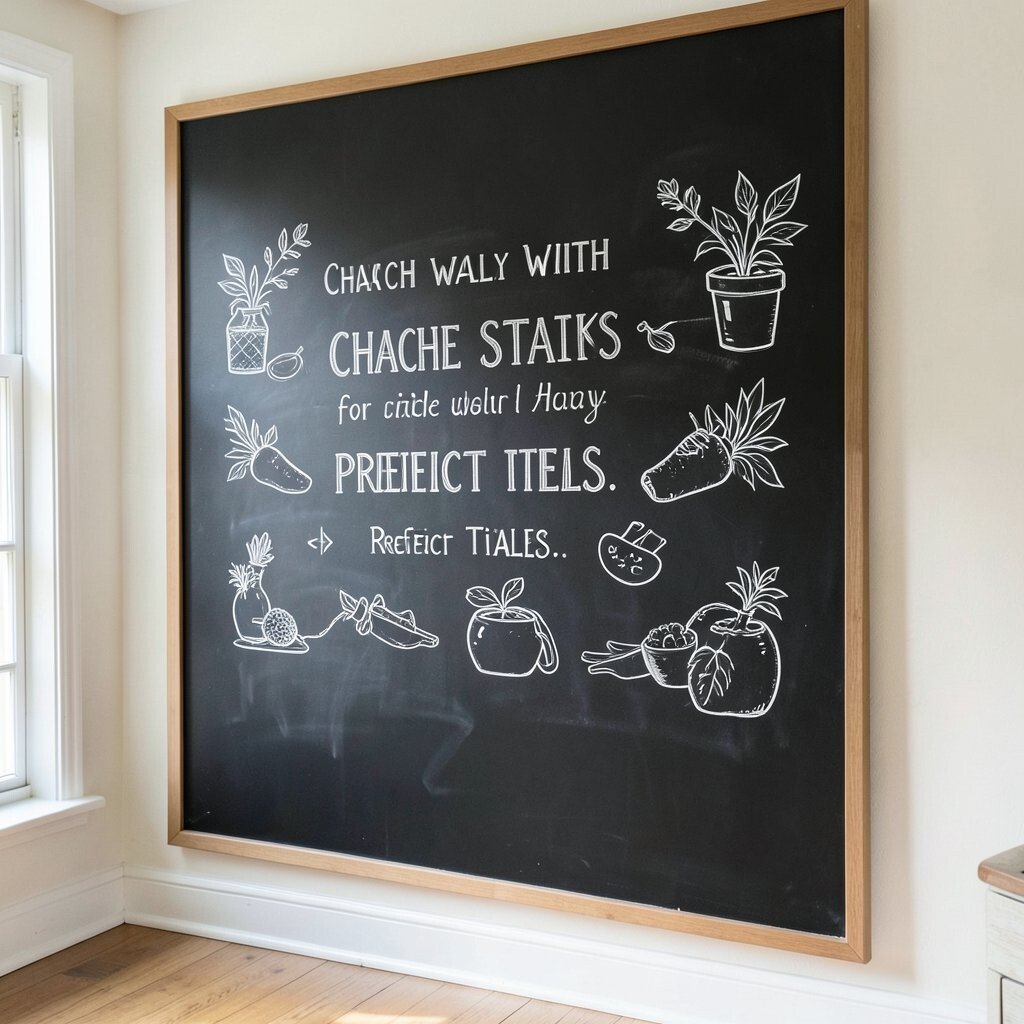
) Chalkboard Wall With Chalk Stencils for Perfect Titles Use letter stencils to make recipe titles look crisp and consistent. Place the stencil over the board and trace gently with chalk or chalk markers.
This improves readability, especially from across the kitchen. It also helps the wall look neat, which can encourage you to actually use it. For uniqueness, choose a different stencil style for each category, like bold block letters for dinners and script for desserts.
Cost is usually low because stencils are affordable and can be reused for months. A current trend is making “print-like” chalk designs, where headings look like sign lettering. Personalize by writing one line under each title that sounds like you, such as “my favorite comfort bowl” or “crispy every time.”