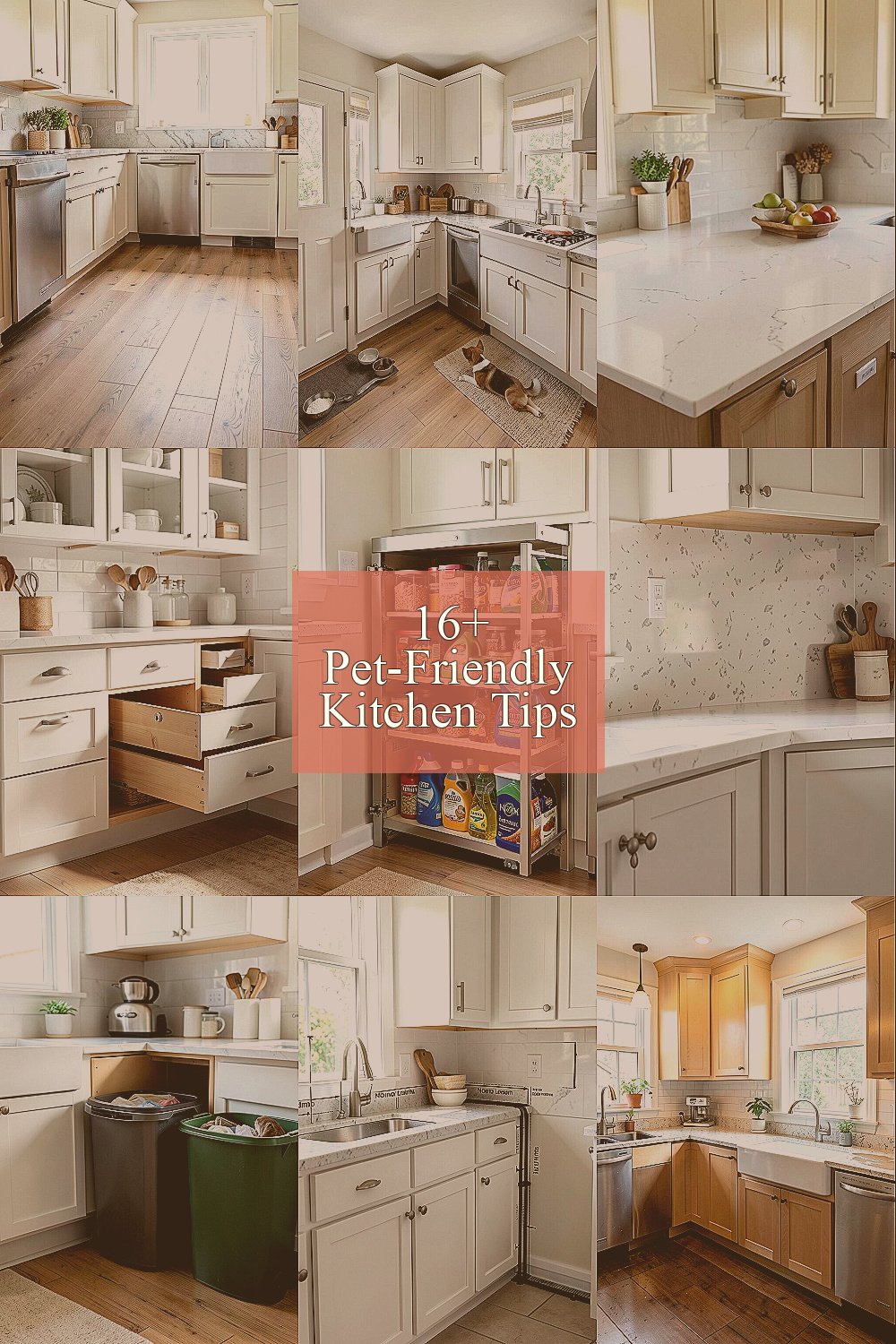
Your kitchen can be the coziest hangout for your whole pack. With a few smart choices, daily life gets easier, cleaner, and safer.
From paws on tile to curious noses near counters, every detail can work with you. These tips are made to feel practical, pretty, and doable.
1. Choose pet-safe flooring that looks great and wipes clean
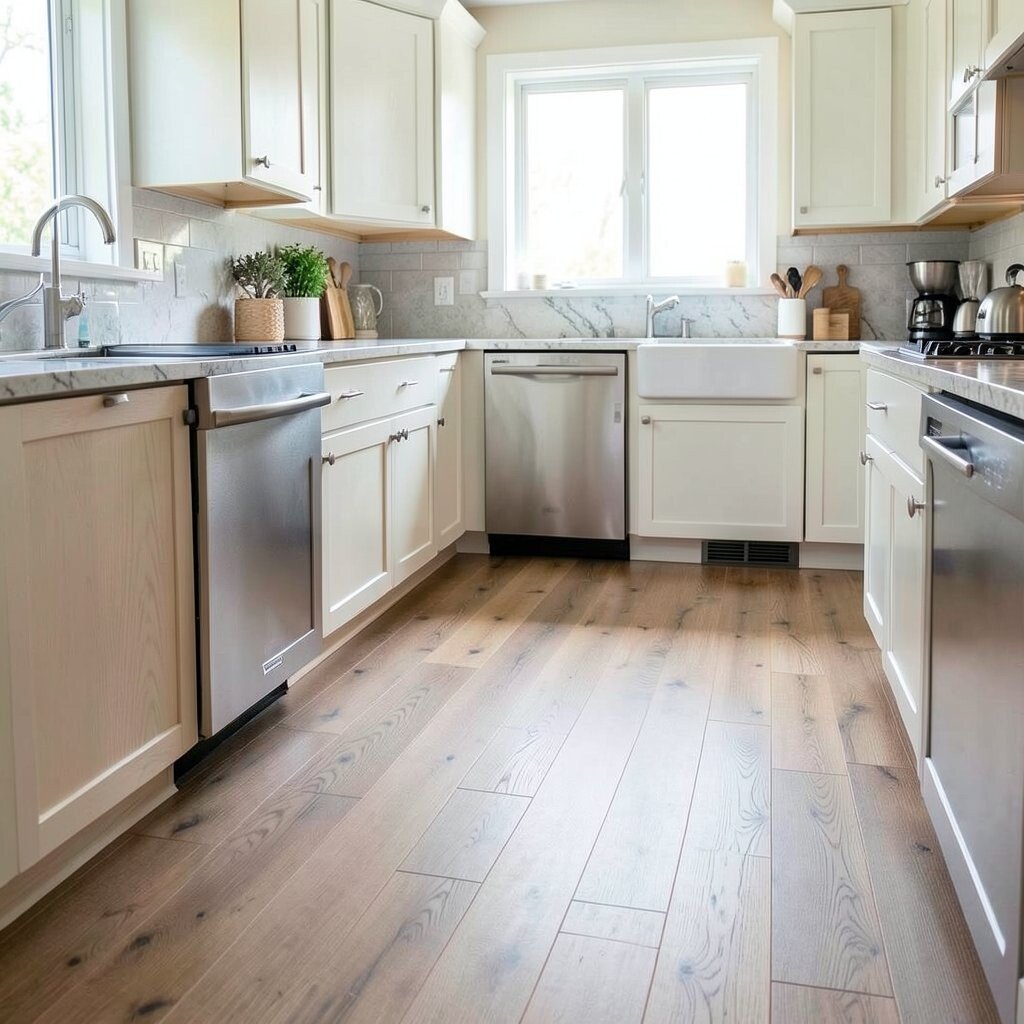
Start by looking at floors like you would at a favorite rug. You want something that handles accidents, muddy paws, and dropped food without turning into a stain magnet.
Vinyl plank with a wear layer, porcelain tile, or sealed engineered wood can take a beating and still look neat. If you have cats, consider flooring with less slip, because slick surfaces can make zoomies risky. For dogs, look for surfaces that resist scratches and are easy to spot-clean after dinner time.
2. Plan for “paw zones” near entrances, bowls, and cooking areas
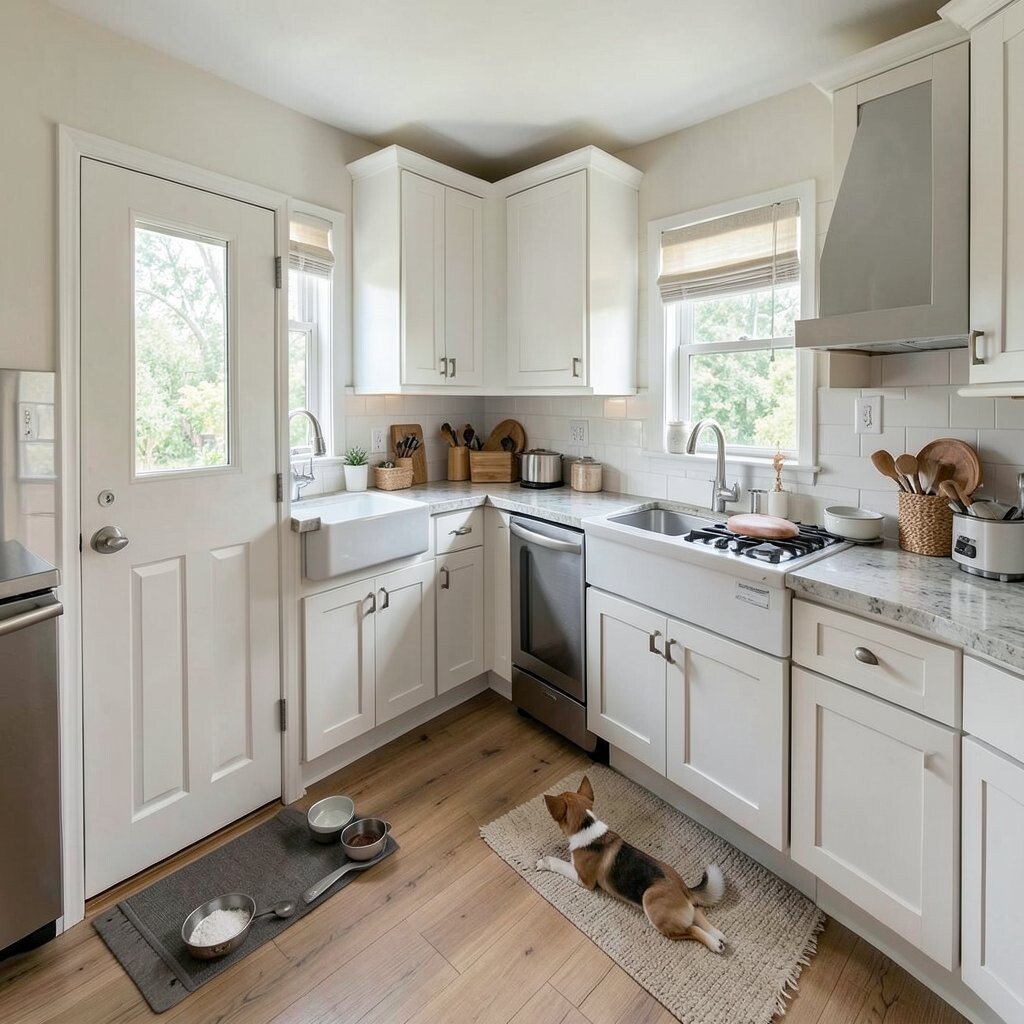
Pet traffic is real, and your kitchen can handle it. Set up small zones where the mess is expected and easier to manage.
Try a durable mat by the back door and another runner near the feeding spot. Use a tray system for water bowls so spills stay contained, and your floor stays calmer.
This helps you clean faster and keeps your pets from stepping through wet areas. It also adds a tidy look, especially when you match mats and trays to your cabinet color. Personalize the area with a washable liner and a cute nameplate sign for your pet’s spot.
3. Pick countertops with a “no-stress” finish
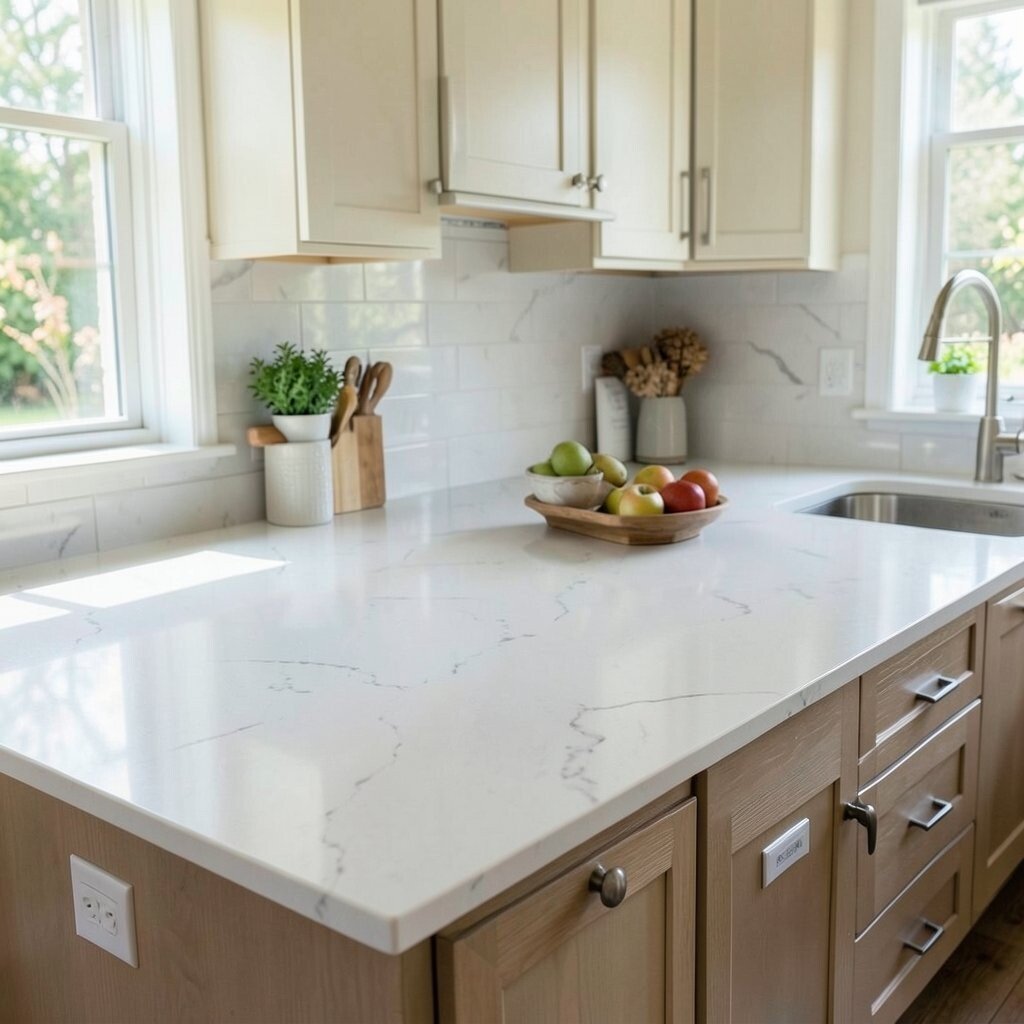
Countertops should survive food prep and curious paws. You want a surface that resists stains and won’t turn cloudy after everyday life.
Quartz, solid-surface, and well-sealed stone are popular because they handle spills without much drama. Go for finishes that resist etching from acidic stuff like citrus and tomato. If you love the look of natural stone, ask about sealing schedules so you can stay on track.
For pets, avoid super-glossy surfaces that show every smudge and can feel slippery. Also think about how you’ll handle pet hair and crumbs during wipe-down time.
Budget matters, so compare options by longevity, not just first price. Choosing a countertop that stays beautiful longer can be a better value for your wallet and your schedule.
4. Install easy-to-clean cabinet hardware and drawer systems
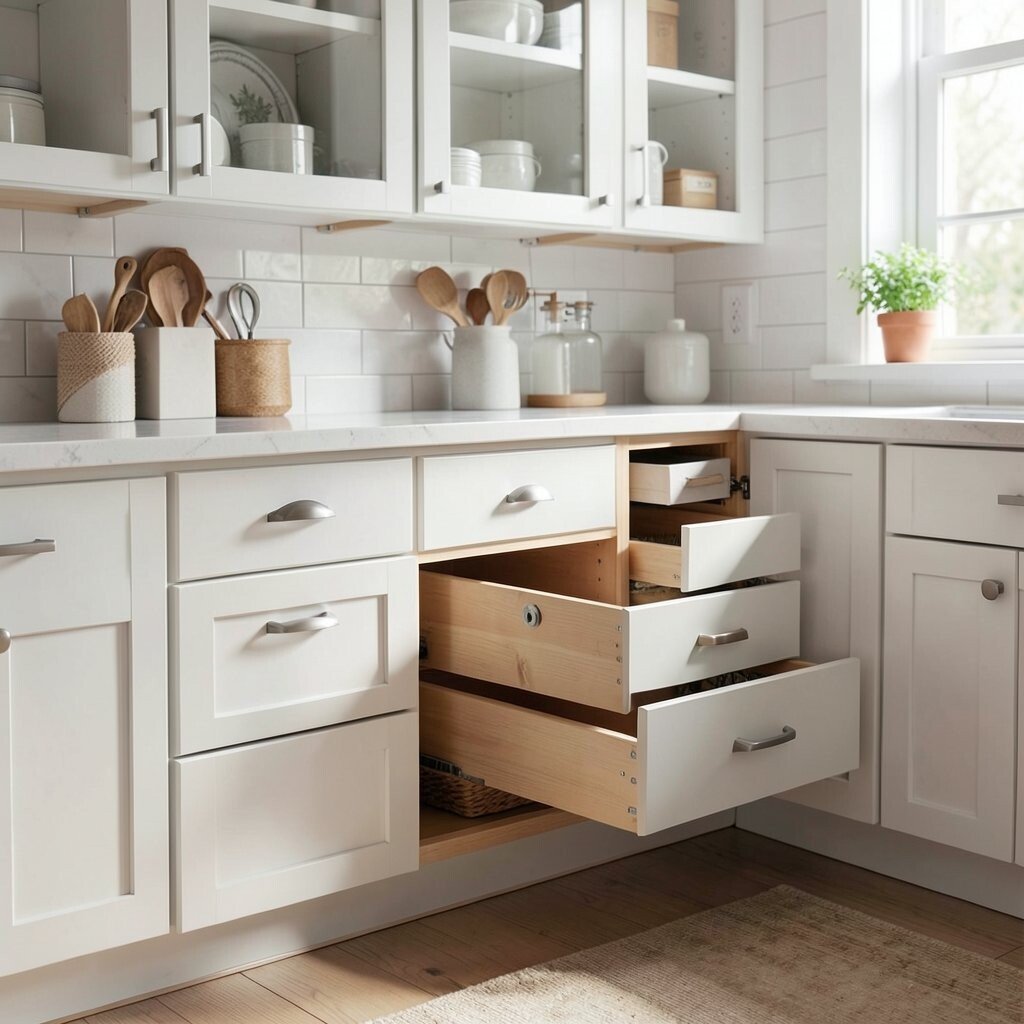
Small upgrades can make a big difference when pets are part of the household. Choose knobs and pulls that feel solid and are easy to grip with one hand.
Soft-close drawers can reduce loud slams that startle animals, especially timid pets. Look for organizers inside drawers so you can keep treats, leashes, and cleaning tools neatly out of reach.
5. Use tall storage locks for treats and cleaning products
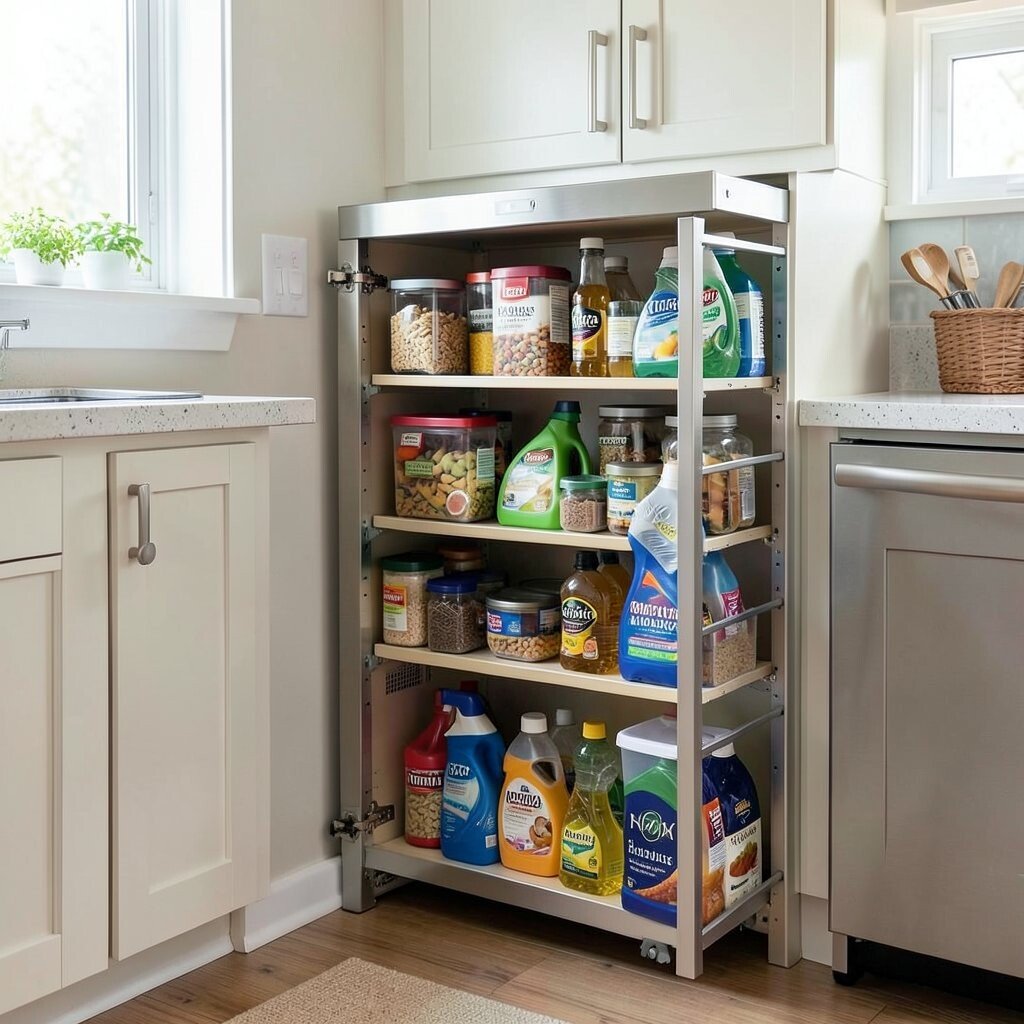
Nothing changes your day faster than reaching for a cleaner and finding your pet has helped themselves. Keep hazardous items and tempting snacks behind sturdy barriers.
Childproof-style locks on upper cabinets work for many homes, and some are pet-tested for busy noses. Store treats in a sealed container inside a locked area, so nothing gets knocked or opened by accident.
Plan the storage route early so you know exactly where everything goes. This is a personalization moment too: pick a container set that matches your kitchen style.
6. Add a wipeable backsplash that resists stains
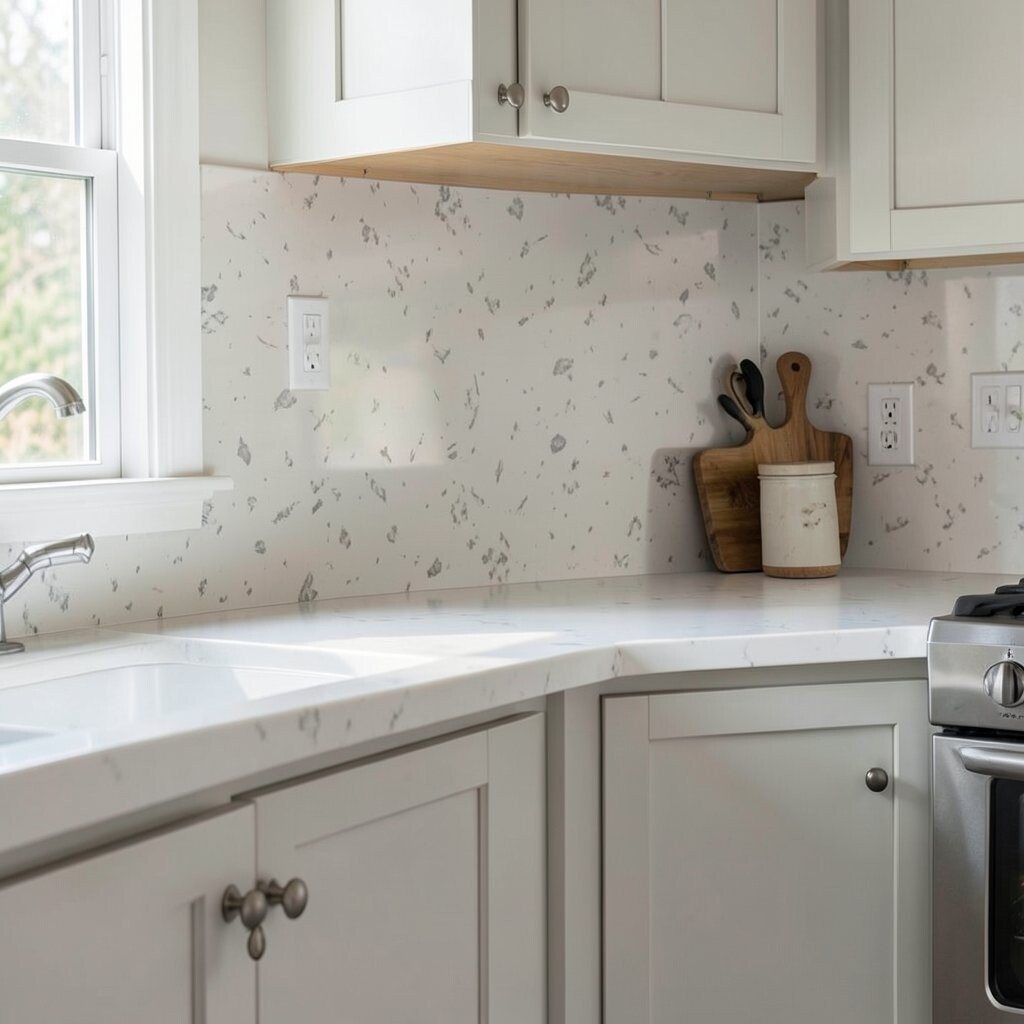
A backsplash is like the kitchen’s armor wall. If it’s easy to clean, you’ll actually wipe it often and keep grease and splashes under control.
Consider glazed tile, stainless steel, or a smooth surface panel that lets you wipe quickly. Stay aware of grout lines if you choose tile; sealed grout helps a lot. For a trendy look, mix a classic pattern with a simple color palette so the wall stays timeless.
7. Build a pet-friendly trash and recycling setup
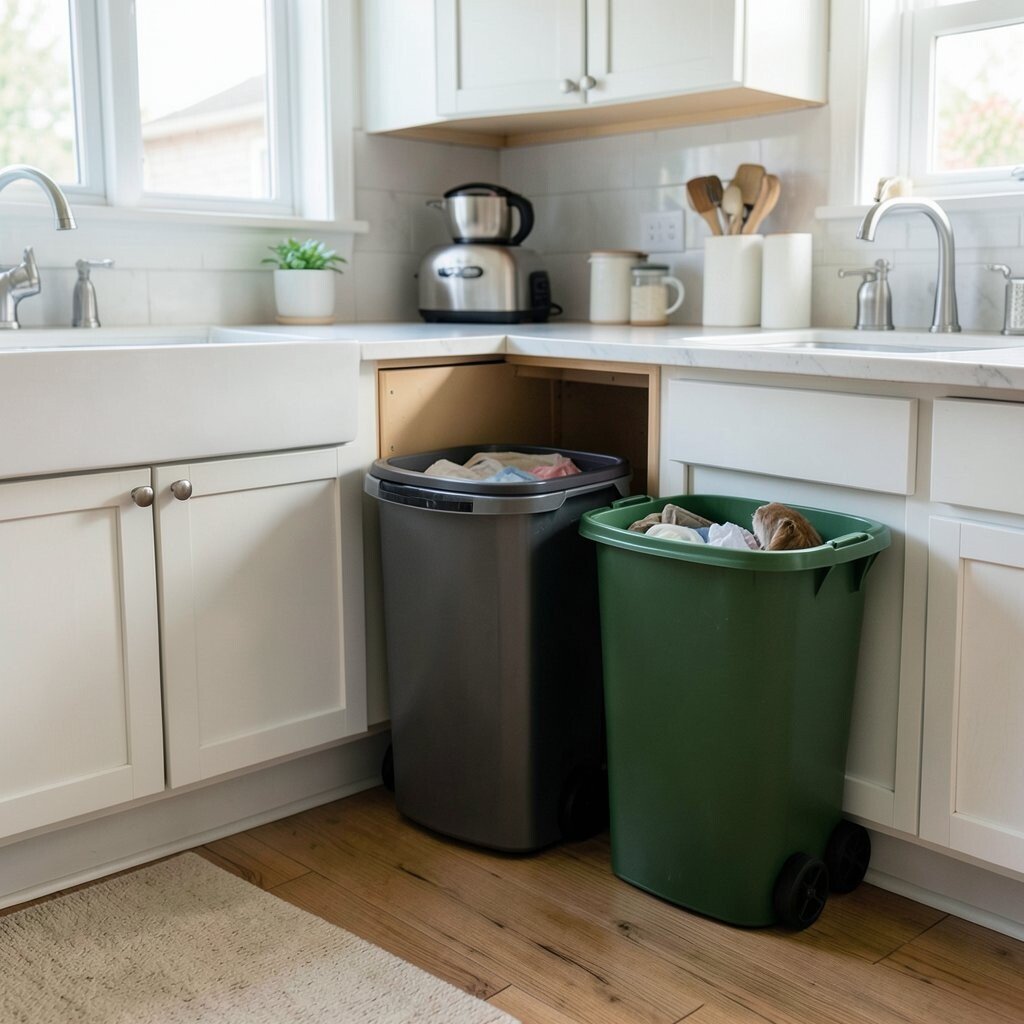
Garbage is a magnet for curious pets, especially when food smells are strong. A smart system keeps lids secure and makes daily cleanup simpler.
Look for pull-out bins with tight-fitting doors or cabinet units with latching features. If you have a dog who loves rummaging, consider a motion-resistant lid or a bin that seals well.
Good containment also reduces odors and keeps your kitchen smelling fresh. You can personalize the look by matching the cabinet face and choosing a clean, hidden storage approach. When you budget, remember that safety add-ons are often worth it because they prevent damage and stress.
8. Include a “no-climb” barrier plan near counters
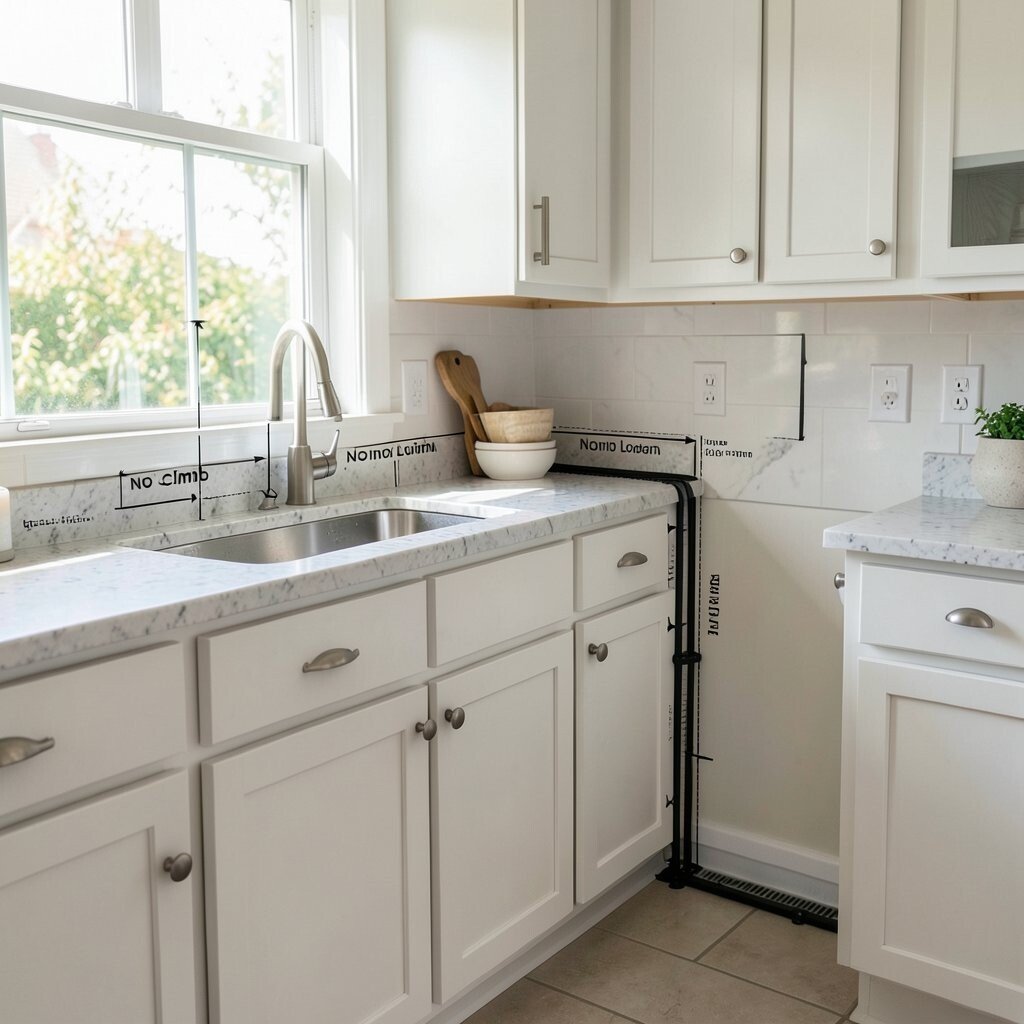
Cats and some small dogs can turn kitchen surfaces into an adventure park. Your job is to make the risky spots less tempting.
Use a counter height or layout that limits easy stepping, and keep tempting items off the back edge. If your pet loves to perch, offer a safe alternative like a cat tree near a window that faces the kitchen, not the counters.
For dogs, avoid leaving chairs or stools that can become launch pads. A small change like moving furniture during remodel planning can solve a lot.
This is also a personalization win, because you can style safe zones with bedding, a sleek feeder station, and cute decor. Think safety first, then add beauty once everything is calm and controlled.
9. Choose lighting that helps you see spills fast
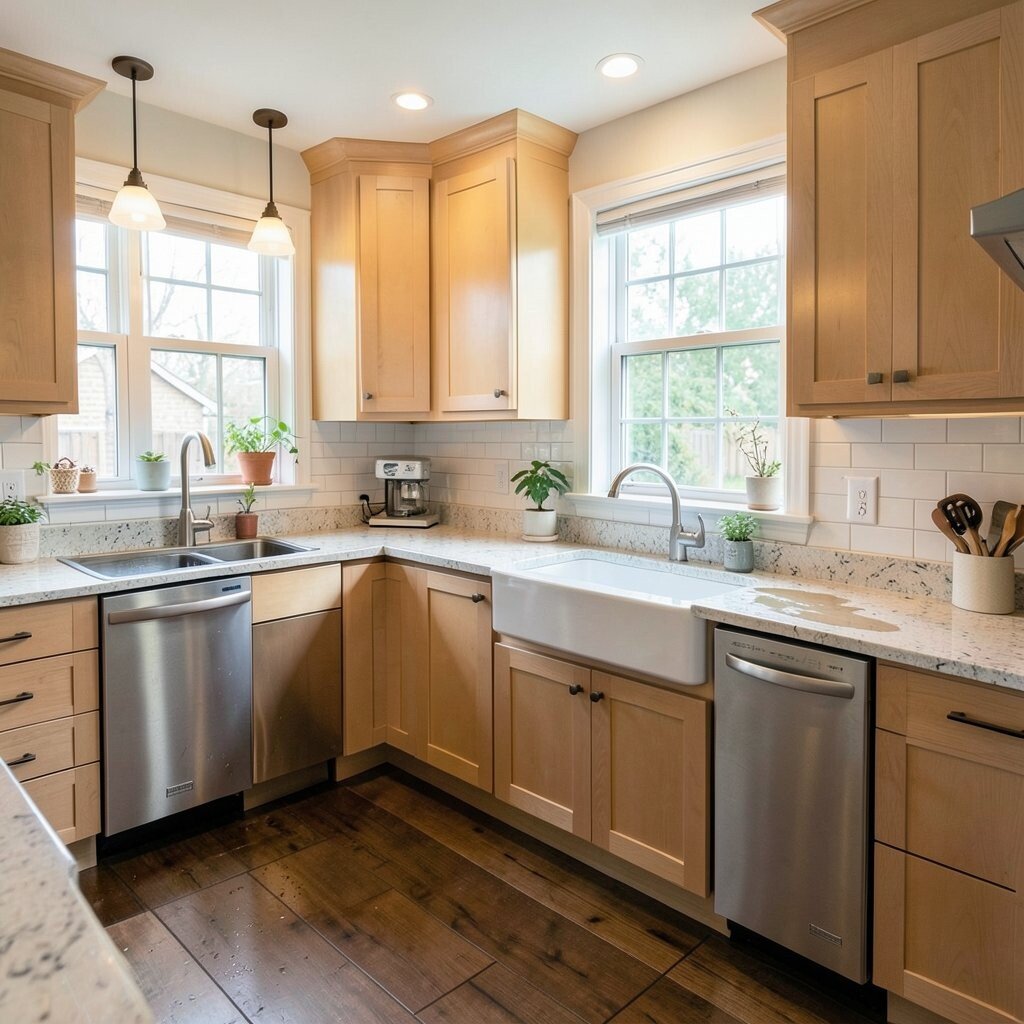
Bright lighting is helpful for pets and people. When you can clearly see the floor and counters, you can clean tiny messes before they turn into bigger problems.
Under-cabinet LED strips make a modern look and reduce shadowy corners. Add a warm color temperature so the kitchen feels cozy, not harsh, and you’ll enjoy staying in the space longer.
10. Put pet-proof outlets and cord management in your plan
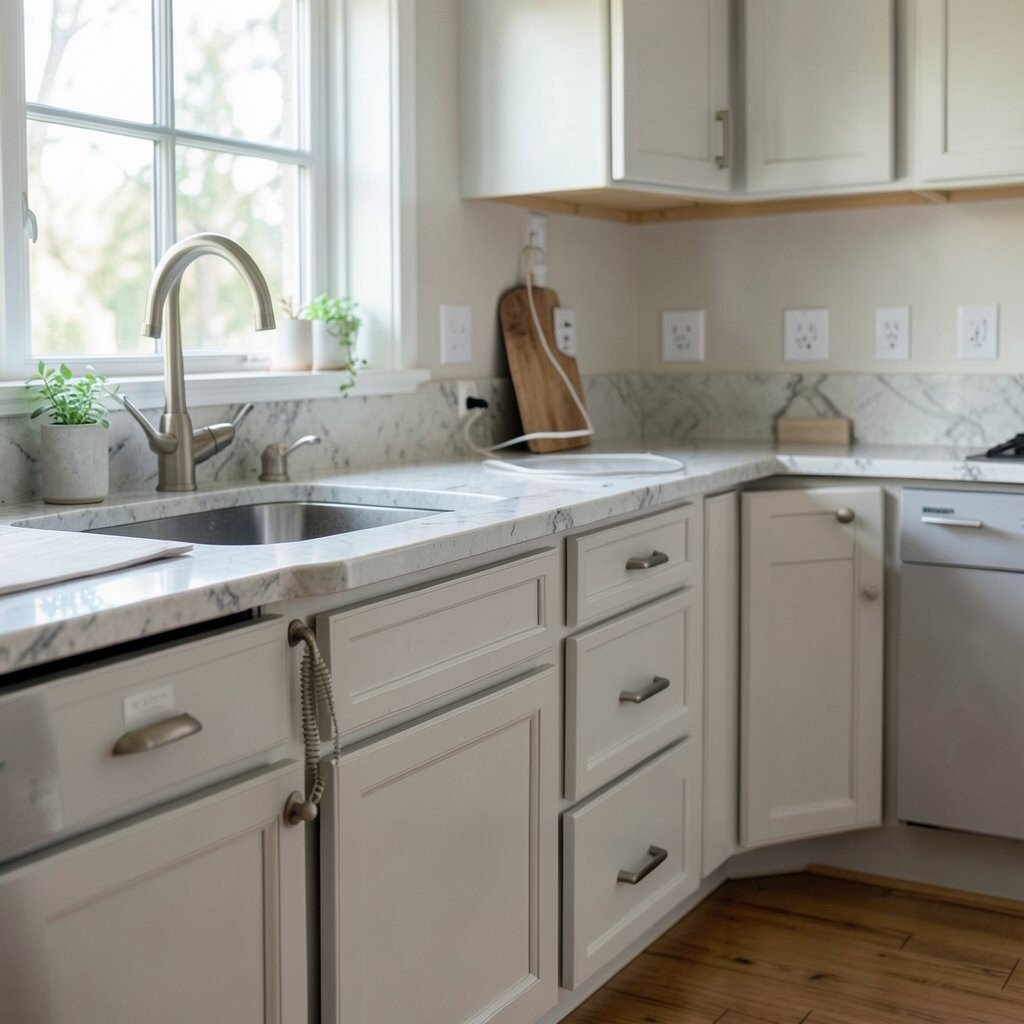
Toasters, blenders, and charging cords can tempt paws in sneaky ways. Make sure outlets and wires are managed so nothing dangles or gets chewed.
Use outlet covers, cord clips, and built-in channels that keep cables behind the scenes. A charging station for your phone can double as a safe spot for devices, so pets don’t “test” them with their mouths.
Some kitchens now include hidden power strips inside cabinets, which is a current trend for a clean look. It also helps you wipe counters without constantly unplugging things. Budget for outlet upgrades since they can affect wiring work.
11. Install a sink setup that discourages drinking from dirty water
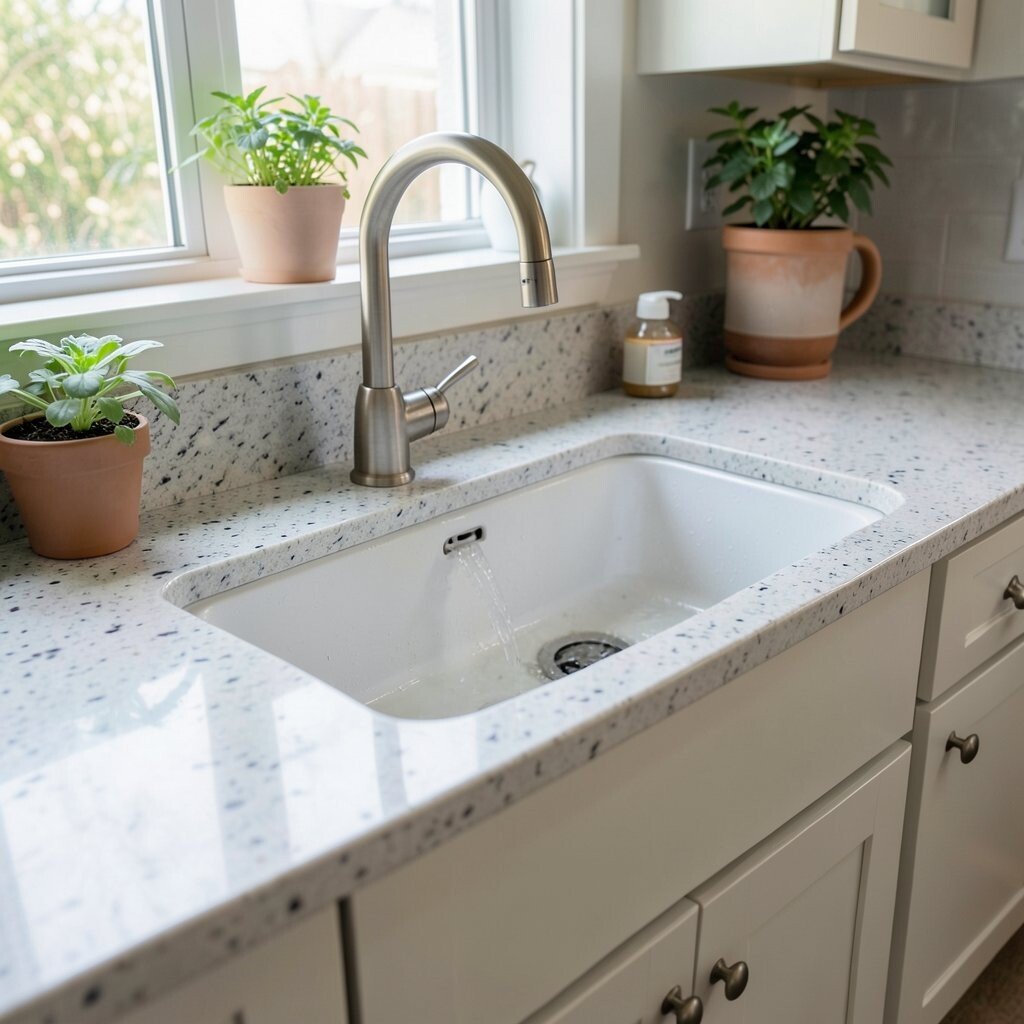
Pets love water, but they don’t always love what’s in it. A smart sink design can reduce accidental drinking and keep your kitchen safer.
Choose a faucet with a spray that’s easy to clean, and consider a pull-down head that you can aim away from the edge. If you have a pet who investigates taps, a faucet with a smooth, simple finish helps you wipe water spots quickly.
For daily life, keep a dedicated water station in a stable spot and clean it regularly. When your pet has a reliable option, the sink becomes less tempting.
This approach also supports a cleaner kitchen because you can maintain habits, not just hope. Try a “fill and wash” routine so bowls are fresh while you cook.
12. Add a wipe-friendly pantry and treat storage area
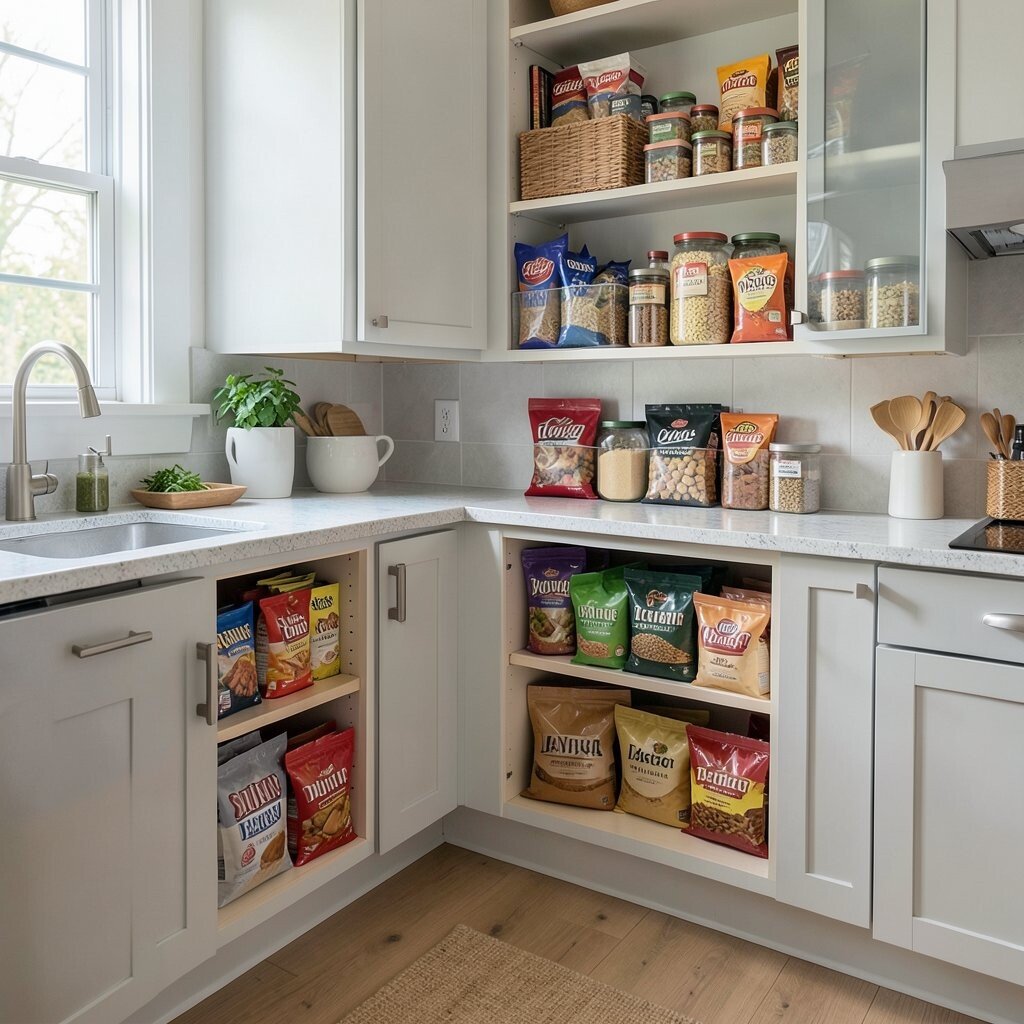
A pantry is where you keep food, and pets are experts at noticing new smells. Make it easy to organize and harder to access.
Consider pull-out shelves, clear bins, and labels so you can find items without leaving the door open. Use airtight containers for pet-safe foods you store for training, and keep human snacks in sealed storage that closes tightly.
13. Go for rounded edges and safer materials around busy corners
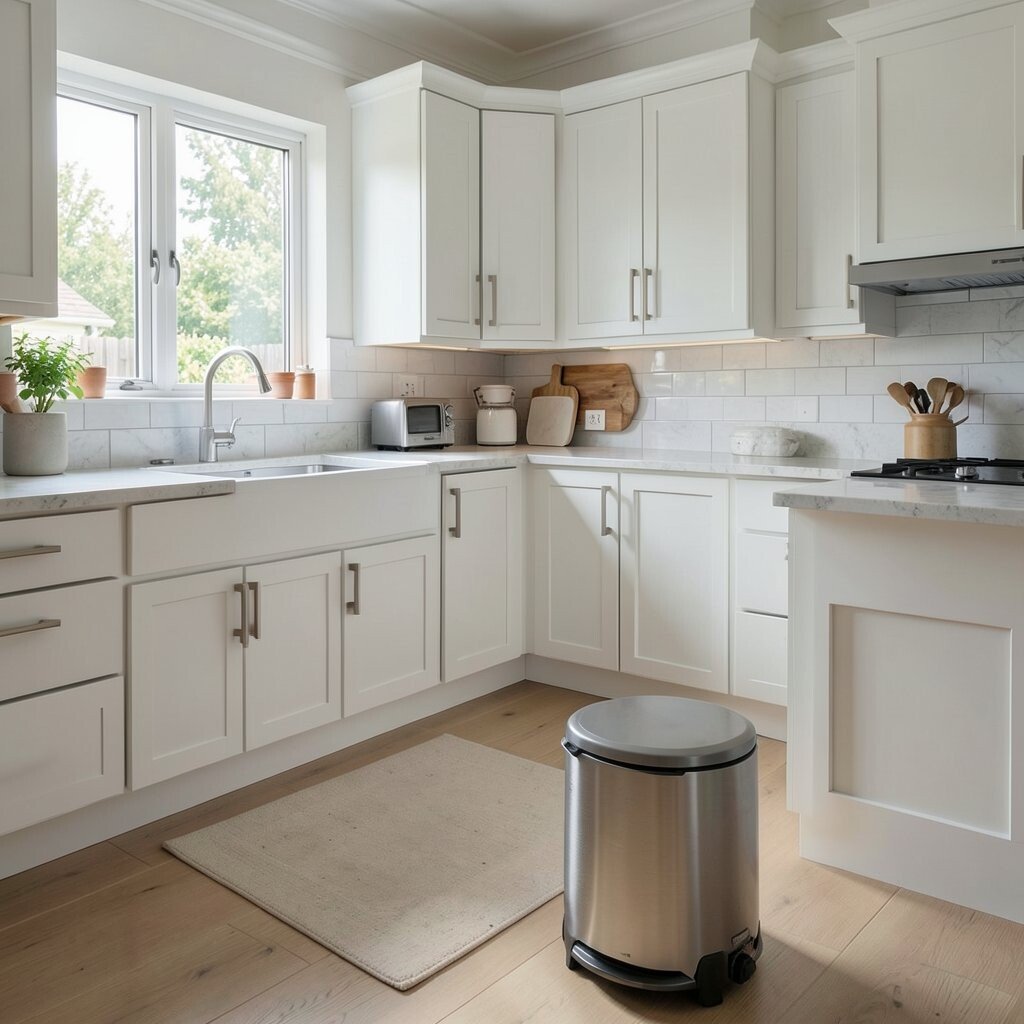
Kitchen corners get bumped, and pets get curious. Cleaner lines and safer edges help reduce injuries and scuffs.
Look for rounded countertop corners, curved cabinet fronts, and non-sharp transition strips. If you’re choosing a kitchen island, plan how pets pass around it so they can move safely.
This also makes the kitchen feel more inviting, because sharp angles can feel cold. When you design for comfort, it’s easier to keep a calm space where pets feel welcome. If you’re budgeting, consider investing in the areas pets touch most, like edges near feeders and walkways.
14. Use pet-safe window coverings and screens
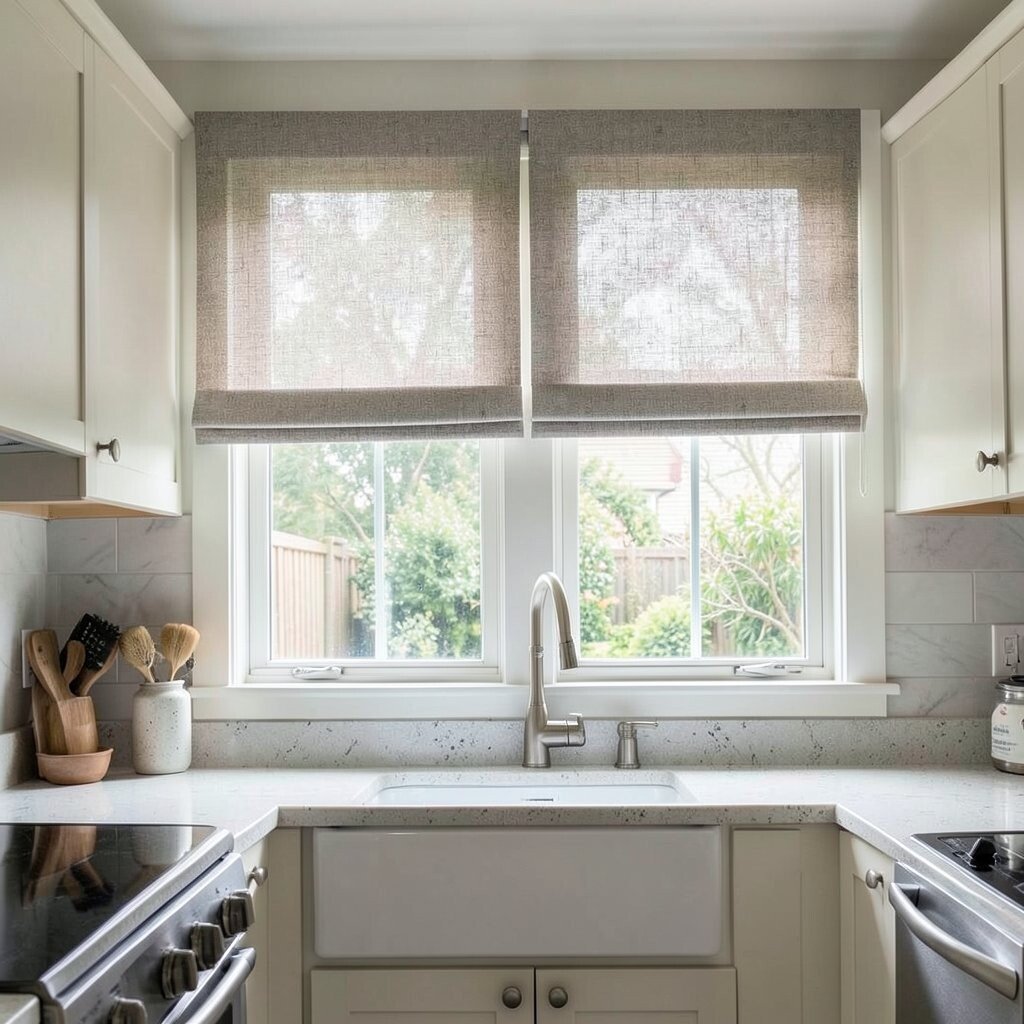
Windows bring sunlight, and pets love watching what’s happening outside. But open windows, dangling cords, and loose screens can cause trouble.
Choose cordless blinds or motorized options that remove dangling strings. Make sure screens are secure so your pet can safely watch without a gap or loose edge.
For cats, place a comfy perch where they can observe the outdoors without hopping onto counters. You can style the viewing spot with a window bed, a small cushion, and a side table for safe storage of grooming tools.
These choices can look very modern, especially with sleek lines and neutral fabrics. When planning cost, compare blind options because cordless styles vary widely by brand and material.
15. Choose appliance placement that keeps “tempting zones” off-limits
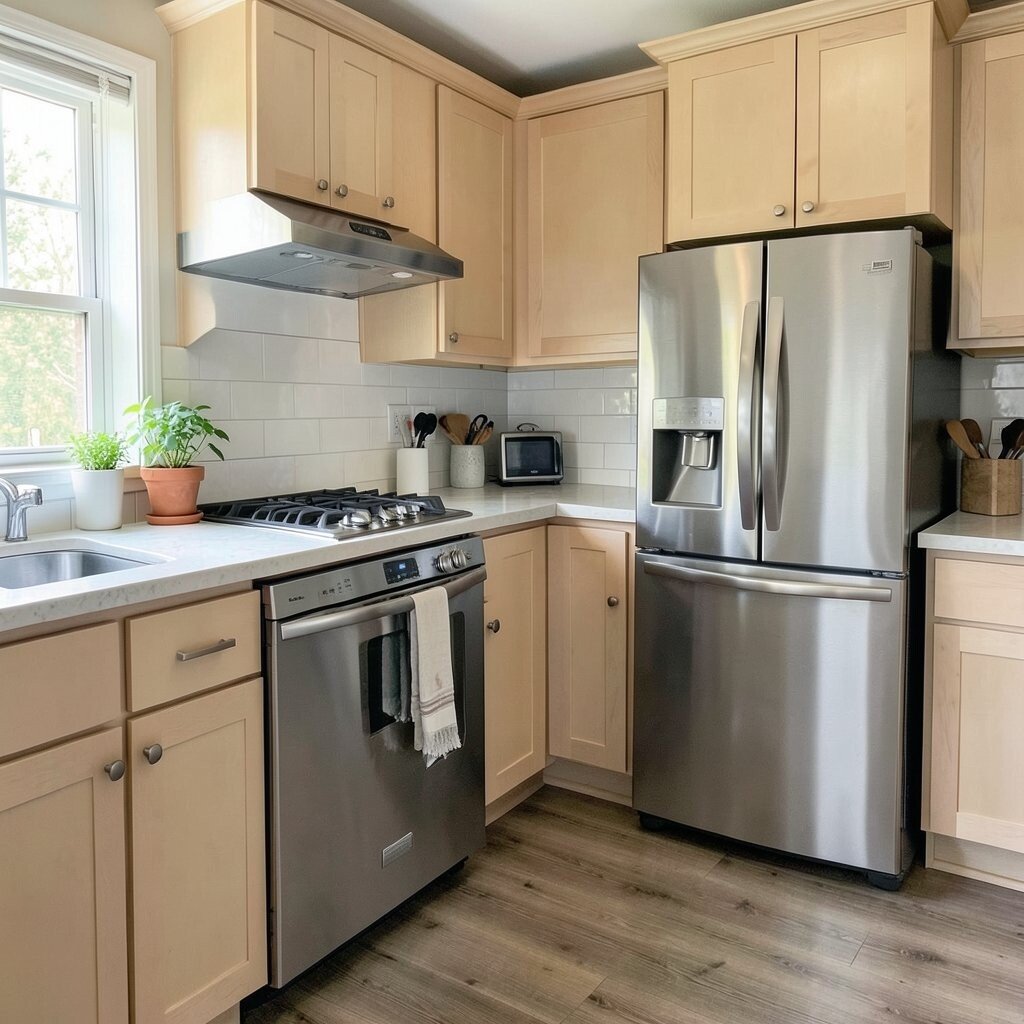
Appliances can be risky when pets want to investigate warm surfaces or open doors. Plan the layout so the most tempting items are placed higher, deeper, or in secured areas.
Store trash pull-out bins away from the edge of an island and avoid leaving bagged food within easy reach. If you use a pet-friendly strategy like a feeding station, keep it separate from cooking zones so your routine stays simple.
16. Create a calming feeding corner with stable surfaces
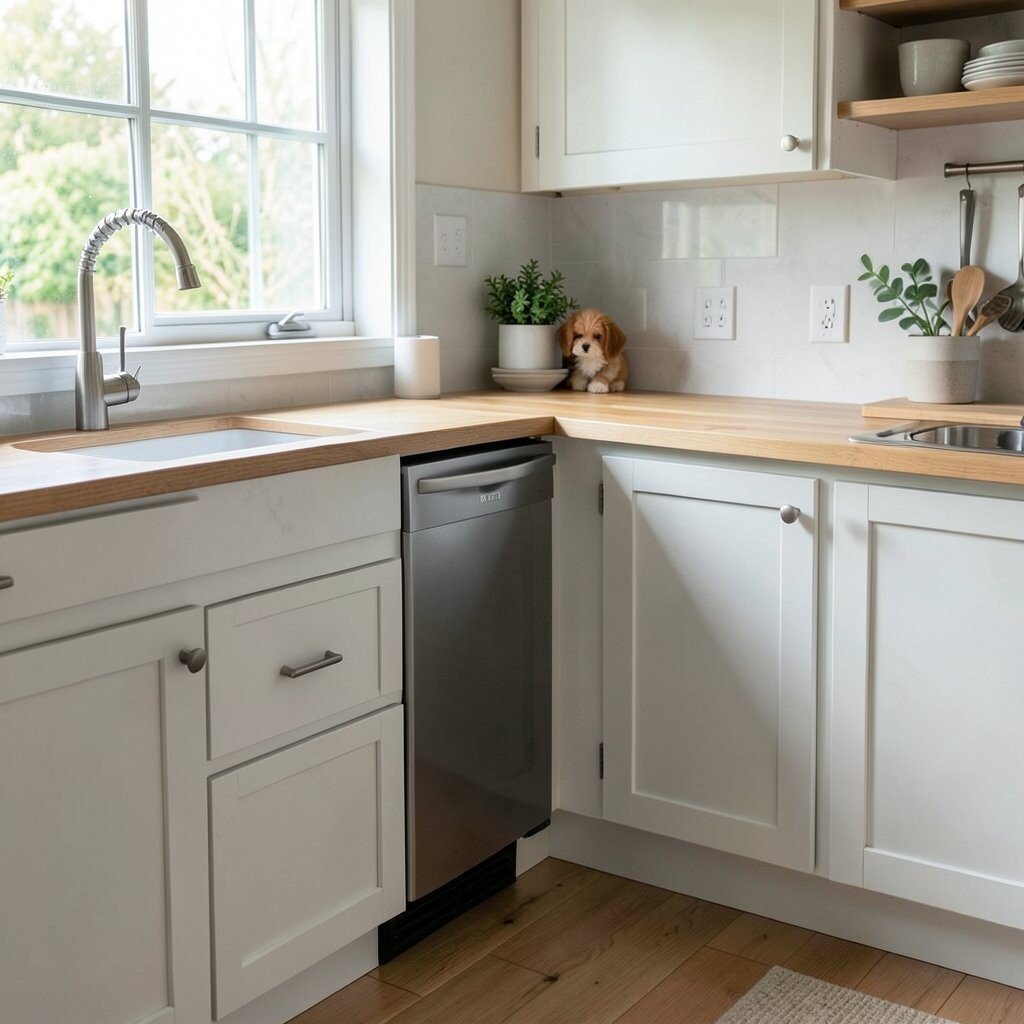
A feeding corner can look like a design feature instead of a messy necessity. When it’s stable and comfortable, your pet eats with less stress and you clean less often.
Use a raised or built-in station with smooth, wipeable materials and a slight lip to catch drips. Add a washable mat underneath so crumbs and water stay off the floor.
For personalization, pick a color that matches your backsplash or cabinet pulls. You can even add a small shelf for scoops and placemats, as long as it’s out of reach. Budget-wise, built-in stations can be a mid-range upgrade that pays off through daily convenience.
17. Plan a pet-safe cleaning routine by choosing the right materials
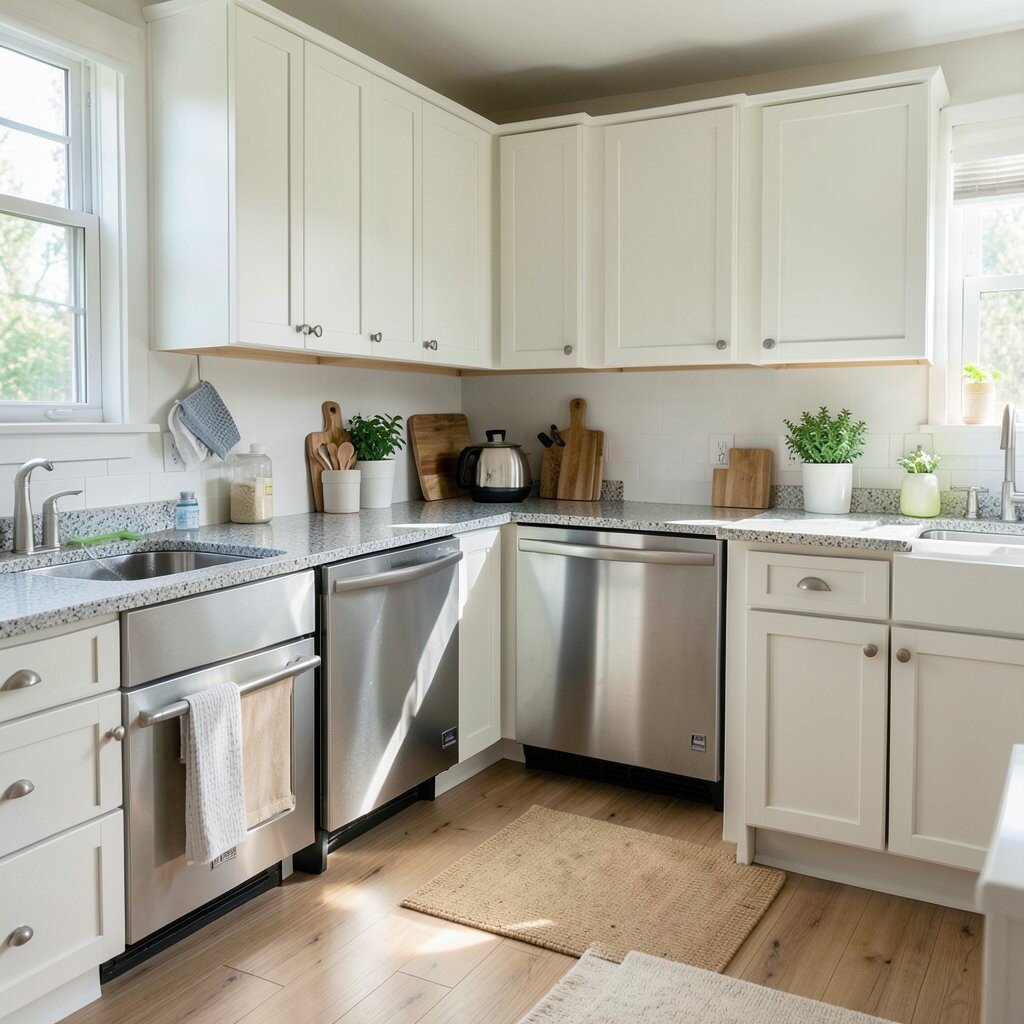
Remodel choices can make cleaning feel quick instead of exhausting. When your kitchen surfaces are compatible with fast wipes, daily mess becomes manageable.
Pick grout and sealants that support regular cleaning without constant re-doing. Use kitchen paint and finishes that wipe clean and resist scuffs, especially on wall areas pets brush against. If you want a trendy look, matte finishes are popular, but choose ones made for washable walls.
Then build a simple storage spot for pet-safe cleaning tools. Keep microfiber cloths, pet-safe sprays, and a small mop nearby so you don’t delay cleanups.
Cost considerations matter here, too, because quality cleaning tools and durable finishes can prevent repeat repairs. When you match materials to your real cleaning habits, your kitchen stays fresh for you and your animals.