
Bright playthings can turn a normal day into a storybook scene. Some toys even ask kids to invent the next part on their own.
Here are colorful picks that encourage imagination, help with learning, and still feel fun from the first moment.
-
1. Magnetic Tile Tiles Set

Magnetic Tile Tiles Set The pieces look like shiny little squares and triangles in bold colors, and they snap together with a satisfying click. Kids can build houses, robots, or bridges that stand tall on a tabletop.
Magnetic construction toys strengthen spatial thinking and fine-motor control while kids practice patience and planning. Try starting with a simple prompt like “Make a tower that can survive a pretend wind.” Then let your child redesign it after each attempt.
If you want personalization, choose one color for “home,” another for “trains,” and let them label their creation with sticky notes or craft letters. For cost, consider buying a smaller starter set first, then add a few pieces over time based on what your child uses most.
-
2. Water-Painting Doodle Mat

Water-Painting Doodle Mat A water doodle mat shows bright outlines and patterns, and it turns blank areas into glowing drawings as a special brush soaks them. The colors feel fresh, and kids can erase by waiting for the mat to dry.
This type of toy supports pre-writing skills and relaxes kids who like calm, steady activities. It also helps with sequencing, because they can repeat steps for new scenes—like drawing a sun, then a road, then a house.
Personalize it by letting your child pick a theme each day, such as “ocean day” or “space day,” and you can place themed word cards nearby. For a current trend, many families enjoy “mess-free creativity,” so look for models that are easy to wipe and store, which can save money on cleanup supplies too.
-
3. Color-Changing Slime Starter Kit
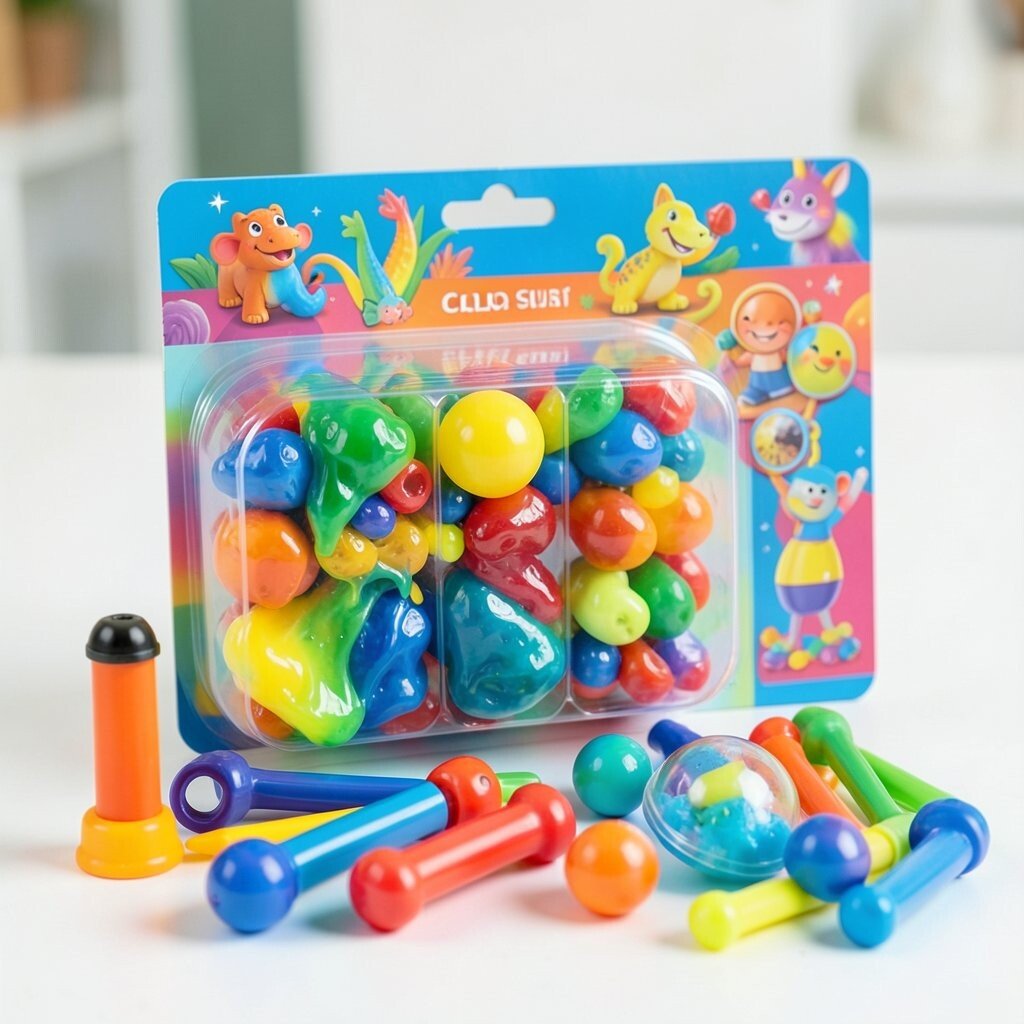
Color-Changing Slime Starter Kit This kit usually comes in vibrant jars with swirling gel that can shift shades when mixed or activated. When kids stretch it and poke it, the slime holds shapes briefly, making it feel alive.
Slime builds sensory confidence and can boost creativity by turning messy experiments into “lab time.” It also encourages careful measuring and listening, since kids follow steps for the best results.
To make it unique, add safe mix-ins like foam beads, glitter-free confetti, or themed tools such as tiny plastic molds. For cost considerations, choose kits with refills or use a small portion to start, then add extra supplies only when the routine becomes a favorite.
Many kids love “science-style play” right now, so try asking questions like “What happens if we stir slower?” and celebrate the unexpected outcomes.
-
4. Wooden Rainbow Building Blocks (Big and Smooth)

Wooden Rainbow Building Blocks (Big and Smooth) These blocks often come in rainbow stripes, and their smooth edges look warm and friendly in the hand. Stack them into tall castles, roll them down a ramp, or use them like a path for toy animals.
Building blocks support early math skills like counting and comparing sizes, and they also strengthen grip and balance during play. For best results, give a challenge such as “Build a bridge with three different colors” and then ask your child how they know it will hold.
You can personalize the sets by keeping a “color job list,” like red blocks for engines and blue blocks for rivers. While wooden sets can cost more upfront, they are durable, so they often last through many stages of growth, which can make them worth it.
-
5. Story Dice with Colorful Characters

Story Dice with Colorful Characters Story dice are small cubes printed with characters, actions, places, and feelings, often in bright comic colors. Kids roll them and instantly get a new plot idea, like a dragon in a library or a robot at a beach.
This toy helps with language growth, imagination, and listening to others, especially when kids take turns. Try a “quiet-to-loud” version where your child whispers a sentence first, then repeats it with more excitement.
Personalization is easy: keep a few blank sticky labels so your child can add names of friends, favorite animals, or family places to the sides. For cost, you can start with one set, then add expansion sheets when your child wants more variety, which matches current trends toward portable, low-screen creativity.
-
6. Pretend Play Tea Party Set
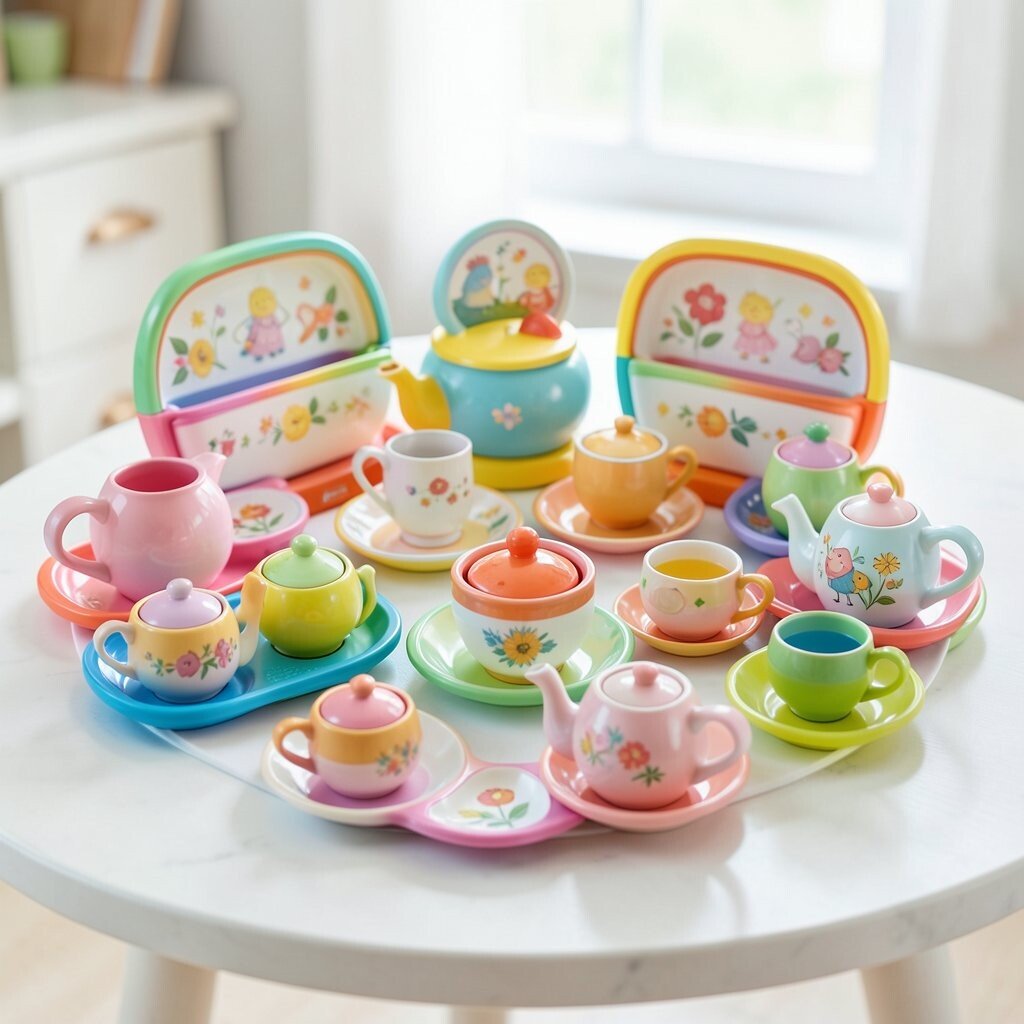
Pretend Play Tea Party Set The cups and plates come in cheerful colors, sometimes with flower patterns and shiny edges. When kids pour imaginary tea, the table becomes a pretend café with real “customer” excitement.
Pretend play improves social skills and boosts creativity because kids practice roles, scripts, and problem-solving. Suggest a tip like “Ask one question when you’re the waiter,” such as “How would you like your sweet?”
For personalization, let your child create a mini menu by drawing pictures of drinks and snacks. Cost can vary, so look for sets that include storage space or mix-and-match pieces, and watch for sales at end-of-season holidays.
-
7. Sticker Art Pad with Foil and Thick Pages

Sticker Art Pad with Foil and Thick Pages Sticker art pads often feature bright animals, buildings, and magical icons, and some designs include shiny foil that catches the light. Kids can layer stickers to build scenes like a pirate ship, a garden, or a sports stadium.
This toy supports fine-motor practice and planning, because kids decide what goes first and how to balance sizes. It’s also great for kids who like quick wins, since the page fills up fast with meaningful creations.
To personalize, let your child name their pictures and write the names at the bottom with crayons. If you’re thinking about cost, consider packs that include multiple scenes per pad, and choose reusable sticker books if your child wants to start over again and again.
-
8. Mini Art Easel with Washable Markers
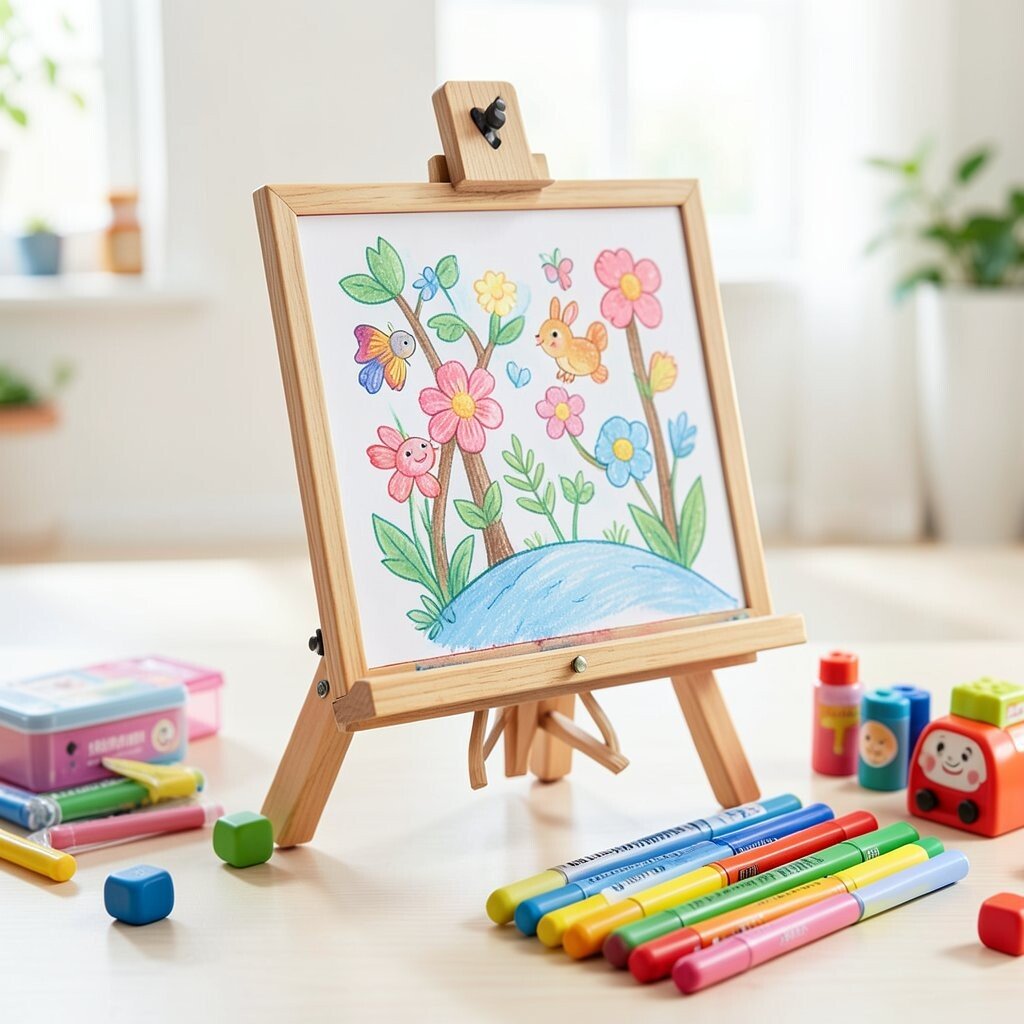
Mini Art Easel with Washable Markers An easel can look like a small colorful stage, and the boards usually tilt so kids can draw comfortably. Washable markers make the play feel safe, and the bright lines show up right away.
Drawing tools strengthen hand coordination and encourage kids to share ideas through pictures. Try a prompt such as “Draw a character who solves a problem,” then ask what the character tries first.
Personalize by hanging a string line above the easel and clipping finished artworks like a gallery wall. When thinking about cost, choose markers that match your child’s pace; a small starter set plus one refill can be cheaper than frequent replacements.
For trends, many families now keep a “creation corner” at home, and an easel helps that corner feel special without needing complicated supplies.
-
9. Wind-Up Dancing Robot Toy

Wind-Up Dancing Robot Toy A dancing robot toy often has bright lights, colorful buttons, and moving arms that look like they’re doing a show. Kids can wind it up and then predict how it will move next.
This toy sparks curiosity about cause and effect, which supports early science thinking. Give a tip: have your child place the robot on different surfaces and notice what changes.
To personalize, let your child invent a “robot nickname” and give it a pretend mission, like “dance to help the moon.” If the cost worries you, watch for simple wind-up versions that last, since these don’t always need batteries.
-
10. Play-Dough Tools in Bold Colors
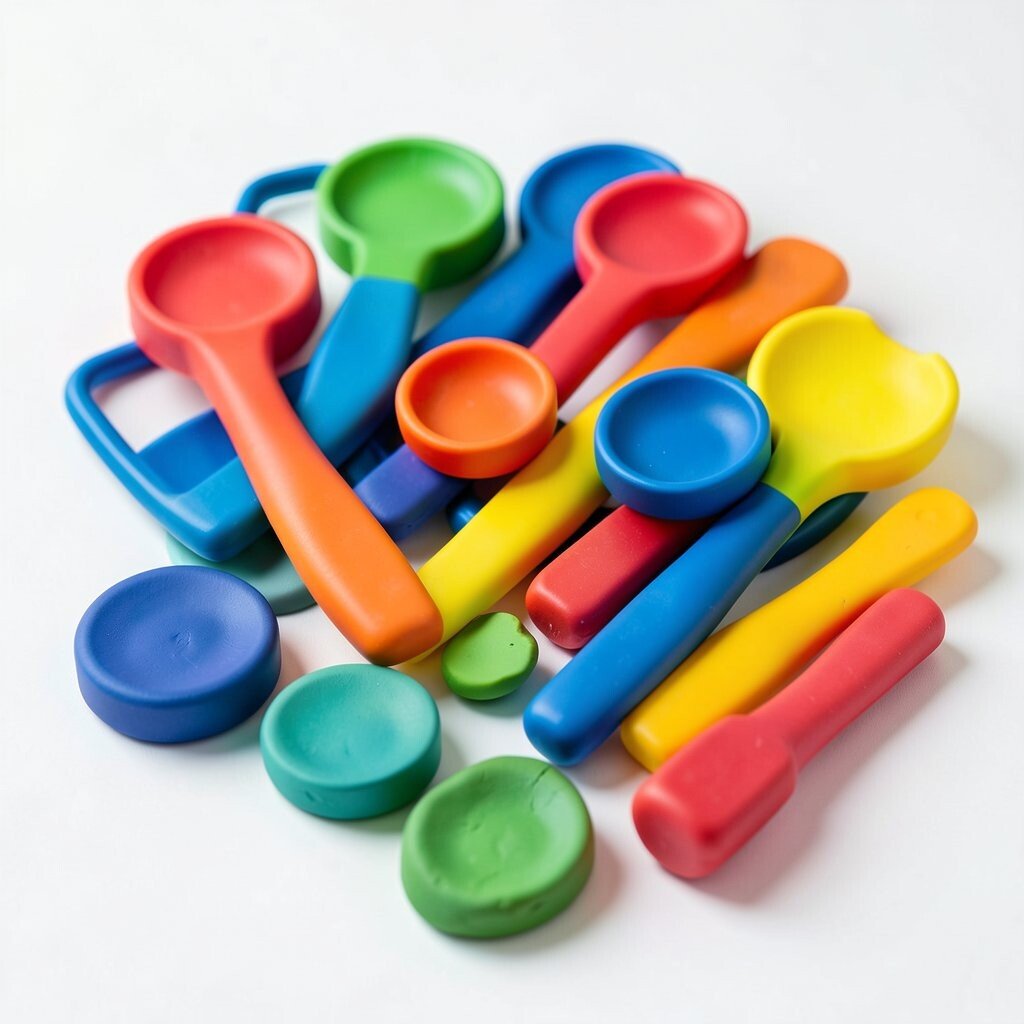
Play-Dough Tools in Bold Colors Play-dough tubs filled with sunshine colors can look irresistible on a shelf, and the tools add fun textures like wheels, stamps, and cutters. The dough can turn into tiny pizzas, bracelets, or animal tracks.
This toy builds creativity through making, shaping, and pretending, while also improving grip strength and finger control. Try suggestions like “Make a rainbow road,” then use stamps to create lanes for toy cars.
For personalization, store a small “character box” with plastic eyes, mini hats, and colored pipe cleaners, so kids can turn shapes into people or monsters. Cost can stay reasonable if you use homemade dough or buy bundles, because tools can outlast dough over time.
-
11. Building Bricks with Person and Animal Figures

Building Bricks with Person and Animal Figures Bright bricks plus cute figures make kids feel like they’re building a whole world, not just towers. The pieces can snap into different shapes, and the characters add instant storytelling energy.
This kind of construction toy supports creativity, problem-solving, and teamwork when siblings take turns building. Try a rule like “One builder designs, the other narrates,” so kids practice both thinking and speaking.
Personalize the sets by adding small printed “signs,” like “Beach,” “Zoo,” or “Secret Lab,” and place them next to the creations. For cost considerations, start with a versatile base set and then add figures only when your child asks for a specific theme.
Right now, many kids enjoy “mini scenes,” so encourage your child to build a short story with a beginning, middle, and end.
-
12. Drum Kit for Tiny Performers
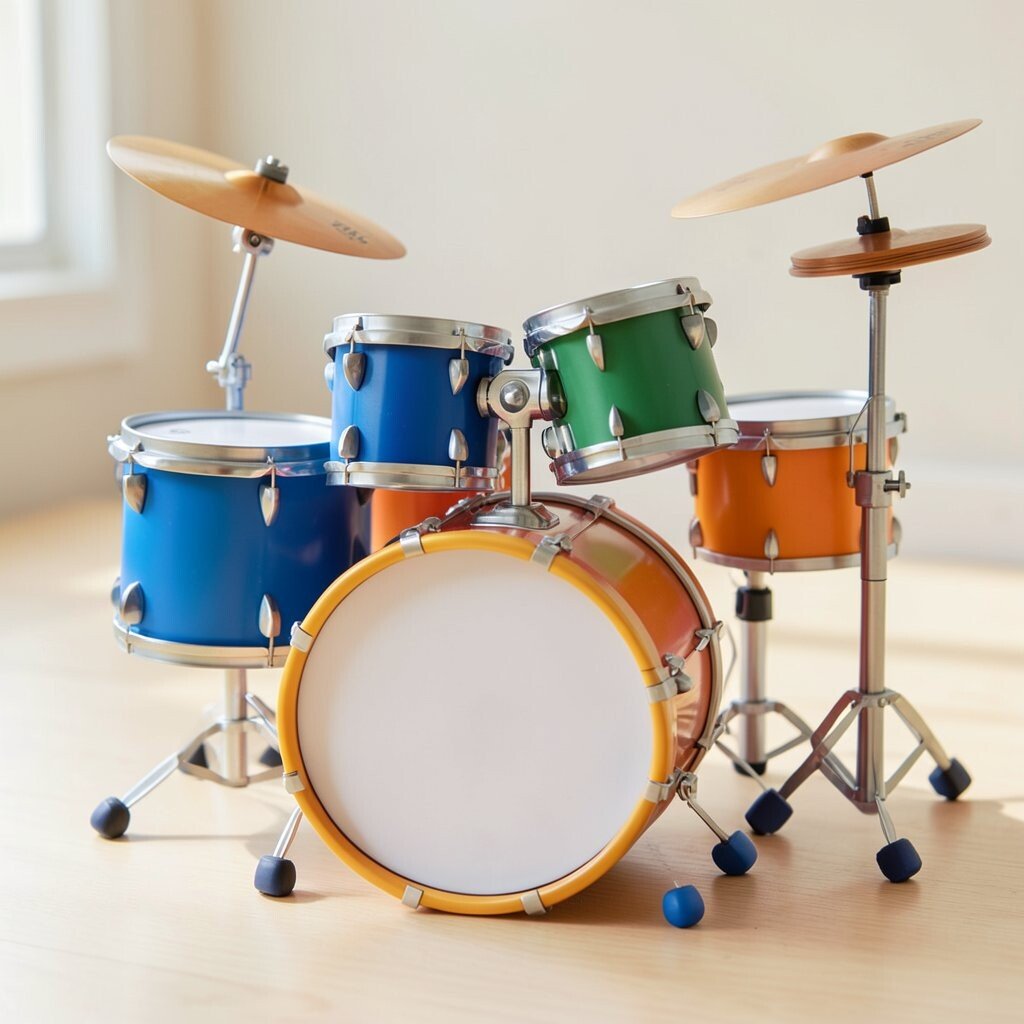
Drum Kit for Tiny Performers A kid drum set with colorful shells looks like a mini stage, and the sound invites movement right away. Kids can tap, clap rhythms, and pretend they’re playing at a party for superheroes.
Music play supports brain development, memory, and coordination, especially when children copy beats. Use a tip like “Play a rhythm for me,” then switch roles so your child becomes the teacher.
For personalization, create theme songs with your child’s name or favorite animal, and write simple beat patterns on paper. Cost can vary, but you can start with one drum or a small set and still get strong creative benefits.
-
13. Crayon and Color Wheel Drawing Cards
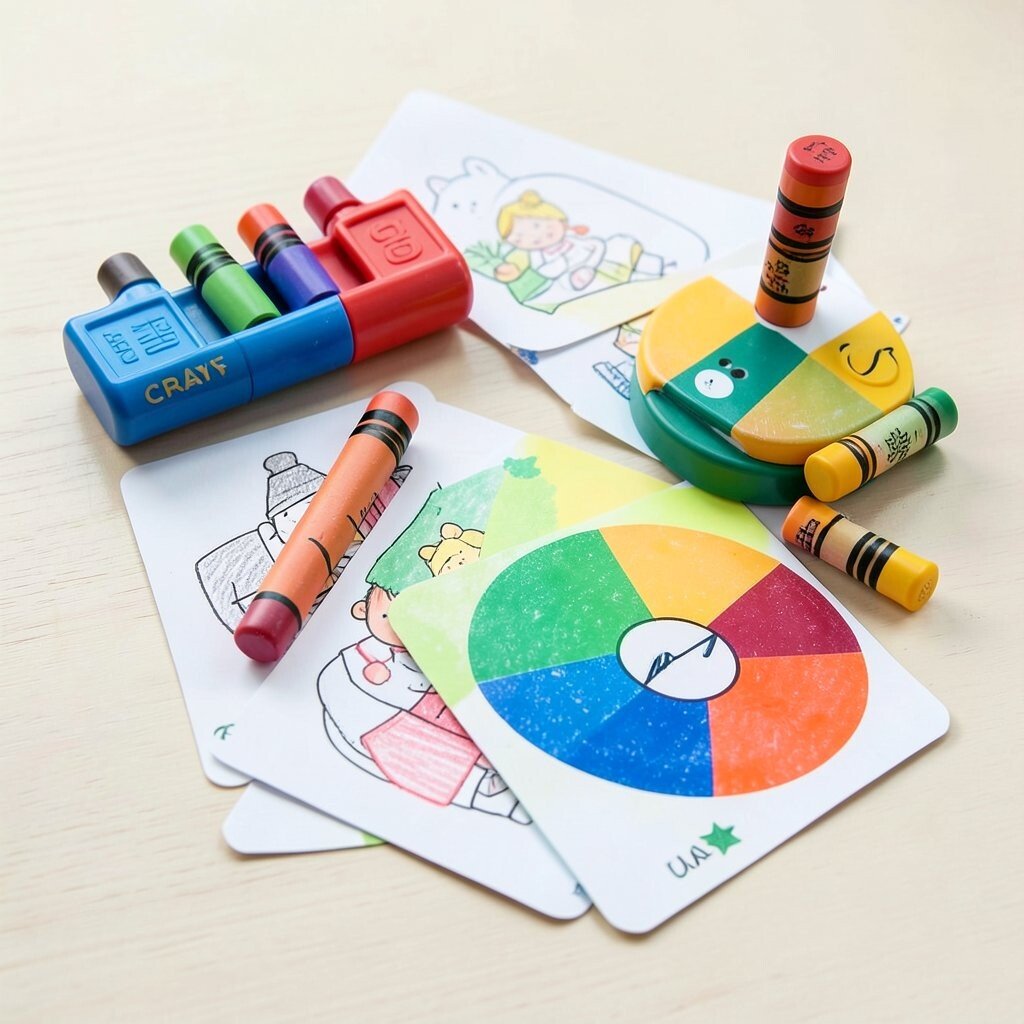
Crayon and Color Wheel Drawing Cards Color wheel cards often show big, friendly circles with matching shades, and they guide kids to choose colors on purpose. Kids can follow prompts to make patterns, sunsets, or monster faces with matching color families.
This helps kids think creatively with a “why,” because they learn how colors work together while practicing drawing. Try a suggestion like “Pick one warm color and one cool color,” then ask your child to explain the mood they’re making.
Personalize by adding your child’s favorite colors as “rules,” like “Always use glitter yellow for the hero.” If cost matters, look for reusable card sets or bundles that can be used for years, especially if your child loves art activities.
-
14. Sensory Blocks with Texture Patterns

Sensory Blocks with Texture Patterns These blocks include different textures, like bumpy dots, ridges, and smooth curves, in bright rainbow colors. Kids can stack them, run fingers along the surfaces, or build patterns they can feel with their hands.
Sensory toys help children regulate attention and strengthen body awareness, which can support learning readiness. Offer a tip: ask your child to sort blocks by texture type, then by color.
Personalization can be fun and creative, too—try making “texture maps” where each block becomes a location in a pretend maze. For cost, consider sets that include multiple textures in each block, so you get variety without buying lots of separate toys.
-
15. Costume Pieces for Role-Play Storytelling

Costume Pieces for Role-Play Storytelling Costume pieces, like capes, hats, and bright fabric accessories, add instant magic and big smiles. Kids can wrap themselves up like heroes, artists, detectives, or astronauts, and their movements often get bigger and bolder.
This toy encourages storytelling, confidence, and empathy because kids act out characters and practice different viewpoints. Try a tip: set a timer and ask your child to create a “three-scene story” using costume pieces as clues.
Personalize costumes by sewing on patches, adding name tags, or using fabric markers to draw symbols that match a child’s favorite themes. For cost considerations, look for starter bundles or secondhand options that are easy to wash, and remember that creativity often depends more on imagination than on expensive materials.