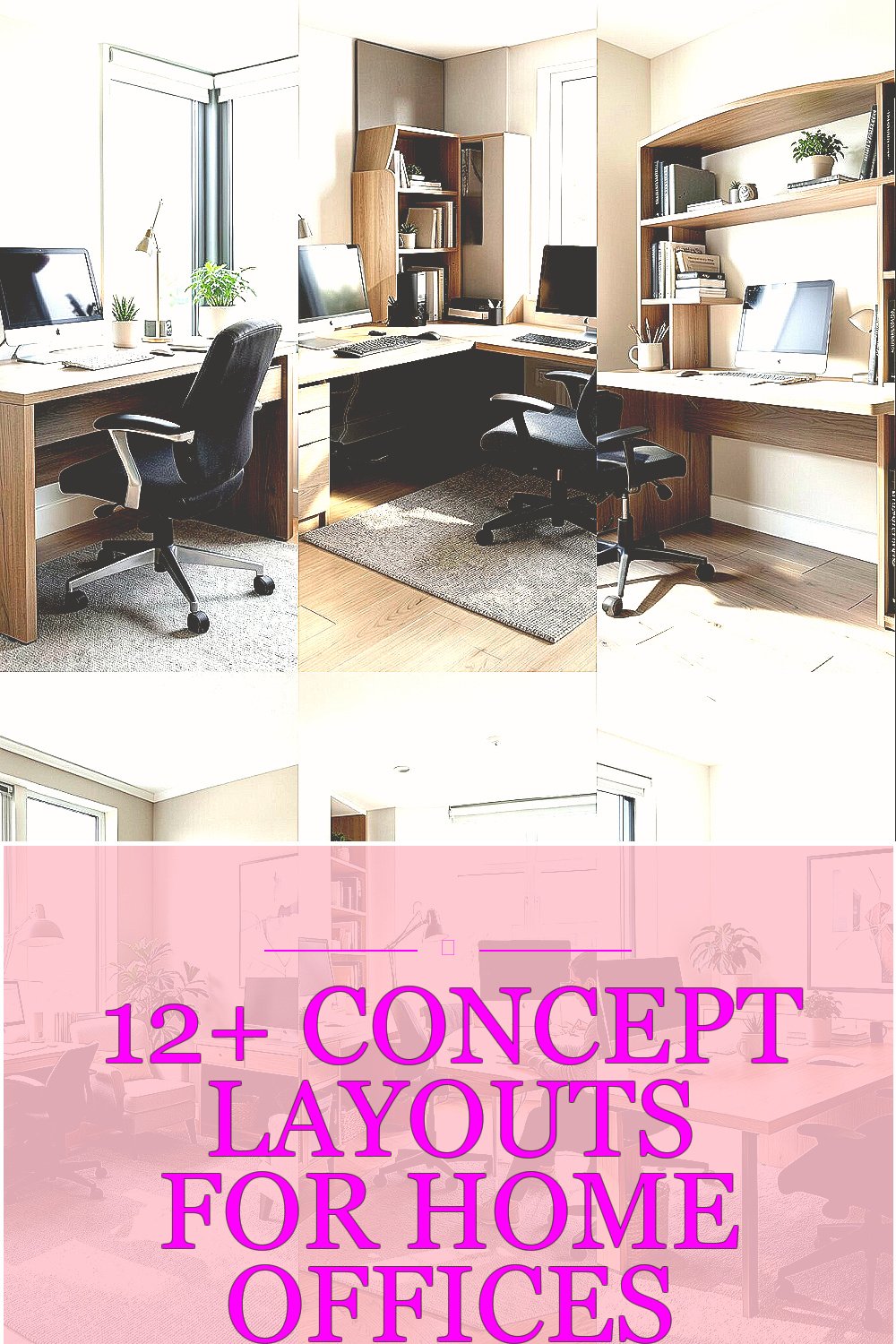
Your workspace can feel calm and powerful at the same time. The right layout can make every task easier from the moment you sit down.
Home offices are no longer “just a desk in a corner.” With smart planning, your space can look good, work well, and support your daily rhythm.
-
1) The Window-Anchor Desk
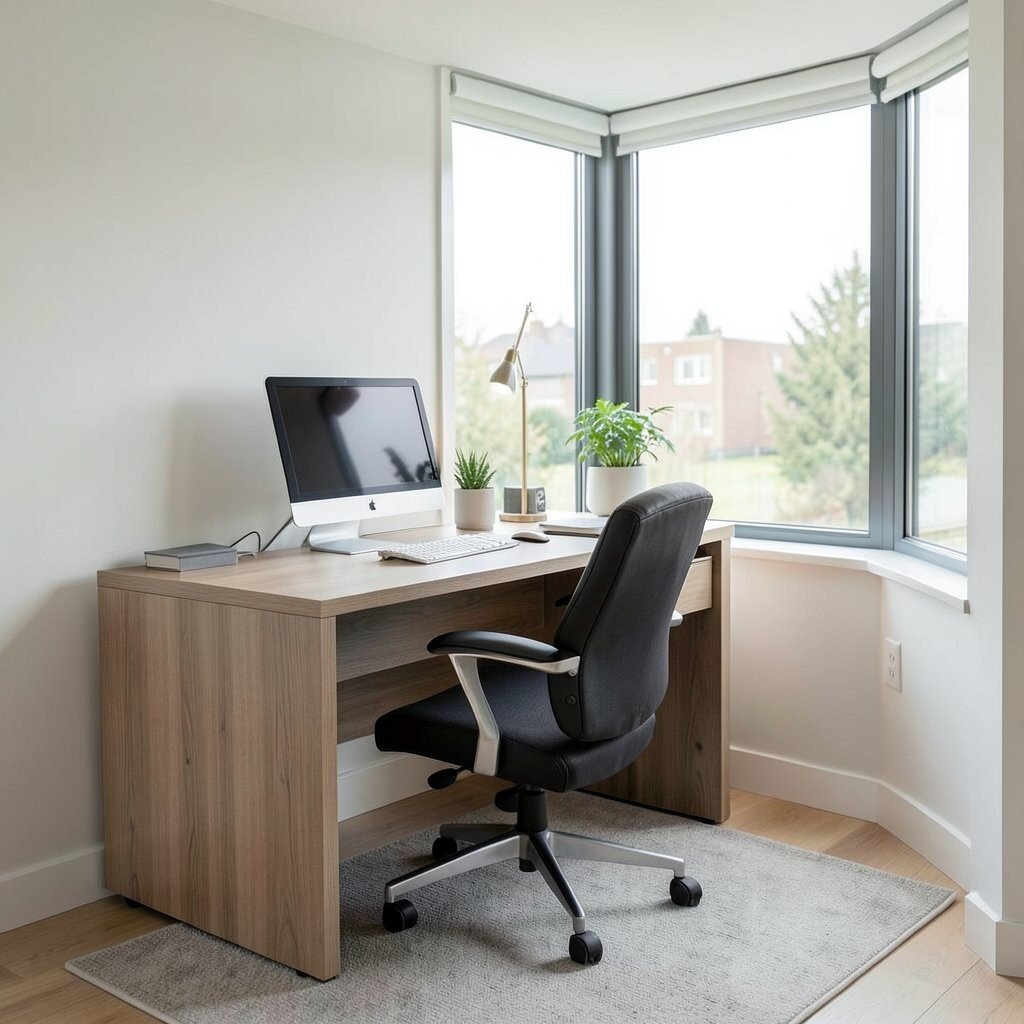
) The Window-Anchor Desk Place your desk so the window is to your side, not directly behind your back. Natural light will spread across your books and screen, making everything feel brighter and cleaner.
Try a simple layout: desk, chair, and a narrow side table for your everyday items. Add a small lamp for cloudy days and keep cables tucked behind the desk to avoid visual clutter. You’ll likely feel more focused because the view gives your eyes a break between tasks.
If you want it to feel unique, frame a favorite photo or artwork where your glance lands first. A warm rug under the chair can soften echoes and make the space feel inviting. For personalization, match your monitor color accessories to your desk tone so it looks intentional.
-
2) The L-Shape Command Station
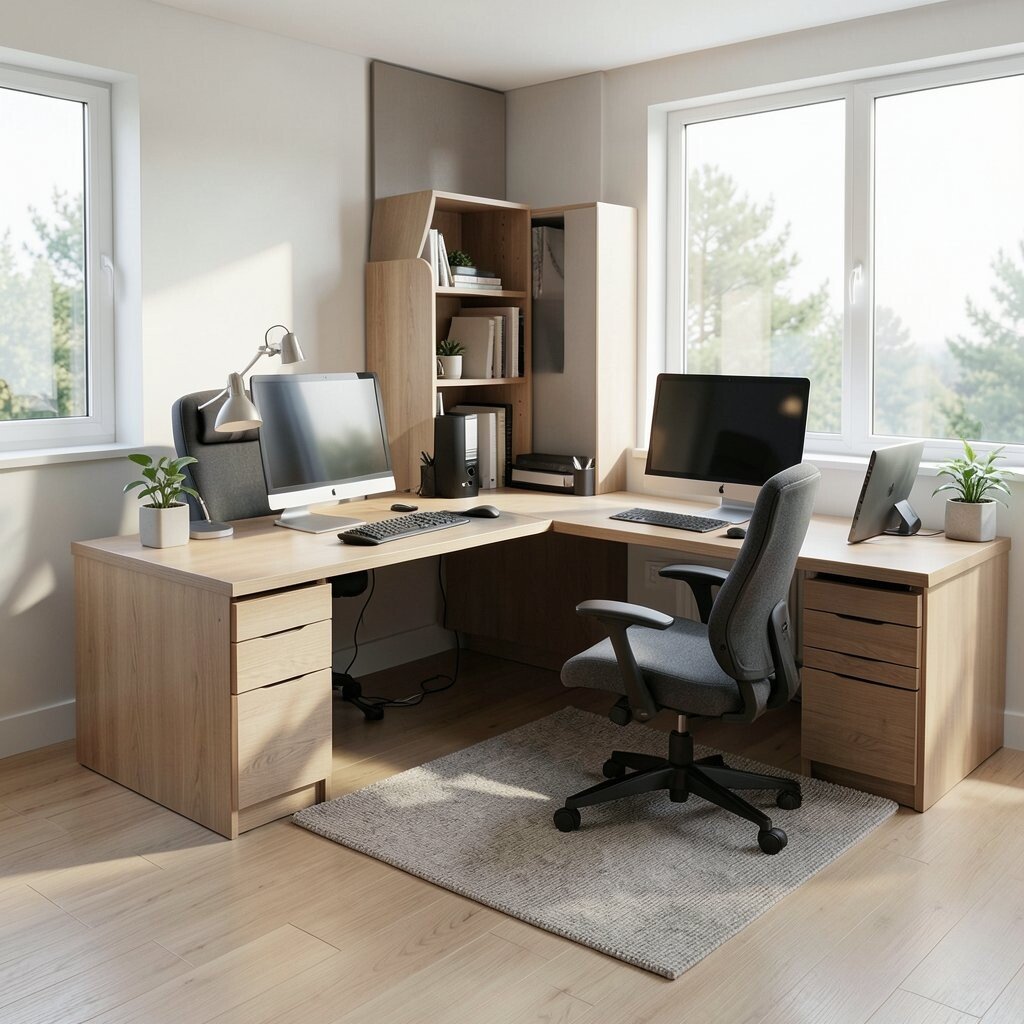
) The L-Shape Command Station An L-shaped setup turns one room into a mini headquarters. Picture a long bench for your computer and a second section for notes, calls, or reference materials.
Set up one “work zone” and one “support zone” so you never stack clutter where it blocks your movement. Use one surface for your laptop or monitor and the other for paper, a planner, and a phone stand. This keeps your workflow smooth and reduces the stress of searching for things.
To keep costs friendly, choose a single solid desk and add affordable shelves only where you need them. Current trends lean toward matte finishes and simple, rounded organizers, which look tidy without being flashy. Personalize with a color-pop tray for pens and a small charging dock that hides cords.
-
3) The Floating Desk With Vertical Storage
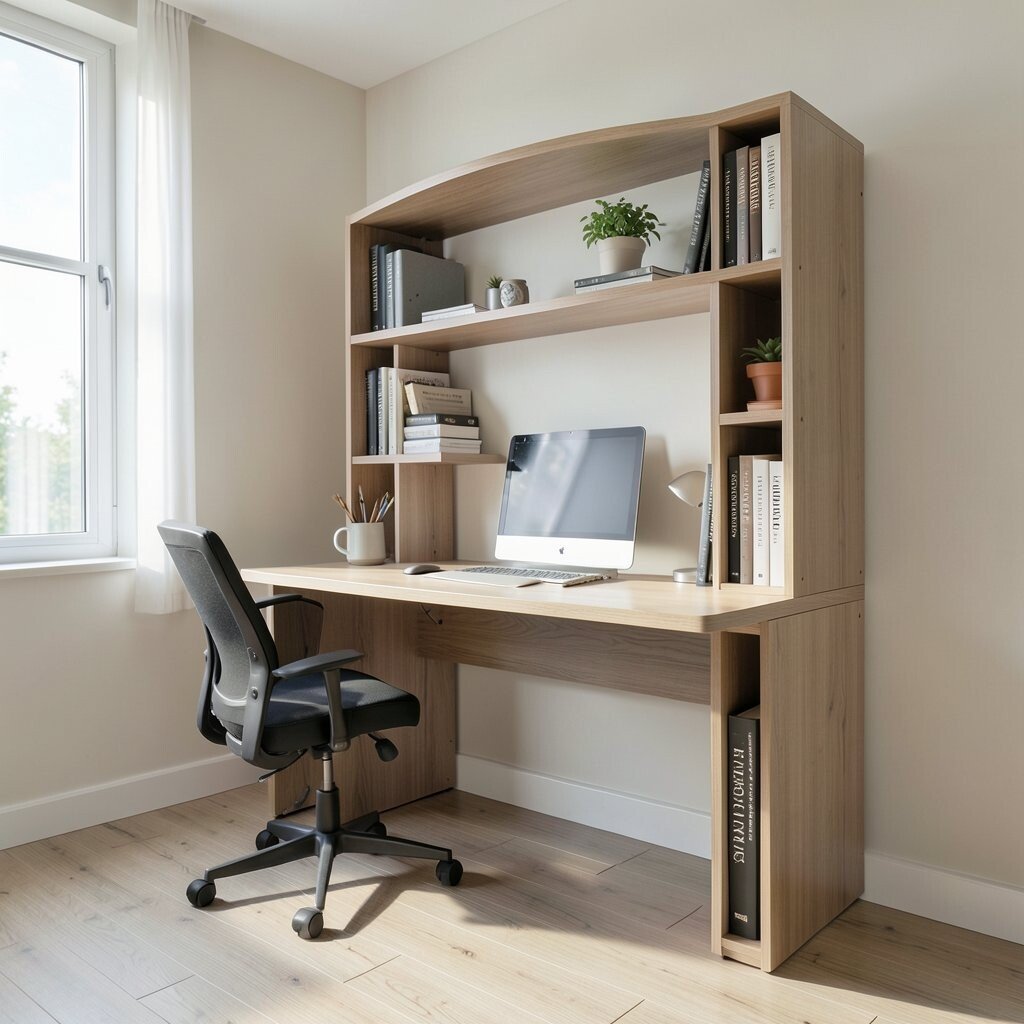
) The Floating Desk With Vertical Storage Instead of using a big desk footprint, try a floating desk fixed to a wall. Imagine a clean, light look with your chair pulled close and your laptop sitting at the perfect height.
Vertical storage is the secret here, so you can keep the floor open. Hang slim shelves above and add peg hooks for headphones, a bag, or hanging files. This layout helps your room feel bigger and makes it easier to reset your workspace quickly.
For tips, measure your wall space and think about where your monitor will sit before buying shelves. Use cable sleeves to run wires neatly from the power outlet toward the desk. If you enjoy a cozy vibe, add a small plant on a shelf edge so it feels like part of your routine.
To make it unique, style one shelf like a “mini gallery” with books stacked in a pattern and one piece of art. Budget-wise, you can start with just one shelf and grow later. The current look many people love is minimal with texture, like wood and woven storage baskets.
-
4) The Corner Focus Lounge
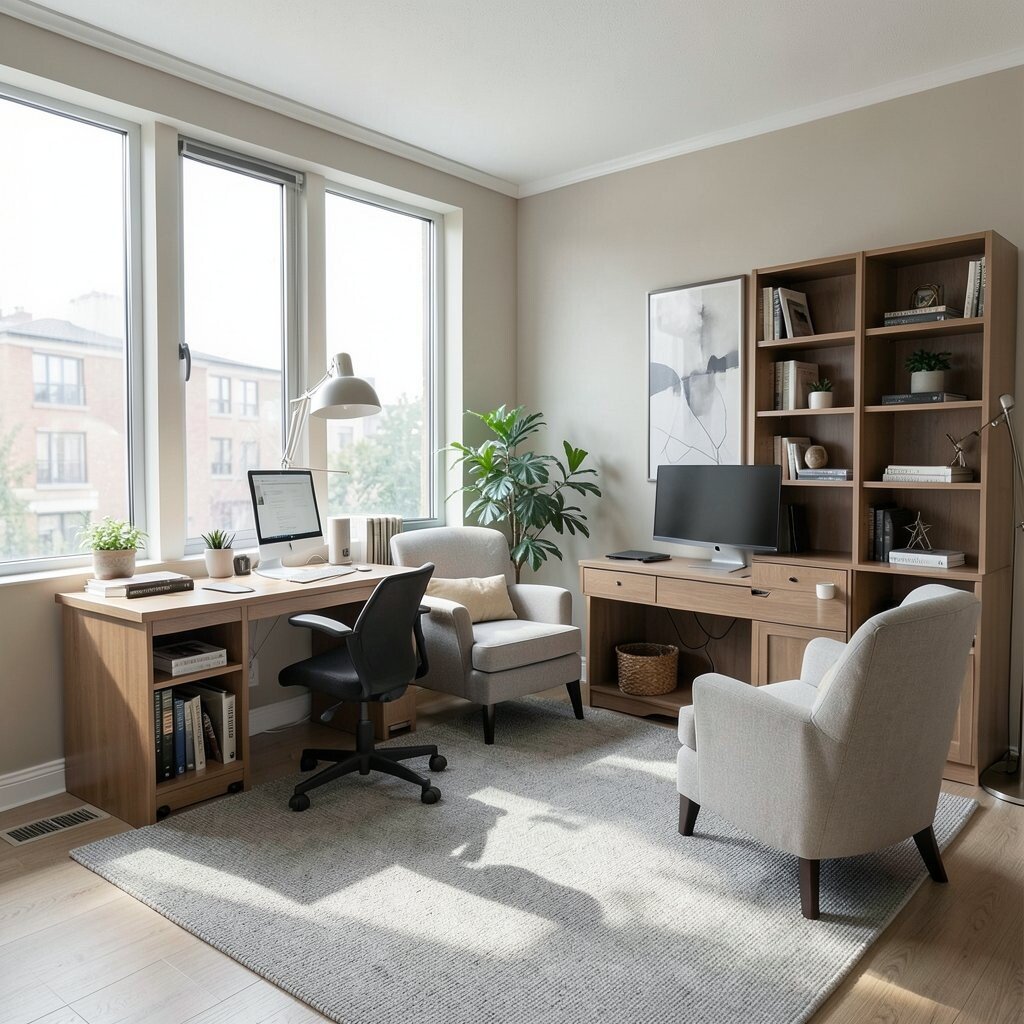
) The Corner Focus Lounge Use the corner of your room to create a focused nook. Picture a desk placed diagonally so you can face your space while still feeling tucked away.
Choose a compact desk and a chair with good support because corners can feel tighter. Add a tall bookcase or a slim divider behind you to reduce distractions from the rest of the room. This layout can help you settle into work mode because you’re not visually “on display.”
For personalization, add a small writing tray and a wall calendar where you can see it without leaning. Consider a cork board or pin panel on the side wall for notes, reminders, and inspiration. If you want to watch current trends, look for warm neutrals paired with one bold accent color like teal or burnt orange.
Cost considerations are helpful here: you can find corner desks that fit small spaces, and you can use inexpensive storage boxes if you label them. A budget upgrade that feels premium is a quality desk lamp with a flexible neck for task lighting.
-
5) The Walk-Through Work Path
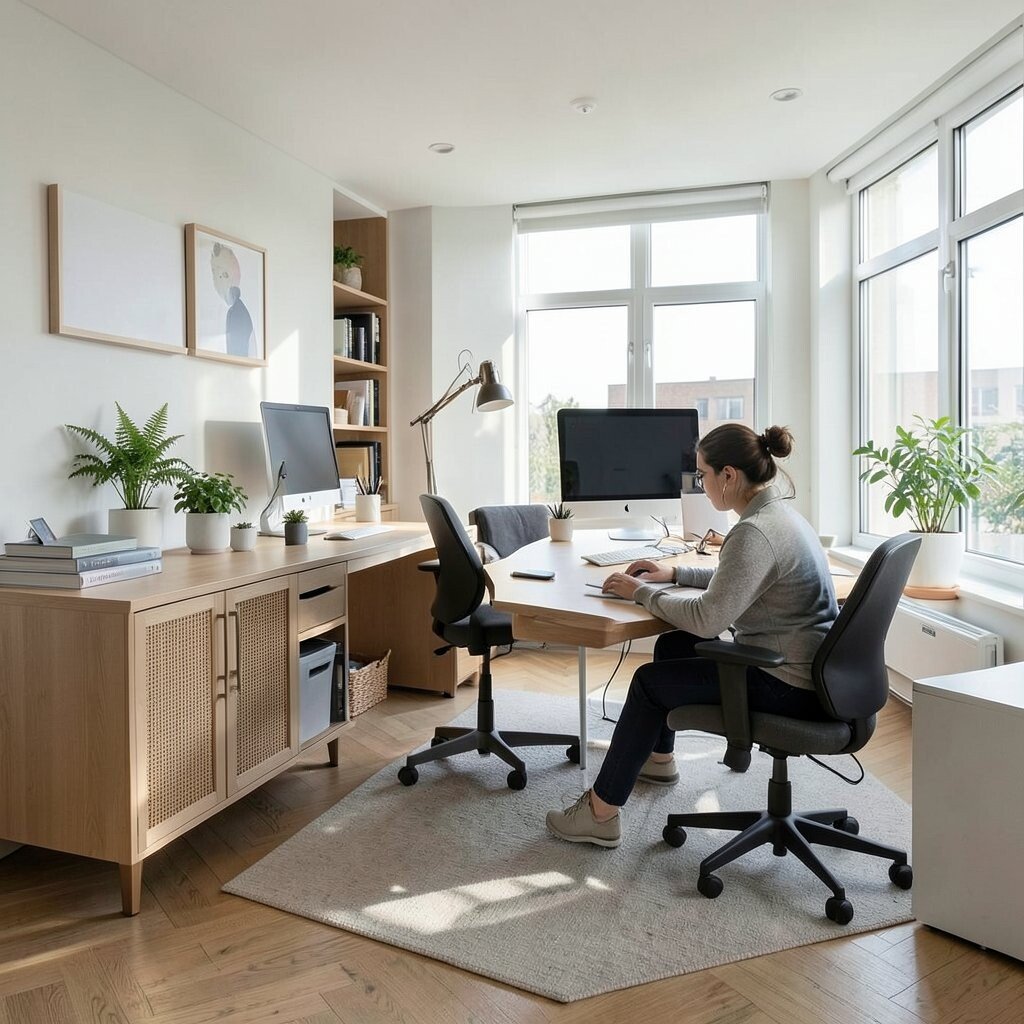
) The Walk-Through Work Path Some homes have a hallway or open space that people pass through daily. Instead of fighting it, build a work path with your desk facing inward so your screen stays protected.
Keep your desk a bit set back from the main flow. Use a narrow console or a low shelf between you and the walkway to soften the space and create privacy. This layout can help you work without feeling like you’re in the middle of everything.
To make it unique, add a slim runner rug to define the “work lane” visually. Use a drawer organizer for small items so you can close everything quickly when guests walk by. If you want a trend, many people are adding statement lighting, like a sculptural pendant or modern desk lamp.
-
6) The Shared Table, Smart Zones
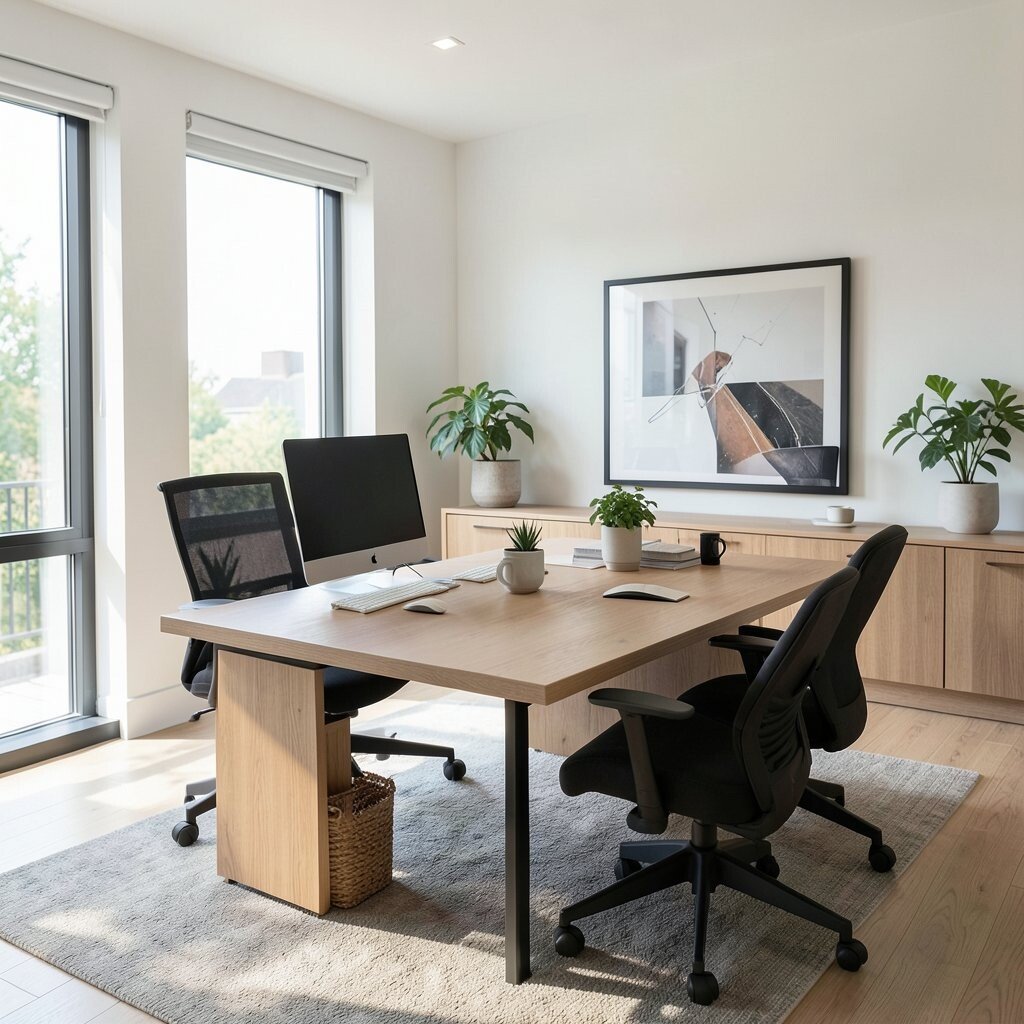
) The Shared Table, Smart Zones If you use a table that also serves other purposes, create zones with simple boundaries. Picture a tidy half for your computer and a separate half for reading or meetings.
Use desk dividers, a tray system, and a small shelf so each category has a home. This helps you switch from “work mode” to “life mode” without the desk becoming a mess. It can also make family life easier because you won’t leave items scattered.
To personalize, add a mail sorter and a sticky note pad where you can quickly capture ideas. You can also use two different pen colors and keep them in separate holders so tasks feel organized. Cost-wise, you can build this system with low-cost organizers before you upgrade furniture.
-
7) The Standing-Desk Corner
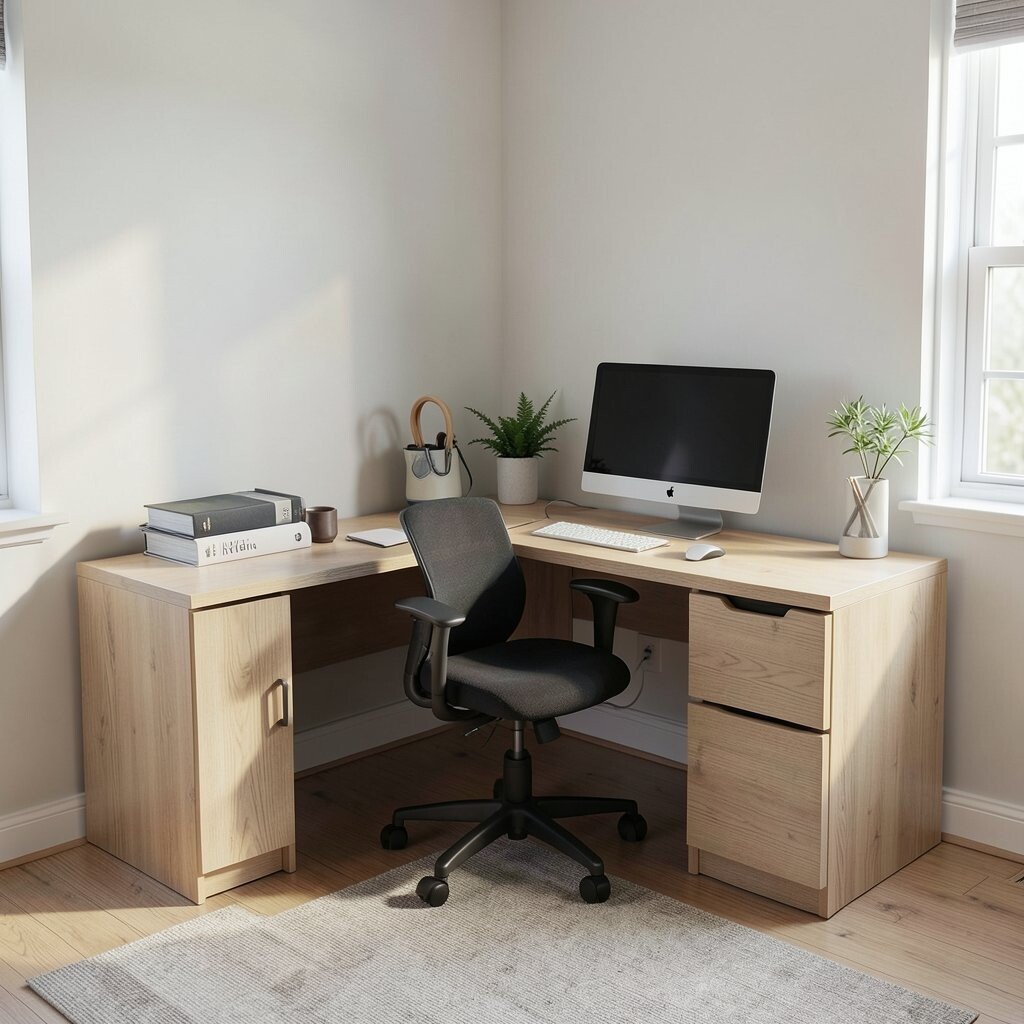
) The Standing-Desk Corner A standing desk can change how your space feels because it invites movement. Imagine your monitor at eye level while your body stays active and ready.
Place the standing setup near a window or in a bright spot so you feel energized. Use an anti-fatigue mat and keep a small stool nearby for quick breaks. Many people notice they feel less stiff, and you might find it easier to stay alert for longer stretches.
To keep it unique, choose a desk surface with a finish you enjoy touching, like wood grain or a soft matte. Add a wall rail for hanging a resistance band for quick stretches. A modern trend is pairing standing work with simple motion tools, like compact under-desk racks.
For budget thinking, start with a lift-top or adjustable desk converter if a full standing desk is too expensive. You can also spend money on ergonomics first, like the right keyboard height and a good chair for off-hours tasks.
-
8) The Library Wall Office
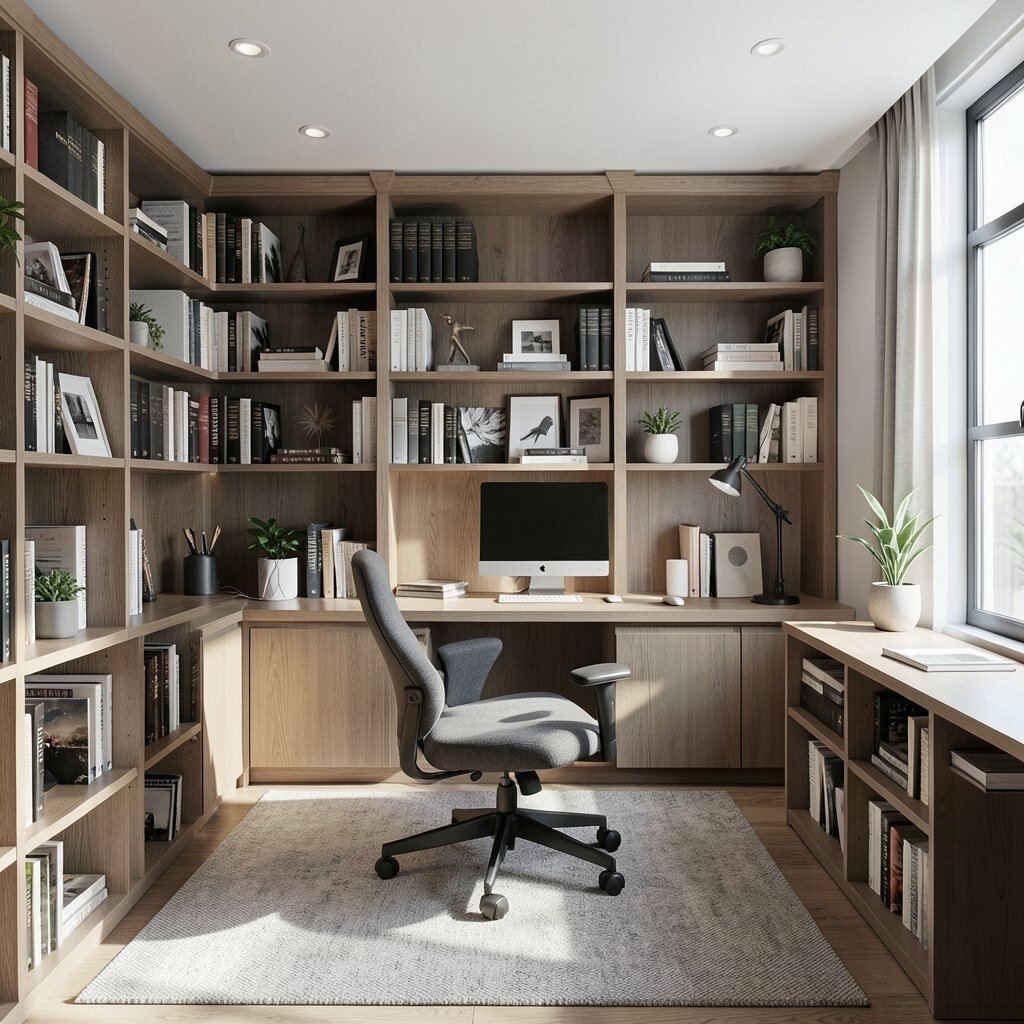
) The Library Wall Office Put your desk near a wall filled with books and storage. Picture a “reading meets working” feel, where shelves act like a backdrop that looks good in every photo.
This concept is all about visibility and calm structure. Keep your desk facing the shelves so your brain feels organized, and use vertical space to store reference books you reach for often. When your materials are close, your workflow stays steady and you waste less time searching.
To personalize, style the shelves with matching baskets and a few framed prints. Add a small ladder shelf element if you want drama, but remember you can get similar vibes with a simple shelf system. Cost considerations are simple: you can start with one bookcase and add more when you find what fits your style.
Current trends favor “lived-in” storage, meaning books and objects that look real and useful, not hidden behind perfect doors. Keep one shelf as a display and the rest as practical storage to balance beauty with function.
-
9) The Studio-Style Minimal Desk
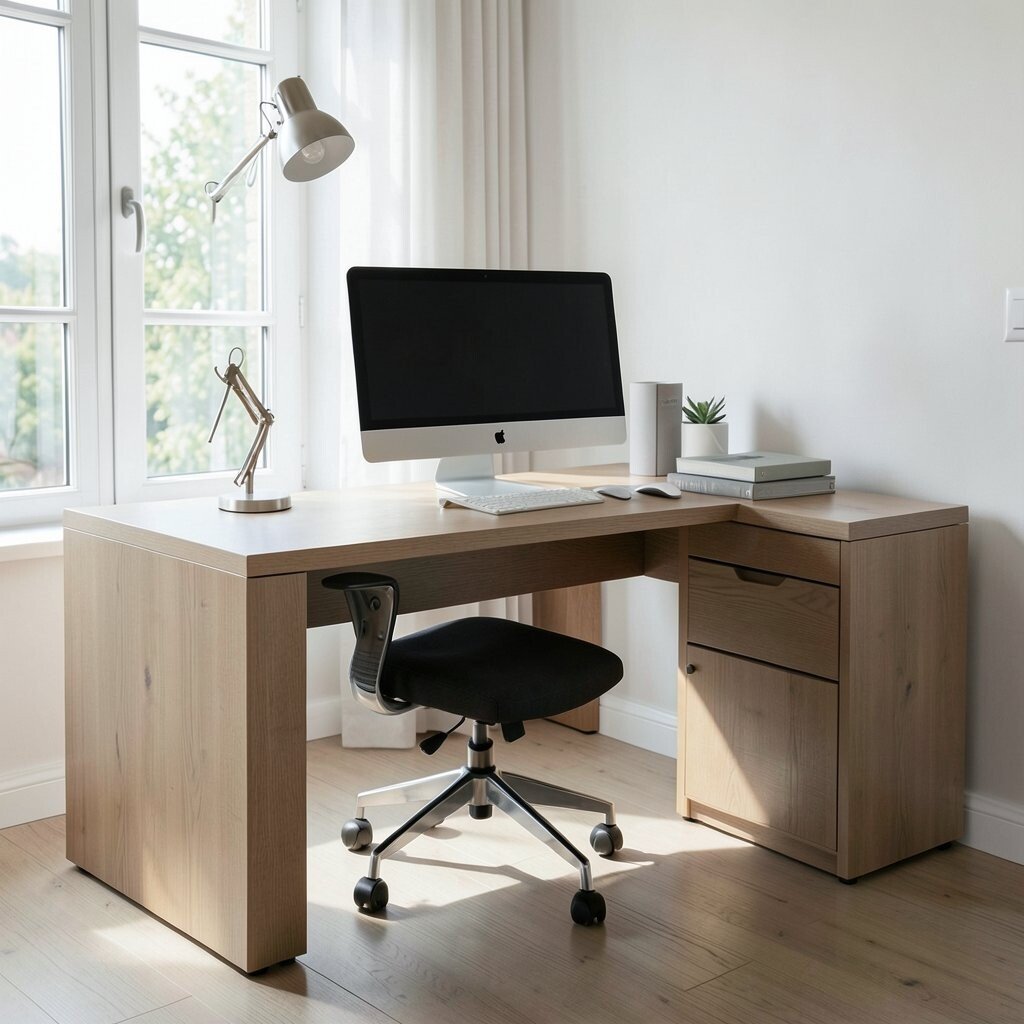
) The Studio-Style Minimal Desk Minimal doesn’t mean boring; it means each item earns its place. Picture a clean desk with a single workstation surface, one lamp, and a tidy tray for essentials.
Clear the zone in front of you so your mind can focus. Use a slim drawer for pens, sticky notes, and cables, and keep your monitor centered. This can reduce visual stress, and you may find it easier to start tasks quickly because your setup feels ready.
To make it unique, add one tactile element like a desk mat in a soft color or a ceramic mug that matches your decor. Use a shelf organizer that looks neat even when it holds tech gear. If you want a trend, look for neutral palettes, rounded storage, and a few intentional items that feel like design.
Cost-wise, minimal layouts can actually be cheaper because you buy fewer things at once. Still, it’s worth investing in good lighting and a supportive chair since those are the basics you feel every day.
-
10) The Meeting-Ready Desk Nook
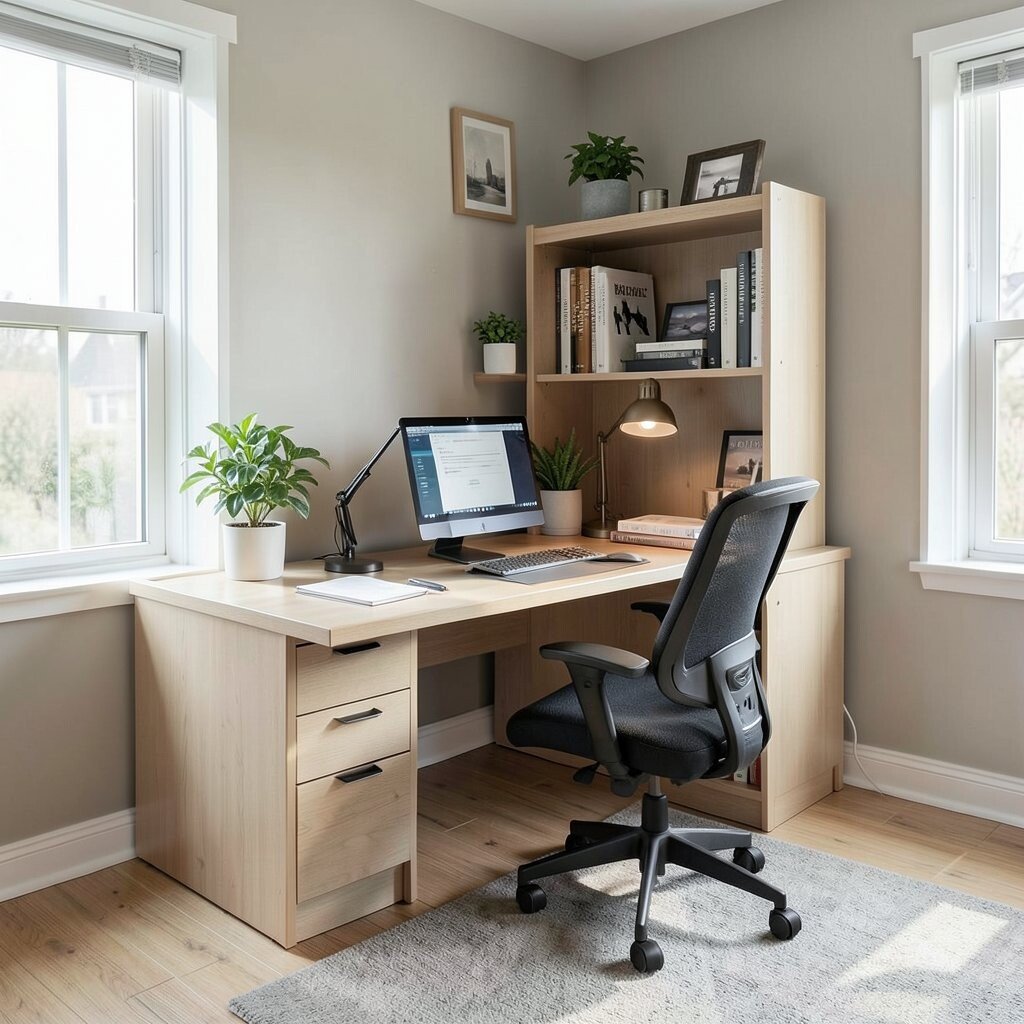
) The Meeting-Ready Desk Nook If you do calls, set up your space like a friendly stage. Imagine your desk facing a wall with a simple backdrop, and your chair positioned so your lighting looks even.
Use a small side light or a ring-style light so you look clear on camera. Keep a clean backdrop by choosing a bookshelf, curtain panel, or framed art as your “signature wall.” This layout benefits your work and also helps you feel confident in meetings.
For personalization, add a tidy sign or a framed quote behind you where it’s easy to see. Use cable clips and a short extension cord so you’re not tangled during calls. Cost considerations: you can start with good lighting first, then upgrade the chair and desk later as your budget allows.
Current trends include warmer tones and soft textures on the back wall, like linen curtains and matte frames, which make your space feel inviting rather than harsh.
-
11) The Creative Workshop Layout
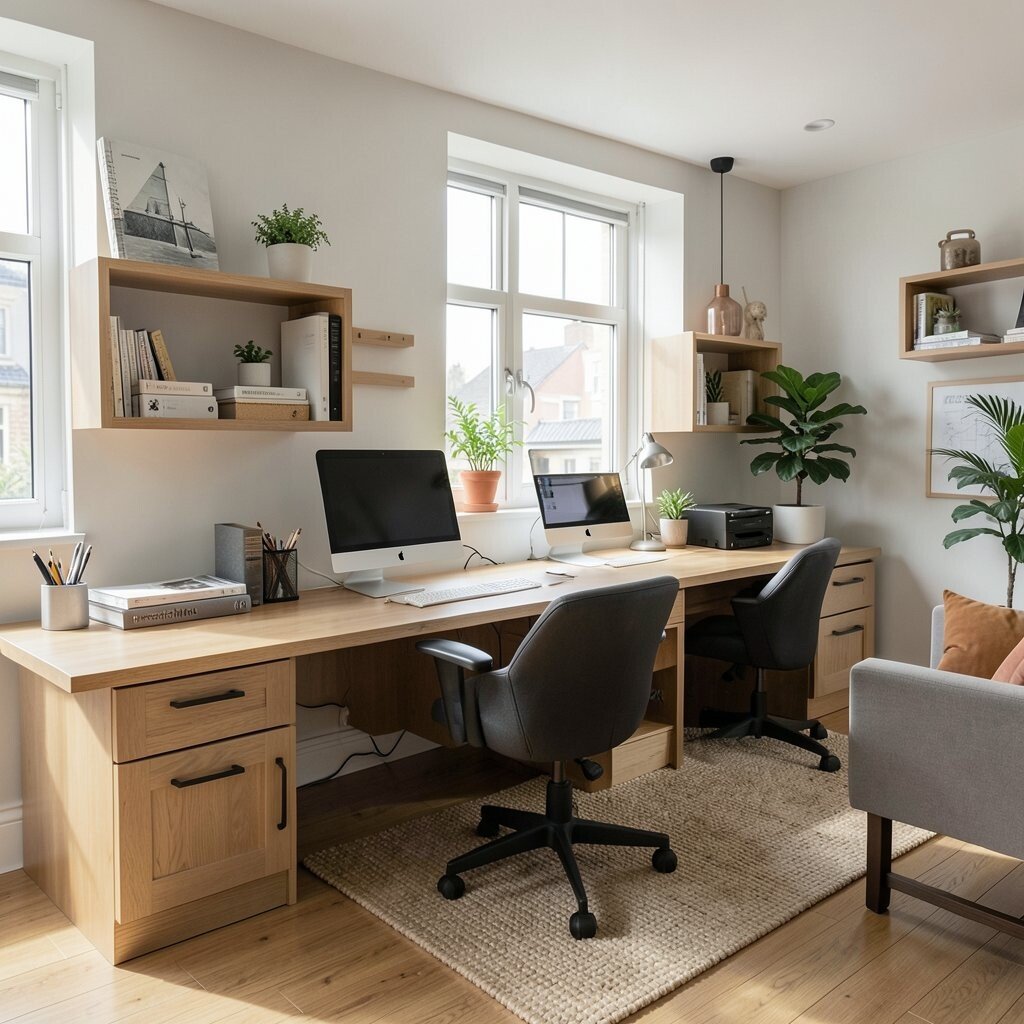
) The Creative Workshop Layout This concept is for people who mix writing, design, and hands-on tasks. Picture a desk with a wide surface and storage drawers where tools are easy to grab.
Organize your workflow into “make” and “refine” areas. Keep paper, sketch items, and craft supplies on one side, and keep your computer and documents on the other. When tools are grouped by type, your creative energy stays flowing instead of stopping for extra searching.
To make it unique, use a pegboard or a rail system for your most-used tools. Add a small label maker so everything has a name, even if it’s just for you. Personalization can be as simple as choosing colors for trays that match your mood.
Cost-wise, you can start with one drawer unit and one clear bin system. A current trend is mixing clear containers with warm wood, which looks organized but not cold. This layout can also support calm work because your materials are visible and ready.
-
12) The Calm Corner With Soft Dividers
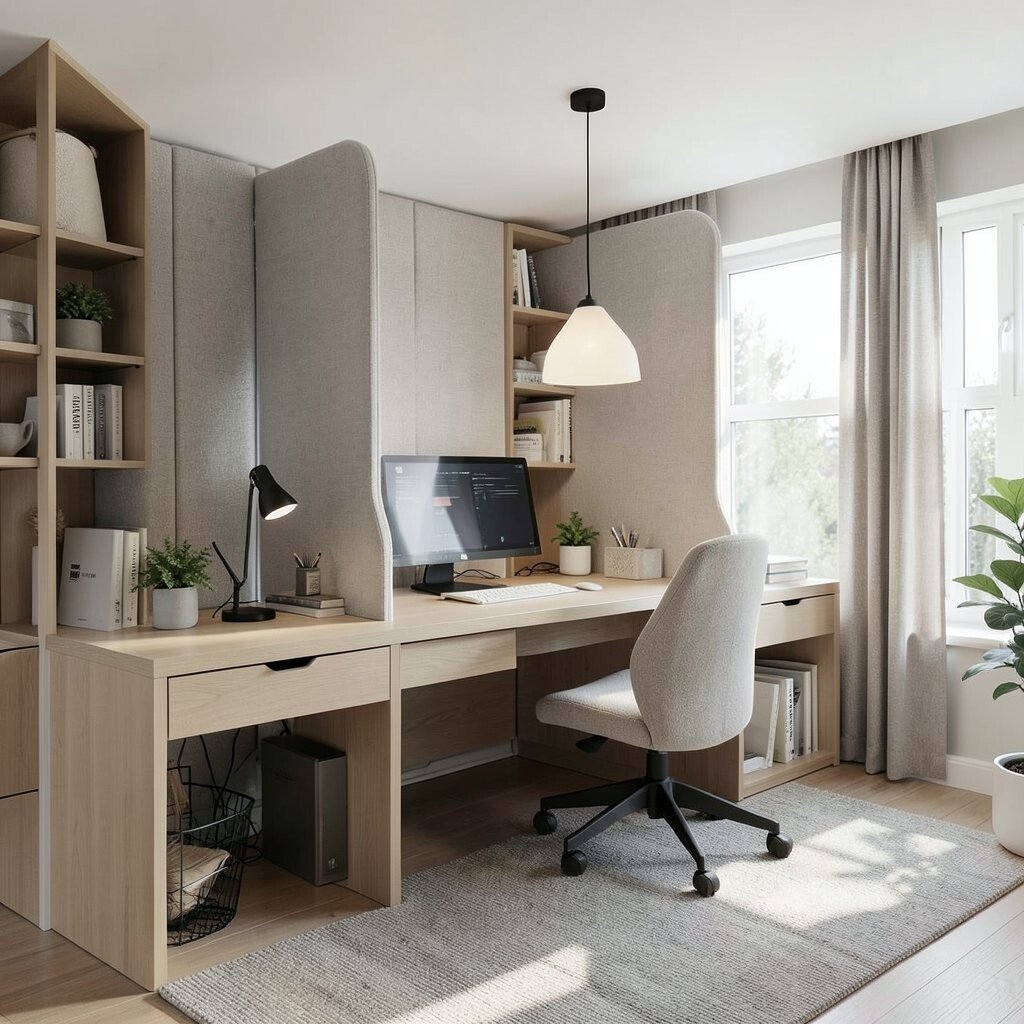
) The Calm Corner With Soft Dividers If you share space with others, soft dividers can create a gentle boundary. Picture a desk placed near a room divider or a tall bookshelf that blocks distractions.
Choose a divider that matches your style, like a woven screen or a fabric curtain panel. This layout helps you feel private, which can improve focus and reduce interruptions. You can also use the divider to add decor, like a small wall pocket for sticky notes or chargers.
For personalization, place a calming scent item or a small plant beside your desk so your space feels like it belongs to you. Add a small clock or a whiteboard panel for goals where you can see them. Cost considerations are flexible: you can start with a budget-friendly screen and later swap in a taller shelving divider.
If you love current trends, look for soft textures and natural materials. Many layouts right now mix wood, linen, and rounded shapes to feel warm rather than “office-like.”
-
13) The Tech-Friendly Cable-First Setup
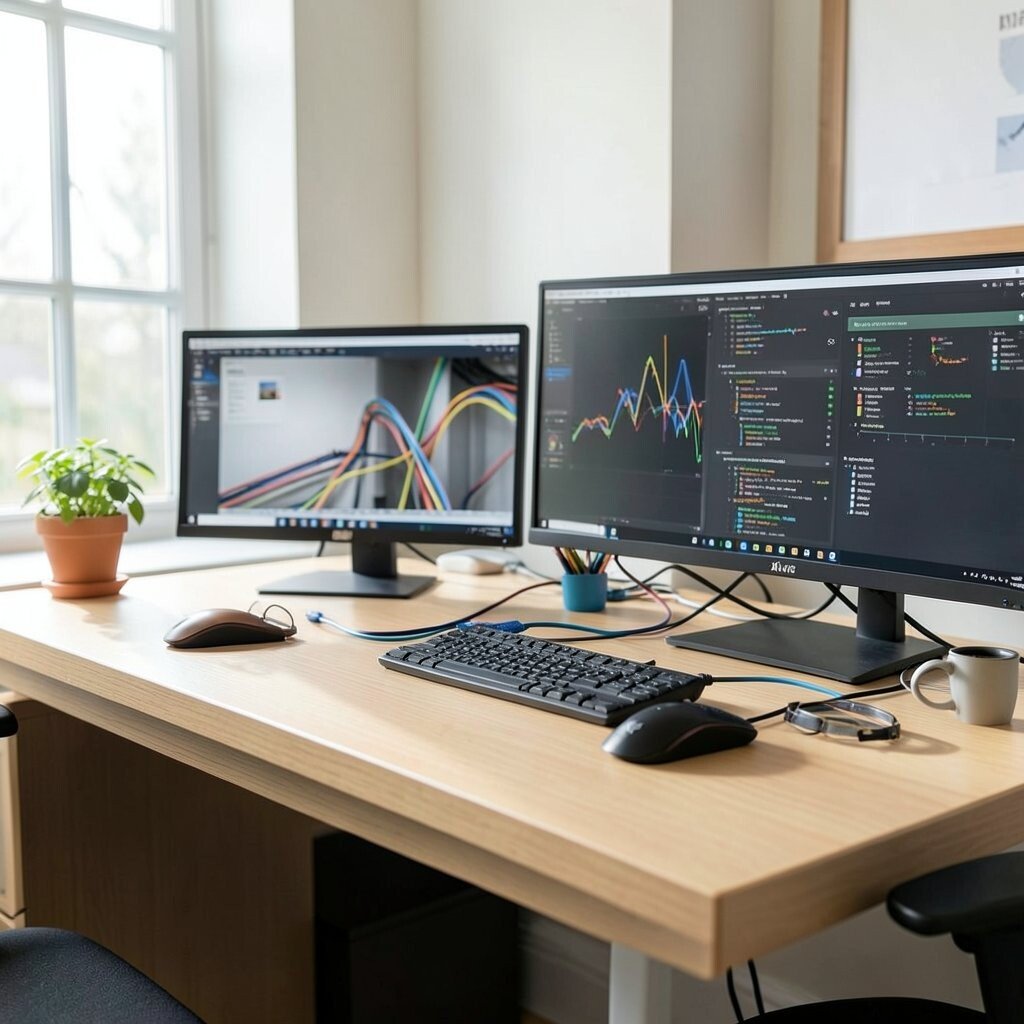
) The Tech-Friendly Cable-First Setup When tech is messy, work feels messy too. Imagine your desk built around a neat cable plan, with charging and power placed where you need them most.
Start by mapping your devices: laptop, monitor, keyboard, charger, and any speakers. Plan where each power source will go, then use cable trays or sleeves to route wires neatly. This keeps your desk looking sharp and can even improve safety by preventing loose cords.
To make it unique, choose a cable box that matches your decor, or use a decorative cover to hide power strips. Add a labeled dock area so you always know where things belong when you’re rushing. Personalization ideas include color-coded labels for chargers and a small stand for your phone that doubles as a schedule reminder.