Seasons change, but your space doesn’t have to feel stuck. With smart layout ideas, you can make each month feel like a fresh start.
-
1. Sun-Path Switch: Place Furniture to Follow Morning Light
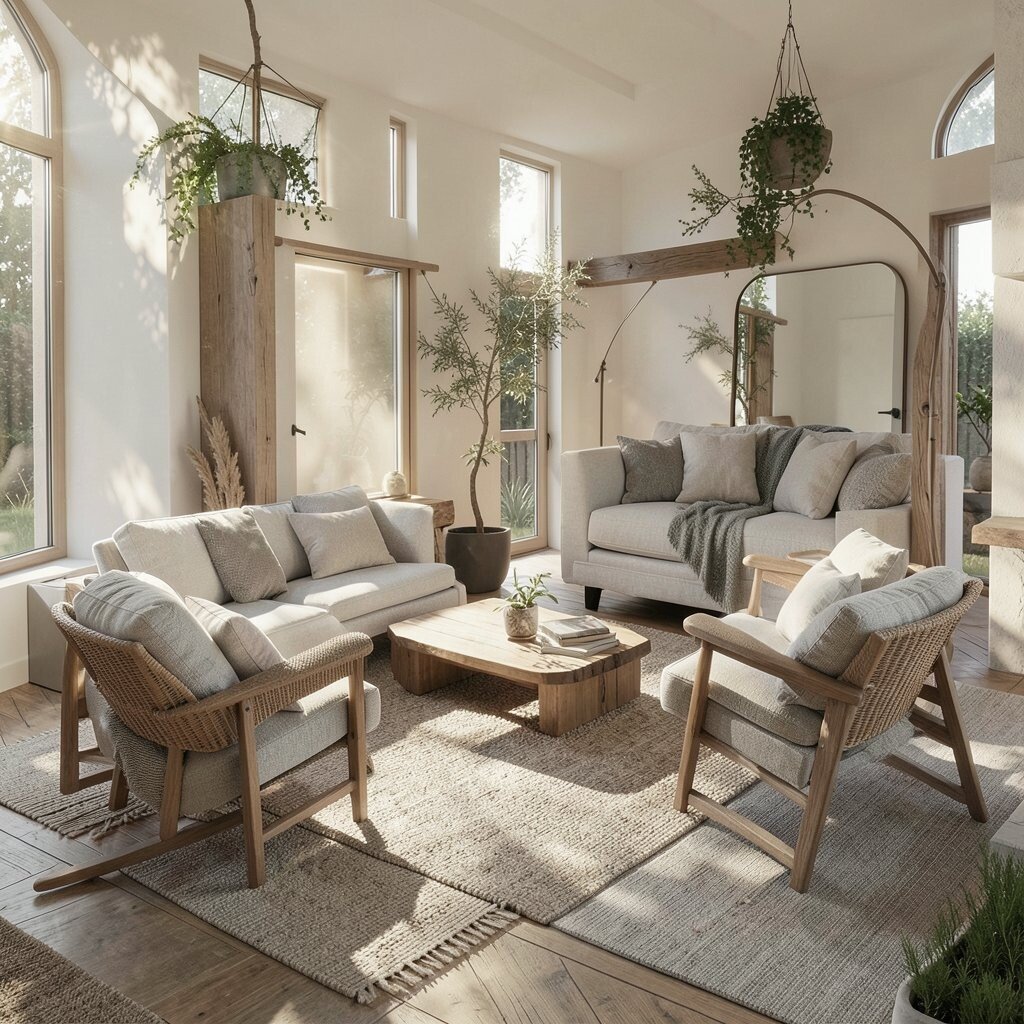
Sun-Path Switch: Place Furniture to Follow Morning Light Think about where the sunlight lands in the morning and how it moves across the day. When the room warms up, your furniture can “face” that glow instead of blocking it.
Try a layout where your main seat is angled toward the brightest window area. In spring and summer, move lighter pieces closer to the light so the room feels airy. In fall and winter, shift them slightly back so the space feels cozy and less glare-y.
This concept is unique because it treats the sun like a moving neighbor, not an accident. A sun-path layout helps you enjoy natural light without constantly changing decor. It also makes daily routines easier, like reading or cooking with less strain on your eyes.
For tips, start with a simple test: place painter’s tape on the floor where furniture usually sits. Then re-place your pieces one step at a time after checking how the light changes. If you use blinds, try raising them during the brightest hours, then lowering them later for comfort. Personalize it by choosing fabrics that match the season—linen for warm months and thicker textures for cold months.
-
2. Layered Zones: Build “Rooms Within Rooms” That Fit Each Season
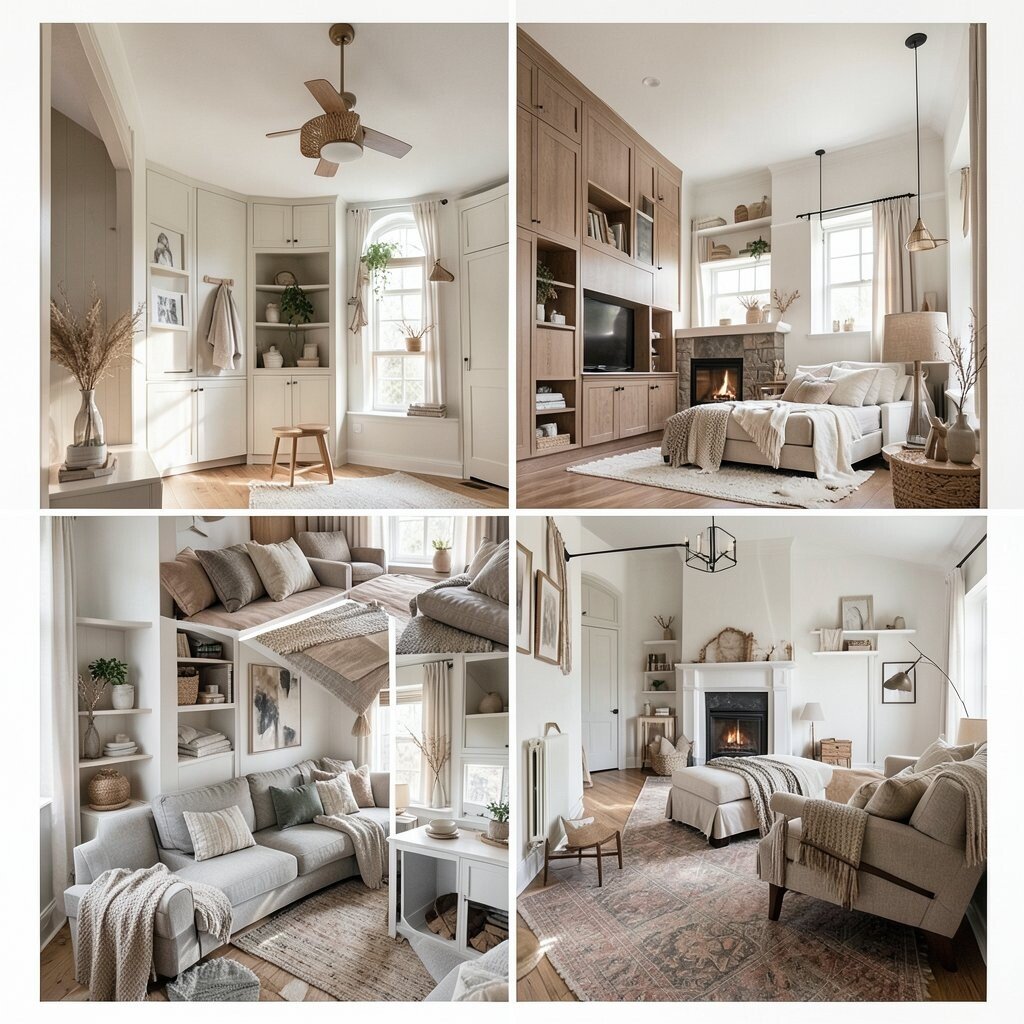
Layered Zones: Build “Rooms Within Rooms” That Fit Each Season Create separate zones in one space so it can feel different across the year. You’ll love how a room can still feel organized even when life gets busy.
Use a rug as the “anchor” for one zone, like a reading corner or a snack spot. Add a small side table and a lamp so that area feels complete. Then you can rotate the vibe by swapping the rug style or moving the chair.
The benefit is simple: you get flexibility without starting over. In summer, keep one zone open and airy for guests. In winter, add a warmer blanket basket nearby so the same zone turns into a cozy hangout.
For personalization, label your zones with small cues like a plant shelf for spring, a candle tray for fall, and a cool-toned bowl for summer. In terms of cost, rugs and baskets can be affordable when bought on sale or secondhand. A current trend is “flexible living,” where families use furniture that can shift roles easily.
Make it actionable by drawing a quick map of your room. Mark one spot for work, one for relaxation, and one for gathering. Then adjust your layout seasonally by moving only one or two pieces at a time, so the change feels smooth and not stressful.
-
3. Seasonal Color Conveyor: Let Paint and Textiles Travel in Order
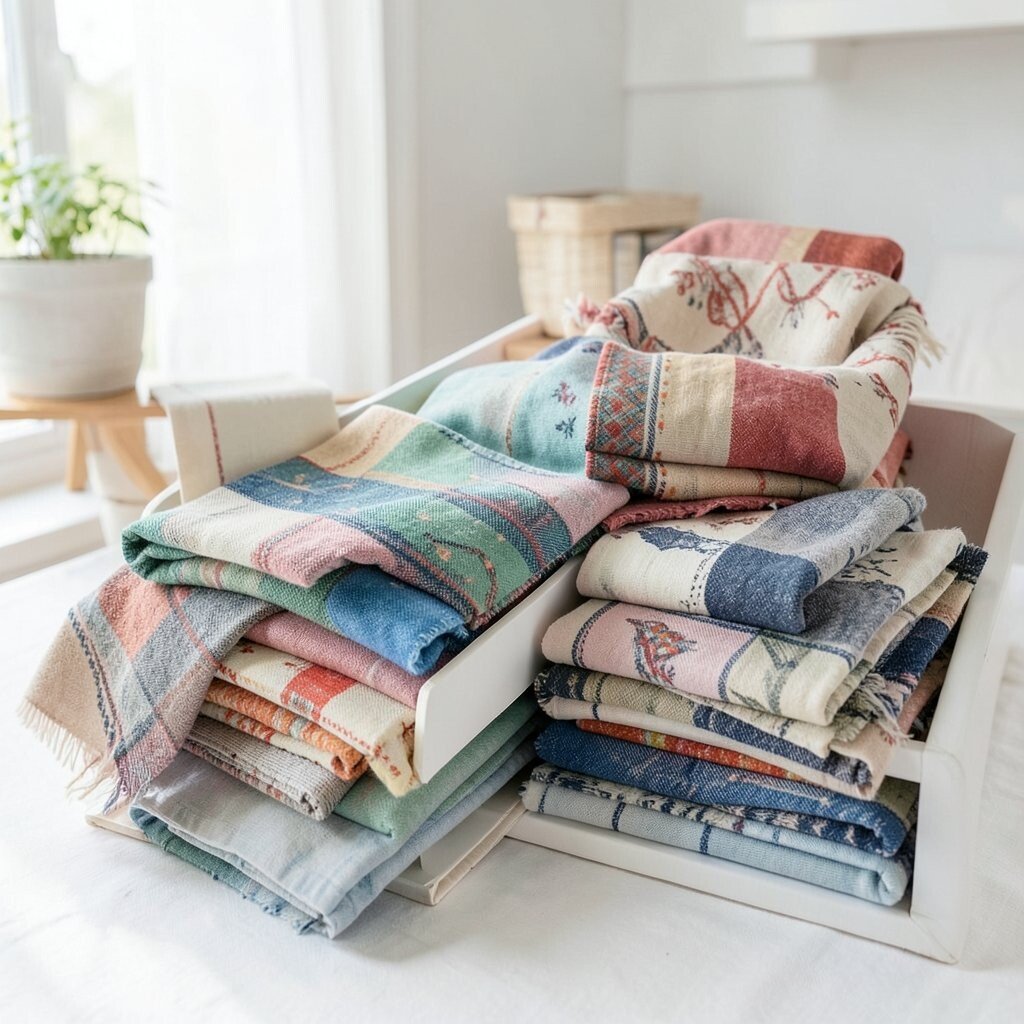
Seasonal Color Conveyor: Let Paint and Textiles Travel in Order Picture your room as a track where colors move through the year. Instead of replacing everything, you shift what’s most visible.
Start with a neutral base and choose a “season palette” for accents. In spring, add soft greens and warm creams through cushions, curtains, or art. In summer, switch to lighter blues or sunshine yellows to brighten the mood.
In fall, bring in earthy tones like rust, clay, and deep browns. In winter, use richer colors such as deep navy or charcoal to make the room feel grounded. The uniqueness comes from how your space stays consistent while the mood changes.
Tips: keep your changes small enough that you can do them every few months. Use washable covers so you can update quickly. Consider a color rule like “two warm tones and one cool tone” so it always looks balanced.
Personalize it by matching colors to your favorite seasonal memories, like a beach photo for summer or a forest print for fall. Cost considerations are friendly here because textiles are usually cheaper than big projects like painting. A current trend is “quiet color,” where boldness shows up in accessories, not in overpowering walls.
-
4. Front-Door Momentum: Update Entry Layouts to Set the Mood

Front-Door Momentum: Update Entry Layouts to Set the Mood Your entryway is the first stage set for every season. When it looks right, the whole home feels more welcoming.
Create a landing spot near the door using a small console, bench, or hooks. For spring and summer, keep items light—add a basket for sunglasses and a thin runner rug. For fall and winter, swap in a thicker mat and a storage bin for umbrellas or gloves.
This idea is special because it reduces clutter before it becomes a problem. When the entry is planned, shoes and bags have a home. The benefit is that you spend less time searching and more time relaxing.
-
5. Vertical Flex: Use Shelves and Hanging Pieces as Seasonal “Backdrops”
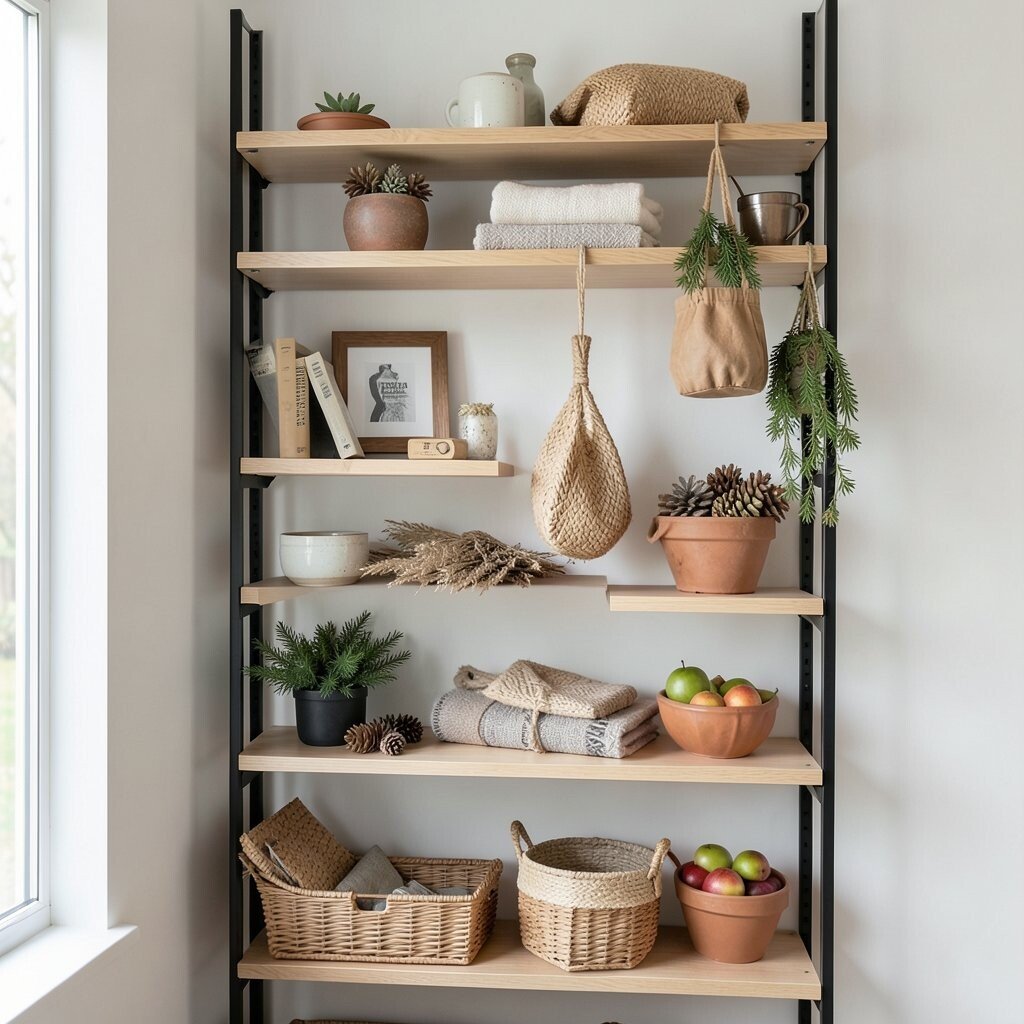
Vertical Flex: Use Shelves and Hanging Pieces as Seasonal “Backdrops” Look upward and you’ll find a lot of unused space waiting to help. Vertical storage can hold decor and also keep the floor calm.
Try hanging seasonal pieces like a wreath, wall organizers, or light garlands. In spring, choose fresh, airy materials like rattan or cotton. In summer, use bright prints and lighter frames to keep the look cheerful.
For fall, swap in warm woods or deeper colors, and for winter, add cozy accents like faux greenery or soft lighting. This layout stays unique because the “background” changes without rearranging the whole room.
Tips: keep your height mix interesting by combining tall planters with medium art frames. Use hooks for small items like key trays or scarves. Personalize by tying the look to your style—minimal, cottage, modern, or playful.
-
6. Table Rhythm: Rotate Centerpieces and Serving Setups by Season
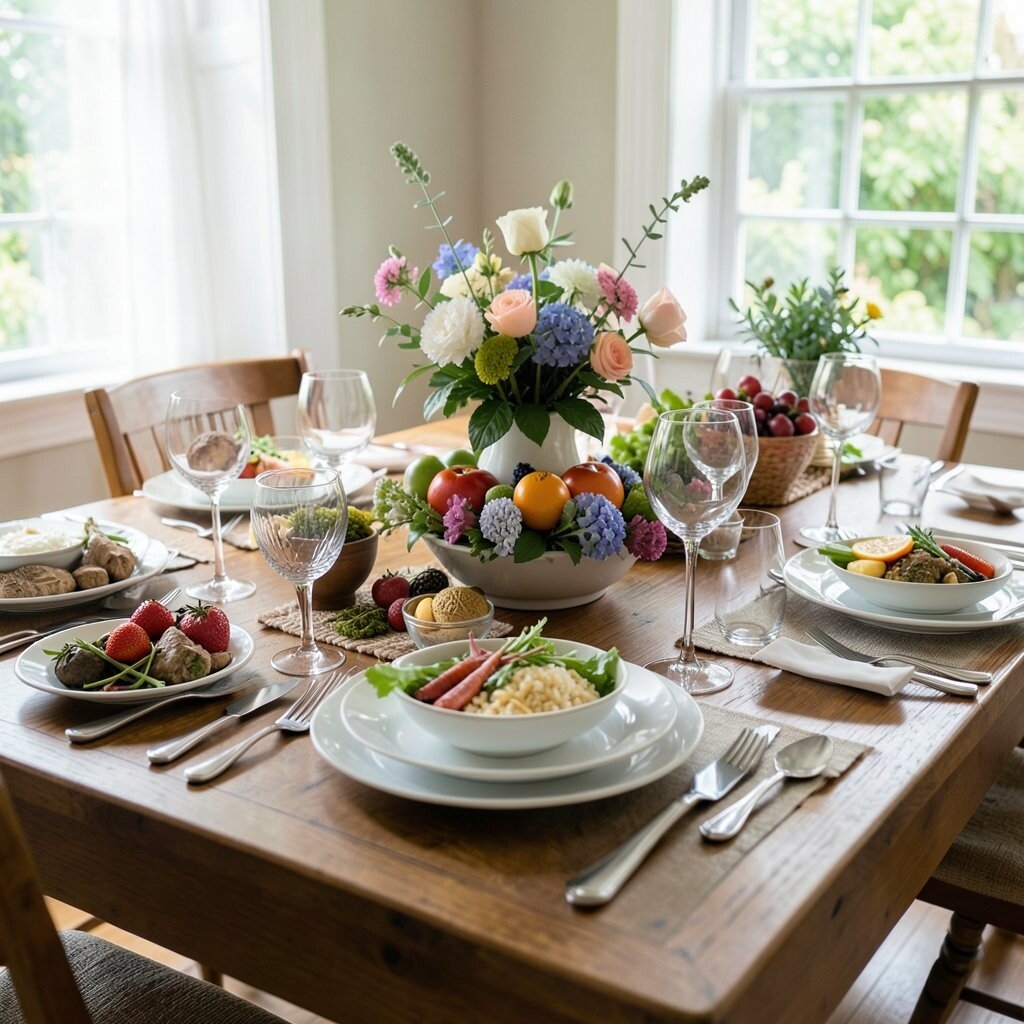
Table Rhythm: Rotate Centerpieces and Serving Setups by Season Imagine your dining table as a stage that performs a new scene each season. A small centerpiece rotation can change the whole mood fast.
In spring, use fresh stems and lighter plates for a bright feel. In summer, add a tray with fruit colors or a stack of colorful napkins. In fall, switch to textured runners, warm candles, and earthy bowls.
Winter can feel especially magical with soft lights and deeper tones. This concept is unique because it pairs layout with lifestyle, like hosting, cozy dinners, and everyday snacks. You’ll benefit from a table that feels “ready” for guests even on ordinary days.
Tips: set a “table rule” so you don’t overbuy. For example, keep the same base tray but change the top items each season. Cost can be controlled by using seasonal picks like greenery stems and reusable candle holders.
A current trend is styled minimalism, where simple items look intentional. Personalize by using your hobbies, like cooking themes, travel souvenirs, or a rotating art card display for each month.
-
7. Cozy Corners Map: Build Multiple Mini Havens Around the Room
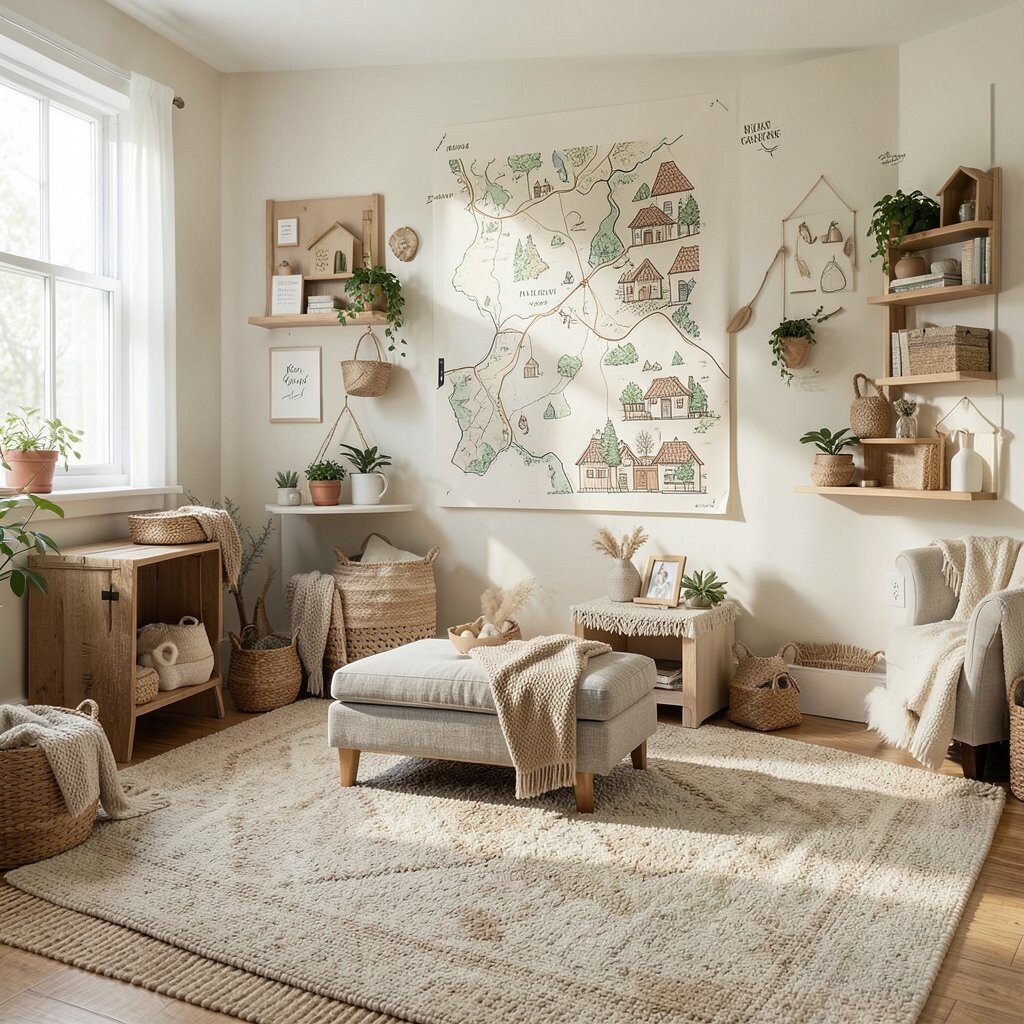
Cozy Corners Map: Build Multiple Mini Havens Around the Room When seasons shift, you often want different comfort levels in different spots. Cozy corners solve that problem by giving you options.
Choose two or three corners and style each one with its own purpose. One corner can be for reading, another for crafts, and another for calm chats. Make sure each spot has a small lamp or natural-light backup.
In warm weather, keep fabrics light and use a fan or open curtains to feel breezy. In cold weather, add warmer blankets and a thicker rug underfoot. The uniqueness is that the room never has one “mood only” layout.
Tips: angle your seating so it feels inviting, not like people are facing a wall. Use side tables for quick grab items like tea, books, or chargers. Personalize by choosing a color theme per corner, such as mint for spring and spice tones for fall.
Cost considerations: you can keep it budget-friendly by reusing what you already own. Add only one new piece each season, like a lamp bulb change, a small basket, or a pillow cover.
A current trend is “multi-functional comfort,” where homes create comfort pockets without turning the house into a store. With this layout, you’ll feel ready for every mood change.
-
8. Walkway Clarity: Design a Smooth Path That Works in Any Weather

Walkway Clarity: Design a Smooth Path That Works in Any Weather In rainy or snowy seasons, you need easy movement more than extra clutter. A clear walkway helps you move safely and keeps the home feeling calm.
Measure your usual path from entry to main living area, then remove obstacles that block it. Use a runner mat near high-traffic spots, like the hallway or kitchen entry. Keep chairs pulled in and make sure bags or coats have a designated place.
This idea is unique because it focuses on how you move, not only on how the room looks. The benefit is real: fewer trips over cords, fewer piles of wet items, and less “where do we put this?” stress. In warmer seasons, you can open up the path even more for airflow and easy hosting.
-
9. Plant Placement Seasons: Use Greens, Herbs, and Planters as Layout Anchors
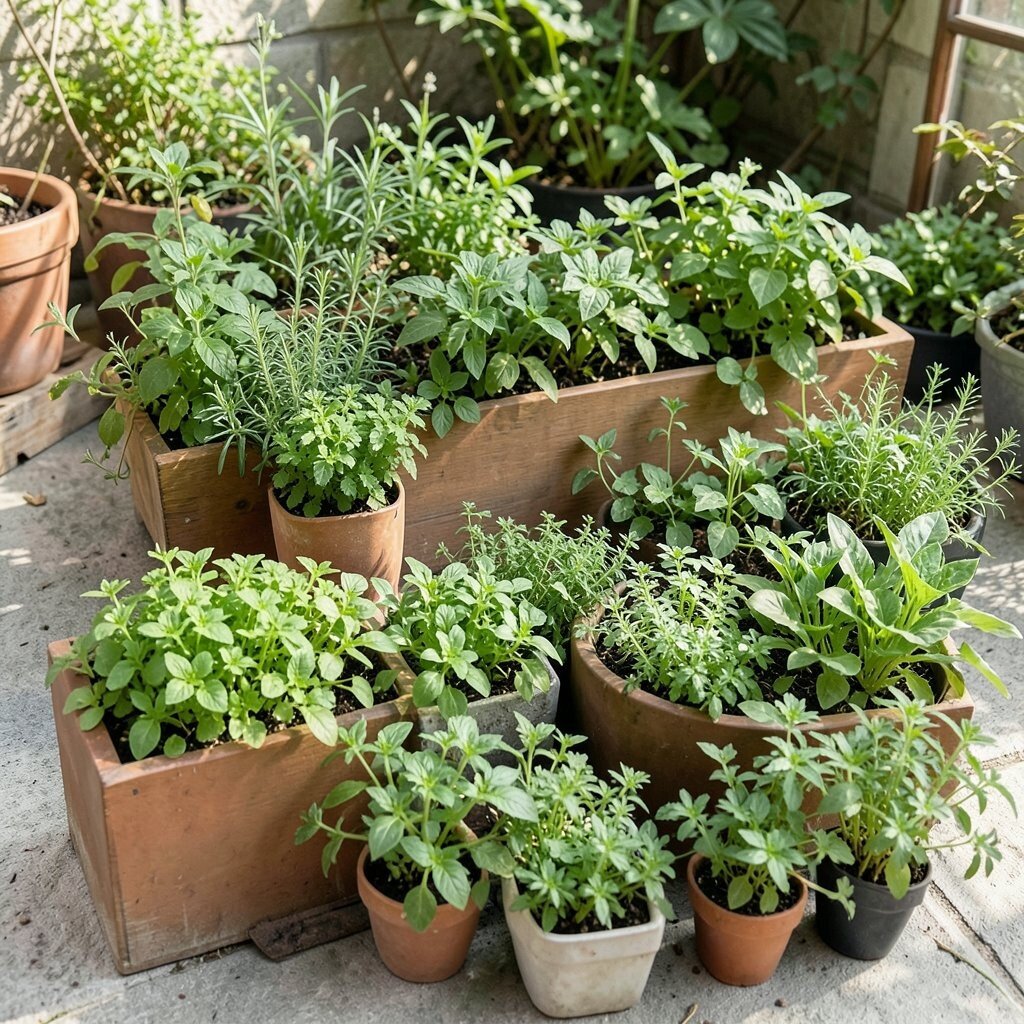
Plant Placement Seasons: Use Greens, Herbs, and Planters as Layout Anchors Plants are like living decorations, and they can change with the weather. When you place them thoughtfully, they become “layout anchors” that guide the whole room.
In spring, position small pots near bright windows and group them by height. You can keep a herb shelf in the kitchen so cooking feels fresh. In summer, move plants closer to light and spread them so the room feels breathable.
For fall, choose deeper greens or hardy plants and move them to cozy corners. In winter, rotate placements to get the best light and reduce cold drafts near windows. The uniqueness is that your decor has a purpose beyond looking pretty.
Tips: group plants in odd numbers for a natural look, and use matching saucers for neatness. Add a small plant misting station tray on one shelf so caring feels easier. Personalize by picking planters that match your style, like ceramic for calm spaces or woven baskets for casual vibes.
Cost considerations: you can start with one or two cuttings and grow from there. Thrift stores often have great planters too. A current trend is “edible landscaping inside,” where herbs and small greens make homes feel active and productive.
-
10. Window Styling Strategy: Treat Curtains and Blinds as Seasonal Frames

Window Styling Strategy: Treat Curtains and Blinds as Seasonal Frames Windows are your room’s picture frames, and seasonal styling makes them look new. You can get big impact with small changes.
In spring, use lighter curtains that let daylight soften the space. In summer, choose airy sheers or adjust blinds for shade without losing brightness. In fall, switch to heavier fabric or add a second layer for warmth.
Winter benefits from snug curtain coverage and warmer tones so the room feels protected. This concept is unique because it uses the same window setup but changes the “frame mood” every season. It also helps with comfort by managing heat and glare.
Tips: measure your curtain height so they hang at the right spot, usually just above the floor or slightly off it. Tiebacks can create a fresh look when you want more openness. Personalize by picking patterns that match seasonal energy, like florals in spring and simple textures in winter.
-
11. Media and Lighting Swap: Re-Arrange Lamps and Heat-Friendly Light Sources
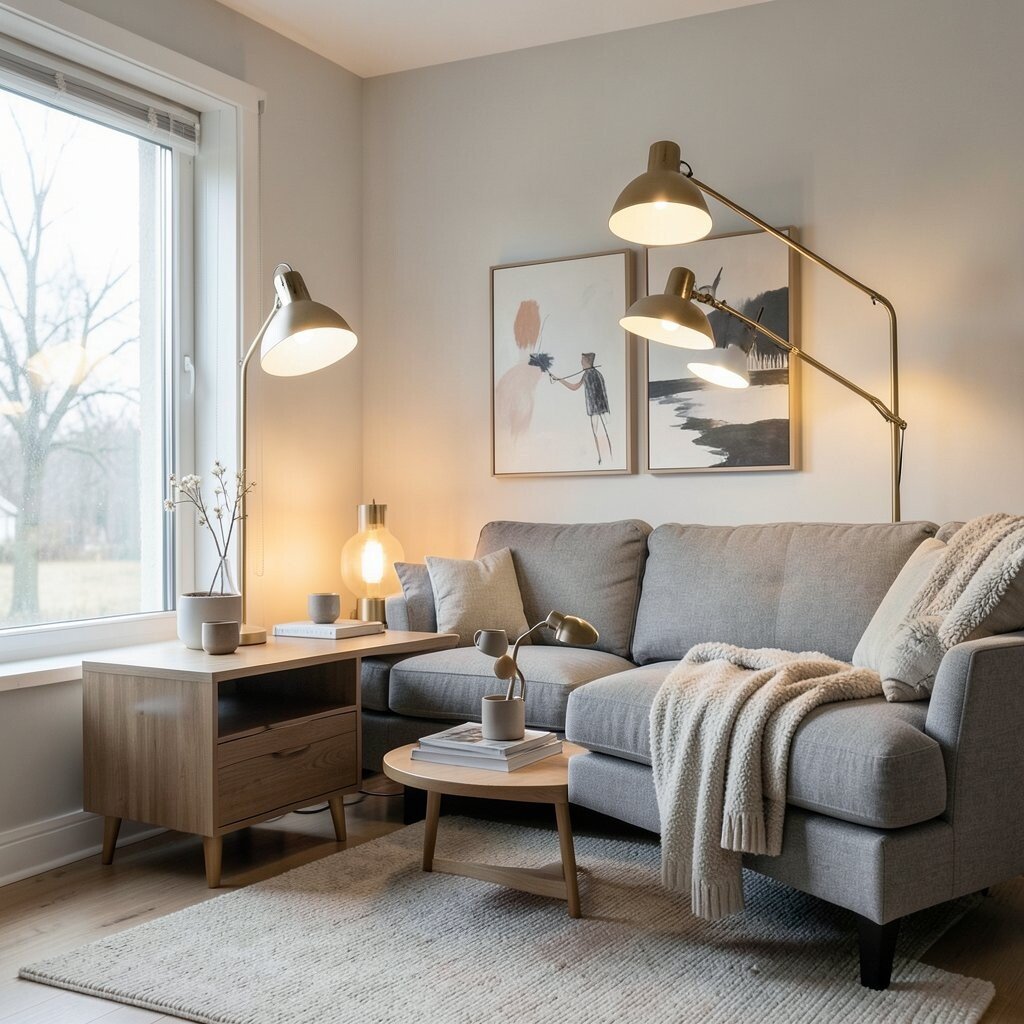
Media and Lighting Swap: Re-Arrange Lamps and Heat-Friendly Light Sources Lighting can make a room feel sunny, calm, or cozy even when the furniture stays still. Think of it as your secret seasonal switch.
In summer, use brighter, cooler-feeling lamps and keep lights more spread out. In fall, soften things with warm bulbs so evenings feel comfortable. In winter, focus on warm layered light—like a lamp near seating and a gentle glow near the entry.
This idea is unique because it changes how your space “reads” without big decor purchases. The benefit is that your home feels inviting during the darker months. It also supports better relaxation because lighting feels intentional.
Tips: try placing one lamp behind you while you sit, and another in front so shadows don’t feel harsh. Use dimmers if you can, because that makes seasonal mood changes easier. Personalize by matching lamp shades to your palette—linen for spring, richer fabric for winter.
Cost considerations: swap bulbs first, then add one lamp or shade only when it truly fits your space. A current trend is warm-neutral lighting, where the light color looks natural instead of overly bright.
If you love a cozy look, add a small table light with a textured shade. If you prefer modern, choose sleek lines and clean lamp shapes.
-
12. Storage Season Loop: Create Rotation Bins for Fast Changes

Storage Season Loop: Create Rotation Bins for Fast Changes Seasonal layout changes get easier when storage is planned. Instead of hunting for items, you can switch them in minutes.
Use labeled bins for each season, then place them in a spot that’s easy to reach. For example, store summer decor in one area and winter decor in another. Keep a “quick grab” bin for items you use often, like blankets, candles, or table linens.
This concept is unique because it makes your home feel ready all the time. The benefit is less mess and less stress during busy weeks. When you rotate items, your layout can change without leaving the room messy.
Tips: keep bin lists on the outside so you don’t open every container. Use vacuum bags for bulky textiles if you need space savings. Personalize by choosing labels that match your style, like handwritten tags for a cozy feel.
-
13. Outdoor-Inside Bridge: Link Patios, Balconies, and Indoor Layouts
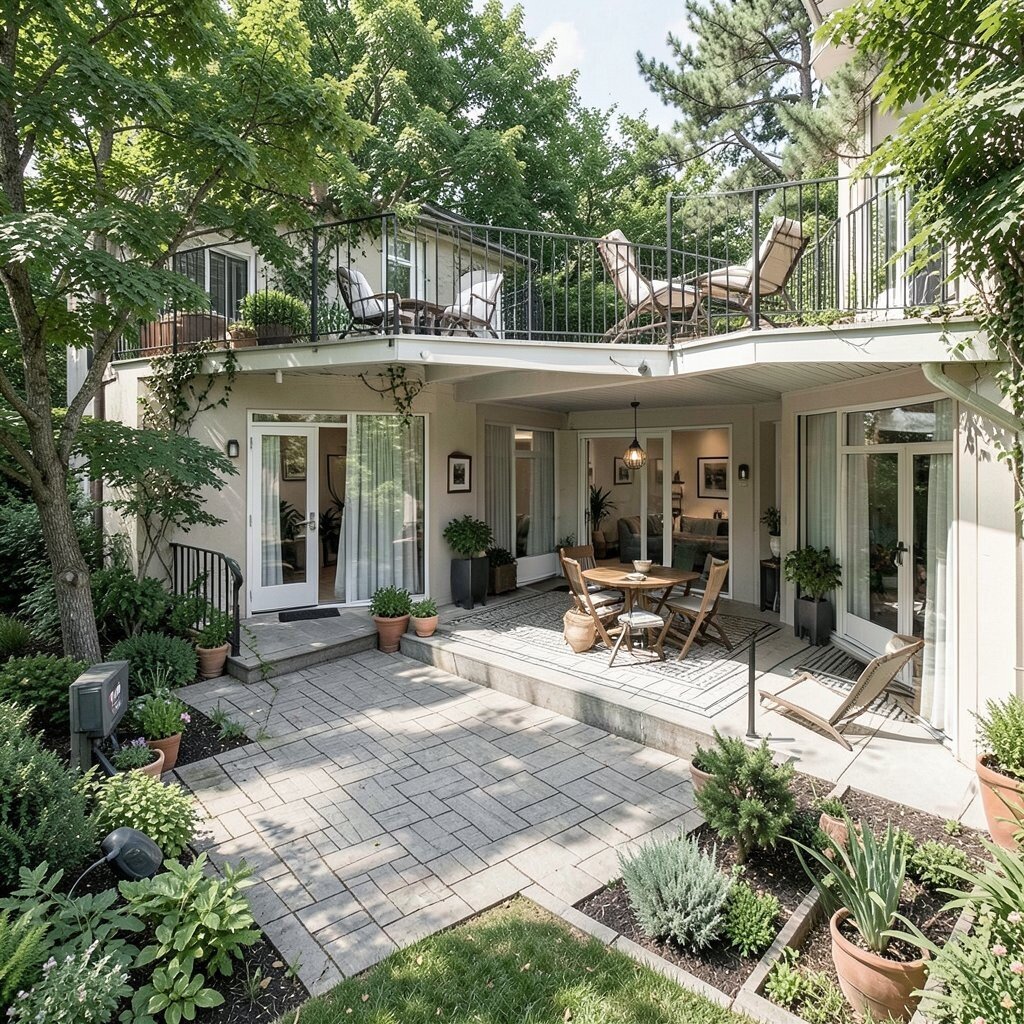
Outdoor-Inside Bridge: Link Patios, Balconies, and Indoor Layouts Your outside space can shape your inside space all year. When you link them, the seasonal feeling spreads smoothly through your home.
In spring, bring in potted flowers from a porch or balcony and place them near doors. Add an indoor rug that echoes the outdoor colors so it feels connected. In summer, use seating that points toward windows or sliding doors so you enjoy the view.
In fall, move warmer throw blankets near the doorway and add soft outdoor textures indoors. In winter, use covered-door lighting and a sturdy doormat setup so transitions feel neat. This concept is unique because it turns your home’s border areas into a design feature.
Tips: choose a repeating pattern, like a stripe or plant shape, across indoor and outdoor items. Keep a small tray by the door for essentials like hand sanitizer and keys. Personalize by matching your outdoor style—boho, modern, classic, or coastal—to your indoor accessories.
Cost considerations: you can often reuse what you already own by moving it indoors for certain months. Thrifted outdoor planters and baskets can become indoor storage too. A current trend is “boundary blending,” where people make indoor-outdoor living feel seamless with coordinated textiles and lighting.