Every slice starts with the right surface. A creative cutting board can make prep feel nicer and look great on your counter.
1. Handle-Front Butcher-Style Board
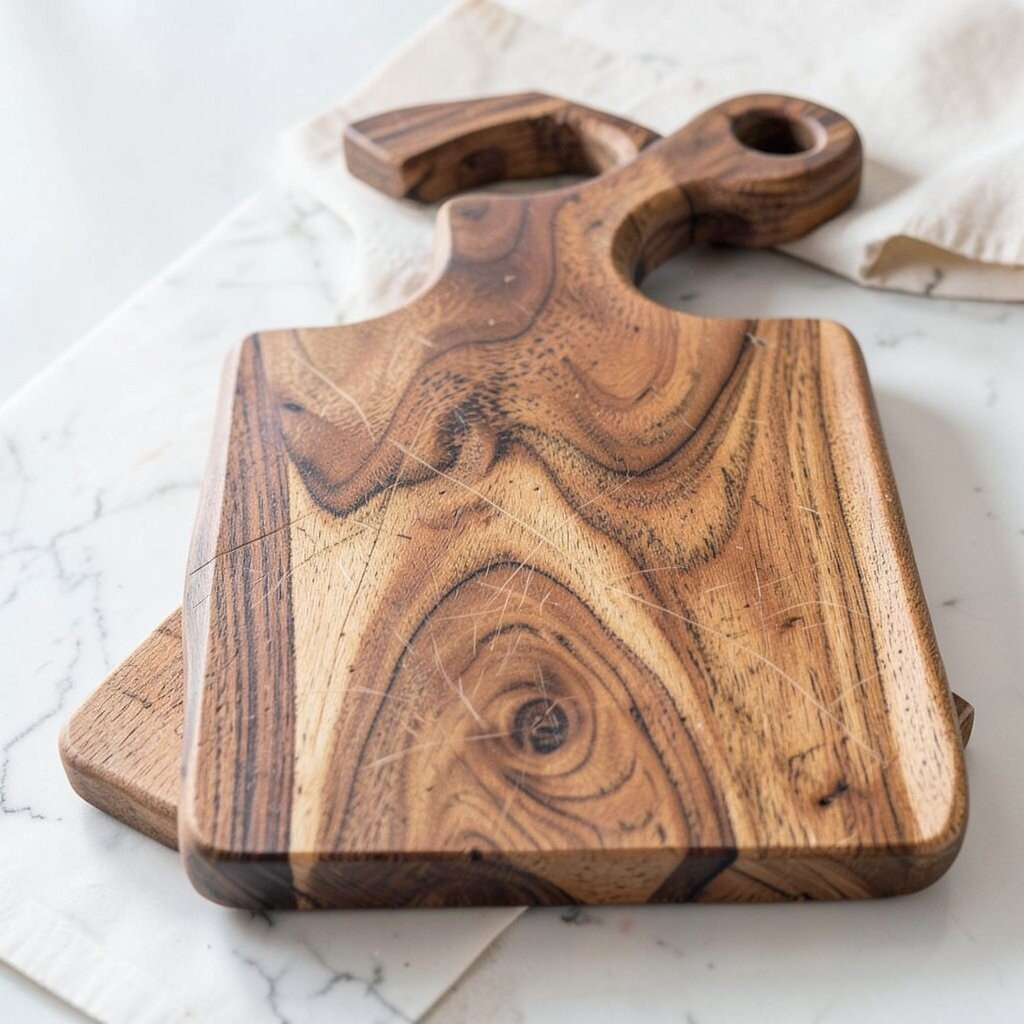
This board looks classic and sturdy, with a built-in front handle that makes it easy to grab. You get a solid prep surface that feels great for chopping, slicing, and moving food to the pot.
Choose dense hardwood like maple or walnut for a board that stands up to daily use. Smooth the handle area so it’s comfortable when your hands are a little wet. For personalization, add a small burned name near the underside so it stays classy and subtle.
2. Reversible Marble-Look and Wood Combo Board

Picture a cutting board that feels fancy: one side has a cool, stone-like surface and the other side is warm wood. It’s a smart way to switch tasks without changing tools.
Use the “stone” side for rolling dough, keeping chocolate cool, or setting down warm spices while the wood side handles prep cutting. Just remember that stone-like surfaces can be harder on knife edges, so pair it with sharper, well-maintained knives. To keep it safe, wipe both sides right after use and avoid soaking the wood edge.
For cost, look for composite or resin-styled “marble” inserts instead of solid stone. If you love trends, go for neutral veining patterns that match today’s minimalist kitchens.
3. End-Grain Mini Board Set for Small Jobs
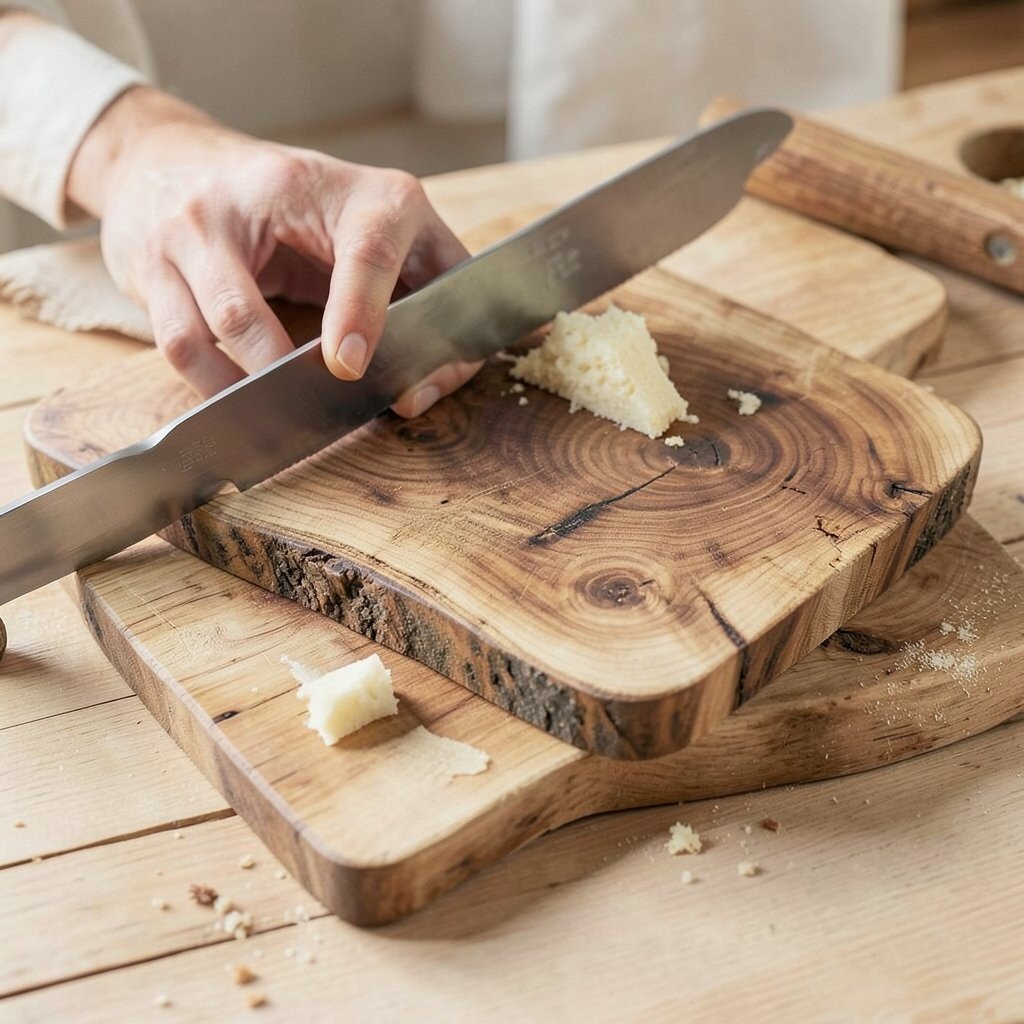
End-grain boards are the ones you see in pro kitchens, and smaller versions make them more flexible at home. They’re great for quick prep like herbs, limes, garlic, or a few veggies.
Because the end grain is forgiving, these boards tend to be gentler on knife edges and can look beautiful as the fibers rise in tiny blocks. Use a dedicated mini board for each food type to keep flavors from mixing. For practical care, rinse lightly and dry fully so the grain stays fresh.
You can personalize the set by staining each board a slightly different tone, then writing labels on the underside. A set also helps you stay organized when you’re cooking with multiple sauces or spices.
End-grain costs more than basic boards, but buying a small set first often feels easier than purchasing one huge statement piece.
4. Citrus-Stamped Bamboo Board

This idea brings bright energy to your counter with stamped citrus shapes that guide where you place ingredients. Bamboo is lightweight, easy to handle, and feels practical for everyday meals.
Use the stamped area as a “ring” for lemons and limes so your juice stays contained. Wipe after use and dry it on its side to prevent any lingering moisture. For personalization, choose a pattern that matches your kitchen theme, like oranges for a warm vibe or lemons for a fresh look.
5. Fold-Out Board for Baking Days

A fold-out cutting board can look like a clever piece of kitchen engineering, with a hinged section that gives you extra workspace. It’s perfect when your counter feels too crowded during cookie or bread prep.
You get more room for rolling dough, portioning batter, or setting toppings without dragging out extra trays. For best results, keep the fold-out section clean and dry, and open it fully during drying so moisture doesn’t get trapped. Use a silicone mat on the fold-out surface if you’re working with sticky dough to reduce cleanup time.
To fit your budget, check for designs that use a strong wooden base with a simpler hinged extension. This is a fun way to match current trends for space-saving kitchen tools.
6. Edge-Lipped Serving and Cutting Hybrid

This board has a raised edge that acts like a mini rim, so chopped items don’t slide off as easily. It gives you the “two-in-one” feel of cutting plus serving in one smooth step.
It’s especially helpful for wet ingredients like tomatoes, strawberries, and marinated chicken. Slice on the board, then lift it straight to the plate for a quick, tidy presentation. If you want a polished look, finish the rim with a food-safe seal and sand the corners until they feel perfectly smooth.
Consider the cost by comparing solid wood boards with laminated options that still keep the rim structure strong. Personalize it by adding a small wax-seal style logo on the lower corner so it feels like yours without clutter.
7. Charcuterie-Grid Board with Built-In Portions

A charcuterie grid board makes your snacks look planned, even when you’re making things up on the fly. The sectioned layout helps you arrange cheese, meats, nuts, and fruit with less guesswork.
For benefits, it keeps each ingredient from spreading across the board and tasting together in a messy way. Use the grid for meal prep too, like separating cooked chicken from veggies or dividing toppings before assembling tacos. If the grid is deep, avoid soaking the grooves and dry with a cloth so it stays clean.
Trends right now favor boards that double as centerpieces, so choose a shape that stands out, like a slightly arched rectangle. To customize, paint or stencil small icons in the sections, like grapes, olives, or bread, for an easy “tap here” style.
Cost varies based on how complex the insets are, so start with a simple grooved version if you want the look without the premium price.
8. Thrifted Wood Revamp Board with Mixed Inlays
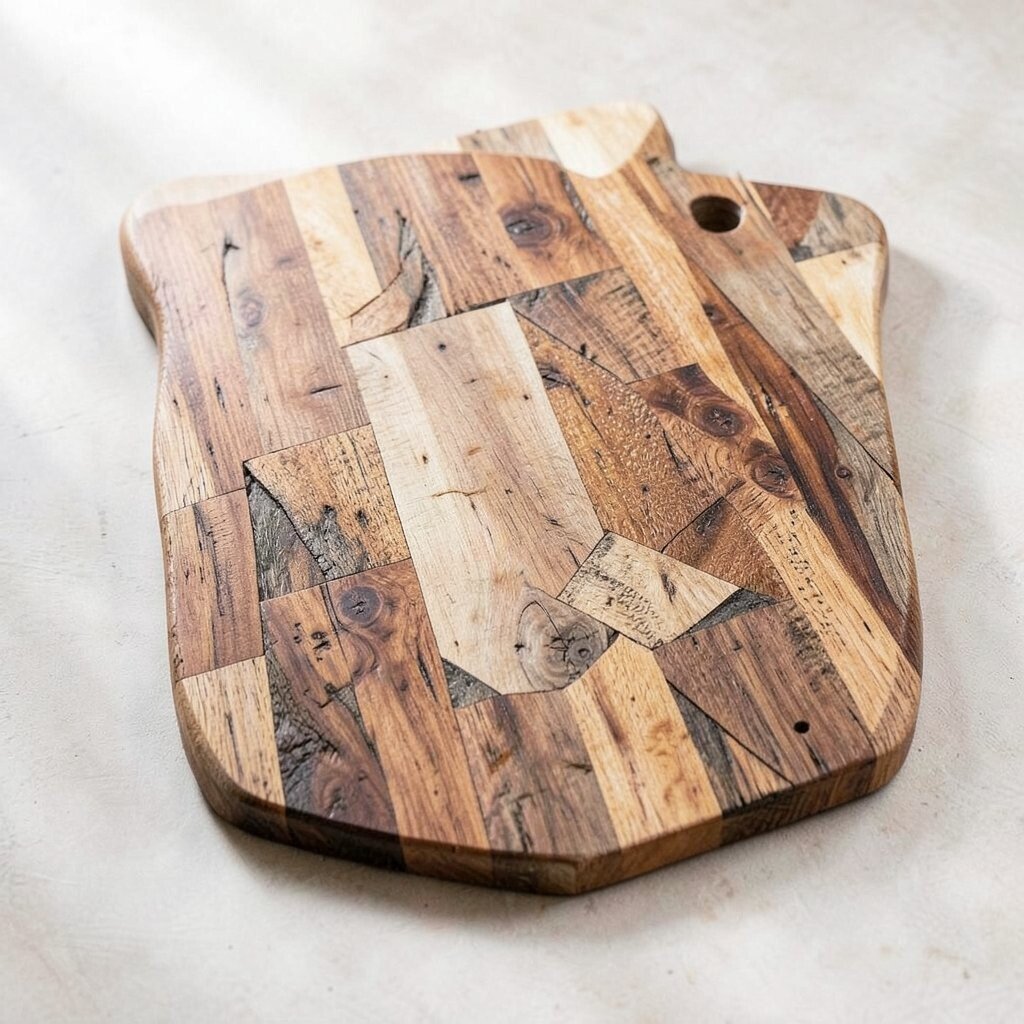
This is the craft lover’s favorite: take thrifted wood, then give it new life with clean cuts and matching inlays. The result looks one-of-a-kind and carries a story right into your kitchen.
Visually, you might see patchwork colors, neat bands, or decorative striping that turns a plain piece into art. For practical tips, make sure the wood is food-safe and properly sealed, especially around any repaired spots. Sand evenly and avoid leaving rough edges that can snag sleeves or hands.
Personalization is easy here because you can match the inlay colors to your decor, like teal bands for a modern look or warm caramel stripes for a cozy feel. If you’re worried about cost, thrifted wood can keep expenses low while still giving you a high-end visual effect.
This is a great nod to current sustainability trends, but still prioritize safety by using only finishes meant for food-contact surfaces.
9. Magnetic Knife-Friendly Board with Tool Spots

Some cutting boards include magnet-friendly zones that hold a small knife rack or spice tool nearby. It feels like a mini station that keeps your workflow smooth.
This design helps you stay organized, so you’re not searching for the right tool every few minutes. Place the strongest knife magnets away from where you’ll chop so you don’t accidentally create uneven contact. For safety, keep magnets sealed or covered so they stay clean and don’t attract metal shavings.
Make it unique with custom “zones,” like a spot for a garlic press, a small bowl for salt, or a tiny tray for herbs. If your kitchen is tight on space, this trend toward compact prep stations can be a lifesaver.
10. Vertical Slat Board Inspired by Japanese Kitchen Styles

A vertical slat board brings a sleek, structured look that feels inspired by Japanese preparation surfaces. The slats add visual rhythm, and the board feels great for cutting produce in tidy motions.
Choose hardwood with a tight grain so it resists warping, and keep the surface clean so moisture doesn’t sit between slats. Use it for vegetables, fish prep, or meal prep days when you want your countertop to look calm and curated. For personalization, stain it lightly for a natural glow or leave it bare for a modern, wood-forward look.
11. Chalkboard Top Board for “What’s for Dinner” Planning
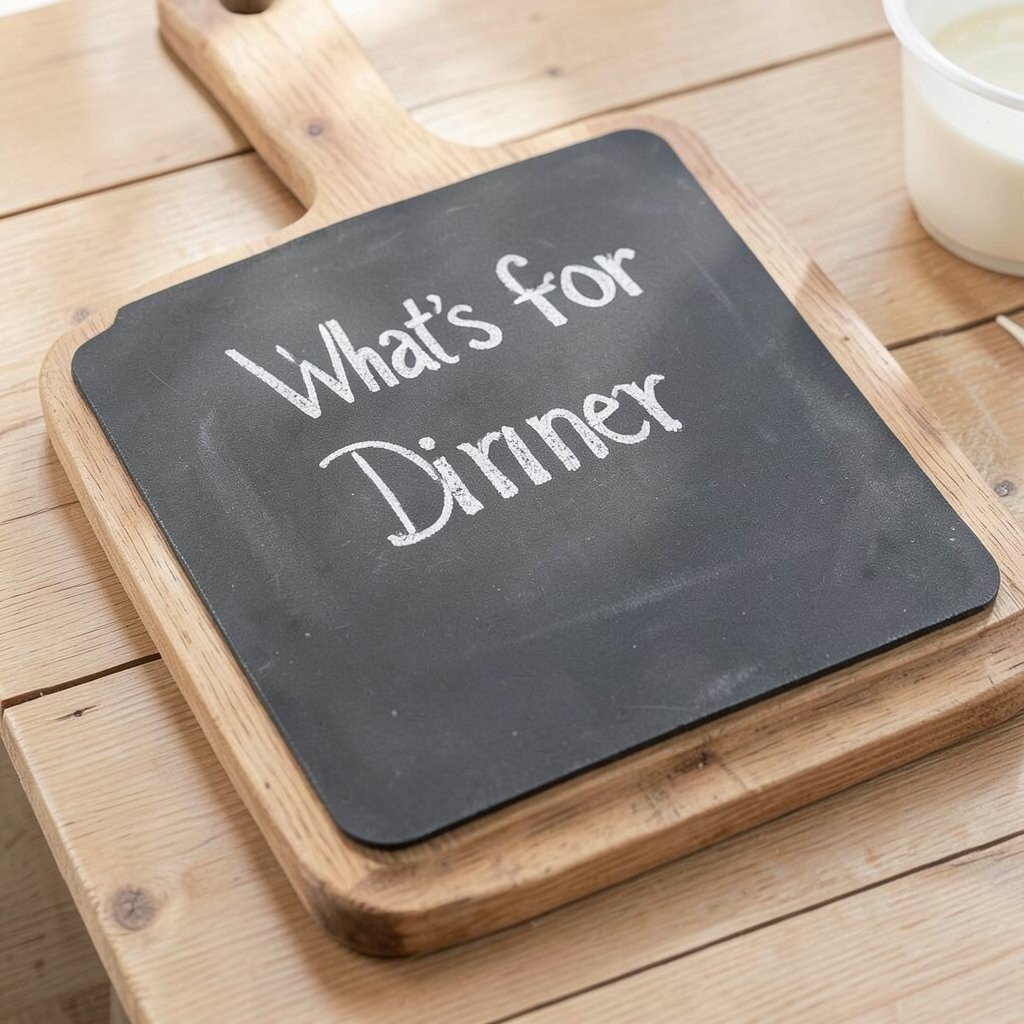
Imagine chopping while your board also tells your story with a chalkboard writing surface. It’s both functional and fun, letting you label ingredients or write quick cooking reminders.
One clear benefit is reducing mess: you can mark spices, sauces, or steps right where you’re working. Use chalk for temporary notes, then wipe clean so the surface stays ready. If you cook often, consider keeping a small chalk holder on a hook nearby so it’s always within reach.
For cost, chalkboard boards can be more affordable than premium end-grain, especially when they’re made as layered surfaces. Personalize by writing your family’s meal rotation or adding a small doodle style logo in the corner.
Trends favor multi-purpose kitchen items, and this one blends perfectly into everyday routines.
12. Reclaimed Barrel Ring Board for a Rustic Centerpiece
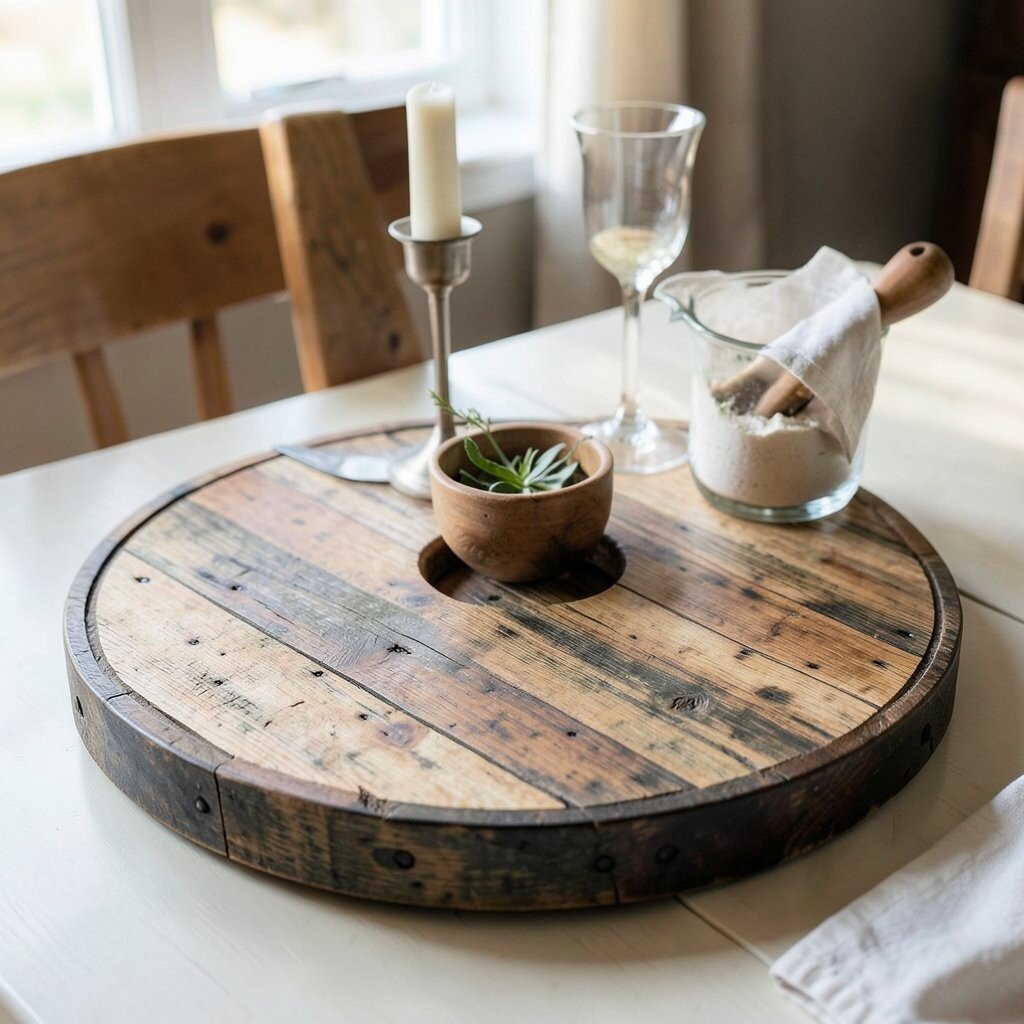
A cutting board made from a reclaimed barrel ring has bold, rustic charm that stands out in any kitchen. The curved shape looks like a small piece of history, and it feels strong when you use it as a prep surface.
Because the wood is often thick and durable, it can handle regular chopping when properly sealed. Use it for serving cheese, slicing bread, or laying out roasted veggies for a dinner table moment. Keep the surface dry after washing, and avoid harsh soaking that could loosen the seasoning inside the pores.
For personalization, add a simple carved date or initials, like a housewarming gift idea. Cost can be higher because reclaimed barrel pieces are limited, but the character is hard to beat.
13. Round Herb-Channel Board with Built-In “Flow” Grooves
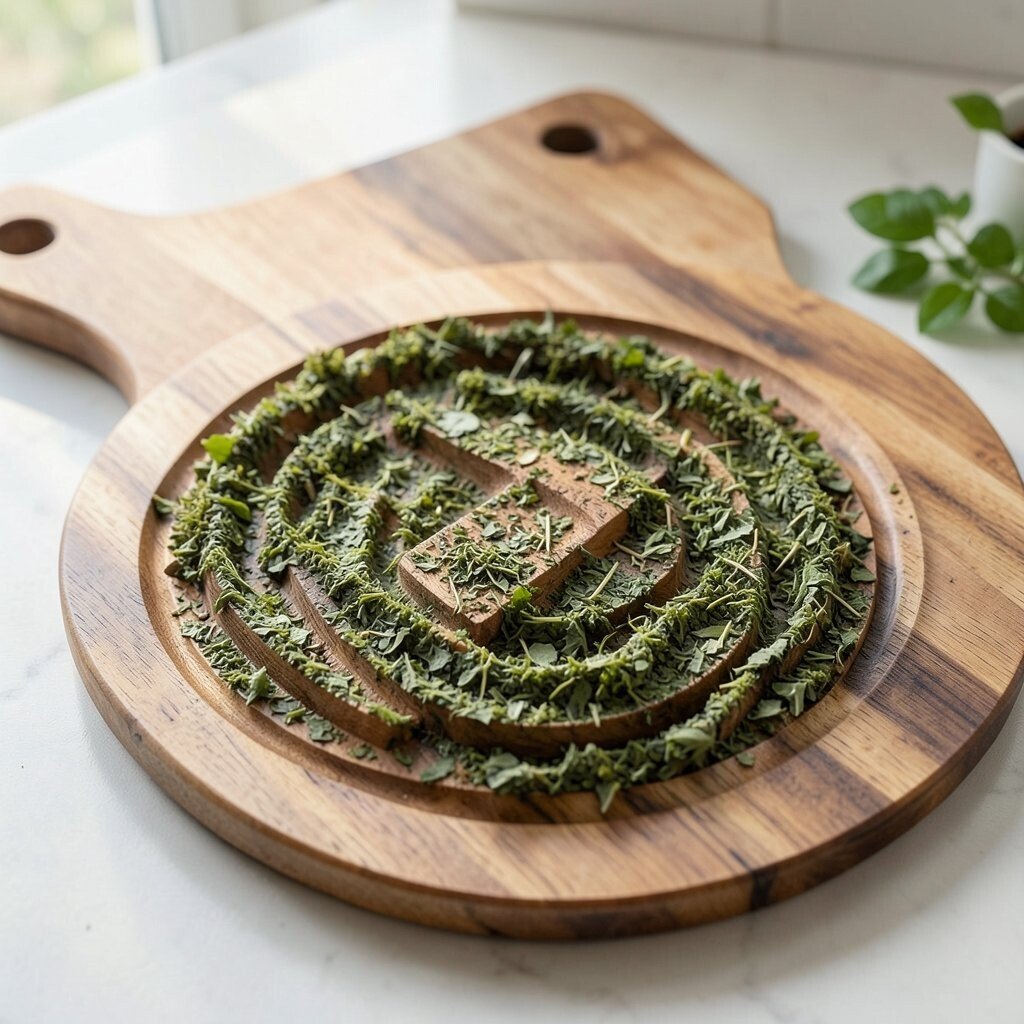
A round cutting board with herb-channel grooves looks elegant and helps ingredients stay where you put them. The channels guide small items like chopped herbs, scallions, or seeds into neat areas.
This design is great for fast cooking because it reduces the need to gather bits from the board surface again and again. Keep the channels clean by rinsing and then brushing gently with a soft scrub tool. Personalize it with a center stamp, like a leaf icon or your kitchen name, so it feels custom.
If you’re watching your budget, look for simpler groove layouts rather than complex multi-tier channels. Current trends lean toward boards that look like mini tools, and this one nails that vibe.
For best knife care, use a board that’s smooth enough that you won’t dull your edge too quickly when you slice.
14. Slim Desk-Style Board for Apartment Kitchens
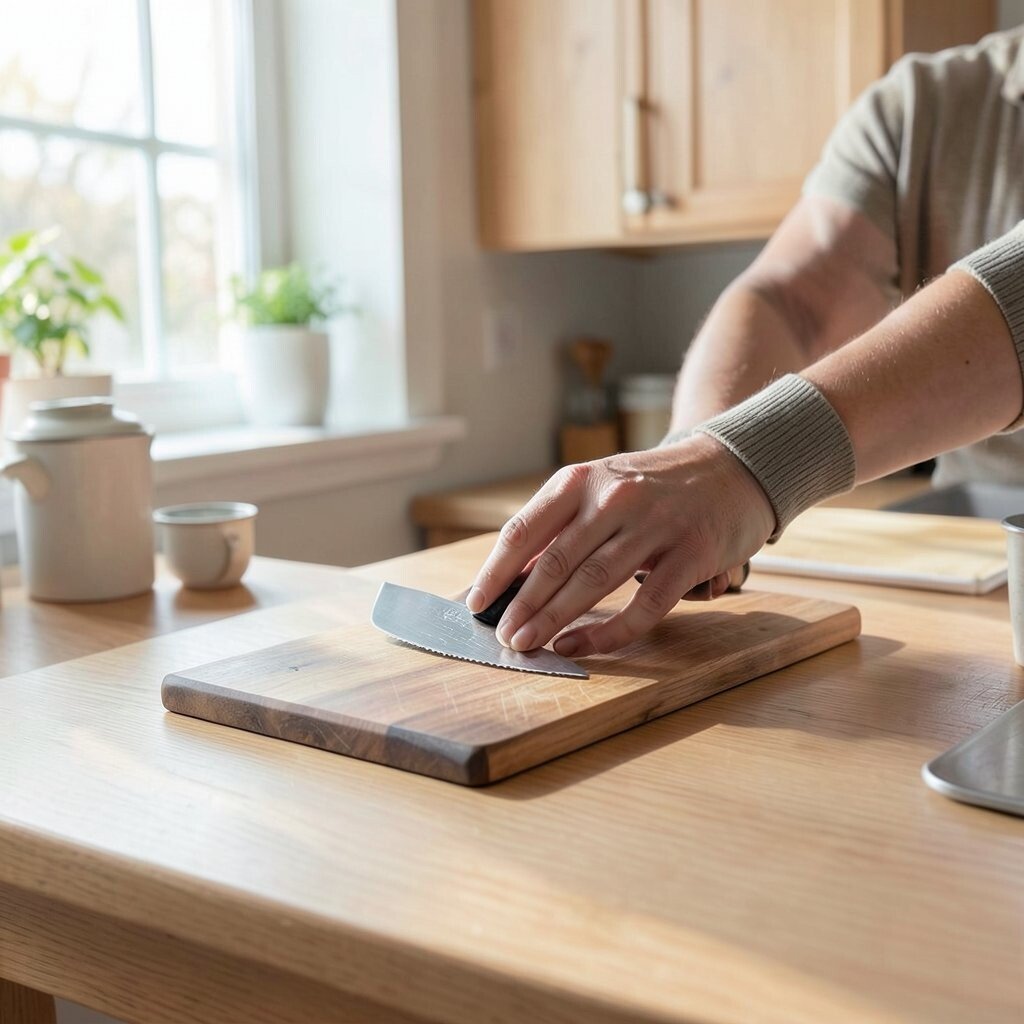
If your countertop is tiny, a slim, desk-style cutting board can feel like a smart upgrade. It stores easily, moves around without drama, and still gives you enough space for everyday slicing.
Choose a board with a flat front edge so you can push chopped items into a bowl with less mess. This is perfect for weekday meals like sandwich prep, stir-fry topping, and fruit slicing. To keep it durable, dry it flat at first and then stand it upright so air can reach the edges.
15. Bamboo and Acrylic Color-Block Board
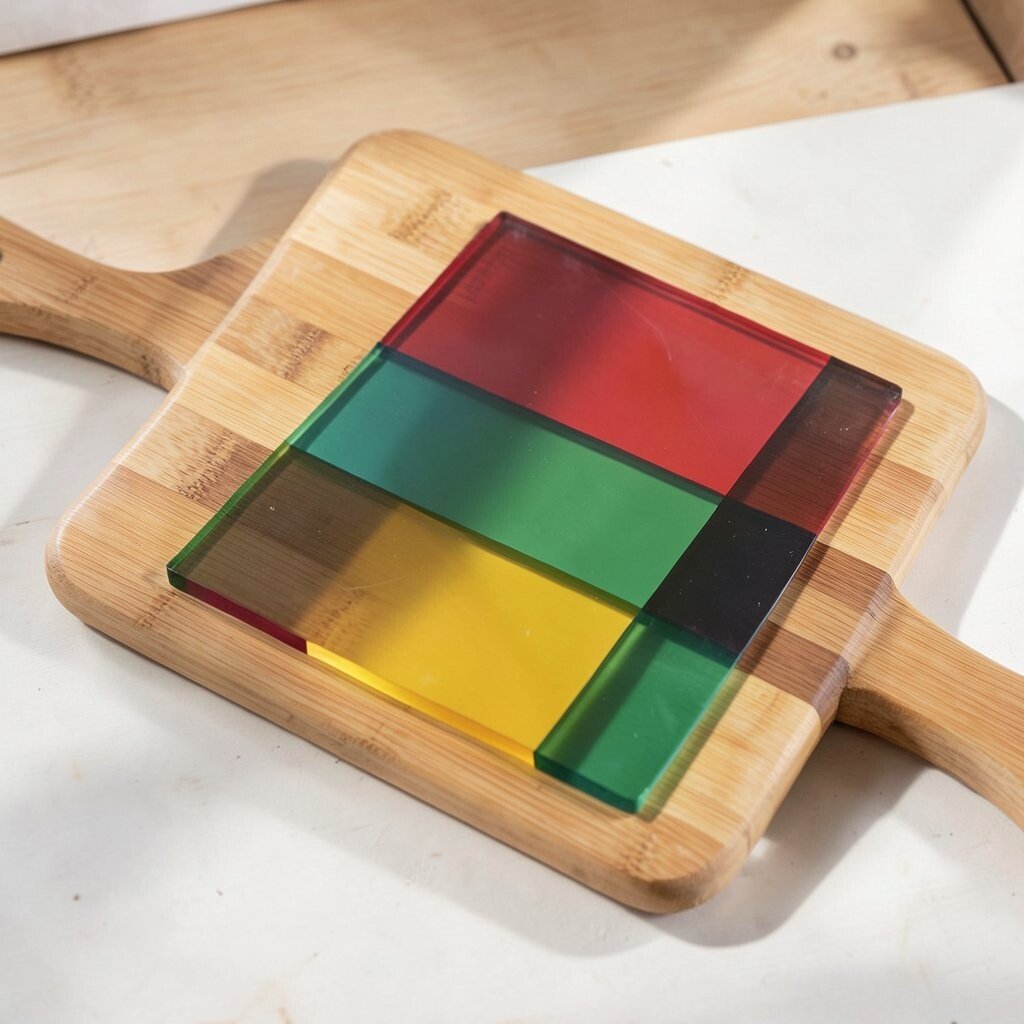
This cutting board uses a playful color-block design that mixes bamboo warmth with crisp, modern accents. The bright sections make food prep feel lighter and more creative, even on busy days.
Benefits include easy organization, because the colors can visually separate raw items from ready-to-serve pieces. Use the bamboo portion for direct cutting, and keep the acrylic parts clean and dry so they don’t get cloudy. Personalization is fun here, since you can pick colors that match your cabinets, dish towels, or kitchen appliances.
Cost is often middle-range, especially for laminated combinations, and the look tends to be trend-forward. If you love color in the kitchen, this style keeps things lively without overwhelming your space.
16. Mosaic Tile Backing Board for Art Lovers
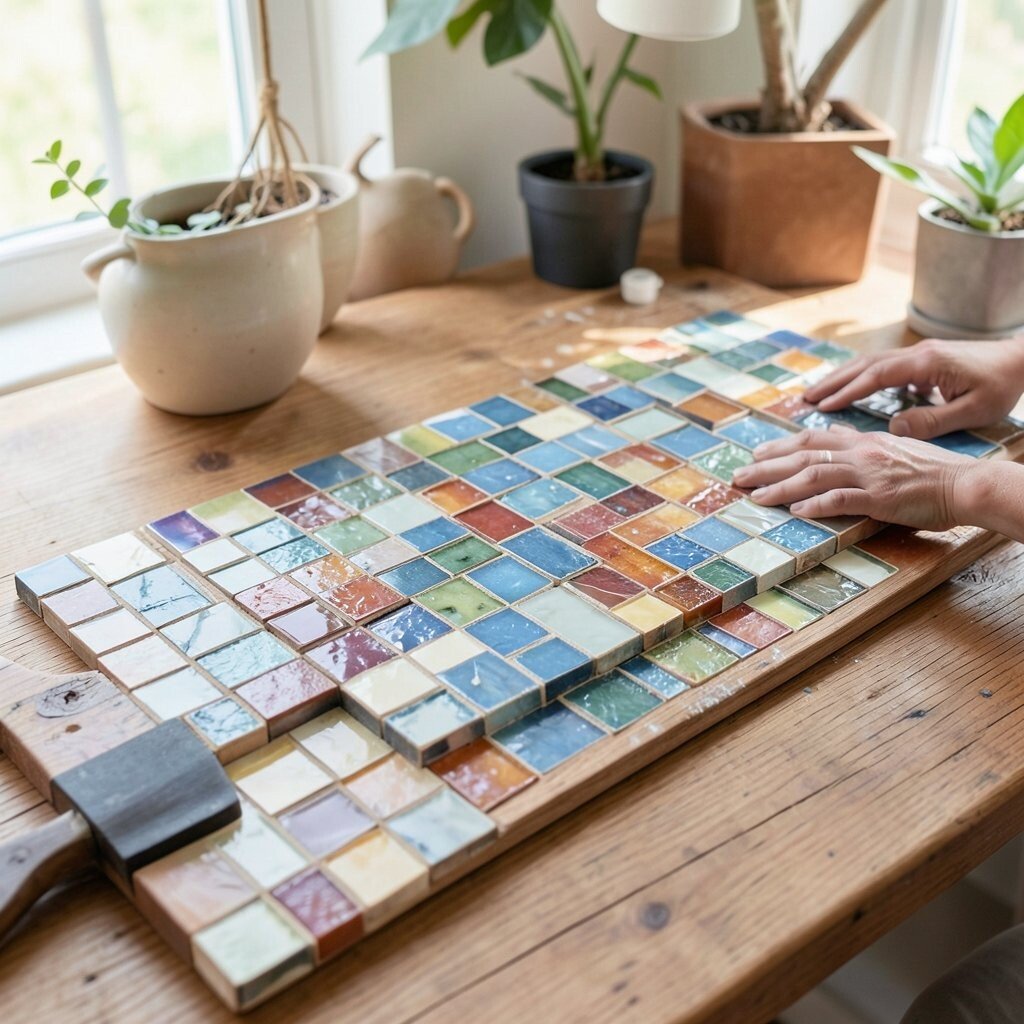
A mosaic tile backing board adds a handmade feel that looks like kitchen decor, not just a tool. With tile set into or alongside the wood, you get a visually rich surface that makes prep feel special.
Use the wood area for chopping and the tiled sections for styling, like setting herbs, arranging citrus slices, or placing toppings for grilling. The tile is easy to wipe, which can help with cleanup after sticky ingredients. Make sure the grout and edges are sealed properly so moisture doesn’t seep under the surface.
Personalize it with colors that match your backsplash, or choose a simple neutral tile pattern for a calmer look. Costs can vary widely depending on the tile type and whether you buy a ready-made piece, but DIY versions can help you control spending.
This idea is also popular because it blends function with art, which is exactly what many kitchens are aiming for right now.