
Exposed beams can make any space feel warmer and more lived-in. With the right choices, they also add serious style without needing a full remodel.
1. Contrast White Walls With Dark Beams
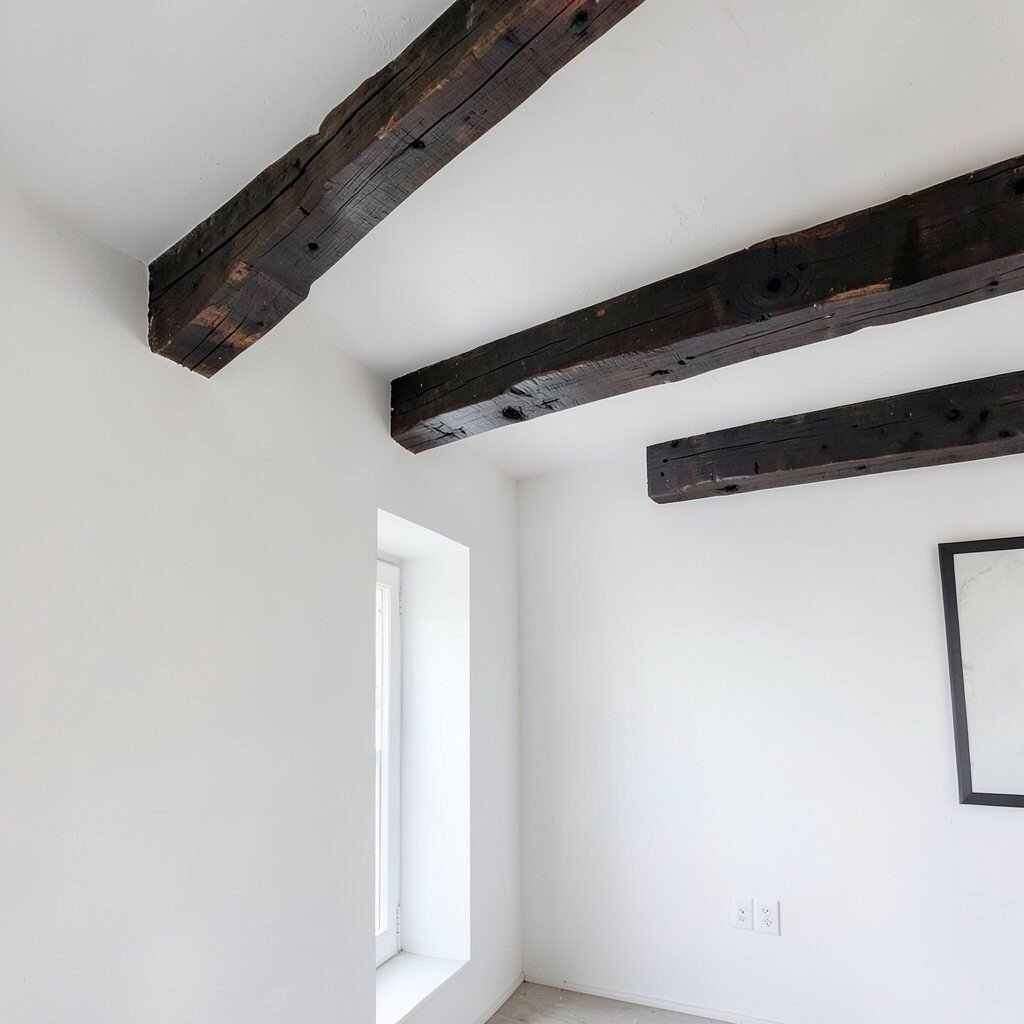
Dark beams against white walls create instant depth. It also makes ceilings feel taller in a simple, eye-catching way.
Pick a beam stain that matches your flooring tone for a natural flow. Keep the room bright with soft, warm lighting so the beams feel inviting, not heavy. For a clean look, use smooth finishes instead of very textured wood.
2. Choose Natural Oak for a Sunlit Look
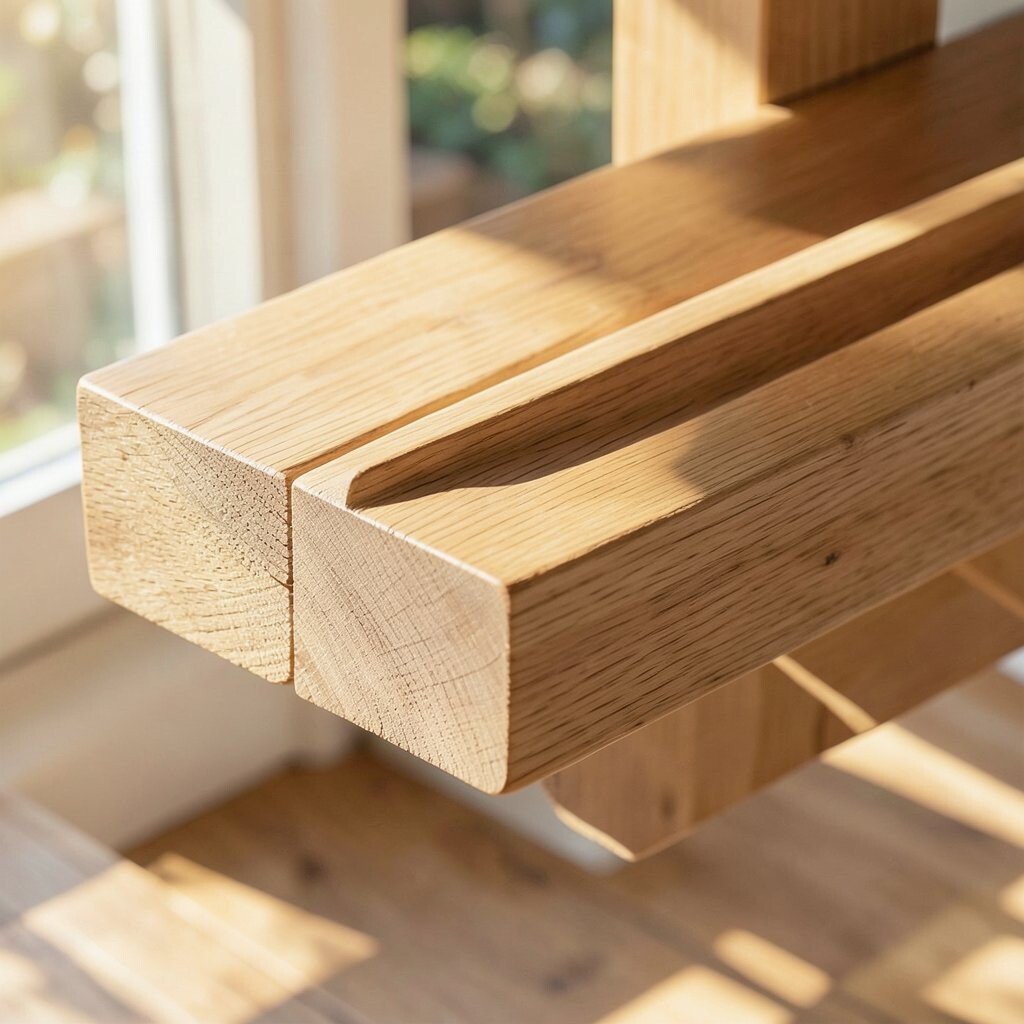
Natural oak beams bring a light, friendly vibe to kitchens and living rooms. Their honey color pairs beautifully with light neutrals and woven decor.
To keep the look fresh, seal the wood with a matte clear coat so it won’t look overly shiny. Add a few oak accents, like shelves or picture frames, to tie everything together. If you want extra warmth, include curtains in oatmeal or creamy beige.
Because oak can be pricier than softer woods, compare options like reclaimed beams or laminate that mimics grain. If budget is tight, start with one feature beam over a focal area and expand later. This approach follows current trend lines toward “warm minimalism” that feels bright but not sterile.
3. Paint Beams a Soft Color for Gentle Charm

Painting beams in a soft shade makes them feel like part of the design, not just raw structure. Think sage, warm gray, or creamy off-white for a calm ceiling story.
Use a bonding primer first, then choose a durable trim paint since ceilings get drips and dust. Lightly sand between coats so the finish stays smooth and even. Pair painted beams with understated moldings or a matching mantel for a cohesive look.
If your beams are uneven or you see marks, paint can hide imperfections. For cost control, paint yourself and focus on the main beams only. This idea is popular right now because it keeps the exposed-beam charm while matching modern color palettes.
To personalize, test two paint swatches at different times of day. Morning light and evening light can change how the color reads.
4. Add Iron Hardware for Industrial Warmth
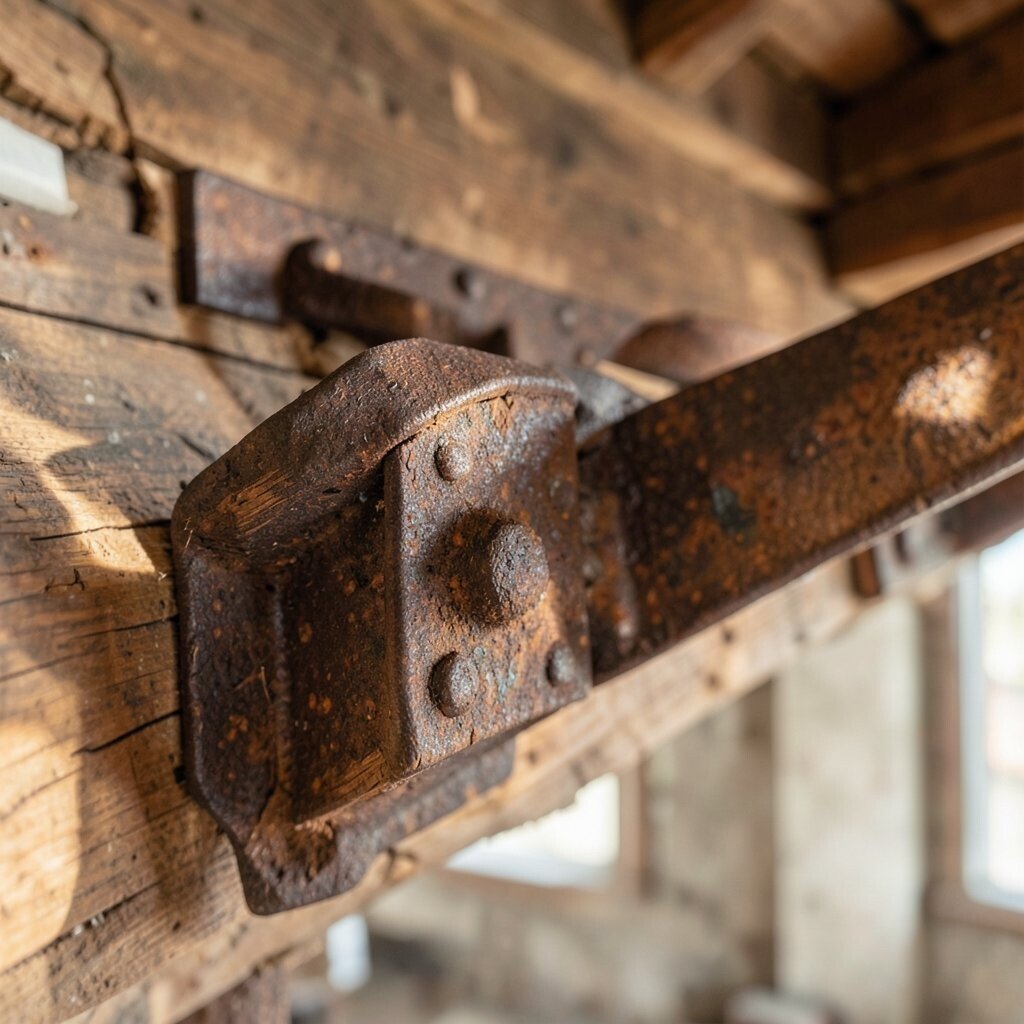
Iron straps, brackets, and hangers make exposed beams feel strong and stylish. This mixes rustic character with a clean industrial edge.
Look for matte black or dark bronze hardware to avoid glare and keep the look grounded. Use straps to anchor shelves or to frame a bar cart on an open wall. If you have pendant lighting, match the metal finish so the ceiling and room feel coordinated.
5. Stain Reclaimed Beams for Storytelling Style
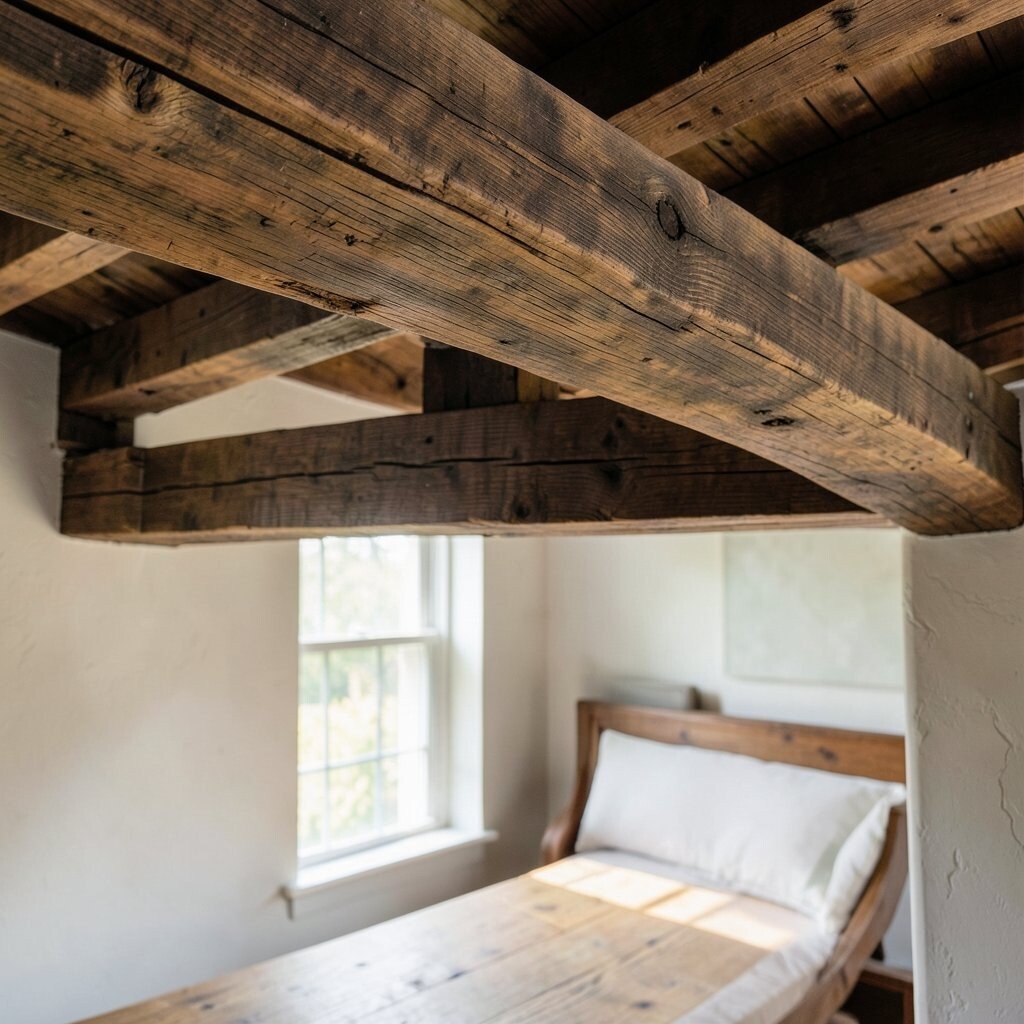
Reclaimed beams bring history into your home through knots, small cracks, and varied tones. Each beam has its own personality, so the ceiling becomes a conversation piece.
Even out the finish with a stain that enhances grain without covering every detail. Seal it well to protect against dust and moisture, especially in kitchens. For the best results, let one beam stand out as the “hero” and keep adjacent beams slightly lighter.
Reclaimed wood can cost more upfront, but it often delivers more character per piece. Shop local salvage yards, ask about thickness, and measure carefully for straight lines. This style stays on trend because people love sustainable choices and unique materials.
6. Pair Beams With a Modern Farmhouse Mantel
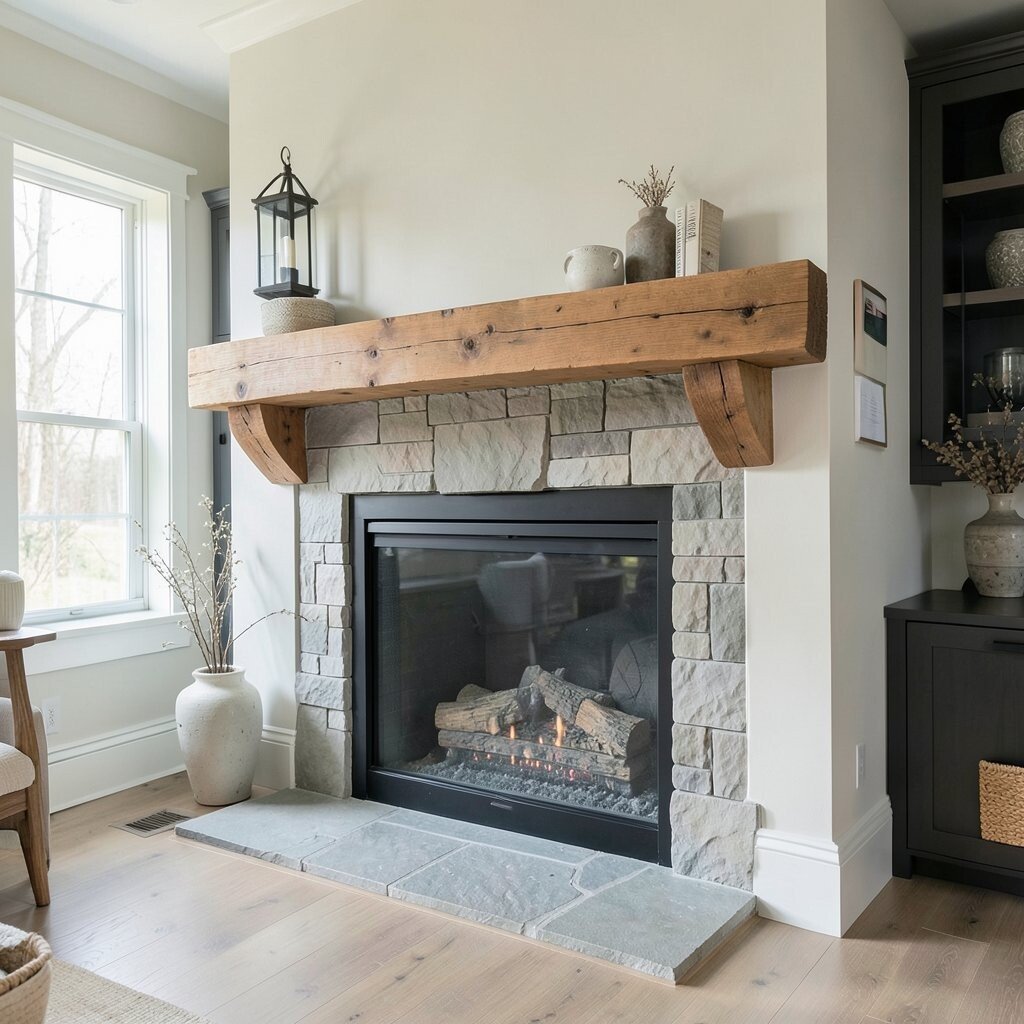
A fireplace mantel plus exposed beams can look like a natural match from the start. It creates a cozy “gathering spot” that anchors the whole room.
Choose a mantel material that complements the beams, like reclaimed wood or a simple stone. Use clean lines for the hearth surround if you want a modern twist. Add a couple of simple accessories—candles, a mirror, or a seasonal garland—to avoid clutter.
7. Build a Ceiling Spotlight Line Along the Beams
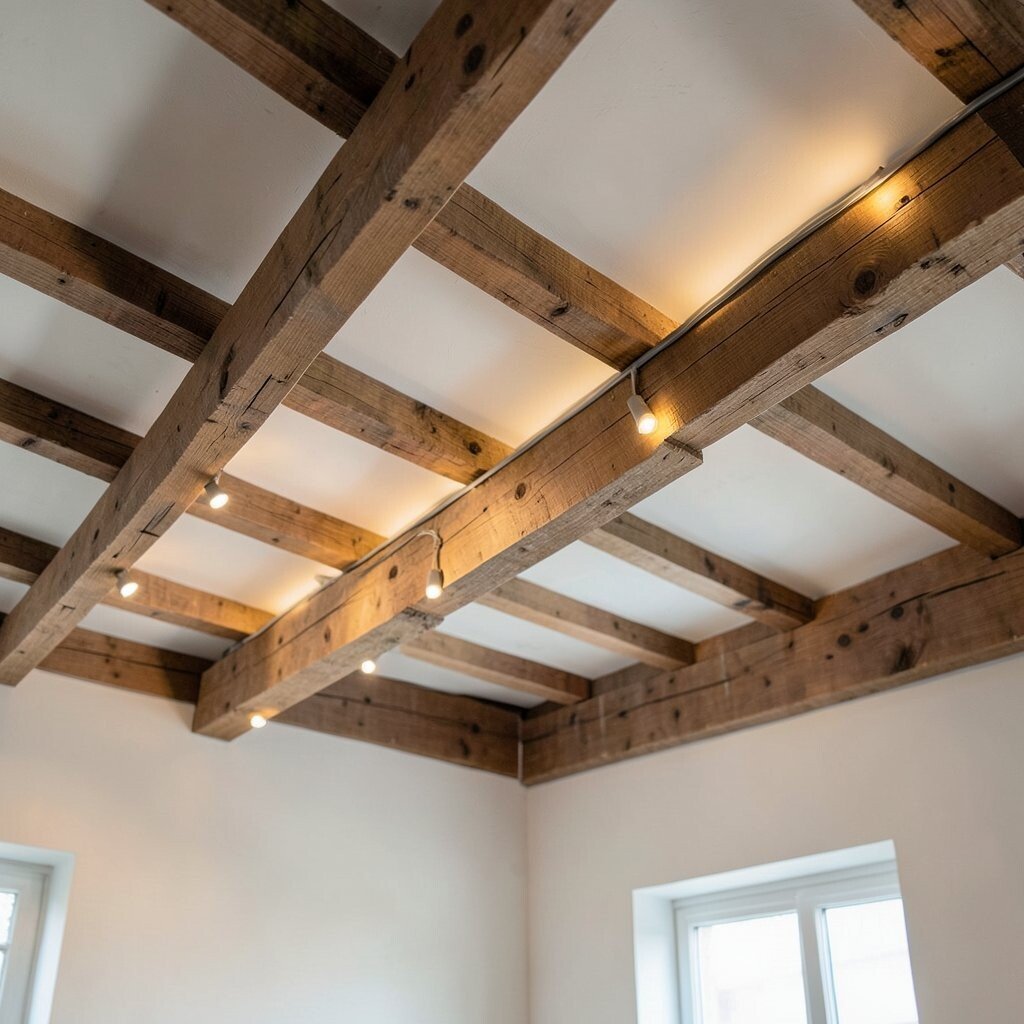
Lighting is where exposed beams really shine, especially if you add a focused accent line. A spotlight or LED track aimed along the beam edges creates dramatic texture.
Keep the light warm (around 2700K) so wood tones look rich. Use a dimmer so you can shift from bright tasks to cozy evenings. For an easy upgrade, place lights near the beam ends where shadows will enhance the grain.
This is a smart way to get a high-end look without replacing anything structural. Even on a moderate budget, lighting changes how the entire room feels. Today’s trend favors “layered light,” where beams are part of the lighting design, not just the ceiling design.
8. Keep Beams Natural and Add Soft Textiles

If you love the real wood look, keep beams natural and let them be the warmth of the room. Then balance that strength with soft textiles that calm the space.
Choose curtains, rugs, and throws in gentle colors like cream, tan, or muted earth tones. The mix of hard wood and soft fabric feels comfortable and inviting. Add a few natural elements, like linen or jute, to reinforce the organic vibe.
This setup works well in living rooms, dining areas, and cozy bedrooms. It’s also budget-friendly because you can change textiles more easily than wood. Personalize with one bold pattern pillow or a textured wall hanging for a “designed” look.
To prevent the space from feeling too rustic, include at least one sleek item, like a modern lamp or a clean-lined coffee table.
9. Use Beams to Frame a Dining Area
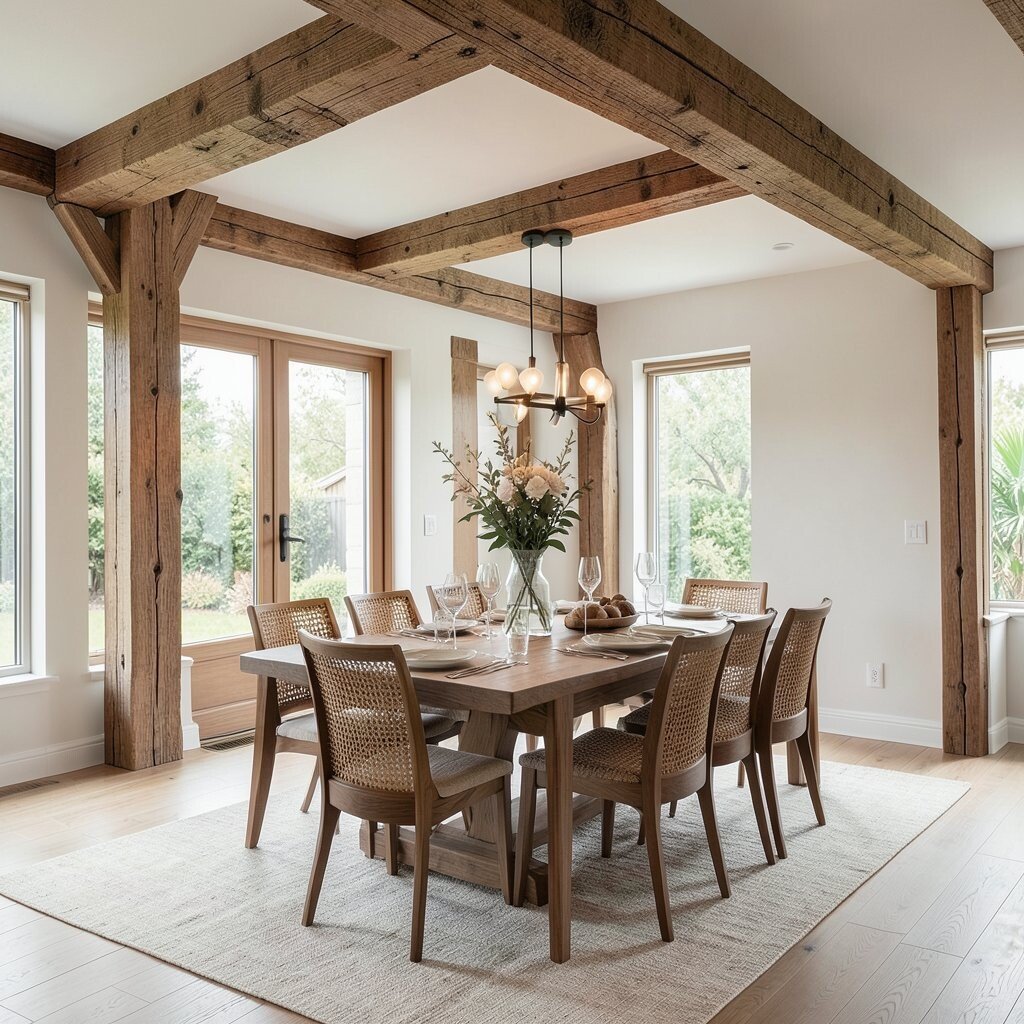
Exposed beams can make a dining nook feel special and intentional. When beams align with your table, the ceiling becomes part of the “frame” around meals.
Hang a long pendant that sits just above table height, and center it under the most visible beam. Keep wall paint lighter near the dining zone so beams don’t feel too visually heavy. Add a runner and simple centerpieces to make the space feel complete.
If your beams aren’t naturally aligned, consider adding one lighter cross beam for symmetry. This is a practical trick that can look purposeful. Budget varies based on structural work, but focusing on one area usually helps keep costs down.
10. Add a Faux Beam Ceiling for Rentals
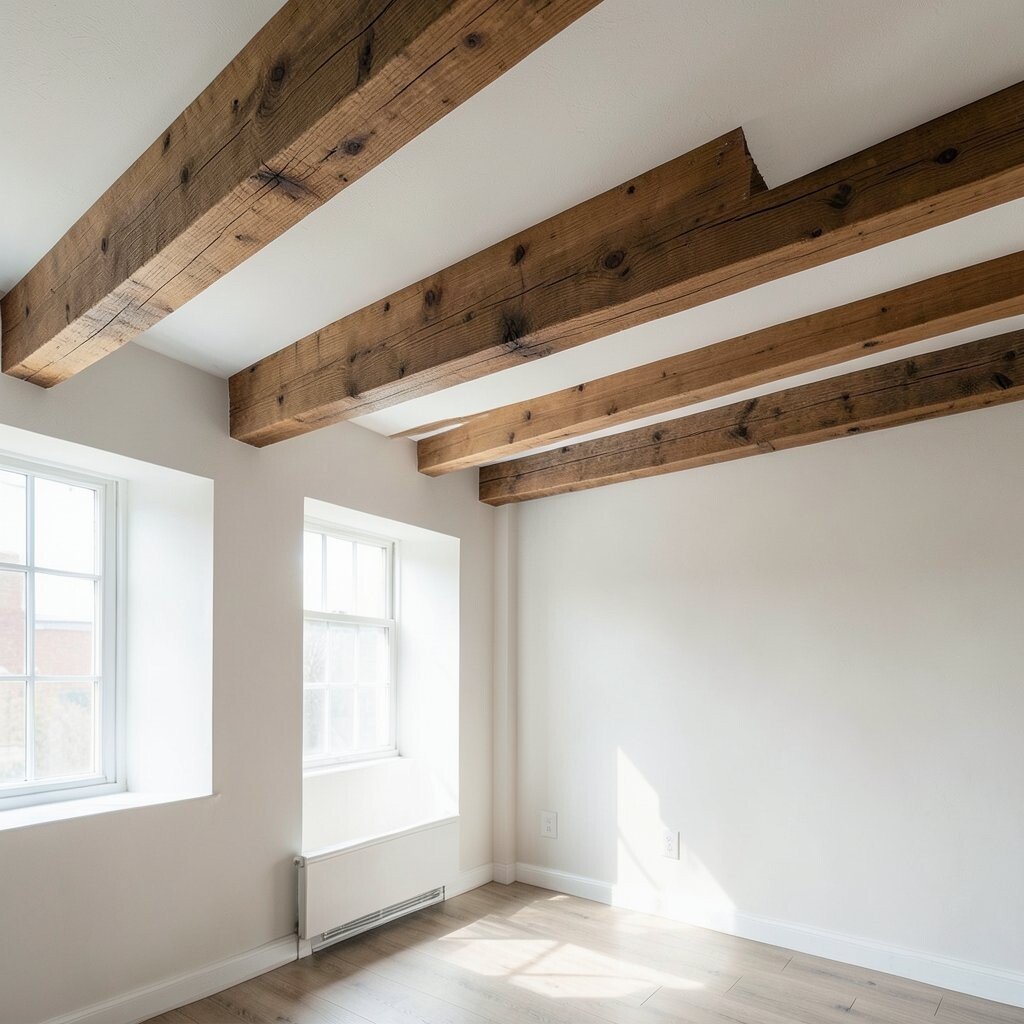
You can get exposed-beam charm even if you can’t change the ceiling. Faux beams give a similar visual effect with less mess and less risk.
Look for lightweight beams designed for surface mounting. Use a level and mark studs so the installation feels solid. Paint or stain the faux wood to match your existing decor, and finish with a matching trim edge.
This is ideal for rentals and older homes where removing or altering real beams isn’t possible. It’s also a cost-smart option because you avoid heavy labor. Current trend favorites include affordable architectural “updates” like this that still feel custom.
11. Go for Vertical Beams to Add Height
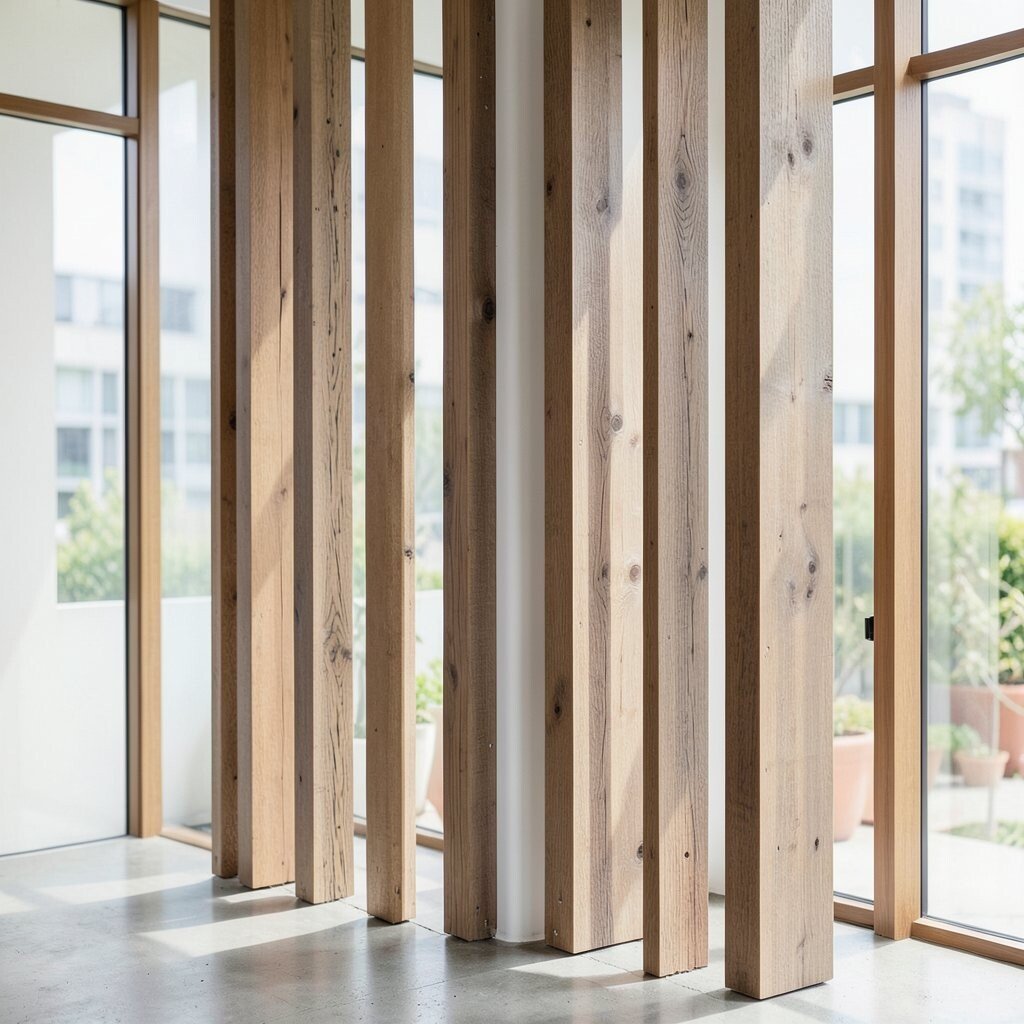
Most exposed beams are horizontal, but vertical beams can add an entirely new vibe. They draw the eye upward and can make rooms feel taller.
Use vertical wood pieces sparingly at key points, like along a feature wall or near windows. If you’re installing into an existing space, confirm spacing so the layout looks balanced from different angles. Pair vertical beams with simple furniture so the ceiling detail remains the star.
Vertical styling can be a great personalization choice if you want something less common. The cost depends on whether you’re altering structure or adding decorative elements. Even with decorative beams, you’ll get a strong design impact in a single room.
To keep it friendly, choose warm woods or softened stains rather than very dark finishes that can feel dramatic.
12. Match Beam Color to Cabinets for a Unified Room
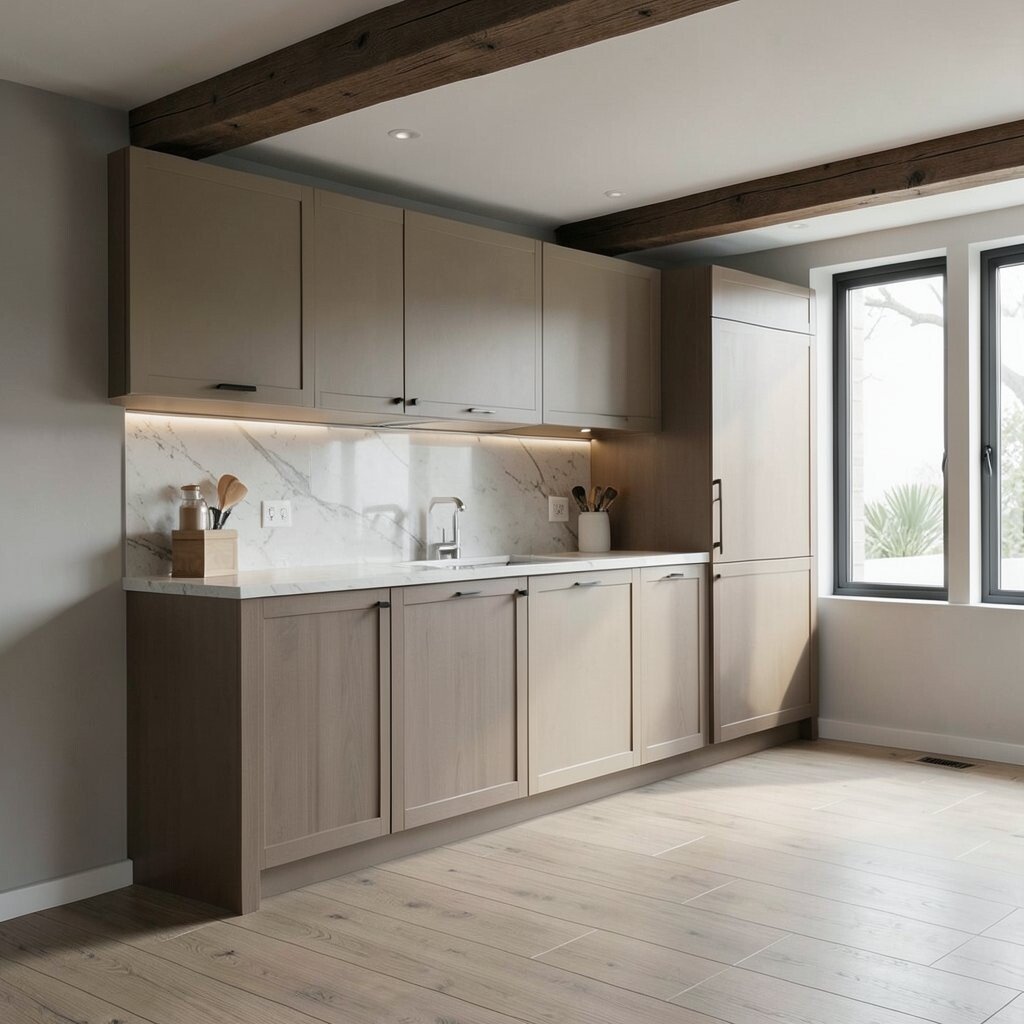
When your beam color and cabinet finish work together, the whole room looks more polished. It’s a simple coordination move that feels like an intentional design plan.
Pick a beam stain that closely matches cabinet undertones, whether they’re warm honey, cool gray-brown, or deep walnut. Use a consistent finish sheen so surfaces don’t look mismatched. If your cabinets are painted, consider a similar painted tone for the beams.
13. Style With Hanging Plants on Beam Brackets
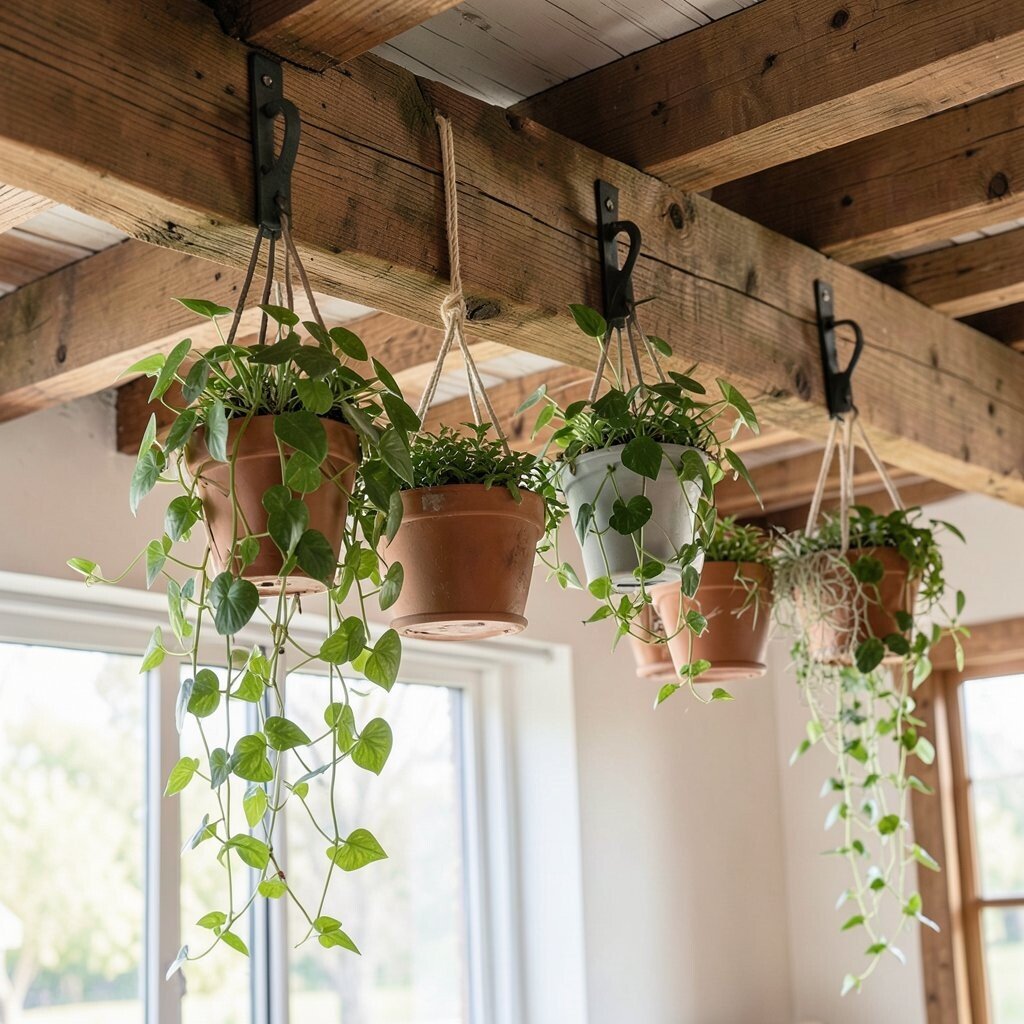
Hanging plants under exposed beams bring life to the ceiling area. It also softens the look of wood while making the room feel fresh and airy.
Install sturdy brackets designed for plant weight, then use macramé hangers or sleek metal planters for different styles. Choose trailing plants like pothos or string of hearts to create a flowing effect. Keep watering in mind, and pick planters with drip trays.
This idea is unique because it turns beams into functional “support lines,” not just visual texture. Budget is flexible: you can start with two plants and add more over time. Today’s trend leans toward biophilic design, and beam-grown greenery fits right in.
14. Create a Gallery Wall Under the Beams

Exposed beams make great backdrops for artwork, especially when you hang frames in a neat rhythm. The contrast between art flatness and beam texture adds depth.
Choose frame finishes that echo your beam tone, like black metal for dark stained wood or light wood for oak beams. Use a consistent spacing method so the wall looks tidy. If the ceiling beams cast uneven light, test your gallery layout with a measuring tape first.
15. Add Beam Trim Molding for a Finished Look

Sometimes exposed beams look best when they’re neatly “finished” with trim. Adding beam trim molding creates crisp edges and makes the room feel custom.
Use trim that matches existing baseboards or crown molding for a consistent architectural language. Measure carefully so corners align and joints look clean. This is a practical upgrade because it can elevate the look without repainting everything.
Cost depends on the length of trim you need, but it’s usually more affordable than replacing beams. It’s also a good way to address small gaps or rough cut lines. People love this approach because it blends rustic beams with a polished, modern sense of order.
16. Balance Heavy Beams With Light, Airy Colors

If your beams are thick or very dark, balance them with airy wall colors and furniture. The goal is to keep the ceiling drama while preventing the room from feeling closed in.
Use warm whites, pale grays, or soft pastels on walls. Choose light upholstery fabrics and keep floor rugs in neutral tones so the beams remain the focal point. Add mirrors to bounce light around the room.
This works in many homes and is easy to adjust over time. Start with paint or large fabric changes first, then refine with decor. It’s also aligned with current trends that favor bright, comfortable interiors with natural texture.
17. Turn Beams Into a Shelf for Decor and Books
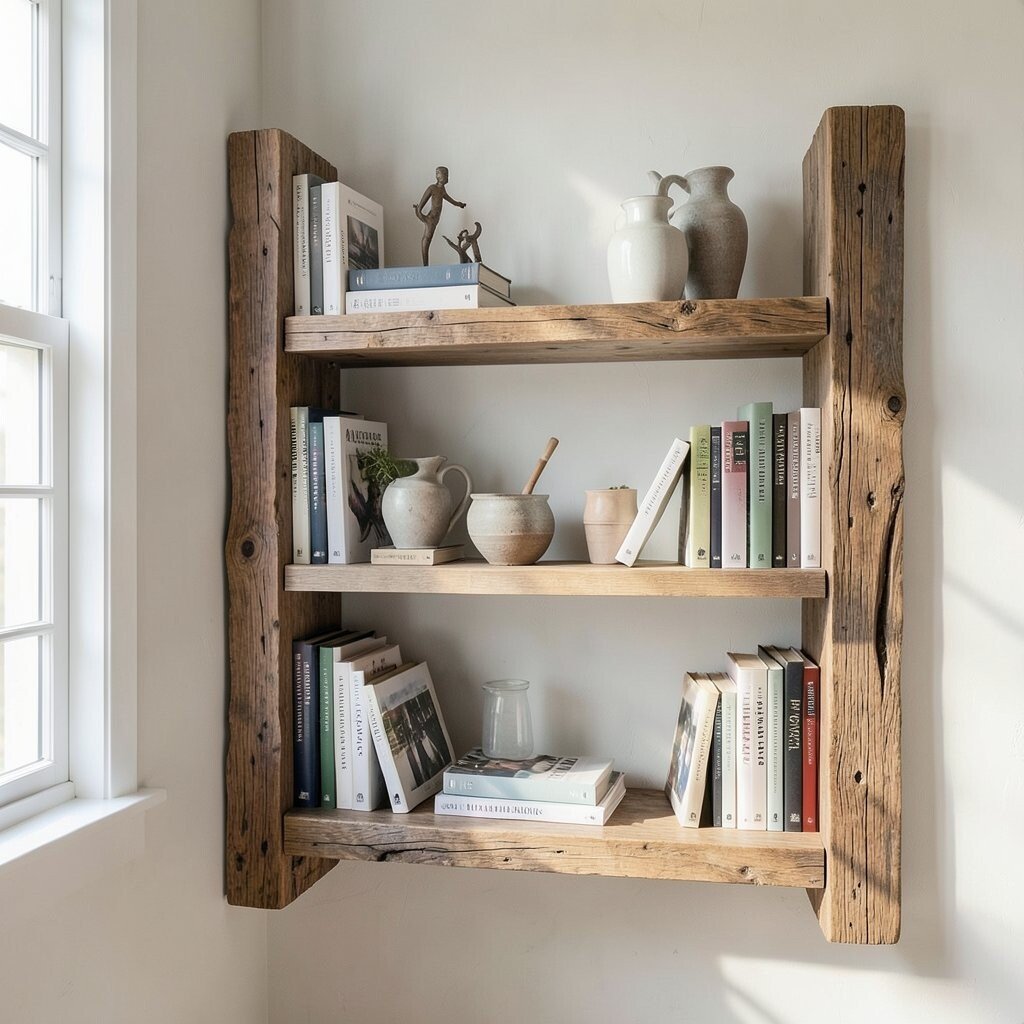
A simple shelf system built along exposed beams turns visual charm into everyday function. You get display space without adding extra wall clutter.
Install brackets or a ledge where beams can support weight, then style with books, small baskets, and framed photos. Keep items grouped by height and color so the shelf looks curated. Leave small gaps so the wood still breathes and doesn’t feel crowded.
Cost varies based on bracket style and shelf length, but it’s often cheaper than adding a full built-in unit. For personalization, rotate seasonal decor or theme the shelf for holidays. This idea also keeps daily items within reach, which feels practical in real life.
18. Use Beams as a Backdrop for Pendant Lighting
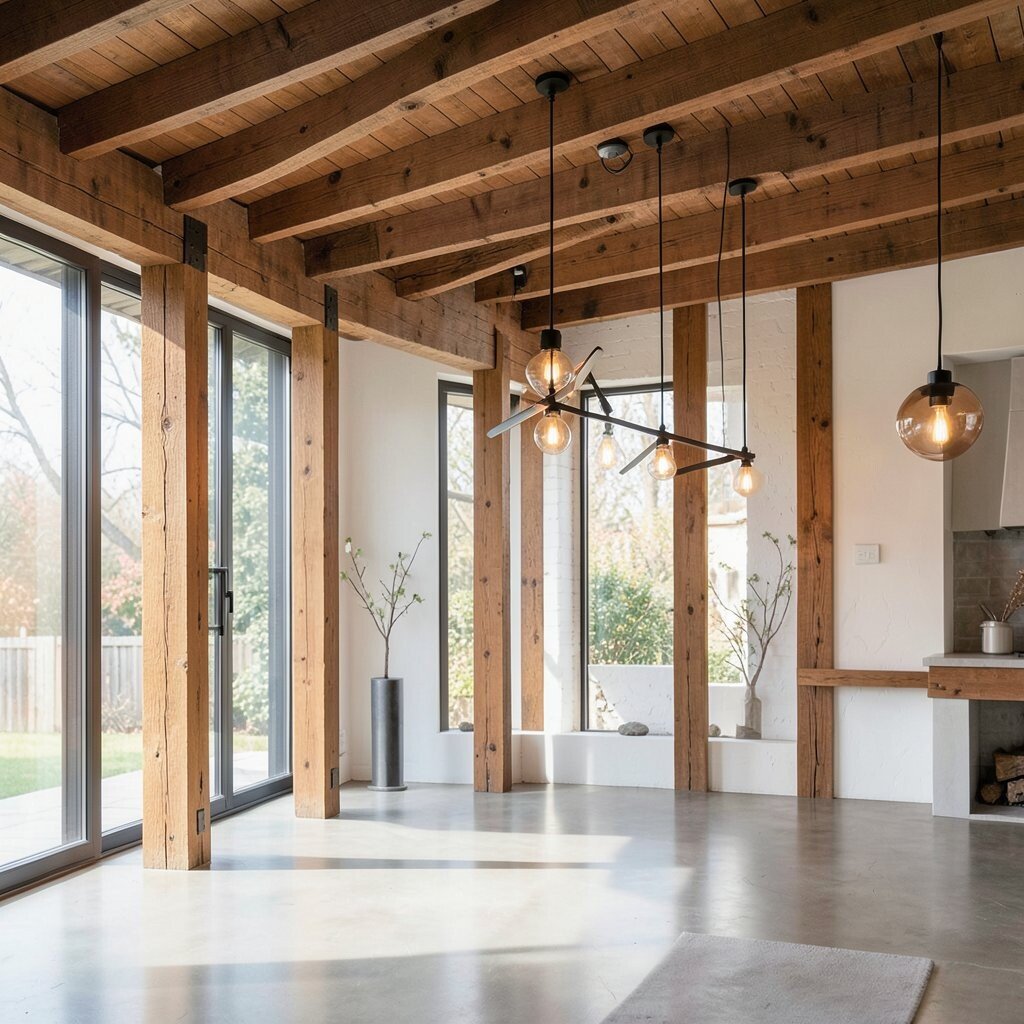
Pendants hung near exposed beams can look intentional and stylish. The beams provide structure, while the lights add softness and warmth.
Choose pendants with shapes that match the beam style, like simple metal shades for modern beams or glass lantern forms for a rustic feel. Space them evenly so the ceiling detail looks balanced. Use dimmers so you can tune the mood for dinners or quiet evenings.
19. Combine Wood and Plaster for a Soft Contrast
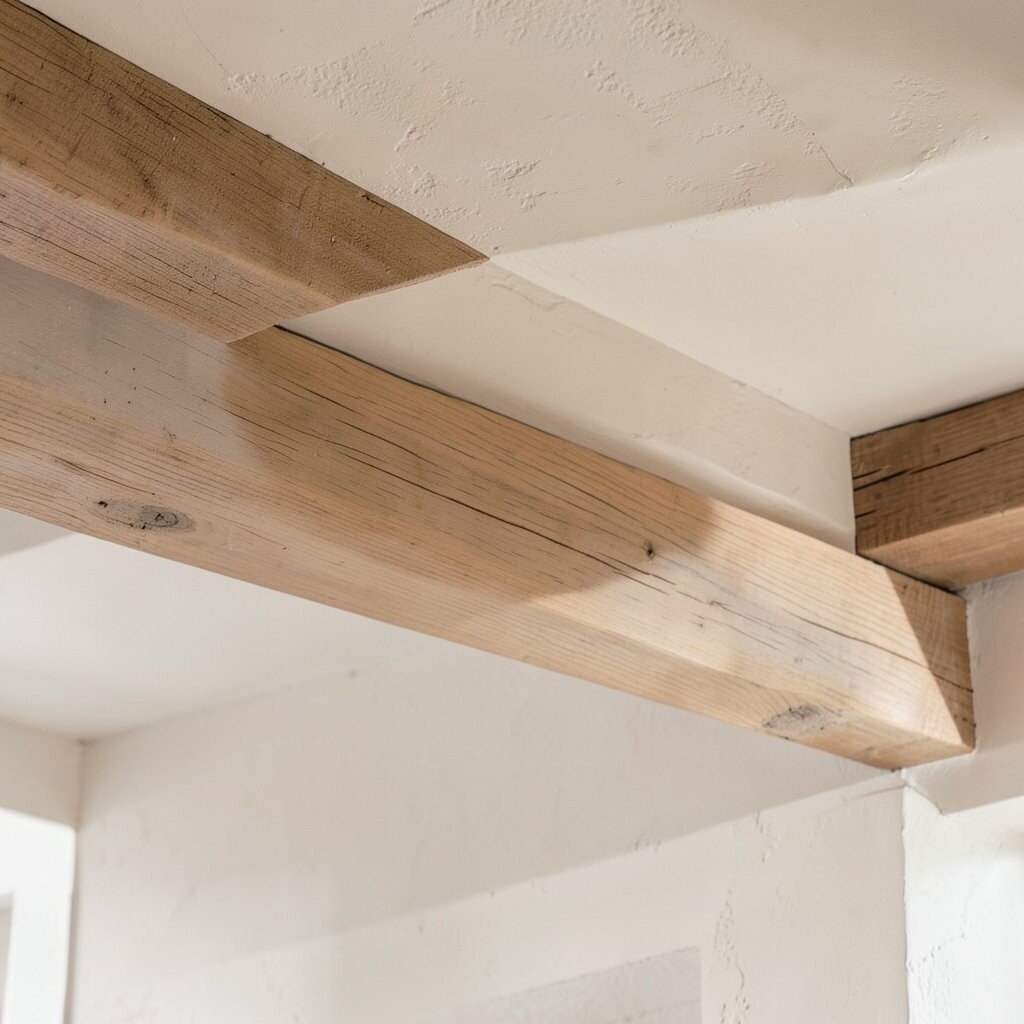
Mixing exposed beams with plaster walls creates a gentle, cottage-like contrast. The smooth surfaces make the wood look richer and more dimensional.
If you’re updating an area, consider plaster-like paint or textured finishes near the beams. Keep the texture subtle so maintenance stays easy. Pair with matte fabrics and warm accents to complete the cozy look.
This is a unique take because it merges two different “feel” types: strong wood grain and soft wall texture. Budget can be managed by using paint effects instead of full plaster applications. Current trends often highlight texture layering, and this pairing fits that look nicely while staying timeless.