
Wooden spatulas add warmth to everyday cooking. They also help your pans stay happier and your meals taste better.
1. The “Jam-Ready” Wooden Spatula for Stirrable, Thick Layers

A wide wooden spatula makes it easy to drag every bit of jam from the jar. It leaves a smooth, even layer on toast without scraping too aggressively.
Choose a flat, slightly flexible head so it can glide over thick textures like preserves and honey. For uniqueness, try one with a rounded tip and a handle that feels balanced in your palm. Keep it fresh by hand-washing right away and letting it dry upright so it doesn’t trap moisture.
2. The Slotted Spoon-Spatula Hybrid for Sauces and Stir-Fries
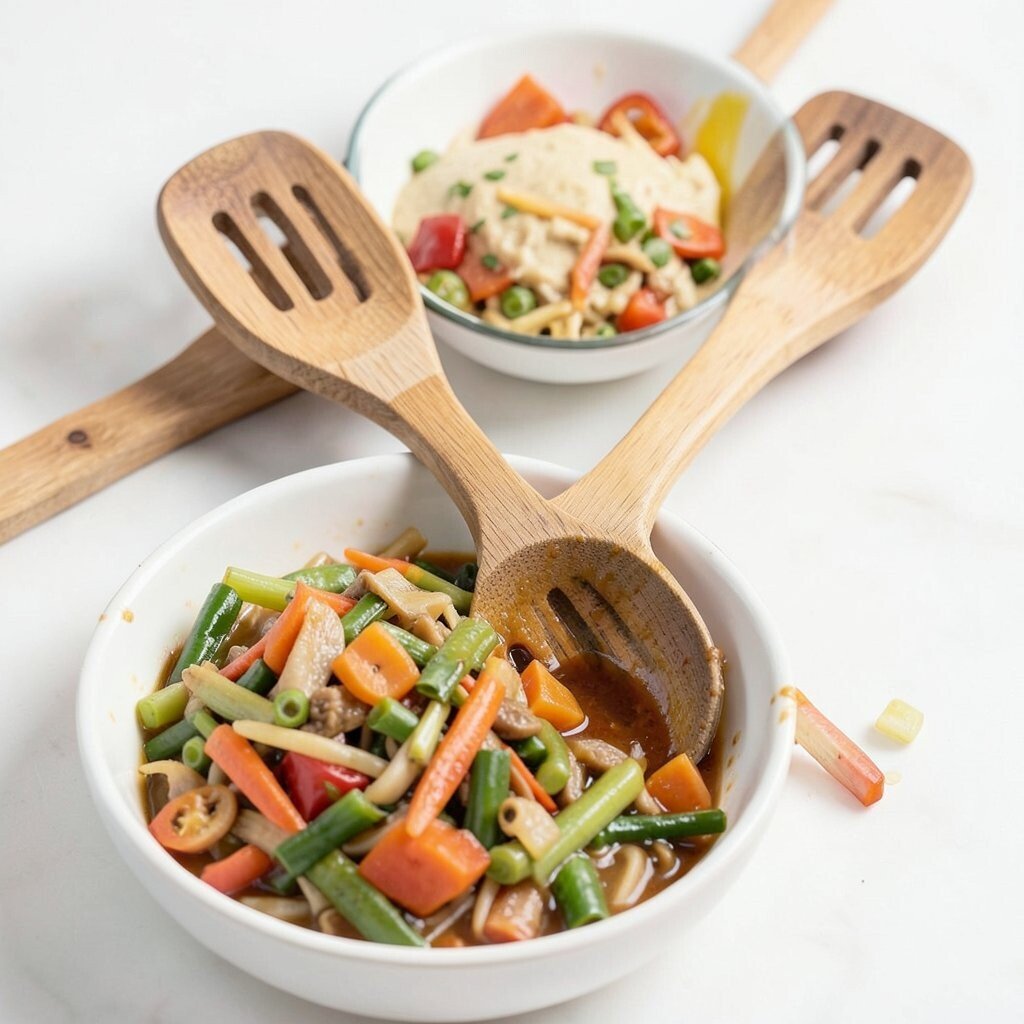
A slotted wooden spatula helps sauces cling where you want them. It also lets extra liquid drain away during stir-frying.
This kind is great for glossy stir-fry sauces, pasta sauce, and veggie sautés where steam needs somewhere to go. Look for slots that aren’t too deep, because overly wide gaps can make it harder to lift delicate noodles.
To personalize it, choose a handle shape that matches how you stir—some people like a curved neck, others prefer a straight, traditional grip. If you’re shopping on a budget, compare wood types and finish quality; a well-sanded, durable piece often lasts longer than a cheaper, rough one. Current kitchen trends favor “gentle tools,” so wooden slotted designs fit right in with the move toward non-scratch cooking.
3. The Flat Edge Spatula for Scraping Pancakes, Brown Butter, and Griddle Treats

A flat wooden spatula is a pancake favorite because it slides under batter with less fuss. It also helps you scrape the sides of the bowl clean without leaving streaks.
When you’re making browned butter, the pan gets covered in tasty bits, and that’s where a sturdy flat edge shines. For safety, avoid soaking wood and always wash gently to prevent swelling.
Pick a spatula with a thin edge for precision, but only if the head is still strong enough to handle hot griddles. A good rule is to balance thinness with rigidity so it won’t warp after repeated heat. If you want a “maker” vibe, look for hand-finished grain patterns, because each piece truly looks different.
Cost-wise, you can usually find solid options in the mid-range that feel smoother and last longer than ultra-cheap sets. Treat it like a daily tool, not a decorative one, and it will earn its place on your counter.
4. The Beveled Corner Spatula for Cutting Through Saucy Lasagna Layers
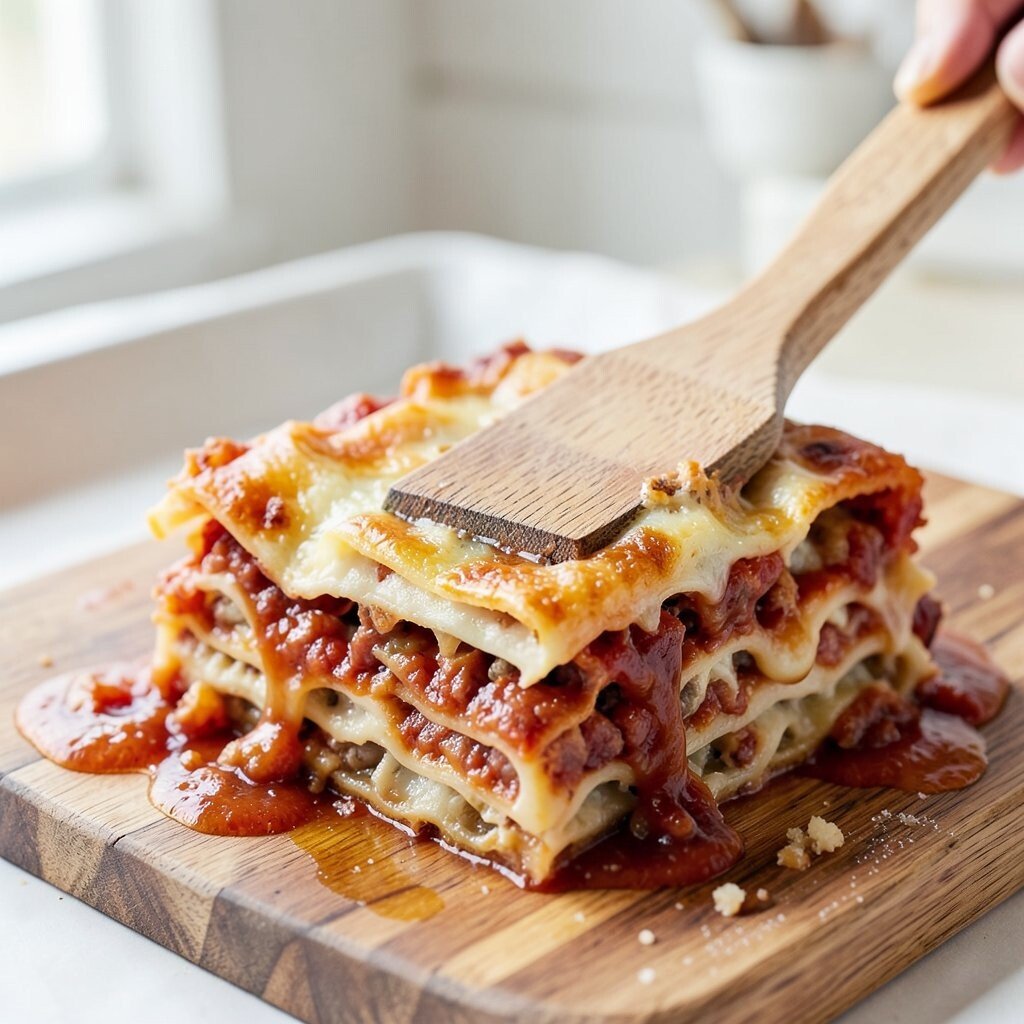
A beveled corner wooden spatula is built for lifting a slice cleanly. The angled edge slides into layers without dragging them apart.
Use it for lasagna, baked ziti, and casserole dishes where you want neat servings. If you often cook for a crowd, look for a longer handle and a head that’s wide enough to carry a full portion.
5. The Mini Wooden Spatula for Tasting, Portioning, and Little Prep Jobs

Small wooden spatulas are surprisingly useful when you’re tasting sauces and adjusting salt. They also make portioning tiny amounts feel calmer and more accurate.
They’re perfect for spreading hummus on a single sandwich, lifting a roasted garlic clove, or stirring a spoon of honey into tea. Choose one with a smooth, rounded edge so it won’t scratch your bowls.
For personalization, consider a set where each mini tool has a different handle finish, like light birch or darker walnut. This can help you color-code use: one for sweet foods, one for savory. Prices vary, but minis are often affordable, which makes it easy to add a few without overspending.
6. The Offset Wooden Spatula for Easy Mixing in Bowls and Deep Pots
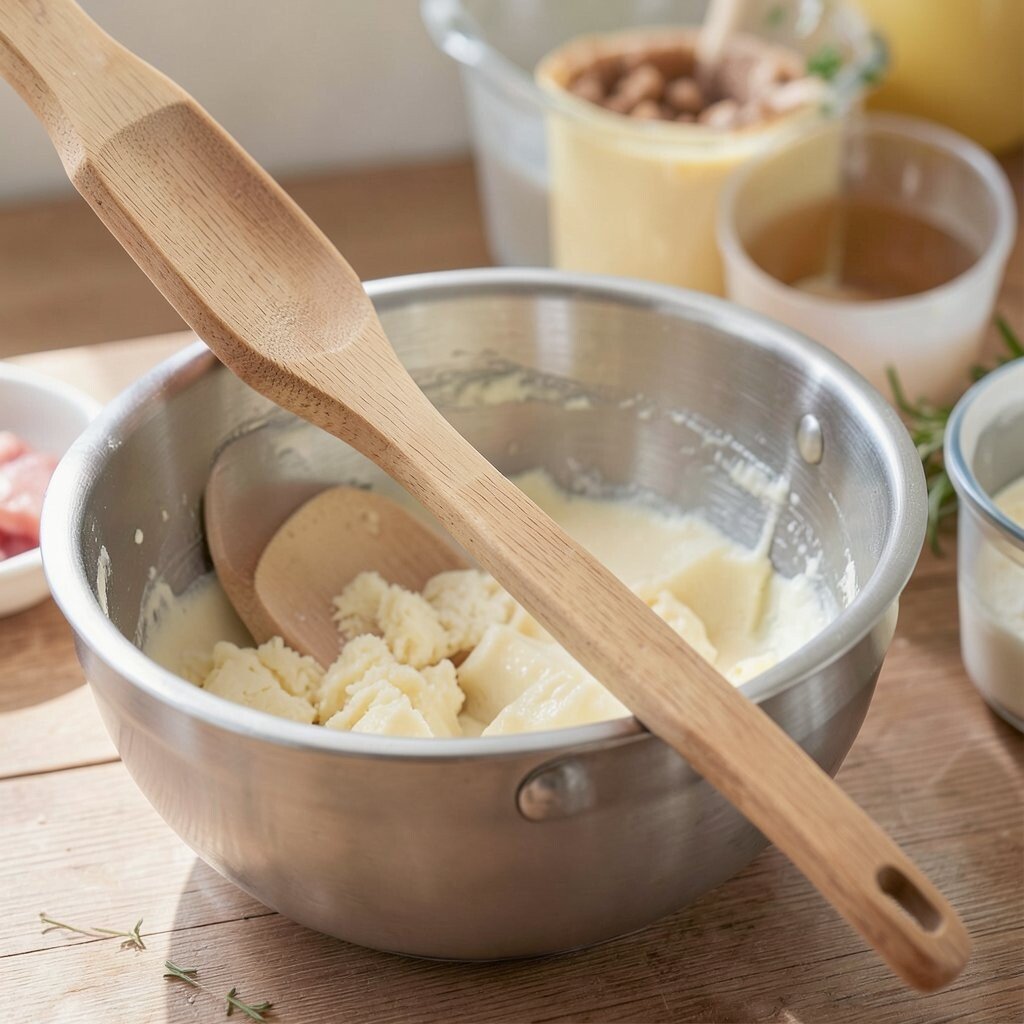
An offset wooden spatula reaches the bottom of deep pots with fewer awkward stirs. The bend also helps you keep your wrist comfortable during long simmering.
It’s great for chili, oatmeal, and creamy sauces where you want to scrape without scraping too hard. Try a slightly longer head if you’re cooking in stockpots, because it reduces the number of passes you need.
7. The Wooden Spatula with a “Heat Hold” Handle for Confident Stirring
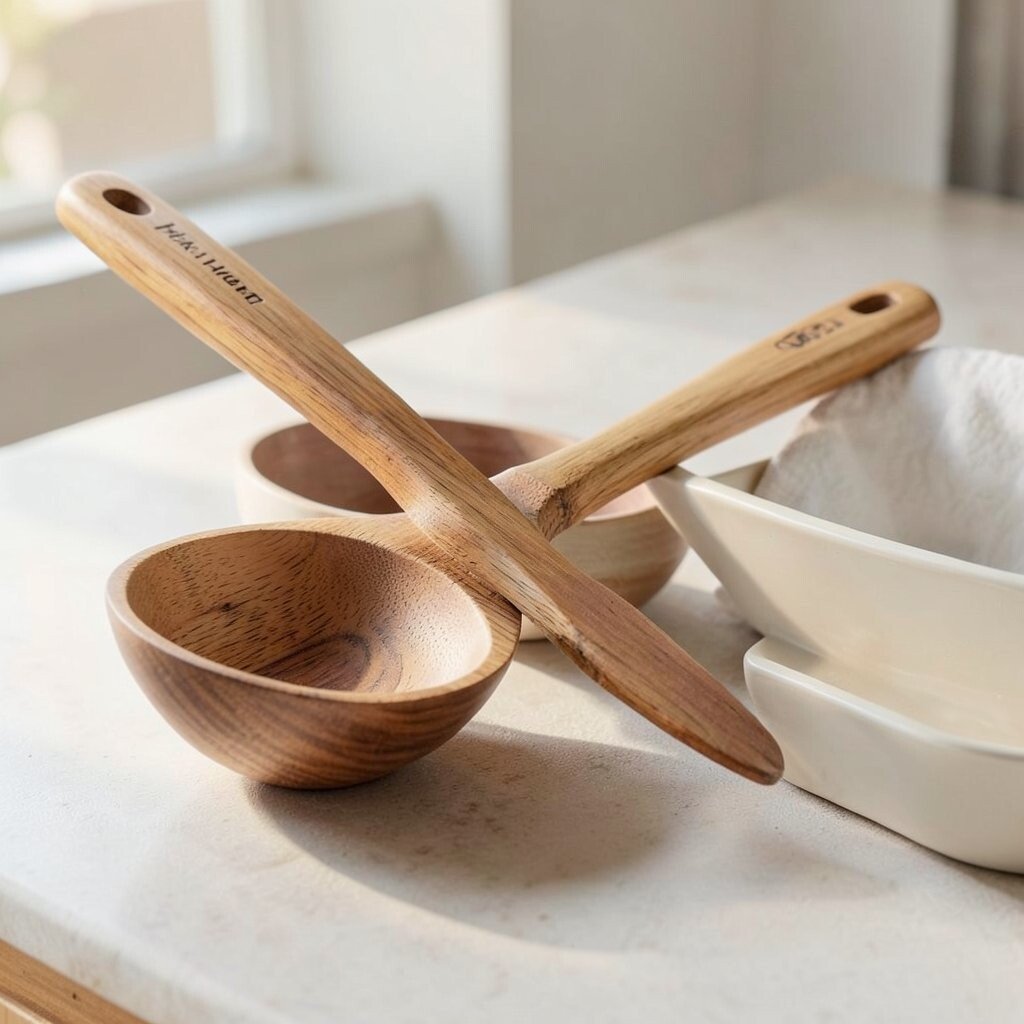
Some wooden handles feel cooler for longer, which can make stirring more comfortable. This is especially helpful when your hands hover near a steaming pot.
Look for a thicker, rounded handle with a smooth finish that doesn’t slip. If your kitchen runs busy, a confident grip can be the difference between steady stirring and messy spills.
To customize, pick a handle shape that matches your cooking style—some people like a wider grip for heavy sauces, while others prefer a slimmer feel. For cost, remember that smoother sanding and better drying often cost a bit more, but that quality usually shows up during daily use. Current trends in practical kitchen gear emphasize comfort, and a heat-friendly wooden handle fits that idea well.
8. The Rounded-Tip Wooden Spatula for Flipping Fish Cakes and Omelets
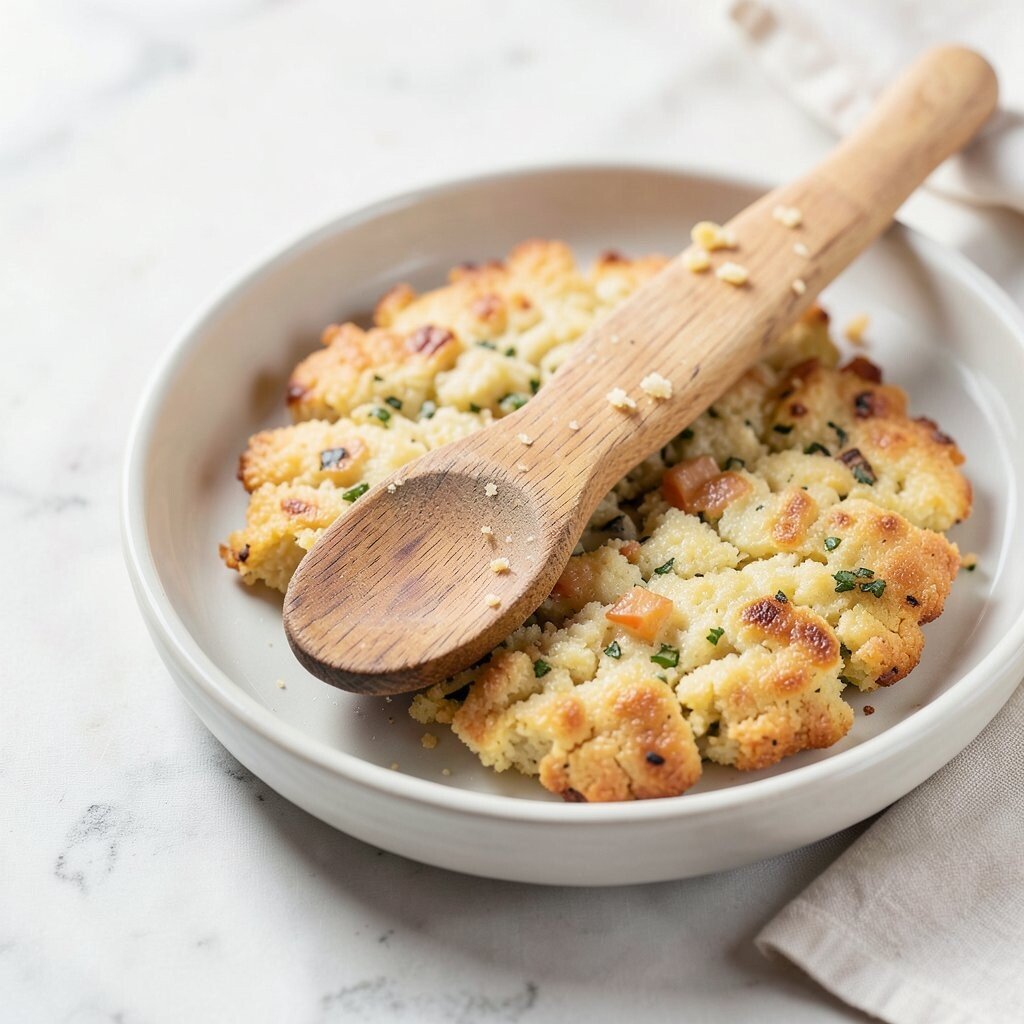
A rounded-tip wooden spatula is gentle enough for omelets and sturdy enough for flipping. It slides under food while keeping the surface from getting torn up.
Use it for fish cakes, frittatas, and thick breakfast patties where you want a clean flip. Choose a head that’s not too sharp, because soft corners reduce the chance of gouging nonstick pans.
If you want something unique, look for a spatula with a slight curve along the head. That shape helps you lift more easily when food sticks in the corners. For a practical tip, warm the pan first and use a little oil so the wooden tool can do its job without fighting the food.
Budget-wise, you can often find reliable rounded-tip designs at reasonable prices. Invest a little more if you notice the wood flexing; a firmer head tends to last longer.
9. The Woven-Grain Wooden Spatula for Baking Spreads and Frosting
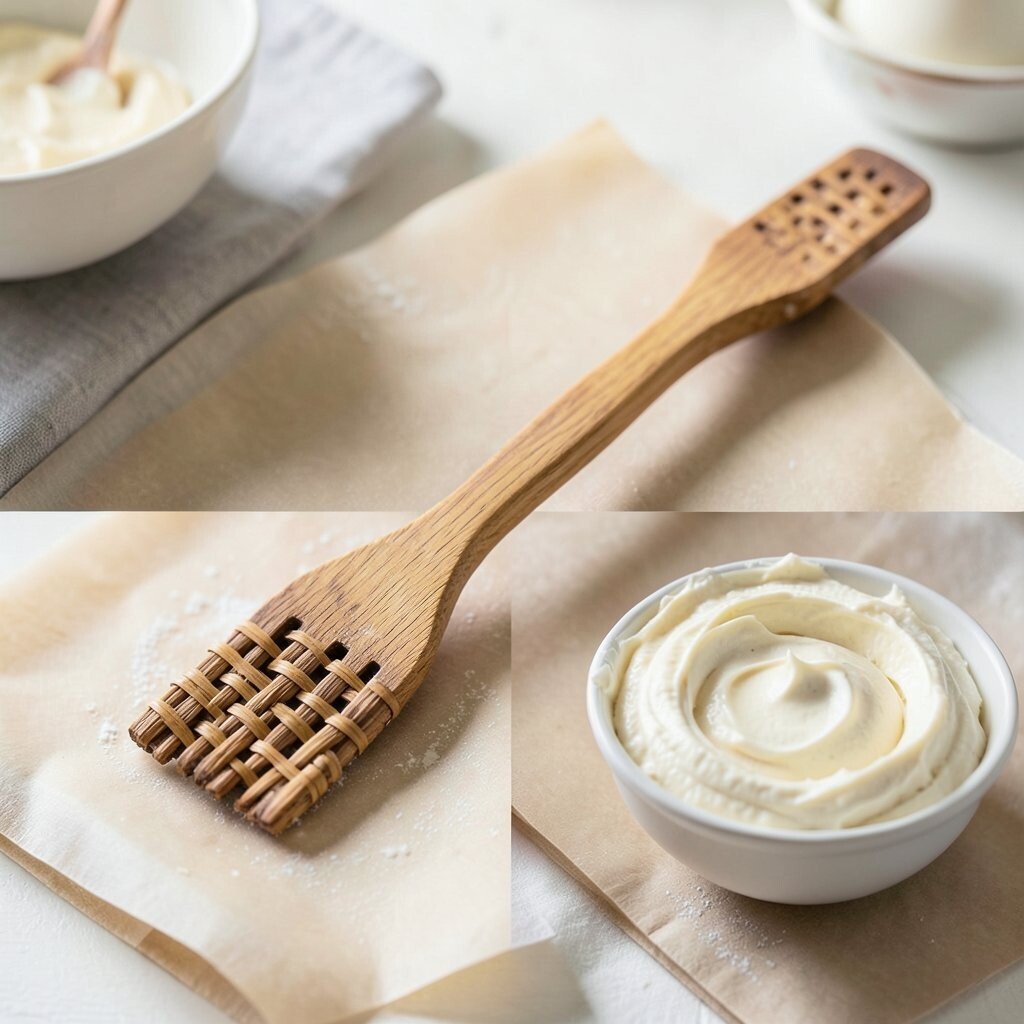
A wooden spatula with a fine, decorative grain pattern can make baking feel extra special. It looks great in photos and feels pleasant while you spread.
Great for frosting cupcakes, swirling cake batter, and smoothing nut butter on toast. Keep it steady by applying gentle pressure and letting the wood do the smoothing rather than forcing it.
10. The Wide Wooden Spatula for Grabbing Roasted Veggies and Flip-Friendly Favorites

A wide wooden spatula is a dream for moving roasted vegetables around the pan. It helps you flip carrots, broccoli, and mushrooms without losing their shape.
This tool works especially well when you want crispy edges, because you can lift and turn without stirring too much. Pick one with a head that’s broad but still thin enough to slide under food.
To personalize, choose a finish color that matches your kitchen vibe, like honey-toned or deeper espresso. If you’re thinking about cost, compare the thickness of the head; thicker wood often resists warping better after many high-heat bakes. A current trend is mixing rustic wooden tools with modern cookware, and a wide spatula fits that style perfectly.
11. The Angled Wooden Spatula for Stirring Rice, Risotto, and Sticky Grains
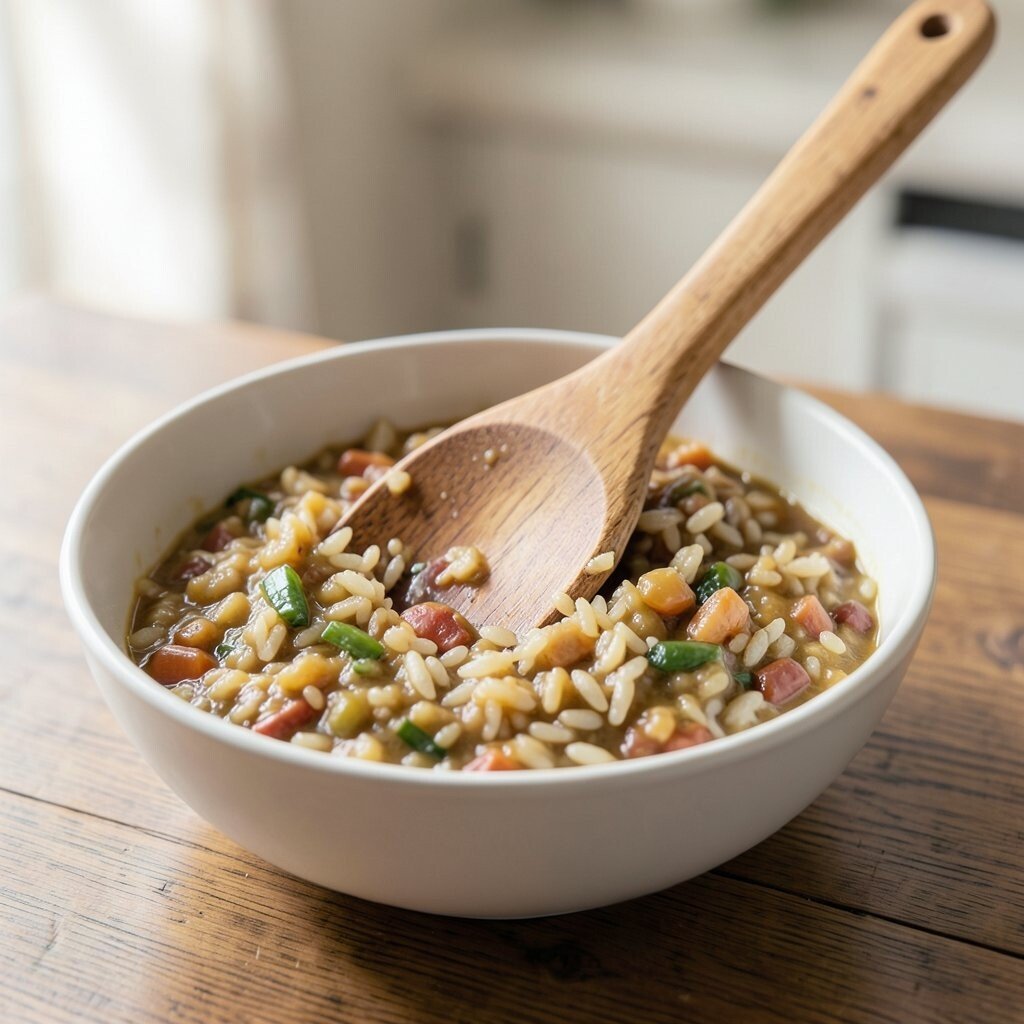
An angled wooden spatula helps you reach edges while keeping your stirring smooth. It’s ideal for rice and risotto, where you want consistent movement without mashing everything.
When cooking risotto, slow stirring encourages creamy texture, and a wooden spatula can handle it patiently. Choose a spatula with a slightly thicker head so it won’t splinter when you stir longer.
For uniqueness, find one with a subtle curve in the handle that reduces wrist strain. That small comfort feature matters after 30 minutes at the stove. Keep in mind that rice cooking involves a lot of moisture, so wash promptly and dry well to prevent any lingering dampness.
12. The Wooden Spatula for Toasting Spices and Moving Aromatics

Using a wooden spatula for spices can make your cooking smell amazing fast. It helps you stir cumin, paprika, and curry powder evenly without clumping.
It’s also great for aromatics like garlic and ginger, where timing matters. If you notice the garlic browning too quickly, a good stirring tool helps you move it away from hot spots.
13. The Thick-Head Wooden Spatula for Thick Chili, Stews, and Slow Simmering
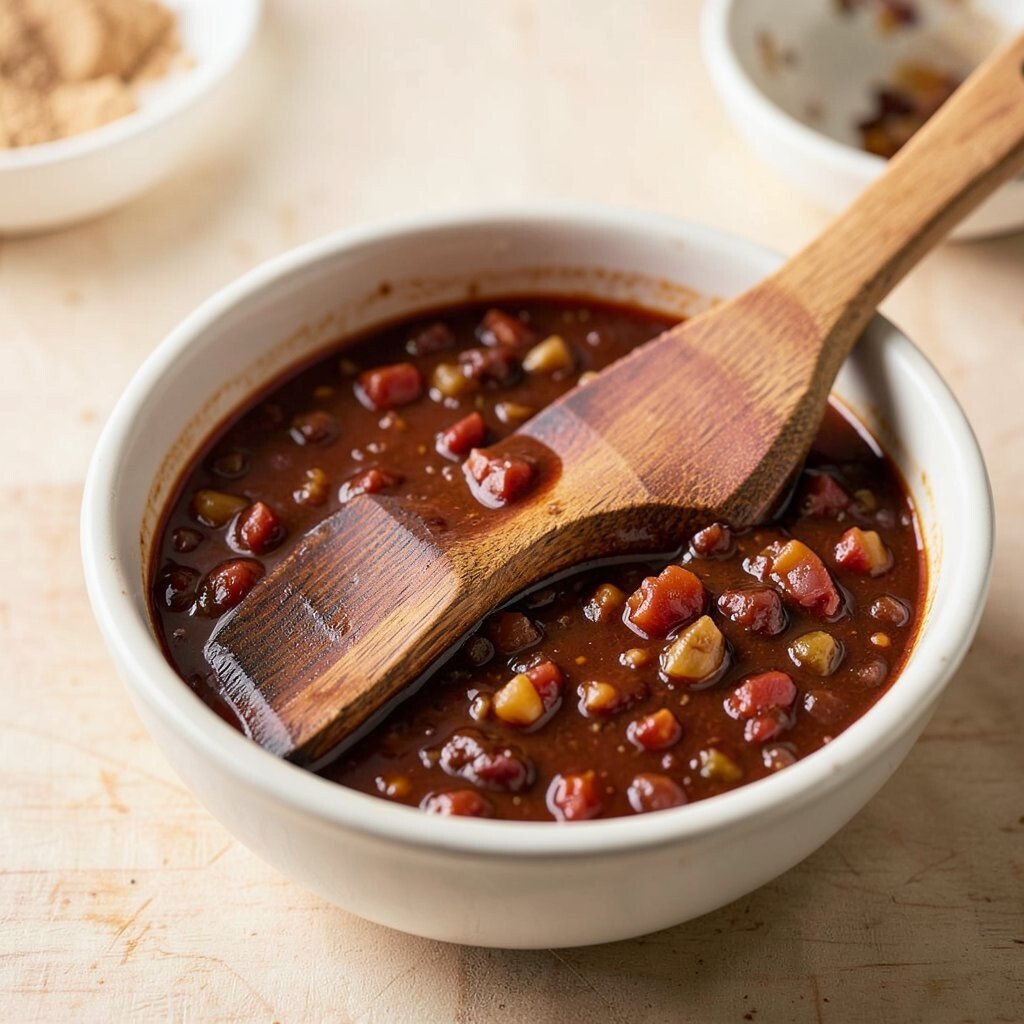
A thick-headed wooden spatula feels sturdy when your pot is full. It’s perfect for chili, stew, and sauces that cling to the spoon and need steady stirring.
Look for a head that’s dense and well-sealed, because heavy dishes put more stress on your tool. If you want practical tips, stir in slow circles and scrape the bottom gently to prevent sticking.
For personalization, select a wood tone you love, since thick-handled spatulas often look rich on a countertop. Consider cost by comparing how smoothly the surface is sanded; smoother tools are easier to clean and less likely to absorb odors. This kind of spatula matches the trend toward cooking “low and slow,” using fewer, high-quality tools that you rely on daily.
After cooking, let it cool first and then wash and dry thoroughly. That routine keeps your wooden spatula ready for the next simmer.
14. The Folding-Edge Wooden Spatula for Sandwiches and Flatbreads
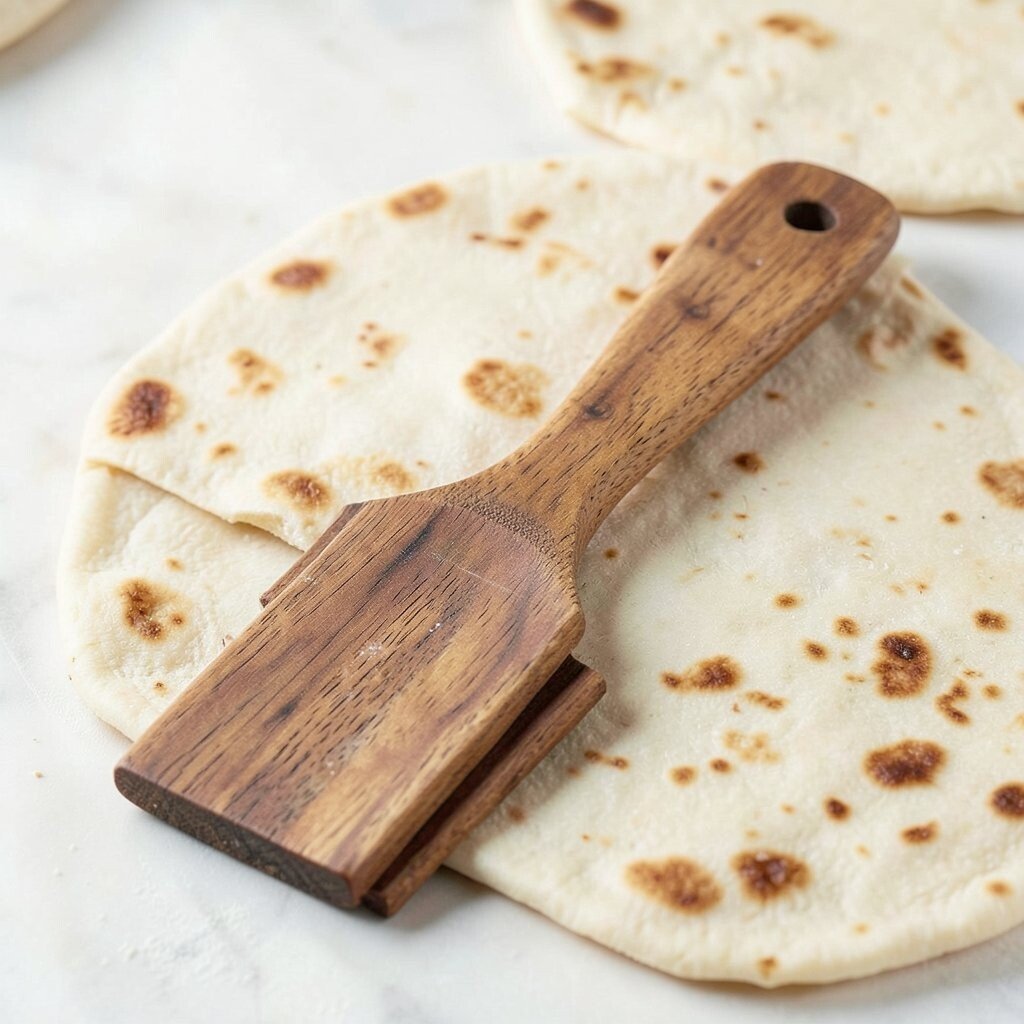
A folding-edge wooden spatula is great for sliding under sandwiches and flatbreads. It supports the bread while you lift and press for that perfect crunch.
Try it for paninis, quesadillas, and grilled cheese where you need clean flipping. If your meals are small and frequent, a tool with a mid-size head helps you move quickly without tearing the filling.
15. The Vintage-Look Wooden Spatula for Serving Spreads at Gatherings

A vintage-look wooden spatula adds charm when you’re serving dips and spreads. It makes a simple cheese board or charcuterie table feel more inviting.
Use it for serving olive tapenade, hummus, and thick dips that need gentle spreading. For a unique touch, choose a spatula with a darker patina or a decorative handle shape that looks like a family heirloom.
Cost considerations are flexible here, because decorative serving tools can range from budget-friendly to higher-end craftsmanship. If you plan to use it at events often, prioritize durable wood and a finish that wipes clean easily. Current trends in entertaining emphasize handmade aesthetics, and a vintage-style spatula fits right into that vibe.
16. The Multi-Task Wooden Spatula for Stirring, Spreading, and Scraping Bowls

A multi-task wooden spatula earns its place by doing several jobs at once. It stirs, spreads, and scrapes bowl sides with fewer tool swaps.
Pick one with a medium-wide head and a smooth, slightly rounded edge for flexible use. This is a great option if you want one go-to wooden tool instead of a whole collection.
17. The Color-Blocked Wooden Spatula for a Sweet-and-Savory Setup
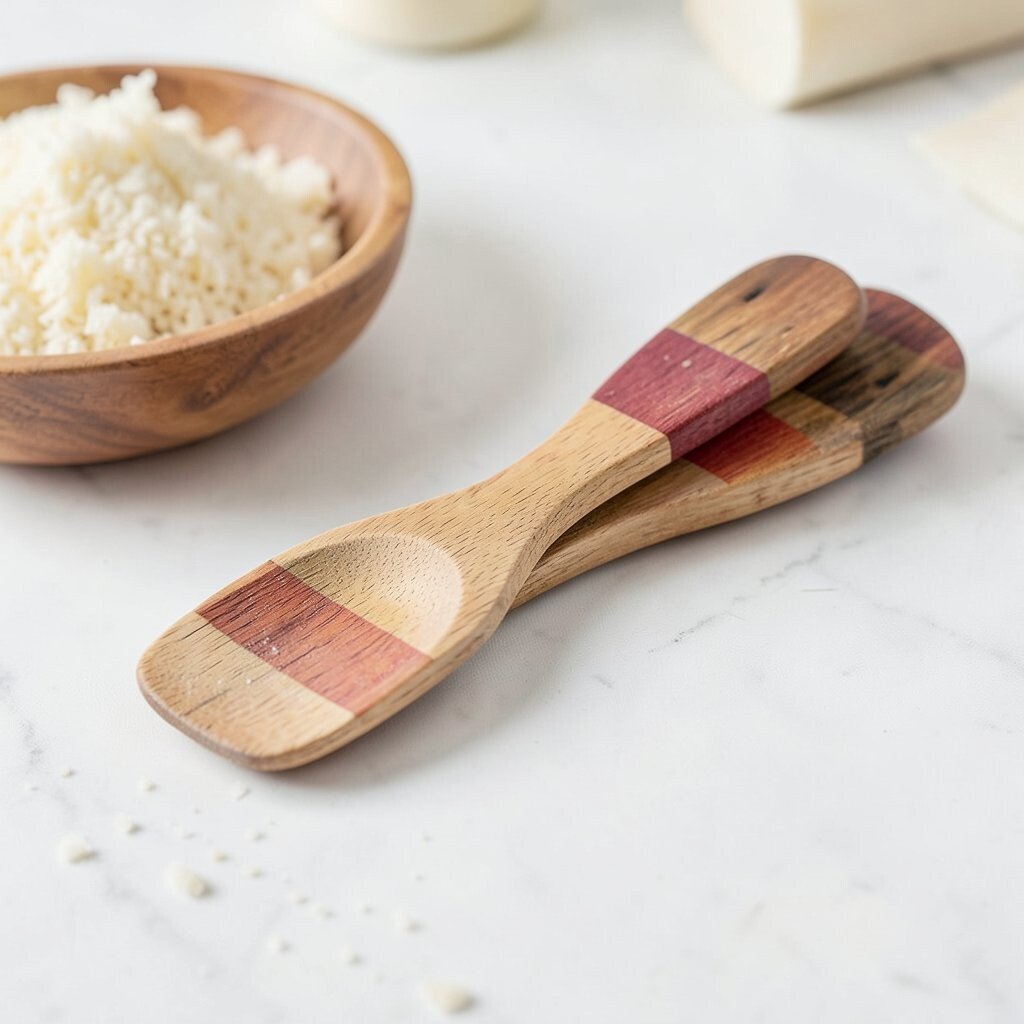
A color-blocked wooden spatula makes your kitchen feel organized and fun. You can keep one tool for sweet tasks and another for savory cooking.
Try a bright handle section for jam, frosting, or honey, and a darker one for sauces, stir-fries, or marinades. For personalization, match the colors to your dish towels or canisters so the look feels intentional.
When thinking about cost, remember that painted or dyed handles may be pricier, but they can also make your routine easier. Choose a finish that’s easy to wipe and make sure the wood under the color is properly sealed so it stays smooth over time. This kind of playful practicality is popular right now, and it pairs well with kitchens that mix style with everyday function.