
High-traffic kitchens can feel like a busy highway—busy, loud, and full of motion. The trick is making every movement smoother without losing beauty.
Below are practical ideas that keep the workflow quick, the surfaces strong, and the room looking sharp day after day.
-
1. Build a “clear path” layout that actually holds up
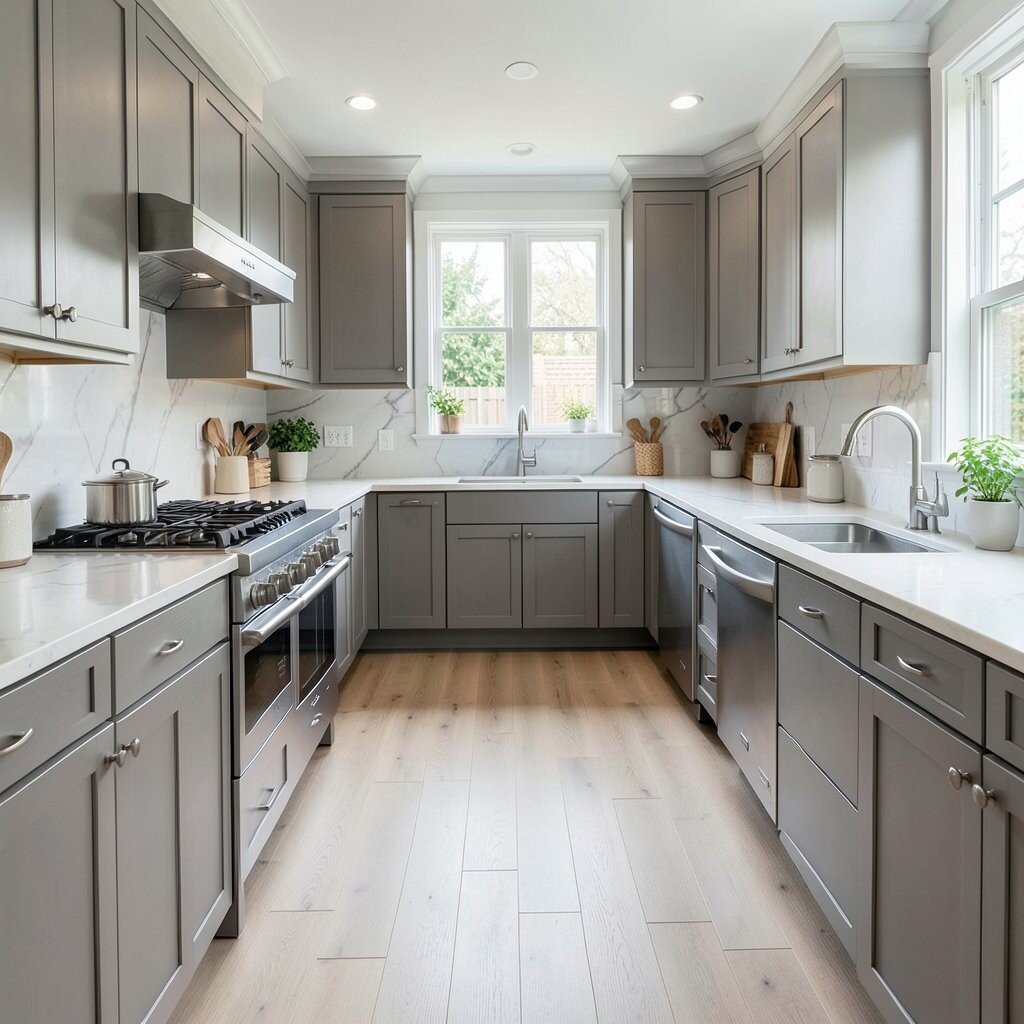
Build a “clear path” layout that actually holds up Picture your kitchen like a dance floor. If people constantly squeeze past each other, the room starts to feel stressful fast.
Use a simple traffic map: where carts roll, where doors swing, and where hands pass hot pans. Keep the main walking path wide, and place the most-used tools near the places where you stand most often. This reduces bumps, cuts down on cleanup mess, and helps staff move confidently during rush hours.
To personalize, assign “zones” for prep, cooking, and plating with rugs, lighting, or wall colors. If you’re remodeling, consider a slightly better aisle width rather than adding more cabinets. For cost, start by adjusting what you already own—move items closer, remove rarely used gadgets, and reorganize so daily tools live at reach height.
-
2. Add durable, easy-clean flooring with a stylish pattern
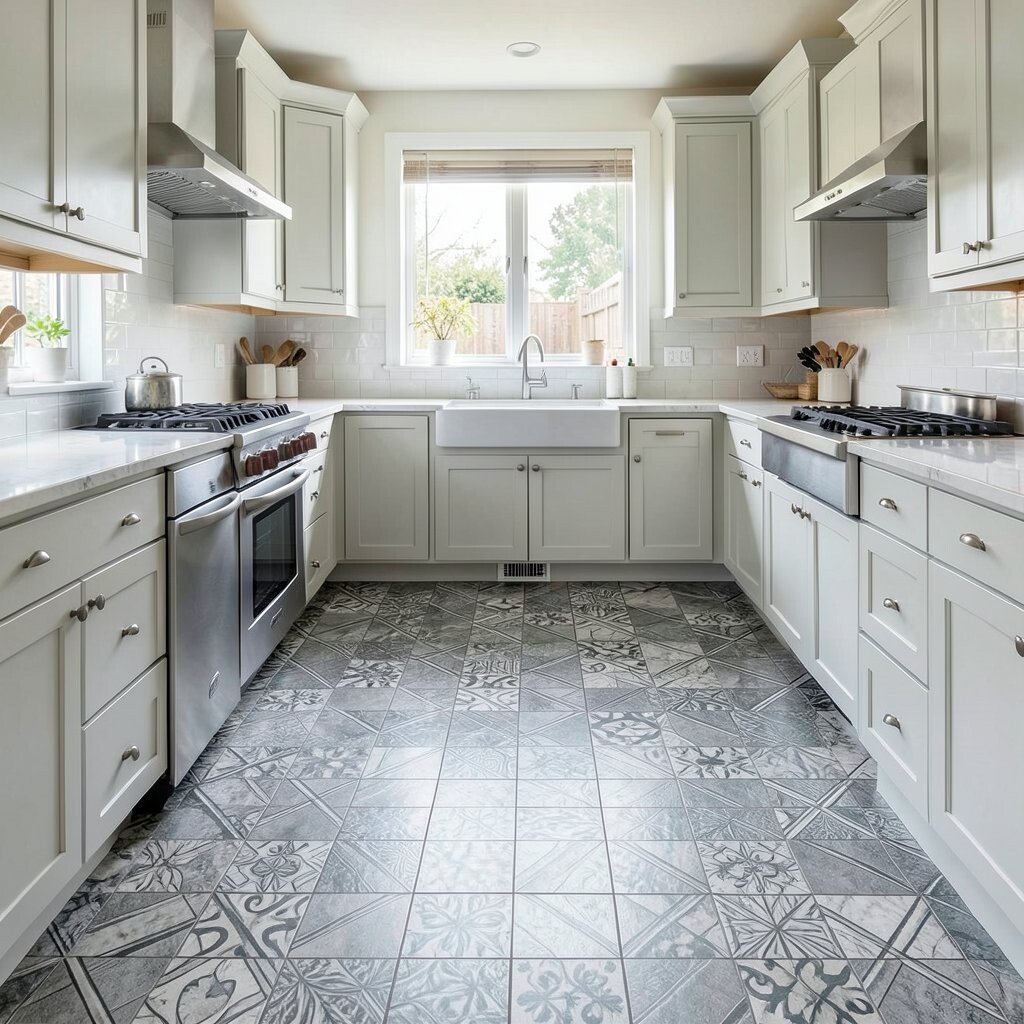
Add durable, easy-clean flooring with a stylish pattern Think of flooring like the kitchen’s base layer armor. Every footstep adds wear, so your surface should look good and handle daily spills.
Choose materials like luxury vinyl plank, ceramic tile with strong glaze, or sealed concrete depending on your budget and style. A subtle pattern hides scuffs and crumbs, which helps the kitchen look neat even when it’s busy.
For a unique look, match floor patterns to your cabinet hardware or backsplash tiles. Use entrance mats near the main doorway to cut dirt tracking. Budget-wise, vinyl is often a friendlier start, while tile can feel more premium when installed with care.
-
3. Create a workstation that keeps hot, wet, and messy tasks contained
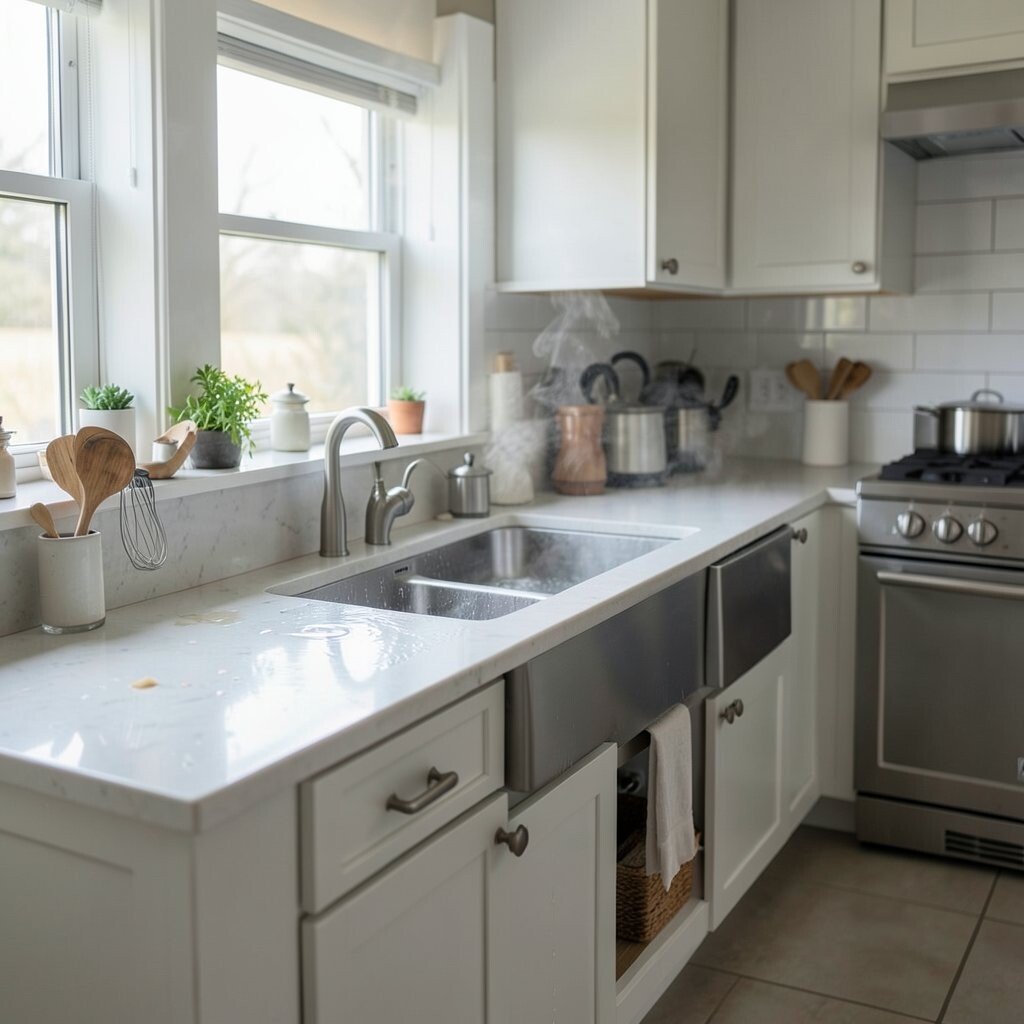
Create a workstation that keeps hot, wet, and messy tasks contained A good kitchen workstation is like a home for your daily mess. When clutter stays in one spot, the rest of the room stays calm.
Set up a dedicated “wet zone” with a sink nearby, a drying rack, and a small tray for detergent and cloths. Pair it with a “hot zone” around the stove so steam and heat don’t fling around the countertop. Add a cutting board that can be set down safely right after slicing.
Personalize it with labeled bins or a color-coded system for wipes and utensils. A little caddy for paper towels saves time and reduces last-minute reaching. If costs are tight, use organizers you can buy now and upgrade countertops or storage later.
A current trend is mixing practical materials—like stainless alongside wood accents—so function looks intentional. When everything has a place, the kitchen feels elegant, not chaotic.
-
4. Upgrade lighting so every surface looks sharp and safe
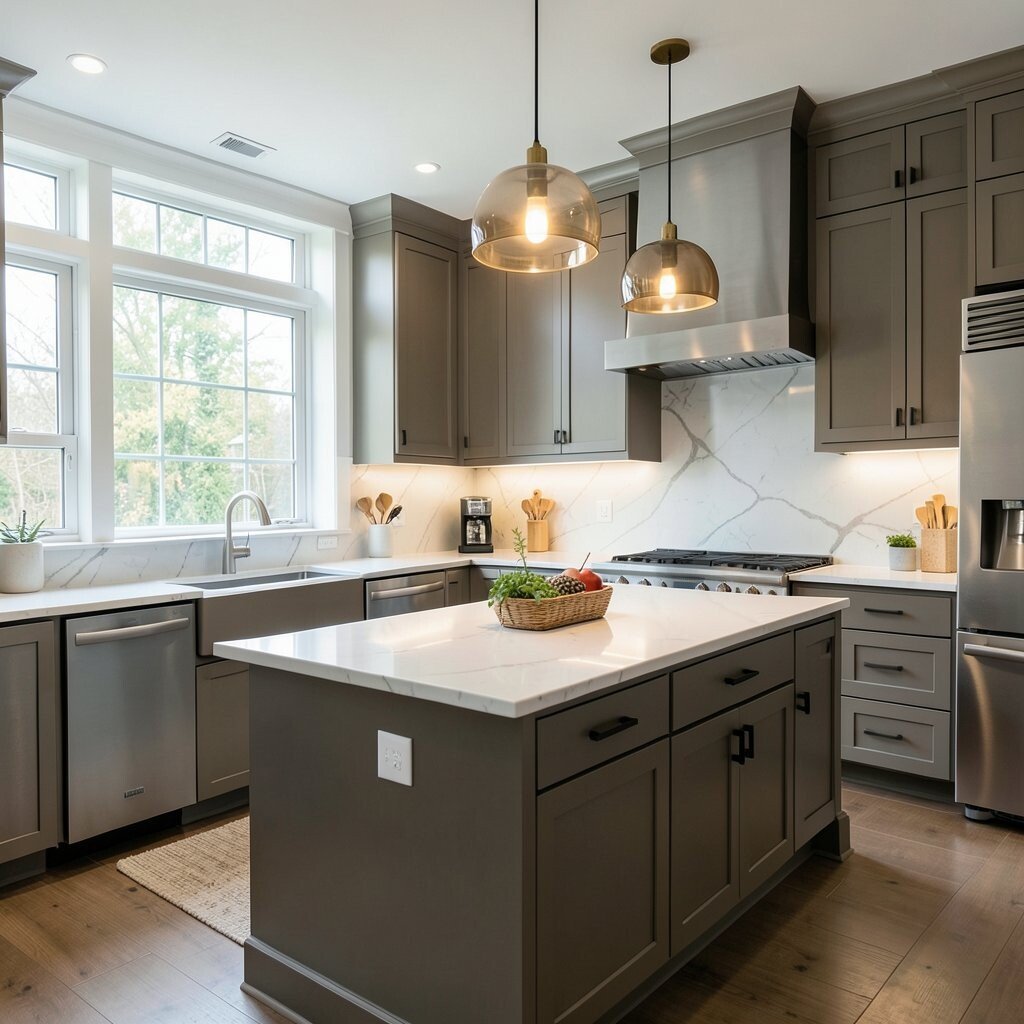
Upgrade lighting so every surface looks sharp and safe Lighting can change a kitchen faster than paint ever could. In high-traffic spaces, bright, even light helps people avoid mistakes and read labels and gauges clearly.
Start with layered lighting: overhead for general brightness, task lights over prep areas, and under-cabinet lights to reduce shadows.Choose LED strips with a warm or neutral tone for a cozy feel. For personalization, use dimmers so you can shift from bright service mode to softer evening vibes. Cost planning tip: install under-cabinet LEDs first since they create a “wow” look with less labor.
-
5. Choose countertops that resist scratches, heat, and constant cleaning
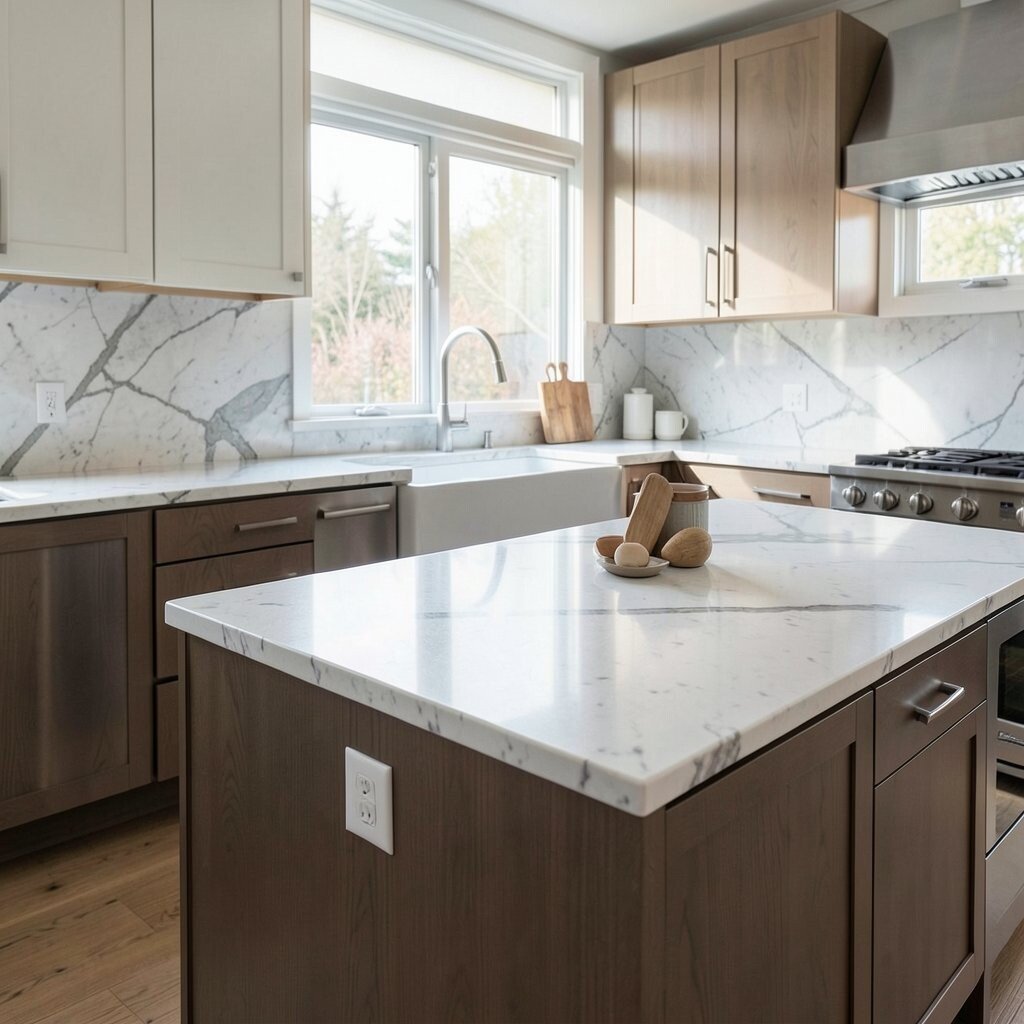
Choose countertops that resist scratches, heat, and constant cleaning Countertops take the hardest daily hits: knives, pans, hot lids, and frequent wipes. When the surface resists damage, your kitchen stays pretty longer.
Look for quartz, solid-surface, or high-grade laminate options that handle heat and everyday wear.For visuals, pick a tone that hides minor wear—soft creams, speckled grays, and warm browns are popular for busy kitchens. Add a small “landing strip” near the stove for placing hot items with confidence. Use heat-safe mats so the countertop stays protected even during rushed moments.
Personalize with a front-edge profile like a waterfall edge for a sleek look or a slightly rounded edge for a softer feel. If you want elegance on a budget, consider remnant pieces or a laminate with a realistic stone pattern. Keep a small repair kit on hand for tiny chips or scuffs, which is a low-cost way to keep the finish looking new.
-
6. Install pull-out shelves and drawers for “no-search storage”
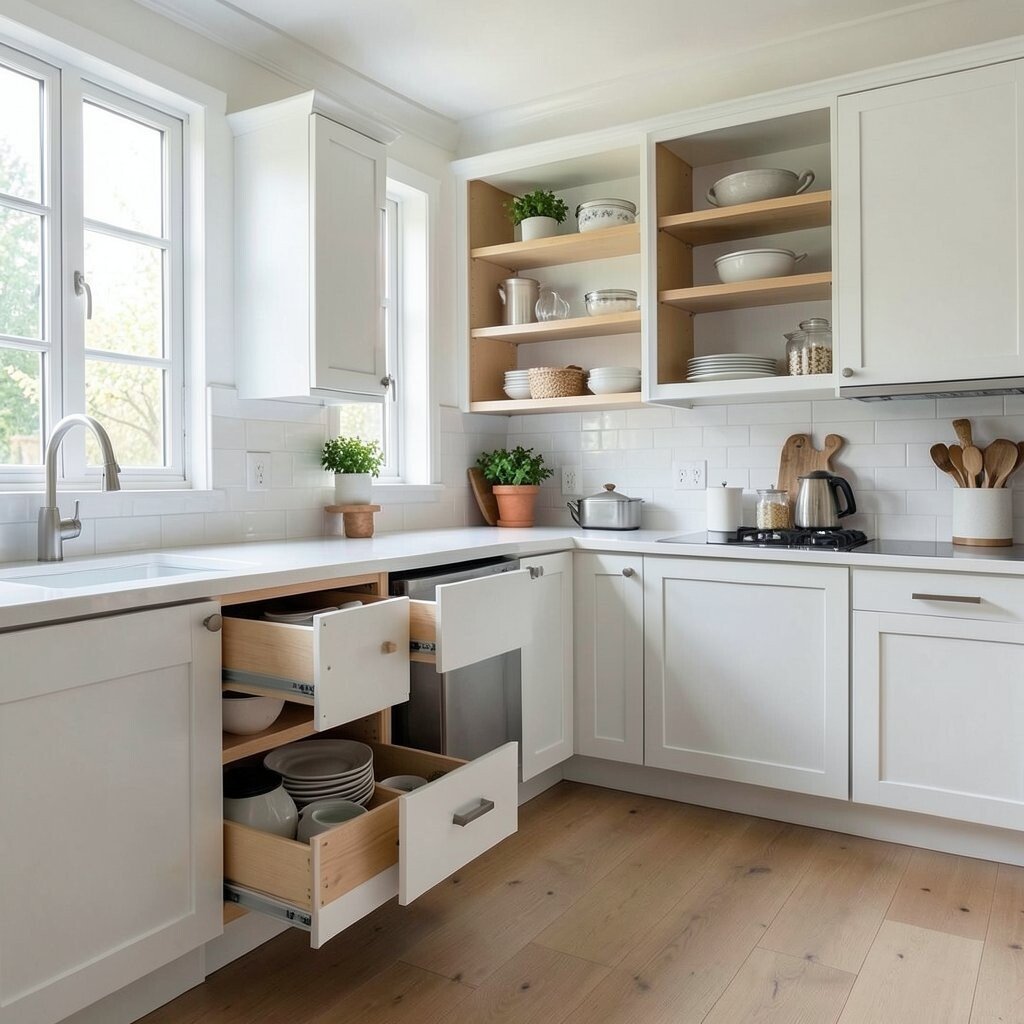
Install pull-out shelves and drawers for “no-search storage” Nothing slows down a busy kitchen like hunting for items. When cabinets are hard to reach, people crowd together and make messes while they rummage.
Pull-out shelves, corner drawers, and drawer dividers keep tools visible and reachable. That means fewer open doors, less clutter on counters, and faster prep. It also reduces the chance of dropping heavy containers while reaching deep into cabinets.
Make it yours by planning storage around your routine: keep spices at eye level if you cook often, and store baking trays together so you grab a full set. For cost, start with one “high-use” cabinet first, then add more upgrades in steps. This approach keeps spending manageable and gives quick results you can feel right away.
-
7. Make the sink area tidy with smart accessories
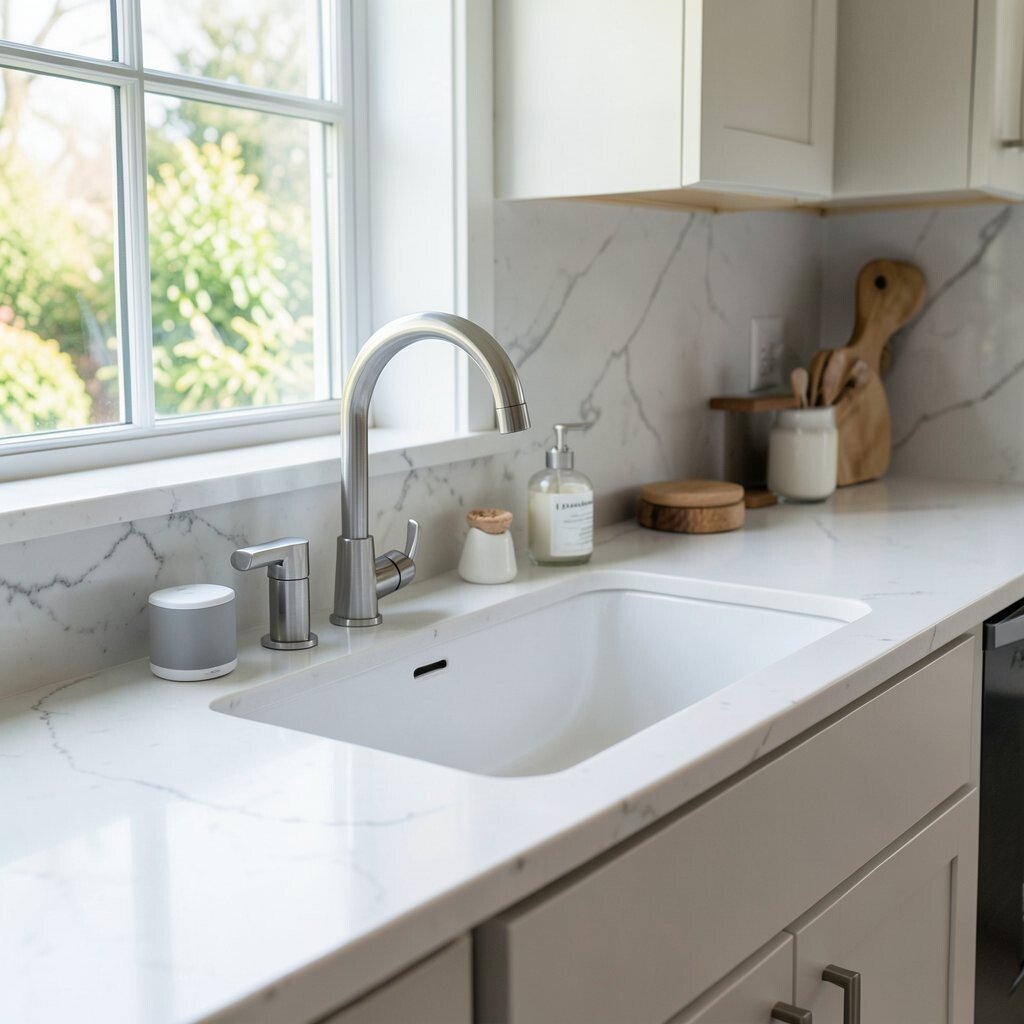
Make the sink area tidy with smart accessories The sink is where water, soap, and dishes pile up in minutes. When the setup is right, the area feels like a calm station instead of a mess zone.
Use a sink mat to protect the finish and speed drying. Add a slim rail for utensils, a small caddy for scrub brushes, and a drying rack that fits your counter space.
If you have family members or staff, personalize by giving each role a small labeled bin—one for clean cloths, one for sponges, and one for trash liners. This helps everyone return items to the right place, even when the kitchen is busy. For cost, choose accessories that fit your current sink configuration before replacing hardware.
-
8. Add an appliance garage or charging station for a cleaner look
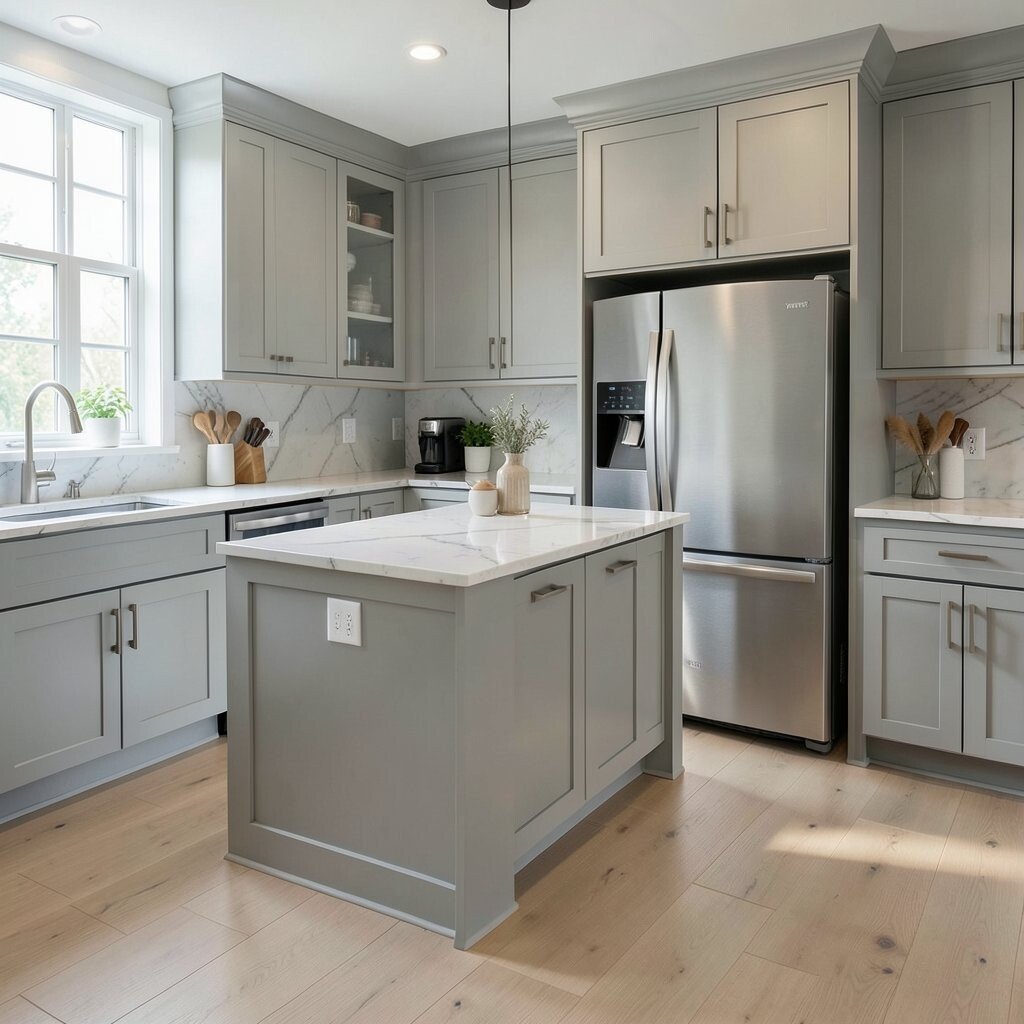
Add an appliance garage or charging station for a cleaner look Counters can look cluttered even when everything is “supposed” to be there. An appliance garage hides the bulky stuff and keeps the countertop feeling open.
A built-in charging station for phones or tablets also prevents random cords from tangling around busy work.For uniqueness, use a sliding door with frosted glass or a contrasting wood tone. Benefits include fewer visual distractions, less dust buildup on gadgets, and quicker “reset” time after cooking. If budget is a concern, you can start with a freestanding cabinet or a simple power strip under an existing cabinet shelf.
-
9. Use a backsplash that handles splash and still looks stylish
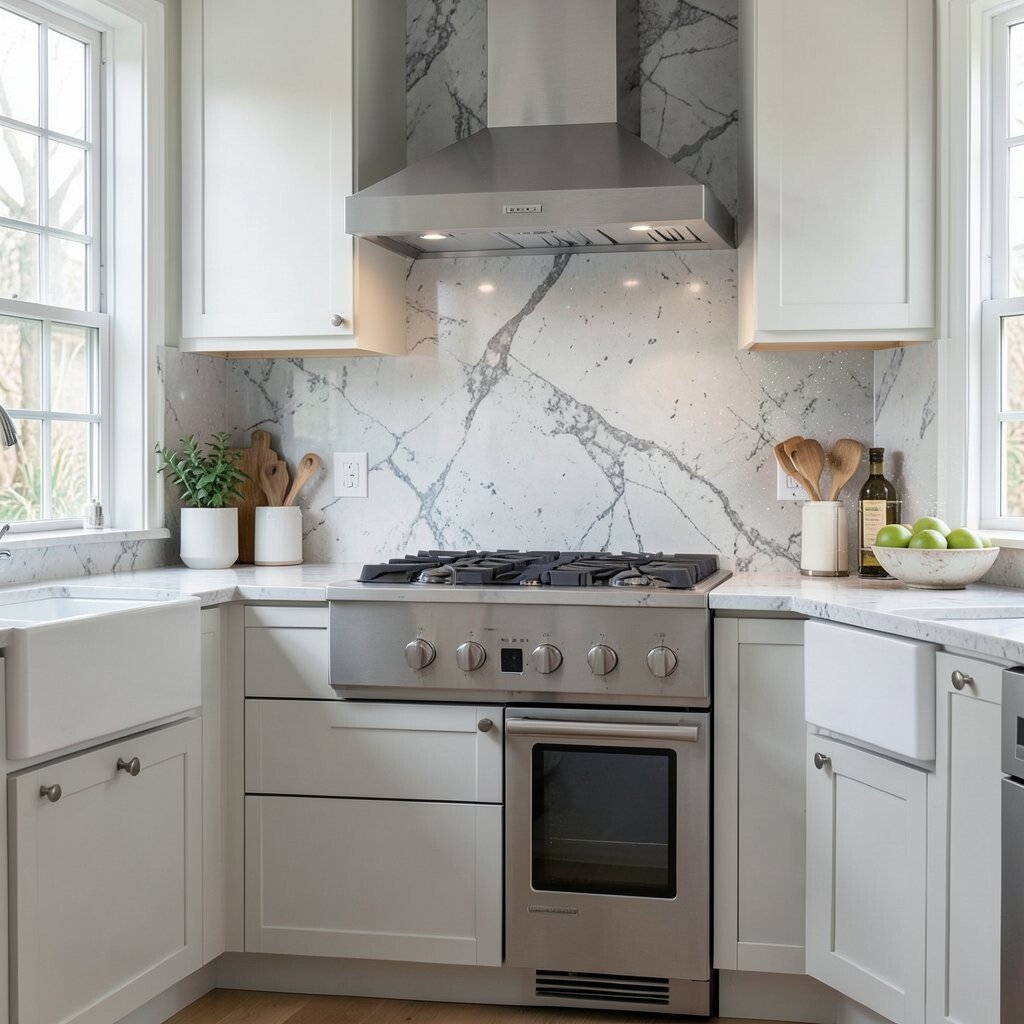
Use a backsplash that handles splash and still looks stylish Splashes are part of daily cooking, so your backsplash should take them without complaint. The best options look beautiful but also tolerate scrubbing without fading.
Consider subway tile, mosaic patterns, or a wipe-friendly large-format tile with strong grout sealing.Visual tip: lighter backsplashes can make the kitchen feel bigger, while warmer tones can make it feel inviting. Add a matching trim or a thin metal strip at the edge to make it feel more designed. This creates a crisp look even when the kitchen is busy.
Personalization ideas include choosing tile colors that match your lighting and hardware so everything feels like one team. Costs vary, so start by comparing materials and labor needs. Sealing grout and cleaning regularly is a low-cost habit that helps backsplash stay bright longer.
-
10. Plan safe, fast “handoff” zones between prep and cooking
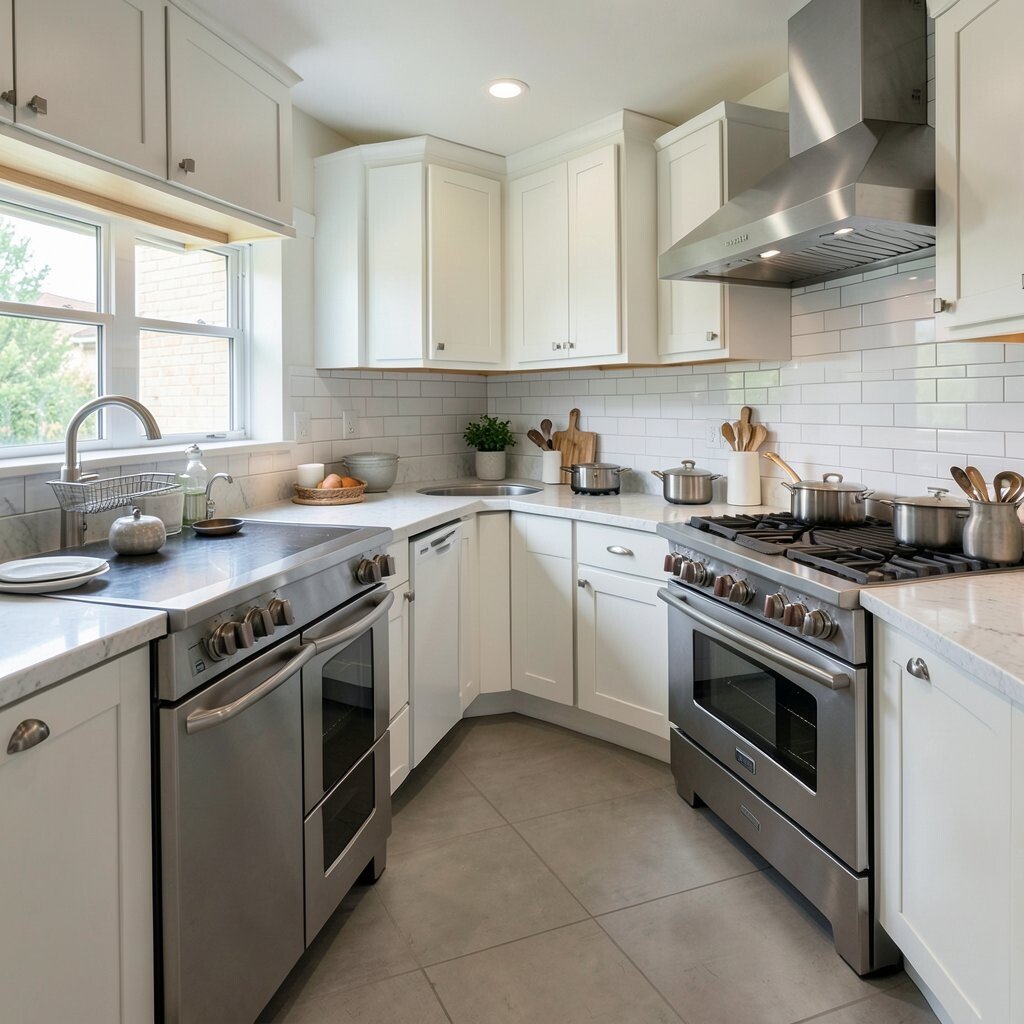
Plan safe, fast “handoff” zones between prep and cooking Great workflow is like a smooth relay race. When people can pass tools without crossing traffic, the kitchen runs calmer and faster.
Place prep tools on one side and cooking tools on the other, keeping a clear counter area for handing off items. Use small “landing” shelves or tray areas beside the stove so people can set down hot pans safely. This reduces reaching over burners and keeps spills from spreading.
Personalize by adding a magnetic strip for frequently grabbed utensils or hanging ladles so they’re always at the right height. For cost, you can start with trays, hooks, and a few dividers instead of rebuilding cabinets. A current trend is using tray systems and vertical storage to keep surfaces open while still looking modern.
-
11. Add touch-friendly, long-lasting hardware and controls
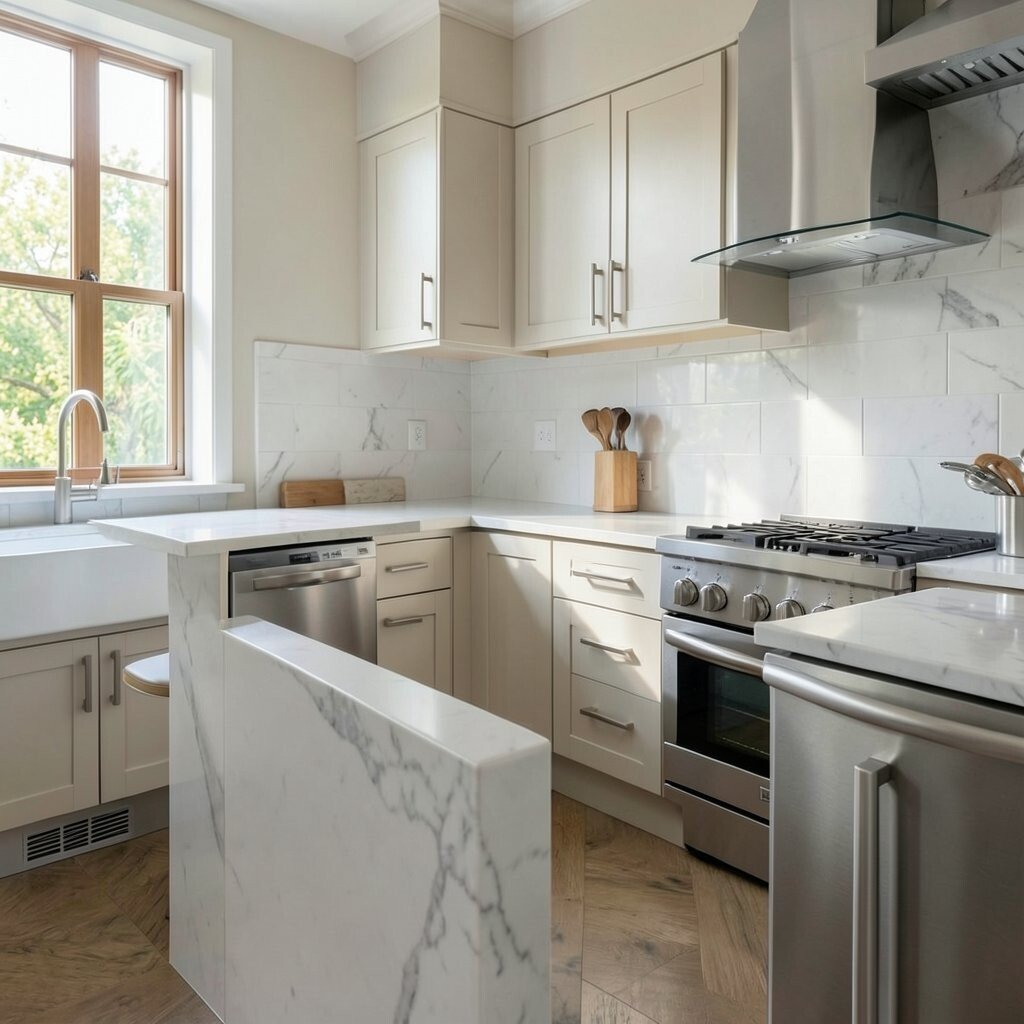
Add touch-friendly, long-lasting hardware and controls Handles and knobs get used all day, every day, so they should feel solid. If hardware feels loose or awkward, people hesitate and slow down.
Choose smooth-touch pulls, lever-style faucet handles, and easy-to-read appliance buttons. Bright, clean labels also help new staff use the space correctly without guessing.
For personalization, match finishes like brushed nickel, matte black, or warm bronze to your overall style. Consider finger-friendly edges on cabinets so people can open drawers even with wet hands. Cost-wise, hardware swaps can be a budget-friendly upgrade with big visual impact, especially when paired with a clean, consistent finish.
-
12. Stock a “rapid restock” station for rush hours
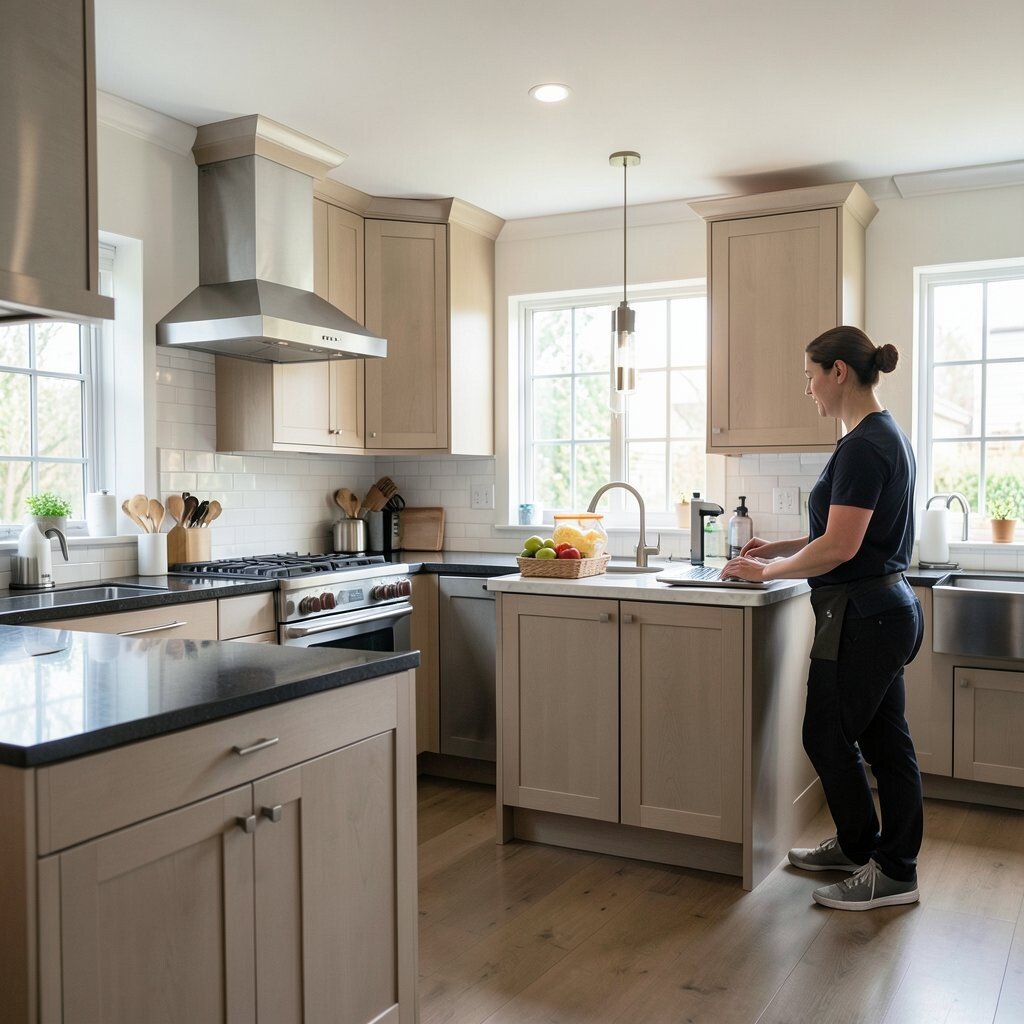
Stock a “rapid restock” station for rush hours When a rush hits, your kitchen needs instant backup. A rapid restock station prevents last-minute chaos and keeps ingredients ready in a neat way.
Build a small area with bins for commonly grabbed items like foil, gloves, labels, and frequently used condiments.Add a clear checklist pocket or a simple label system so your team can restock quickly and consistently. The benefit is huge: fewer interruptions, fewer forgotten items, and less time spent running around. For personalization, tailor the bins to your menu rhythm—baking supplies for a pastry-heavy kitchen, or spice and prep containers for savory work.
-
13. Use smart mats and anti-fatigue surfaces at key spots
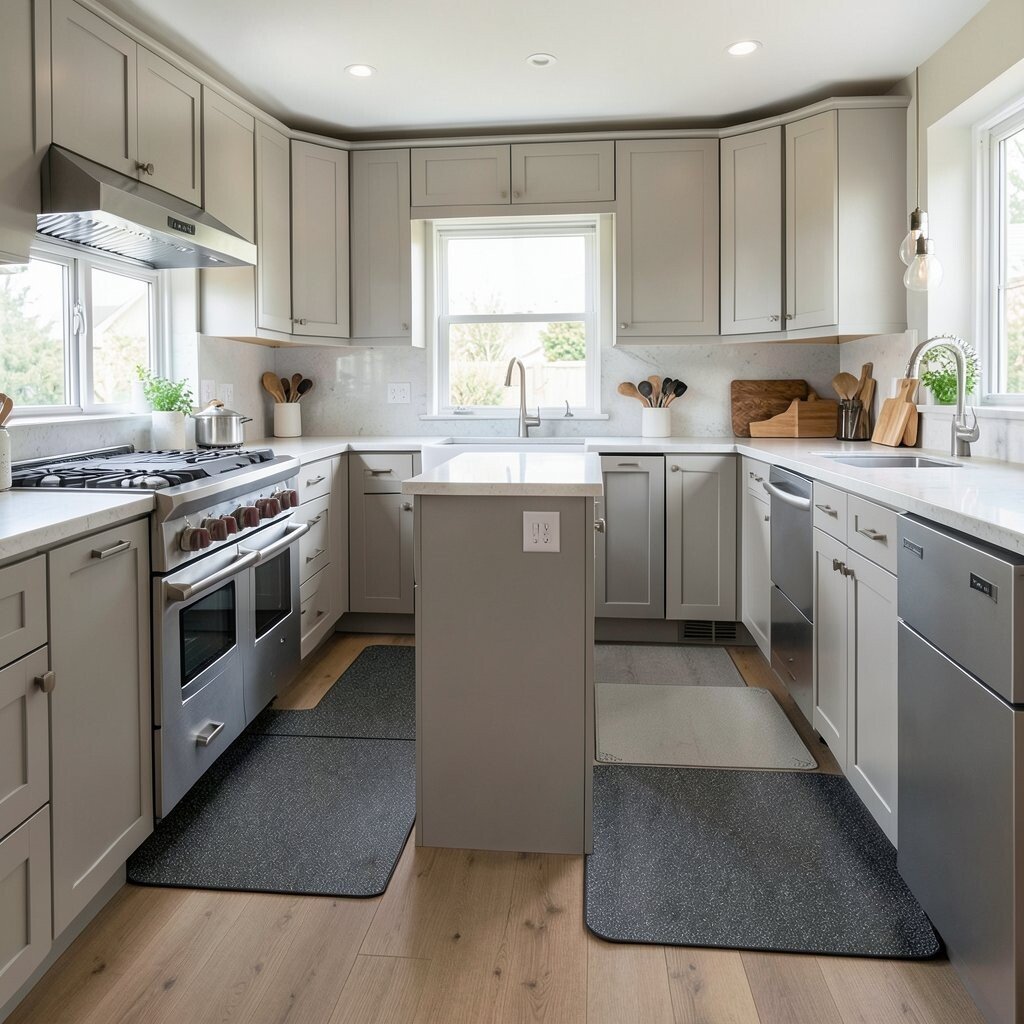
Use smart mats and anti-fatigue surfaces at key spots Standing for long hours can make floors feel unforgiving. Anti-fatigue mats add comfort and also help workers stay steady.
Place mats in areas where people stand most: near the sink and prep counter, and around the stove if your layout allows. Choose mats with surfaces that wipe clean and don’t trap crumbs. This keeps the kitchen looking neat and helps reduce slips from spilled water.
Personalize with mat colors that match your backsplash or cabinet tone so they look like part of the design, not just equipment. Costs can be controlled by starting with one or two mats in the busiest spots. A trend in busy kitchens is using subtle, textured mat designs that complement flooring instead of clashing with it.
-
14. Add a ventilation plan that supports comfort and air quality
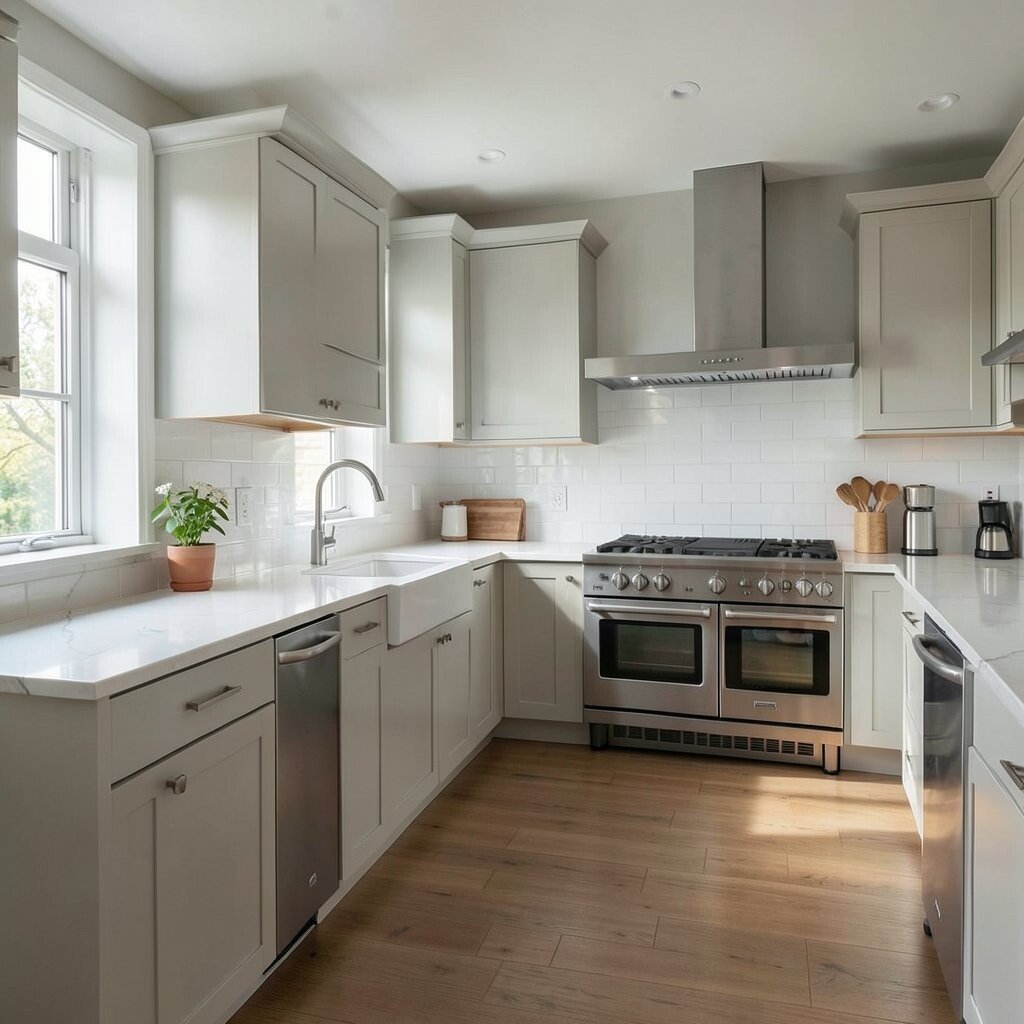
Add a ventilation plan that supports comfort and air quality Smells and heat travel fast in busy kitchens. Good ventilation keeps the room comfortable and helps surfaces stay cleaner by reducing grease buildup.
Consider a strong range hood with proper ducting, and make sure filters are easy to remove. If ducting isn’t possible, recirculating options can still help, and some models use quality filters that last longer. This keeps the kitchen feeling fresh without relying on constant window openings.
Personalization idea: choose a hood style that matches your design theme—sleek and modern for crisp lines, or classic details if you want warmth. Budget tip: check what you already have, then upgrade filters and lighting before replacing major ductwork. In current kitchen trends, people also like adding hood lighting and stainless finishes for a clean, professional look.
-
15. Use heat-safe storage and vertical organization near the cooking zone
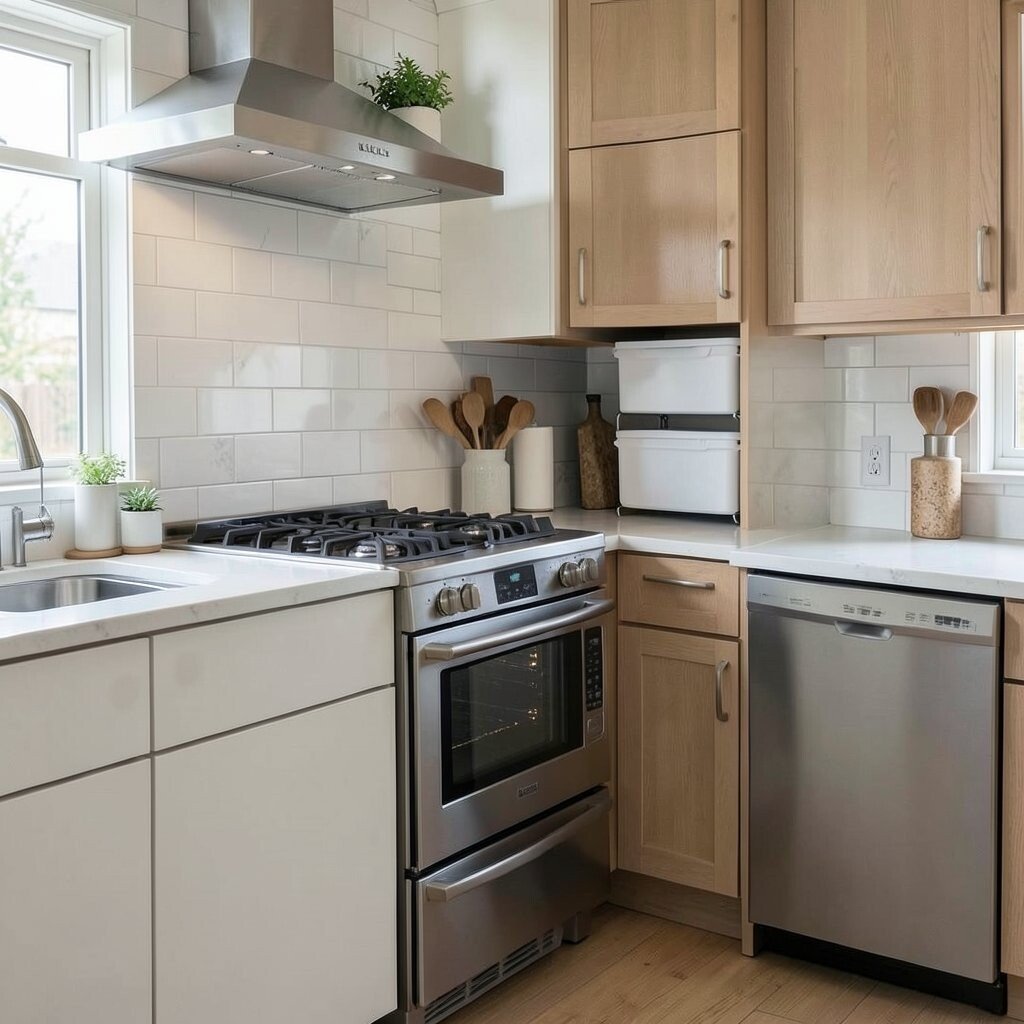
Use heat-safe storage and vertical organization near the cooking zone The cooking area needs organization that can survive heat, steam, and constant movement. If items are stored wrong, they can get in the way or wear out faster.
Install heat-safe racks or shelves that keep towels, oven mitts, and tools where you need them. Use vertical holders for utensils and lids so they don’t stack awkwardly on counters. This keeps the space open and helps your team grab what they need in one quick motion.
Personalize with a color-coded towel system or a themed set of tool holders that matches your cooking style. Cost considerations: start with the most used tools first, then upgrade racks and shelves as your budget allows. A lot of kitchens now favor vertical storage because it saves space and looks tidy even when the room is busy.
-
16. Make maintenance simple with a “weekly reset” design habit
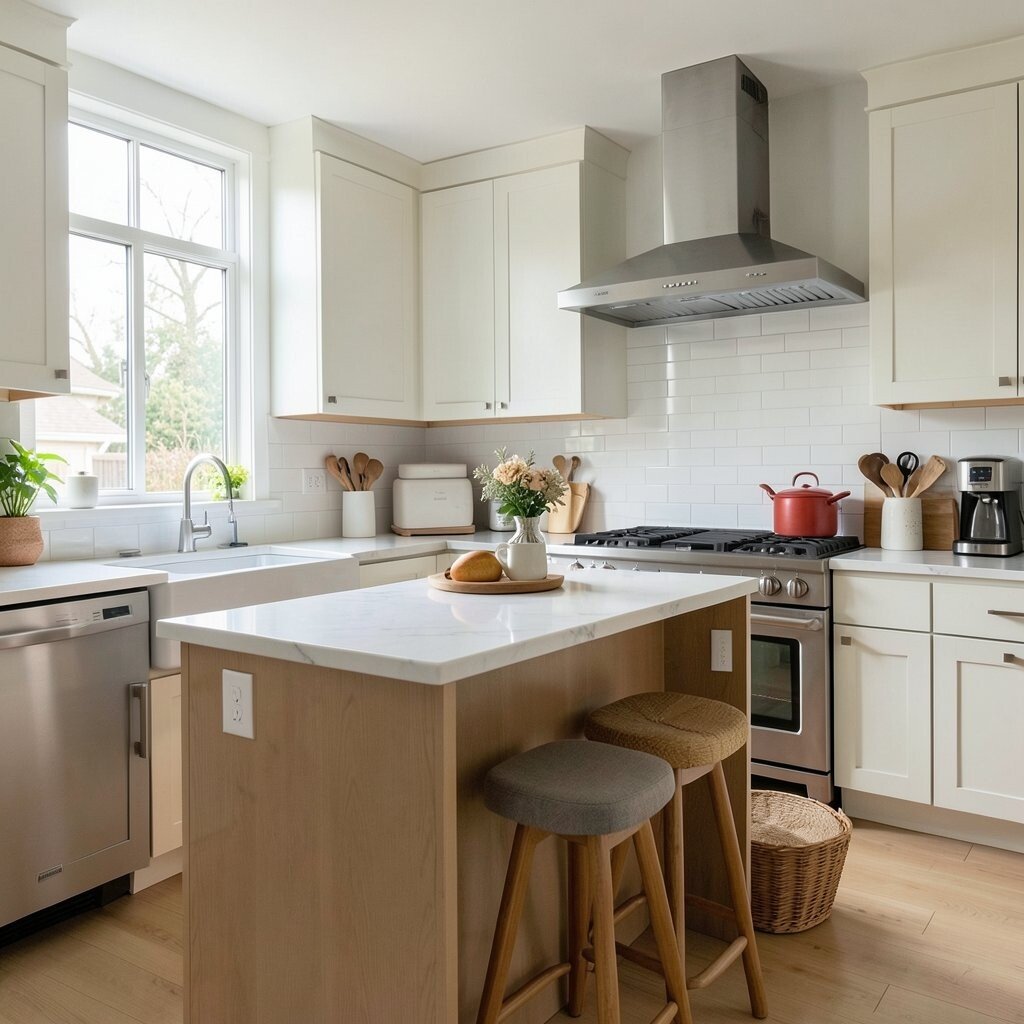
Make maintenance simple with a “weekly reset” design habit Elegance lasts longer when maintenance is built into the layout. If cleaning takes too much time, people will rush and corners will get ignored.
Design so wiping and restocking is easy: keep cleaning cloths in one labeled spot, store trash liners where they’re grabbed often, and use removable organizers for quick washdowns. Add a small maintenance checklist on the inside of a cabinet door so everyone knows what “done” looks like.
Personalize by matching your maintenance tools to your style—nice dispensers, matching containers, and clearly labeled bins. Costs can be low because this is often about organization, not replacement. A current trend is “maintenance-friendly minimalism,” where fewer objects are shown but everything needed is stored smartly for speed and cleanliness.