
The kitchen looks simple, but it hides surprises behind every decision. Small choices can quietly change your costs, comfort, and daily flow.
-
1. The layout matters more than the finish

The layout matters more than the finish A kitchen renovation can look gorgeous in photos, but you feel it most when you cook. If the walkway feels tight, your shoulders bump cabinets and your mind gets annoyed fast.
Before picking colors, stand where you would cook and move like you’re making dinner. Ask how you reach the sink, stove, and fridge without twisting your body. Then draw a simple traffic path on paper so the room feels natural.
A smart layout brings calm, speeds up cooking, and reduces wear on your knees and back. -
2. Demo day can reveal expensive surprises
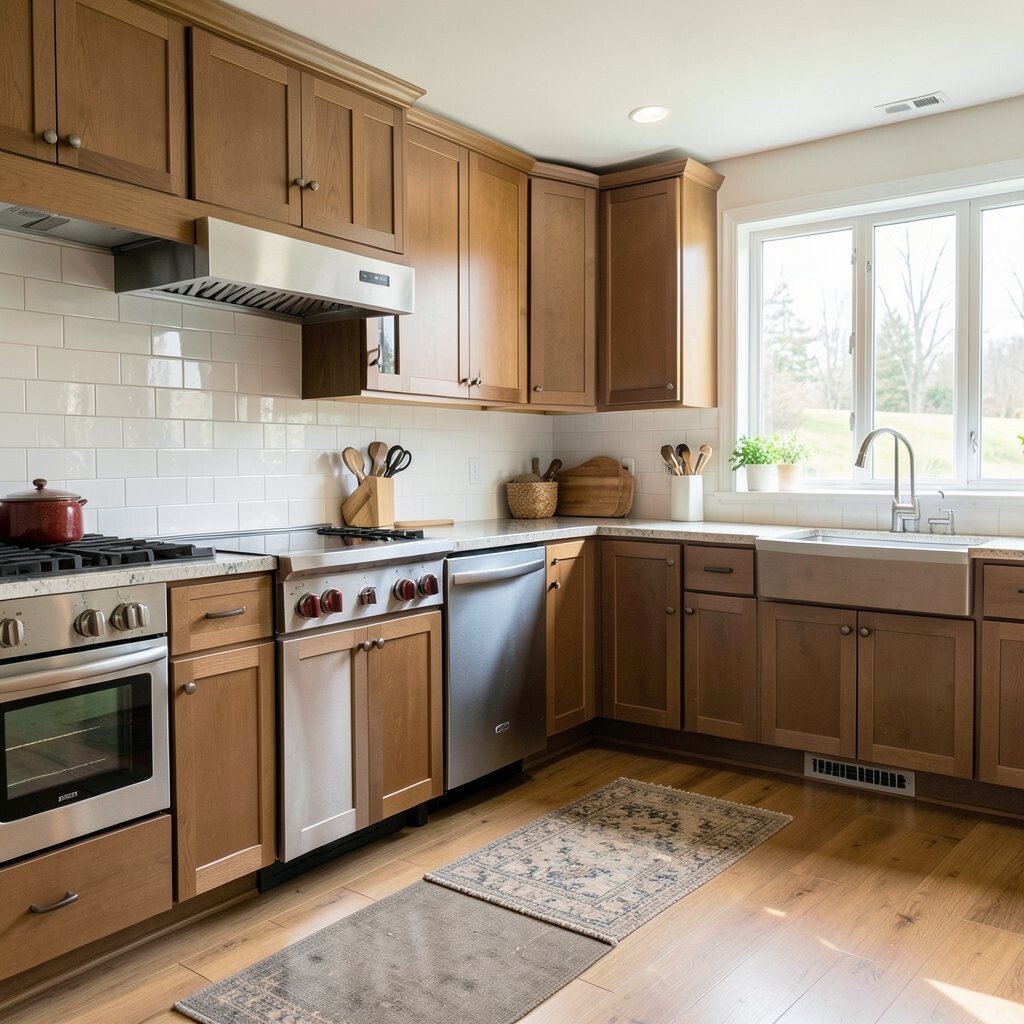
Demo day can reveal expensive surprises The moment cabinets come off, you may see water stains, old wiring, or uneven floors. Rusty plumbing can look “fine” until someone removes a panel and exposes the mess.
That’s why planning for extras is not being dramatic—it’s being prepared. If your contractor has a clear allowance for hidden issues, you avoid panic spending later.
For visuals, imagine dust floating in bright light, and beams showing gaps you never noticed. A careful inspection keeps you safer and can prevent delays. It also helps you choose upgrades with confidence instead of rushing.
-
3. Your budget is really three budgets

Your budget is really three budgets People think they have one budget, but kitchens split into materials, labor, and timing. Even a great quote can feel tight when delivery schedules clash with your life.
Labor often grows with complexity, like moving plumbing lines or reinforcing walls. Materials add up quickly when you want durable finishes, better hardware, and proper underlayment.
Add a plan for setbacks, like a back-ordered faucet or a custom cabinet delay. You’ll benefit from better control and fewer surprise arguments at the end. Consider “good-better-best” choices so you can keep the look while adjusting what’s underneath.
For personalization, pick one “wow” feature—like a statement hood finish—and save on less noticeable parts. This keeps your kitchen special without turning your budget into a guessing game.
-
4. Venting is not optional for comfort

Venting is not optional for comfort A kitchen can smell amazing or terrible, and ventilation is the switch that controls it. If your range hood vents poorly, grease can collect on cabinets and walls like a sticky secret.
Good venting keeps air cleaner, helps reduce cooking smells, and protects paint and finishes. It also supports easier cleaning because grime won’t settle as deeply.
When you picture your future kitchen, think of clear windows after cooking and cabinets that still look fresh. Choose a hood size that matches your stove and confirm duct routing early. -
5. Lighting should match how you move

Lighting should match how you move Overhead lights can be harsh, especially over countertops where you need clear vision. If you cook with strong shadows behind your hands, chopping becomes slow and frustrating.
Layering lighting—ambient, task, and accent—gives you better control. Under-cabinet strips help you see ingredients, and dimmable switches make evenings feel cozy.
For a unique touch, add a small accent above a display shelf or a subtle toe-kick glow. This makes the kitchen feel warm even when you’re not cooking. It can also save money by reducing the need for extra decorative lamps.
-
6. Water lines and shutoffs deserve a close look

Water lines and shutoffs deserve a close look Plumbing work sounds hidden, but it shapes your daily peace. A tap that drips or water pressure that feels weak can make the kitchen feel “almost right.”
Check where shutoff valves will be and whether they’re easy to reach. If valves end up behind a cabinet panel, future repairs become annoying and costly.
When you plan your renovation, ask for clear notes about pipe materials and routing. The benefit is simple: fewer leaks, easier maintenance, and better water flow when you need it most. Think of this as buying stress relief.
Personalize by choosing fixtures with a spray pattern you like, such as strong rinse or gentle flow. This turns washing into a quick, satisfying step instead of a chore.
-
7. Outlet placement can change everything

Outlet placement can change everything The outlets you choose decide how many cords you’ll fight every day. If they end up too far apart, you’ll keep moving appliances like a juggling act.
Look at your countertop layout and list every device you use: coffee maker, kettle, blender, toaster, and phone charging. Then plan outlets where your hands naturally reach.
A helpful tip is to include outlets near islands and under cabinet areas with access. This boosts convenience and can reduce the risk of using unsafe extension cords. You’ll feel the benefit right away when cooking flows smoothly.
-
8. Storage is a design problem, not a “maybe”
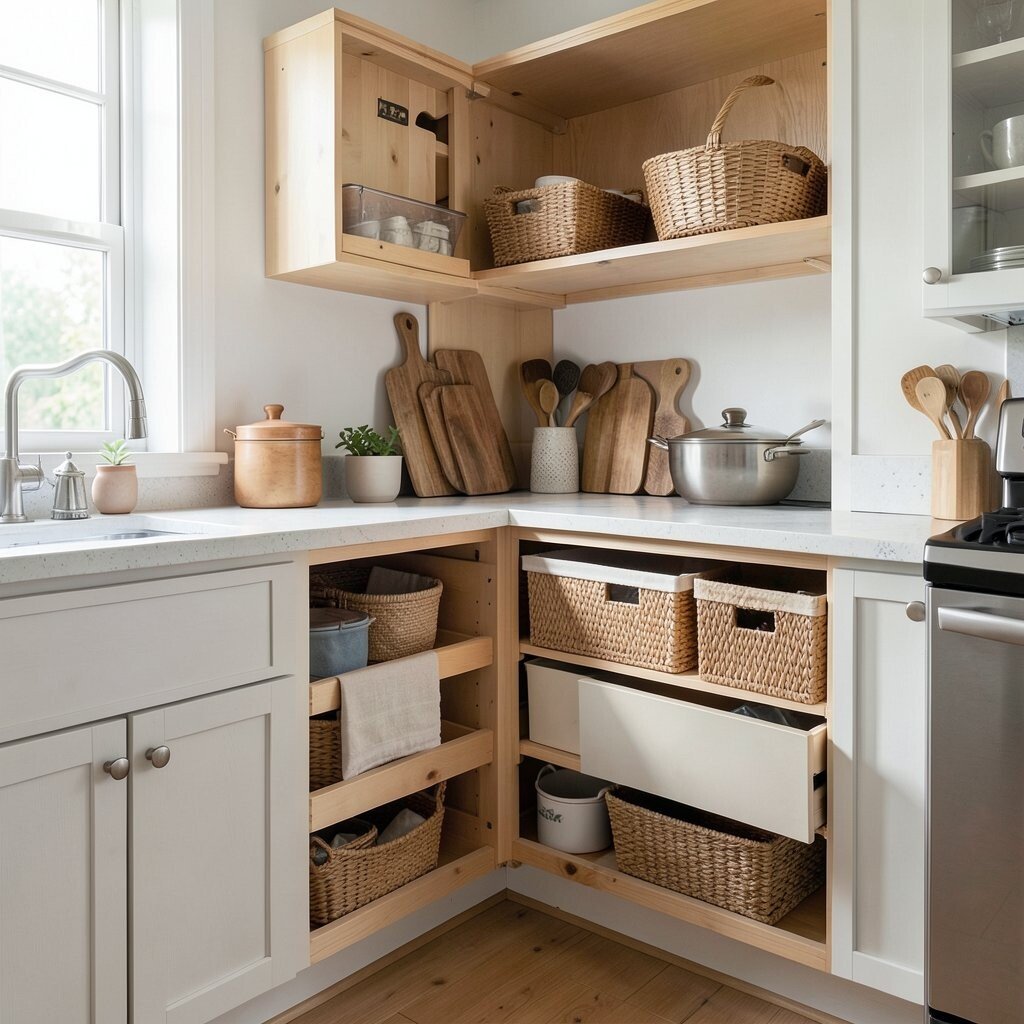
Storage is a design problem, not a “maybe” People focus on cabinets, but storage is really about shapes and habits. A beautiful cabinet with no usable space can still feel cramped and messy.
Use pull-out trays, corner organizers, and deep drawers where you need big items. Visualize your daily routine and match storage to what you grab most often.
The advantage is real: less clutter, faster cooking, and fewer “where is it?” moments. Unique storage like spice drawers or utensil dividers can make your kitchen feel custom. For cost planning, prioritize storage that solves real pain points before upgrading everything.
-
9. Countertops are about edges, not just surfaces

Countertops are about edges, not just surfaces A countertop can look smooth and shiny, but the edge profile shapes how it feels up close. Sharp edges can chip, while rounded edges feel friendly and easier to live with.
Also think about seams and patterns, especially for larger surfaces. If you love a specific stone look, ask how it will match across joints.
For a personal twist, pick a finish that fits your routine: matte for less glare, or polished for a bold shine. This can also affect how often you wipe and how quickly stains show. Budget wisely by comparing maintenance needs, not only the initial price.
-
10. Flooring decisions affect sound and safety
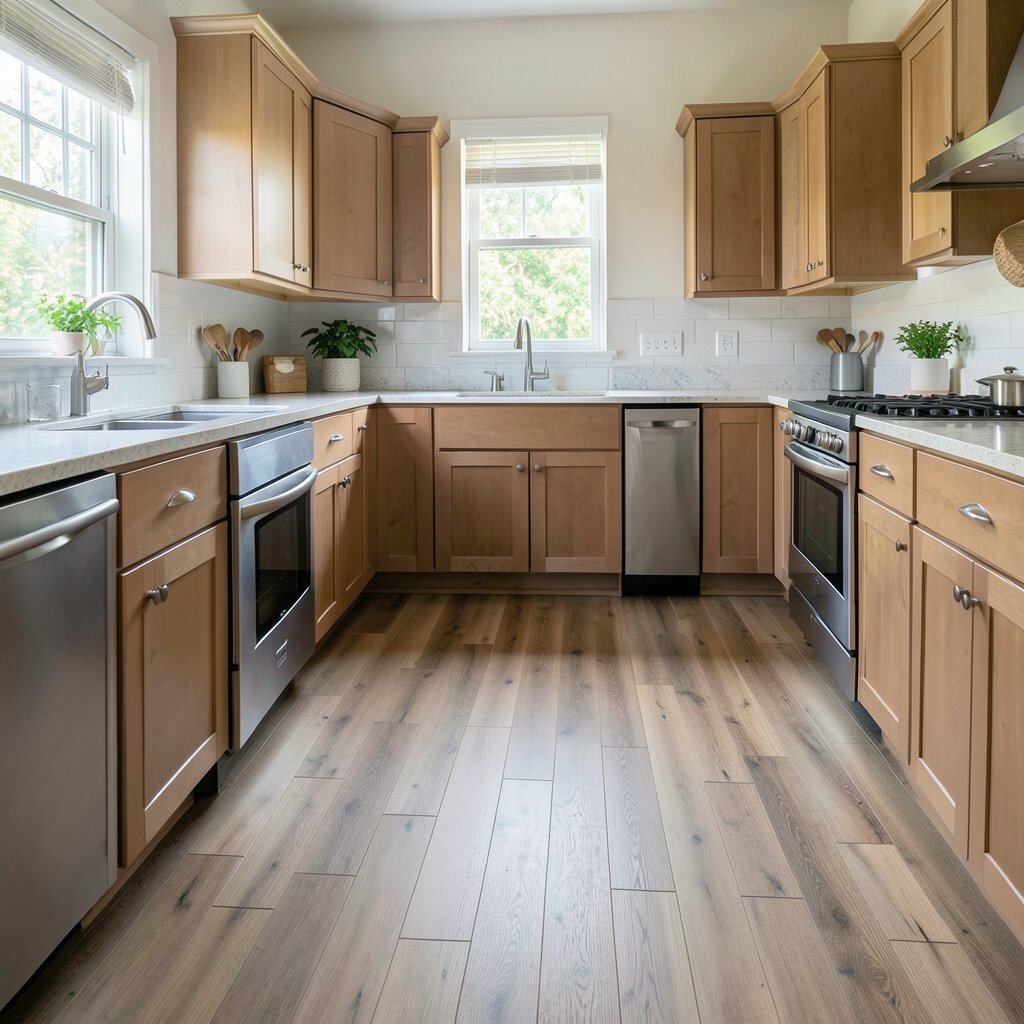
Flooring decisions affect sound and safety Underfoot comfort is easy to miss until you stand for long cooking sessions. Hard floors can feel cold, and slippery finishes can turn everyday tasks into a risk.
Choose flooring that fits your lifestyle: families with kids may want durable, scuff-resistant materials. If you want quieter steps, consider options that absorb sound more than tile does.
Visualize your kitchen when guests walk in—the sound of footsteps and the way light reflects. The benefit is better comfort, fewer slips, and less stress when the kitchen gets busy. Tip: ask about wear ratings and test pieces for texture before committing.
-
11. Cabinet hardware changes the whole mood
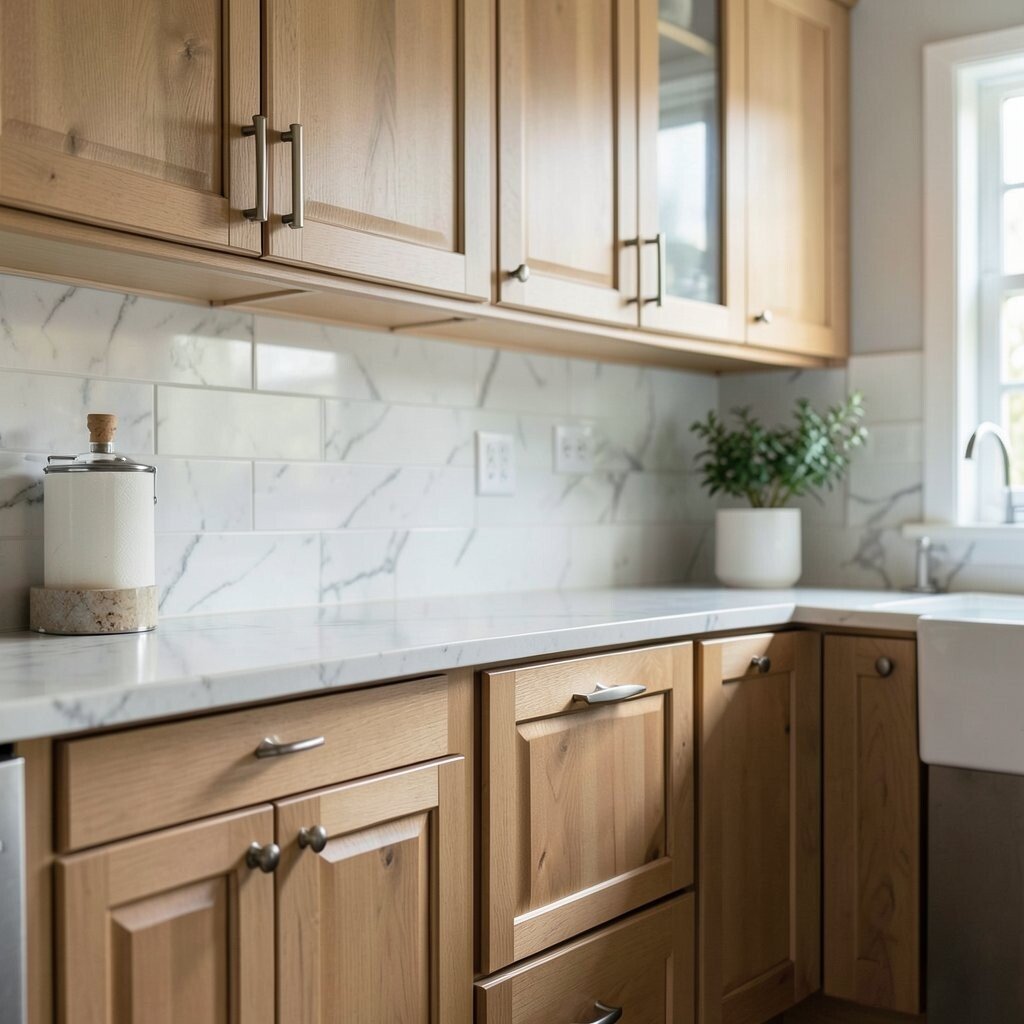
Cabinet hardware changes the whole mood Knobs and pulls look small, but they set the tone for your kitchen style. Sleek bar pulls feel modern, while rounded knobs feel classic and friendly.
The benefit is huge: hardware can tie your sink, faucet, and lighting into a single look. It also affects daily use, because the right grip makes drawers open smoothly.
Personalization idea: choose one subtle contrast, like warm metal pulls against cool cabinet paint. Cost consideration matters here too—hardware price can add up fast if you use many drawers and doors.
Tip: measure your existing hole spacing, or be ready to adjust planning if you switch hardware styles. -
12. Paint and color choices act differently in real light
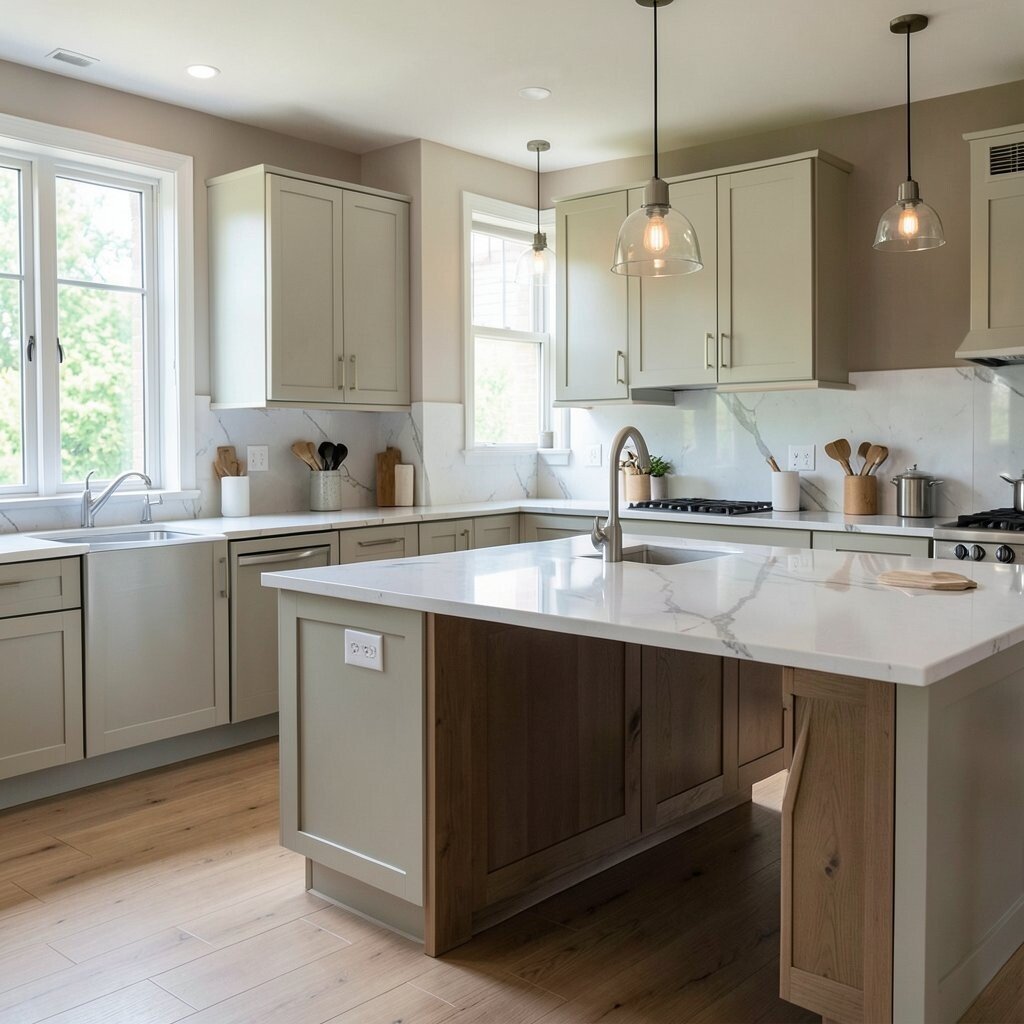
Paint and color choices act differently in real light A cabinet color can look perfect at the store and totally different at home. Kitchen lighting, window direction, and even backsplash tones can shift the final look.
For visuals, picture sunlight moving across your walls at breakfast and again at dinner. The same color can feel bright and warm in the morning, then slightly muted at night.
The benefit of testing samples is peace of mind and fewer re-dos. Tip: paint large swatches on the wall and view them at different times, not just one visit. Also plan for sheen level, because shiny paint can show imperfections and smudges more.
-
13. Backsplashes hide more than grease

Backsplashes hide more than grease Backsplashes protect walls, but they also frame your countertop like a picture. A plain tile can feel flat, while a textured or patterned surface adds character instantly.
Choose grout color carefully because it changes how the backsplash reads. Lighter grout looks airy, while darker grout can hide mess but may feel heavier.
Personalization tip: match the backsplash to your cabinet finish, not just your countertop. For cost thinking, remember that intricate layouts and custom patterns may require more labor. A simpler tile format can still look unique if you play with color and layout.
Visualize steam and splashes during cooking—then imagine the wall staying clean with minimal wiping. The benefit is less scrubbing and a kitchen that stays pretty longer.
-
14. Appliances should be chosen as a system
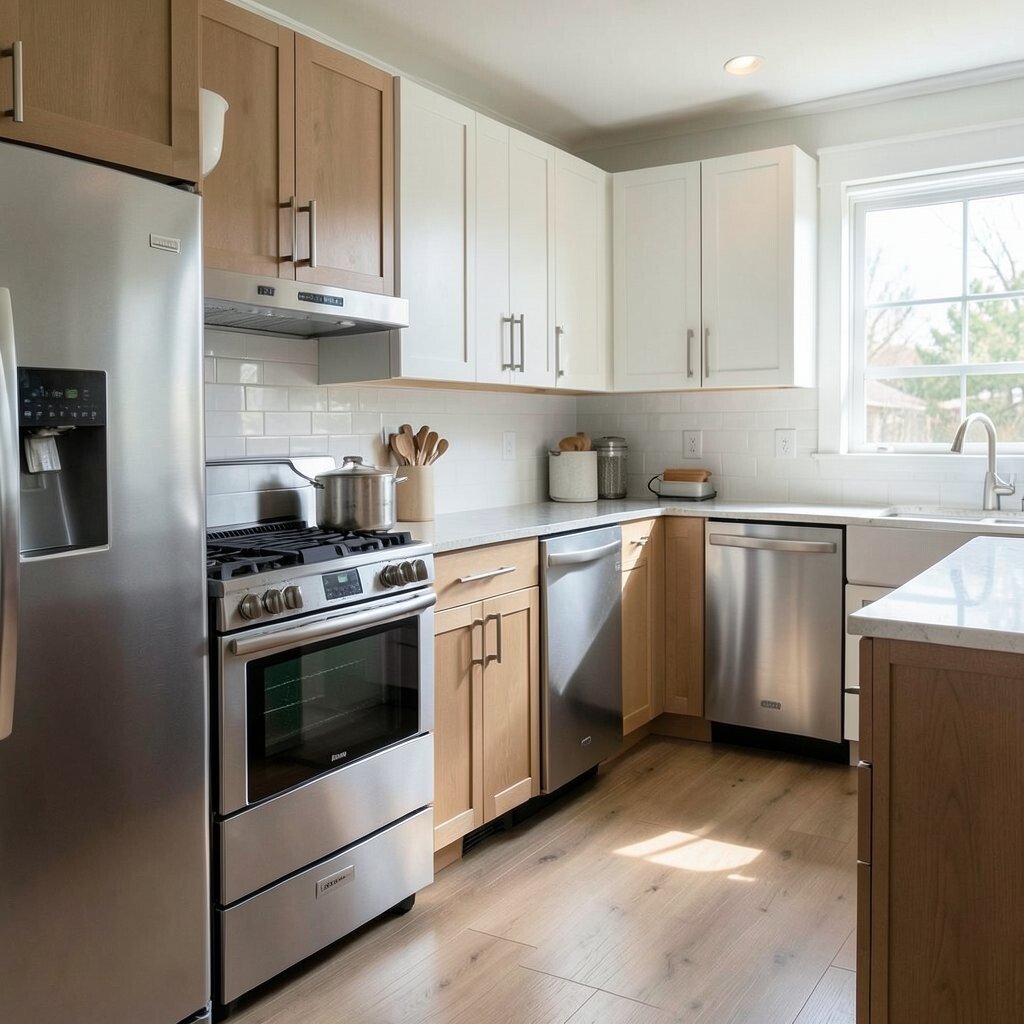
Appliances should be chosen as a system Buying appliances one by one can create mismatched features and odd sizes. The best kitchens look coordinated because each device supports the others.
Match your cooking needs with your lifestyle: do you bake often, or do you mainly cook quick meals? Consider how a dishwasher fits with cabinet drawers and whether a fridge door swings easily.
-
15. Custom features can save time every single day

Custom features can save time every single day Small built-ins can make a big difference, like a pull-out tray for baking sheets. A pantry with clear bins turns “searching” into “ready.”
Visualize grabbing a snack without moving containers around, or pulling a spice drawer and finding the exact jar. That kind of flow makes the kitchen feel effortless and special.
For personalization, add a charging station for devices or a hidden trash and recycling setup. The benefit is not just beauty—it’s smoother routines and fewer messes on counters. Cost consideration tip: custom work is best when it solves a repeated problem, not when it’s purely decorative.
-
16. The “new” smell is only part of the story

The “new” smell is only part of the story After renovation, you may notice odors from materials, adhesives, and fresh finishes. If ventilation is weak during and after the work, those smells can linger longer than you want.
Plan for airflow, and ask what products the crew will use. Low-VOC options can reduce harsh fumes and make the space safer for kids and pets.
Unique benefit: a well-managed finish schedule helps cabinets and countertops settle properly. That can reduce tiny issues like lingering moisture or early wear.
Tip: keep windows open when possible, follow manufacturer curing times, and avoid rushing into deep cleaning before surfaces are ready. This helps your kitchen look better for longer and keeps you comfortable on day one.
-
17. Your contractor’s habits shape your final quality

Your contractor’s habits shape your final quality Two kitchens can share the same design on paper, but one feels tighter and more solid because of how the job was done. Clean measurement habits, careful leveling, and respectful communication matter more than people expect.
Look for signs: do they explain changes clearly, provide updates, and document decisions? A reliable process can protect your timeline and reduce costly misunderstandings.
For a visual cue, pay attention to straight lines, even reveals around cabinets, and how doors align when closed. Those details show pride in workmanship and careful attention. Tip: ask for an outline of milestones and clarify who handles deliveries and inspections.