That brand-new kitchen can still leak money in small ways. The sneaky part is how fast “one little choice” becomes a costly habit.
-
1. Buying trendy finishes before measuring your real space
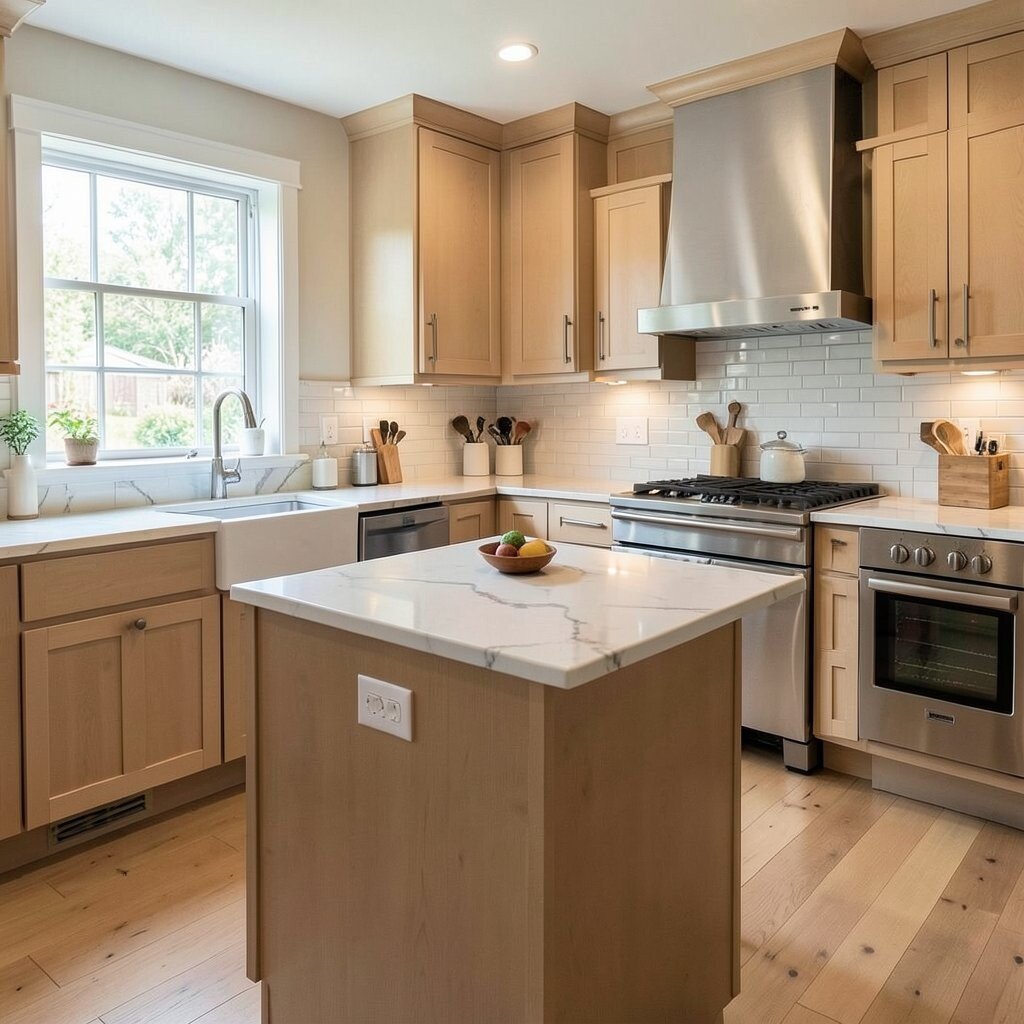
Buying trendy finishes before measuring your real space It’s exciting to see a bold backsplash on your phone. Then you stand in your kitchen and realize the colors don’t fit the light or the wall space.
When you guess without measuring, you often end up ordering too much or not enough. That means extra shipping fees, repeat trips to the store, and rushed returns. A quick plan: take full measurements, note where outlets sit, and choose finishes that match your kitchen’s light and layout.
-
2. Choosing “cheap” cabinets without checking the build quality
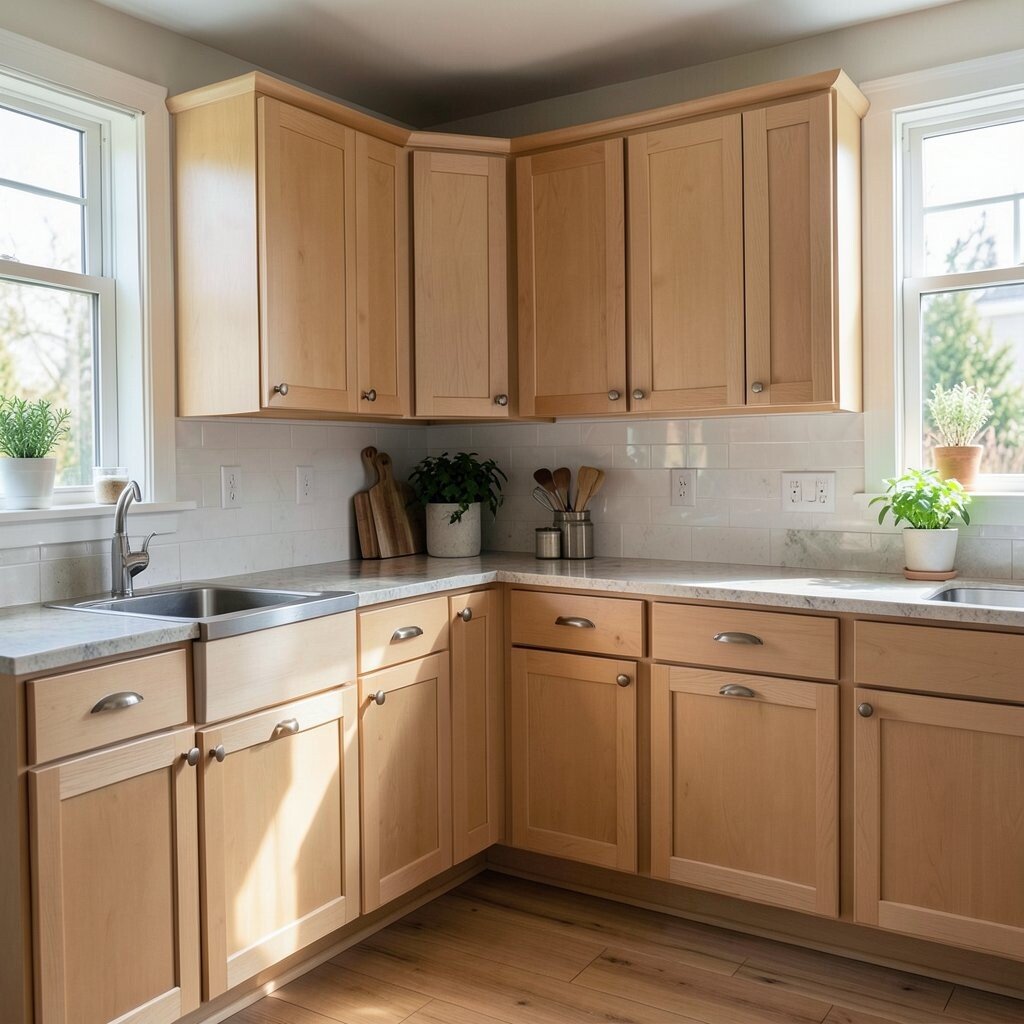
Choosing “cheap” cabinets without checking the build quality Low-cost cabinets can look fine in a showroom photo. But up close, you may notice thin doors, weak hinges, or warped panels after installation.
When hardware fails or doors sag, you pay twice—once to install and again to fix. The benefit of better cabinets is smooth opening, stronger drawers, and a kitchen that feels solid. Tip: read the inside details like hinge style, drawer slides, and cabinet framing, and personalize with storage inserts that match how you cook.
If you want today’s style, try warm neutrals, slab fronts, or simple two-tone combos instead of chasing the cheapest surface.
-
3. Skipping a lighting plan and relying on a single ceiling fixture

Skipping a lighting plan and relying on a single ceiling fixture Many kitchens have one overhead light and call it done. Then food prep feels shadowy, and you struggle to see while chopping.
Good lighting saves money by reducing mistakes like cutting wrong sizes and wasting ingredients. It also makes the room look bigger and more welcoming. Suggestion: layer your lighting with under-cabinet strips, a bright task bulb, and a softer ambient option for evenings.
For personalization, use warm dimmable bulbs for coziness and add a stylish pendant over a breakfast area for a current, homey vibe.
-
4. Ignoring ventilation, then paying for damaged cabinets later
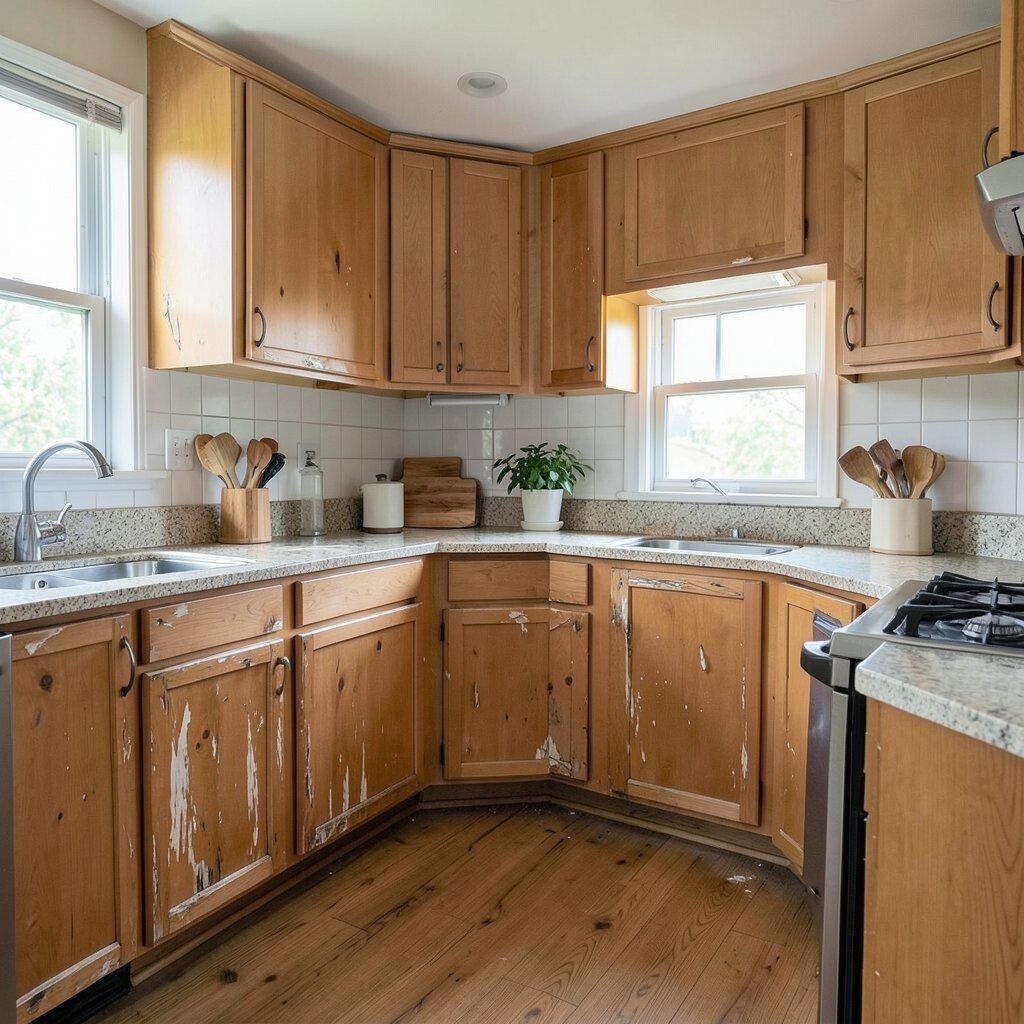
Ignoring ventilation, then paying for damaged cabinets later Picture steam hovering near the ceiling and a faint sticky film forming on surfaces. Without strong ventilation, cooking aromas stay longer too, and grime builds up where you can’t easily clean.
That buildup can shorten the life of cabinetry and finishes, which costs money in repairs. The benefit of proper ventilation is cleaner air and easier wipe-downs. Tip: match your range hood size to your cooktop, check duct routes, and consider a hood that vents outside if possible.
Trend-friendly idea: choose a hood with a clean modern grille or a sleek canopy, but keep the airflow specs as the priority.
-
5. Picking countertops that stain or chip faster than you expect
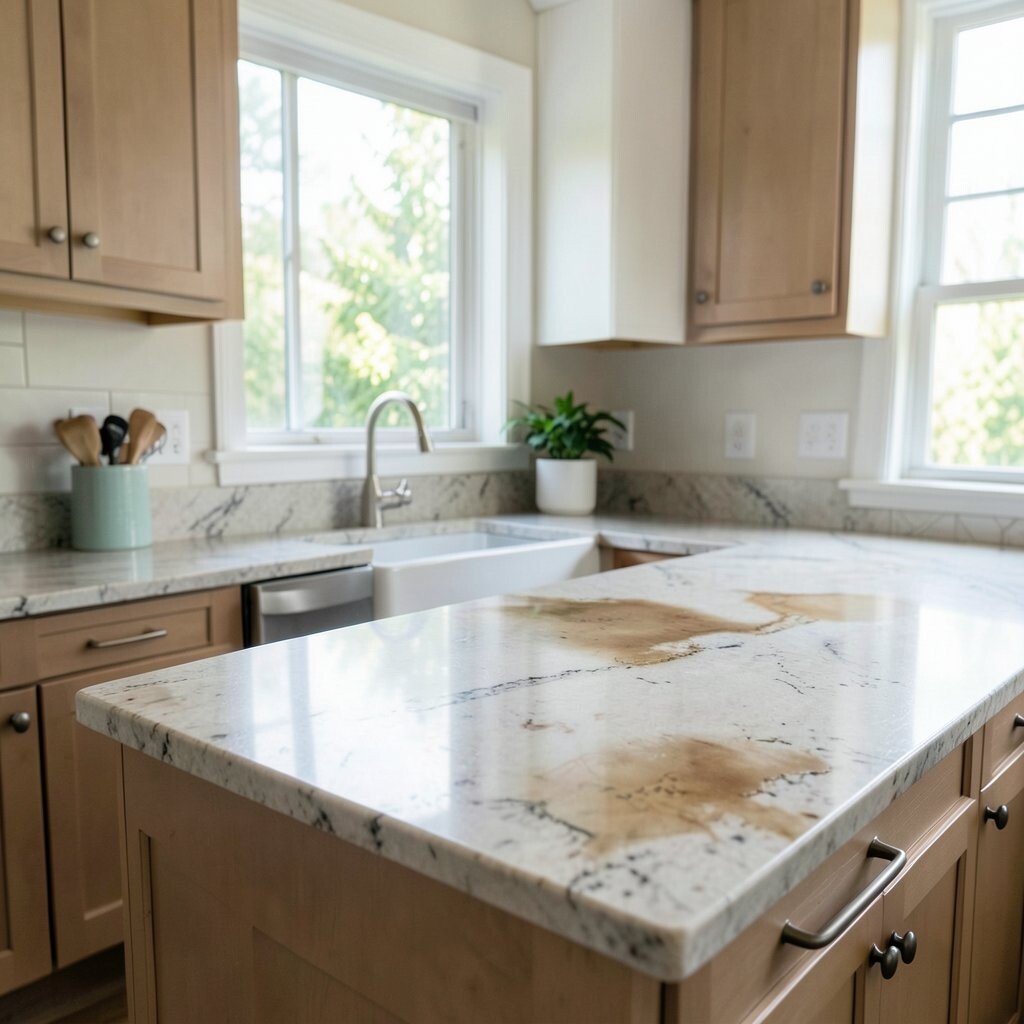
Picking countertops that stain or chip faster than you expect A countertop can look flawless during a kitchen tour and still become frustrating at home. You might notice dull spots after hot pans or tiny chips after everyday use.
Choosing wrong for your lifestyle costs money because you may need sealing, frequent repairs, or even a full redo sooner than planned. The benefit of the right material is peace of mind during busy weeknights. Tip: think about how often you cook, whether you use acidic ingredients, and how you handle hot pots.
Personalization ideas: if you love a modern look, consider durable quartz with subtle movement, or if you want a natural style, choose stone that fits your maintenance comfort.
Also, ask about edges and finishes, since the edge profile affects both style and wear.
-
6. Overspending on hardware while skipping the drawers that matter most
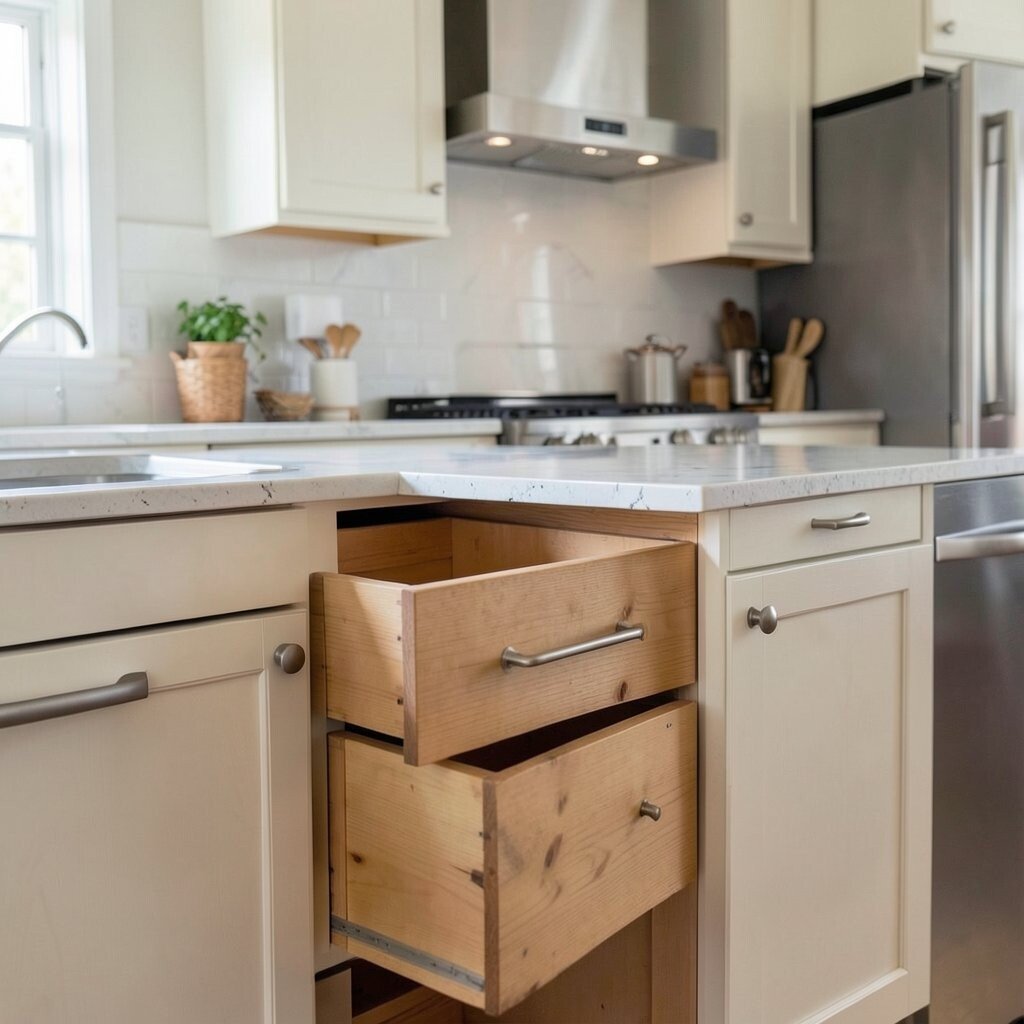
Overspending on hardware while skipping the drawers that matter most Some kitchens look like jewelry because the knobs sparkle. But drawers may still slide poorly or be too shallow for your everyday items.
That mismatch becomes a daily annoyance and can force another change later. The benefit of smart investment is smoother storage and less clutter. Tip: spend first on drawer organizers, pull-out shelves, and places for trash, recycling, and bulky pans.
-
7. Not budgeting for the “hidden” costs like plumbing moves
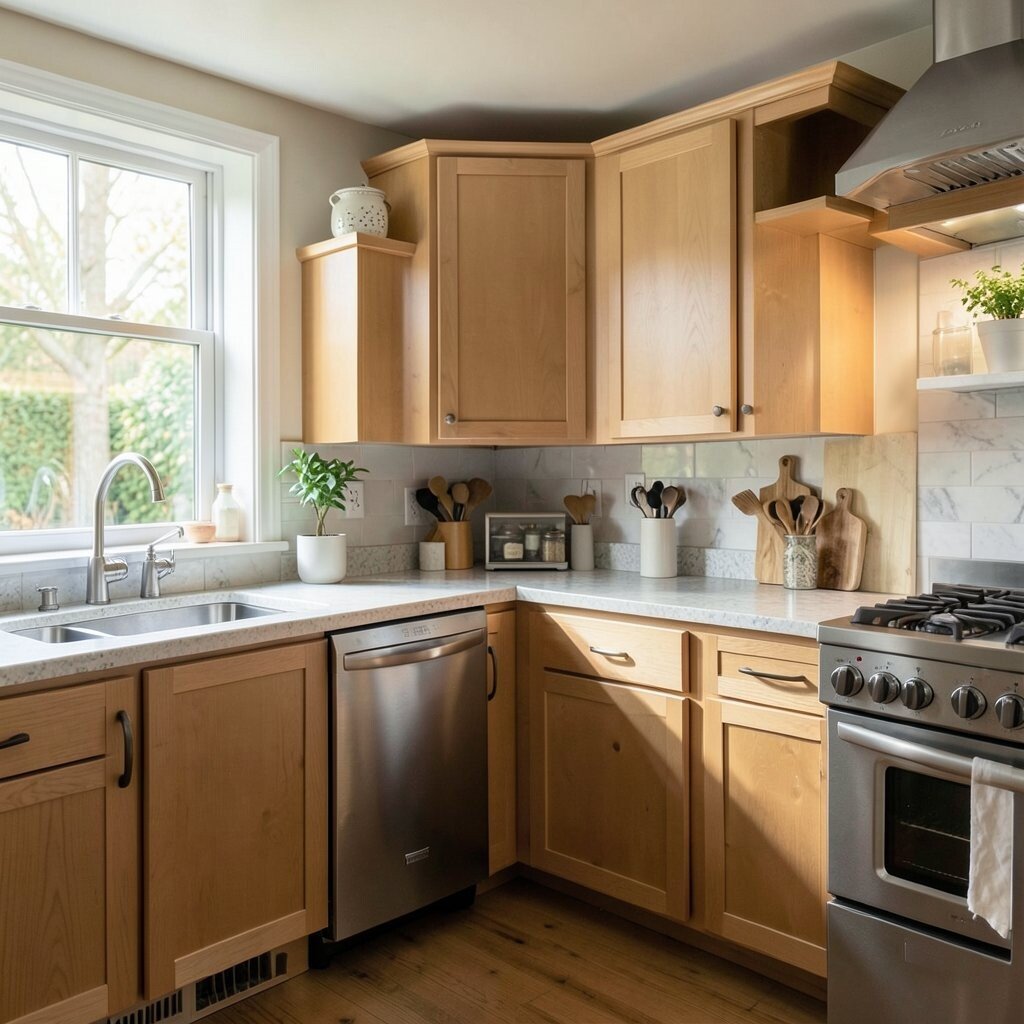
Not budgeting for the “hidden” costs like plumbing moves You plan for cabinets and flooring, but plumbing and wiring have their own rules. When you move a sink, you may need extra lines, new shutoffs, and updated venting.
Hidden changes can raise the final total fast, and that can strain your remodel budget. The benefit of planning ahead is fewer surprises and smoother scheduling. Suggestion: request quotes that include labor for rough-in work, and keep a cushion for small fixes that always show up.
Trend tip: if you want a modern farmhouse vibe with a statement sink, factor in how the faucet height and drain location will affect the plumbing plan.
-
8. Choosing flooring based only on looks, not moisture resistance
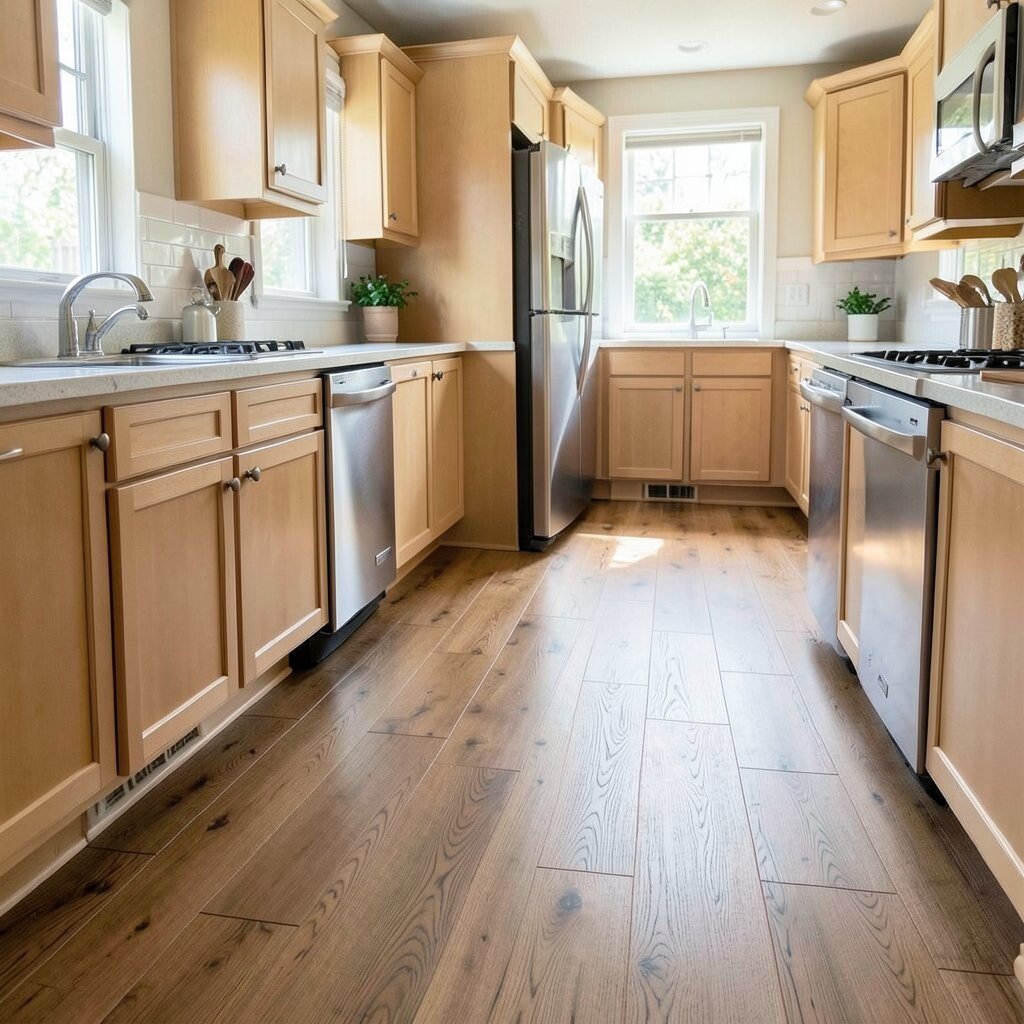
Choosing flooring based only on looks, not moisture resistance Maybe you fall in love with a light wood-look floor in a bright store. Then water splashes near the sink and the edges start to look tired.
Moisture damage costs money because you may need replacement boards or full section repairs. The benefit of moisture-friendly flooring is peace around spills, damp towels, and frequent cleaning. Tip: check water-resistant ratings, underlayment needs, and how the material handles high humidity.
Personalization idea: pick patterns with movement that hide everyday marks, which is popular right now, especially in warm neutral tones.
-
9. Forgetting about wall prep and paint quality
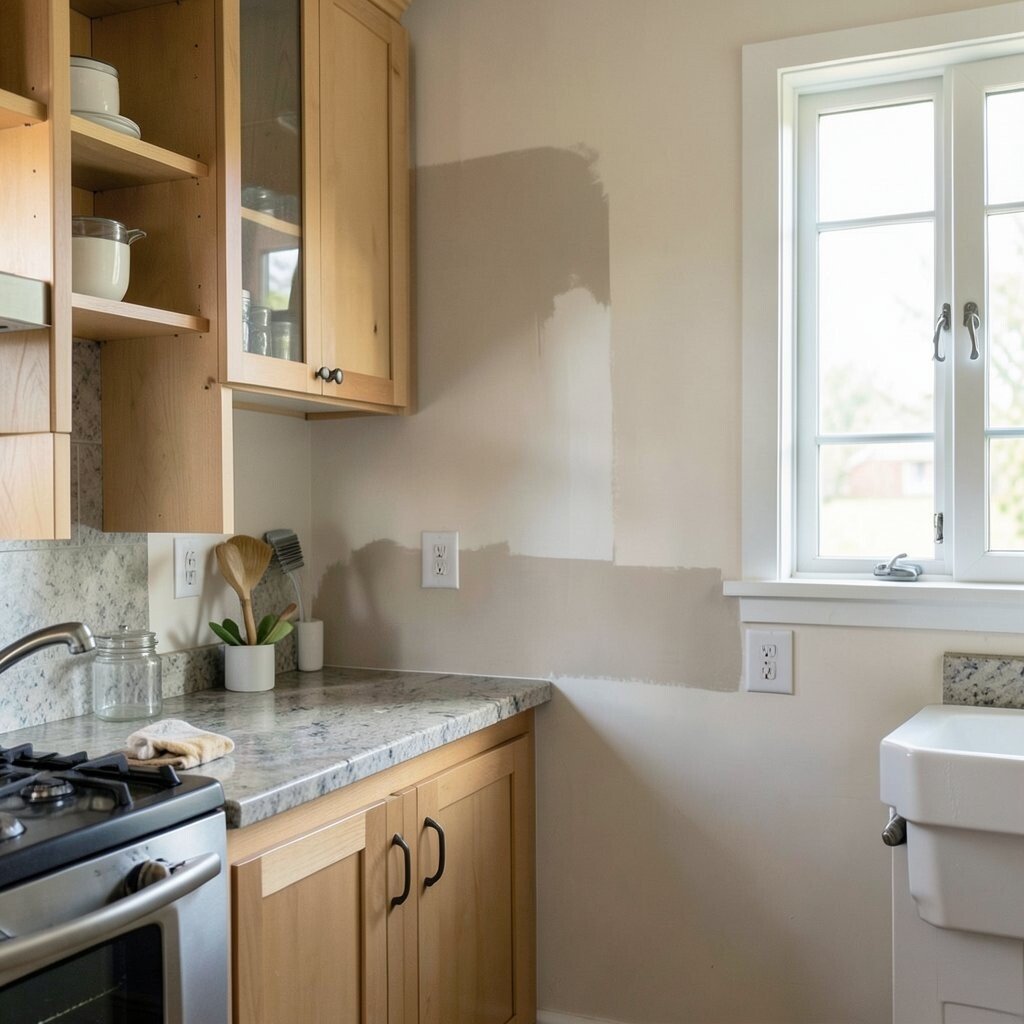
Forgetting about wall prep and paint quality Walls might look smooth in your mind, but old texture and uneven spots can show up after cabinets and backsplash go on. You may see flashing lines or gaps where trim meets surfaces.
Bad prep can lead to peeling or uneven sheen, and you’ll pay again to repaint. The benefit of good paint work is a crisp, polished look that stays nicer longer. Suggestion: sand properly, prime when needed, and match sheen levels so the kitchen doesn’t look patchy.
For personalization, try a warmer off-white or a soft sage accent for a calm feel that matches today’s lifestyle-focused designs.
-
10. Overlooking outlet placement and charging needs

Overlooking outlet placement and charging needs You might install a beautiful backsplash and then realize your countertop gadgets can’t reach. A blender, kettle, and mixer all waiting for one far outlet is a frustrating daily loop.
Wrong outlet placement costs money because you may need costly rewiring or add-on solutions later. The benefit of smart placement is a kitchen that works for real life. Tip: map your usual appliances, measure cord lengths, and consider adding outlets near the prep zones.
Trend idea: add USB outlets or hidden charging drawers for a clean look while keeping power easy to reach.
-
11. Selecting backsplash without a plan for seams, edges, and grout
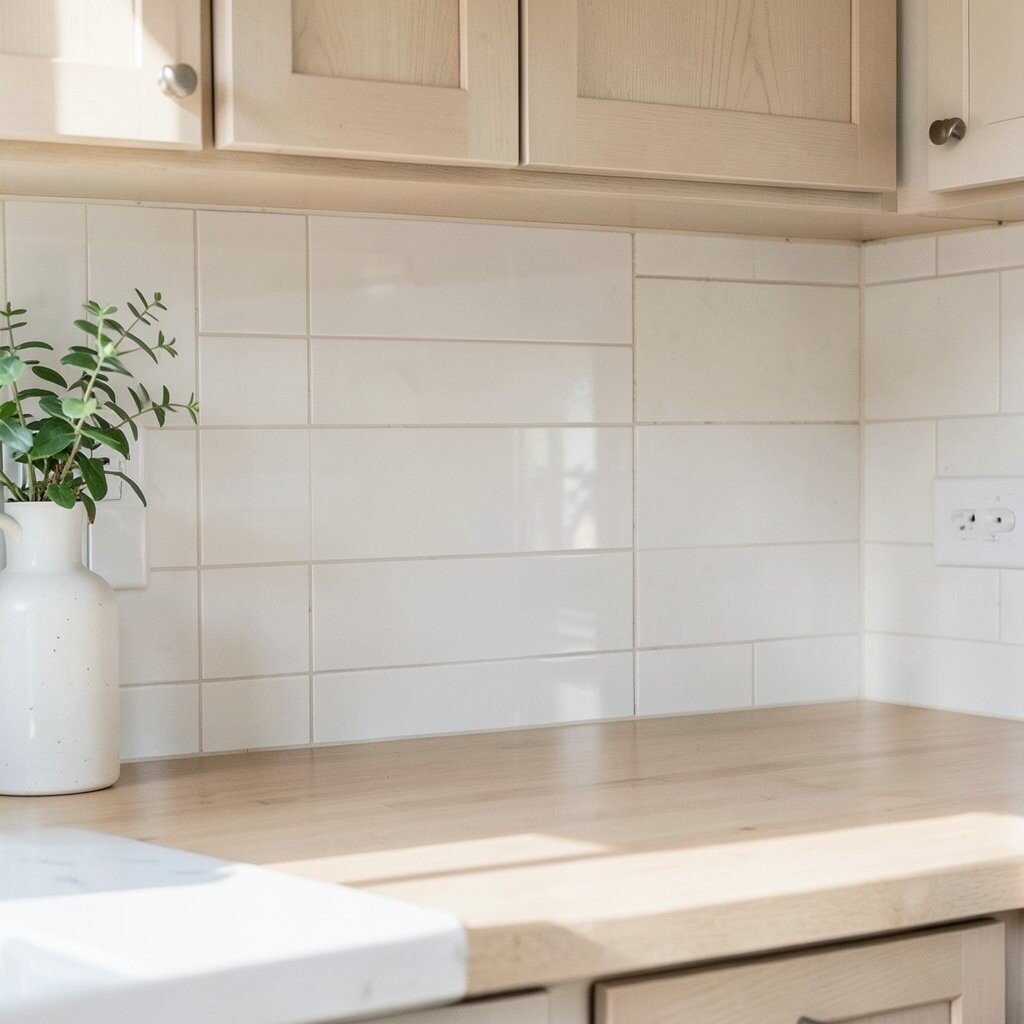
Selecting backsplash without a plan for seams, edges, and grout Backsplashes can look busy or messy when the layout isn’t planned. You might also run into chipped edges where tiles meet outlets or corners.
When tiles don’t align well, you lose time and sometimes pay for rework. The benefit of careful planning is a neat finish that looks custom. Suggestion: start with measurements, decide the tile direction, and choose grout color that suits your lifestyle.
-
12. Choosing window treatments that block ventilation or cleaning
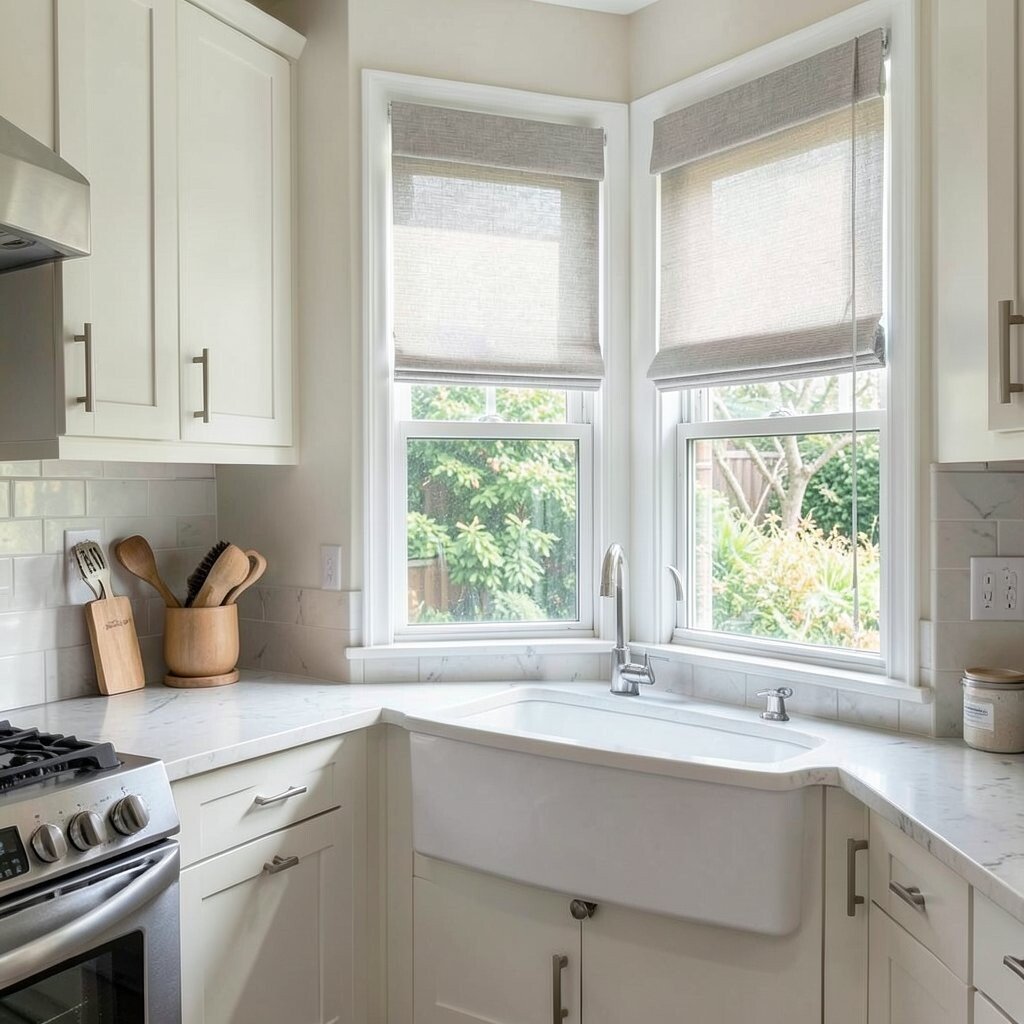
Choosing window treatments that block ventilation or cleaning Some curtains look cozy, but they can trap heat and interfere with airflow. Other options look nice until you try wiping splatters and realize the fabric grabs grease.
This mistake costs money when you replace window coverings sooner than expected. The benefit of the right treatment is comfort and easier upkeep. Tip: measure the full window area, keep materials wipeable if you cook often, and make sure treatments don’t block the hood or sink access.
Personalization idea: consider simple roller shades for a sleek look, or layered sheers that add softness without heavy maintenance.
-
13. Painting cabinets with no prep steps or proper products
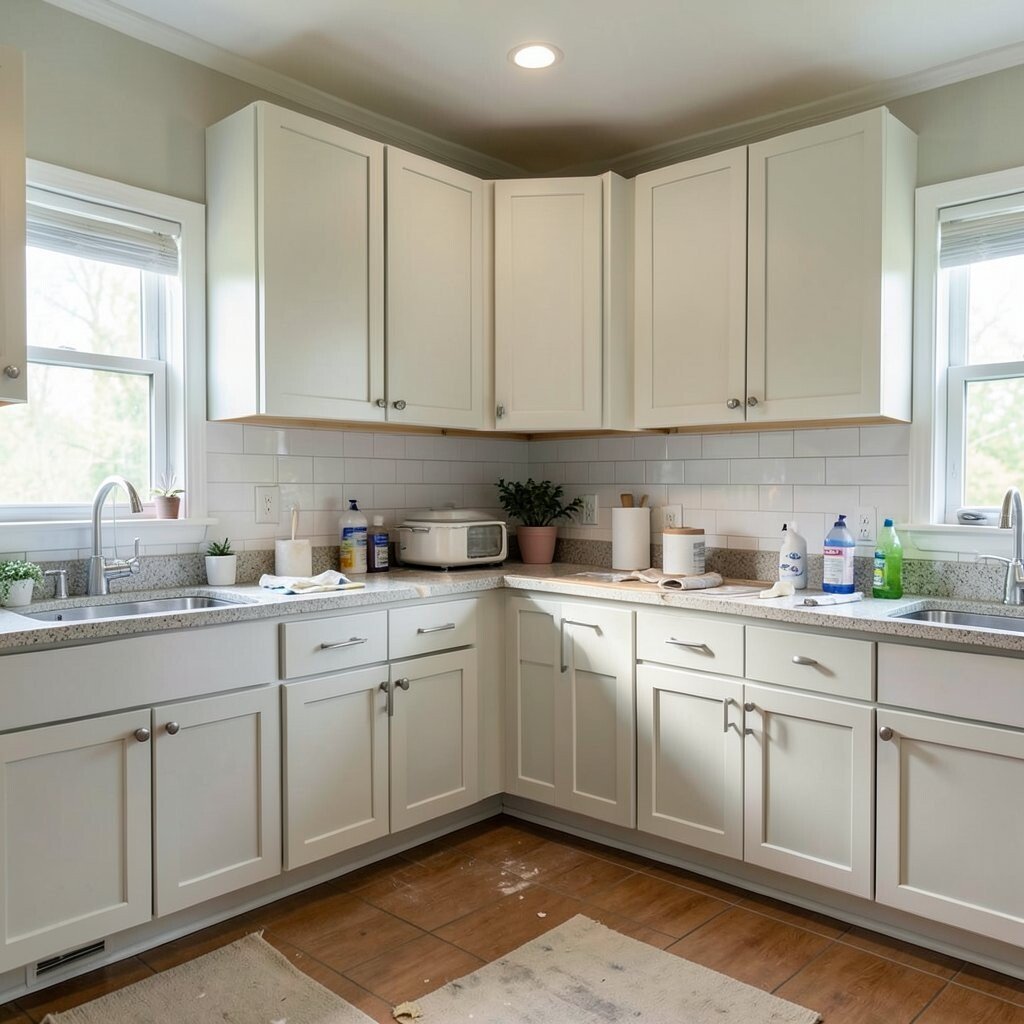
Painting cabinets with no prep steps or proper products Fresh paint can look amazing for a few weeks, then it starts to chip or feel rough. You may see brush marks, uneven shine, or peeling around handles.
Skipping prep costs money because the job fails and needs redoing. The benefit of proper prep and quality primer is a durable finish that stands up to daily touch. Suggestion: clean thoroughly, sand lightly, use the right primer, and choose paint made for cabinets.
Trend-friendly tip: matte or soft satin finishes are popular now, especially with clean handle styles and warm white walls.
-
14. Not planning workflow, so you keep moving things around
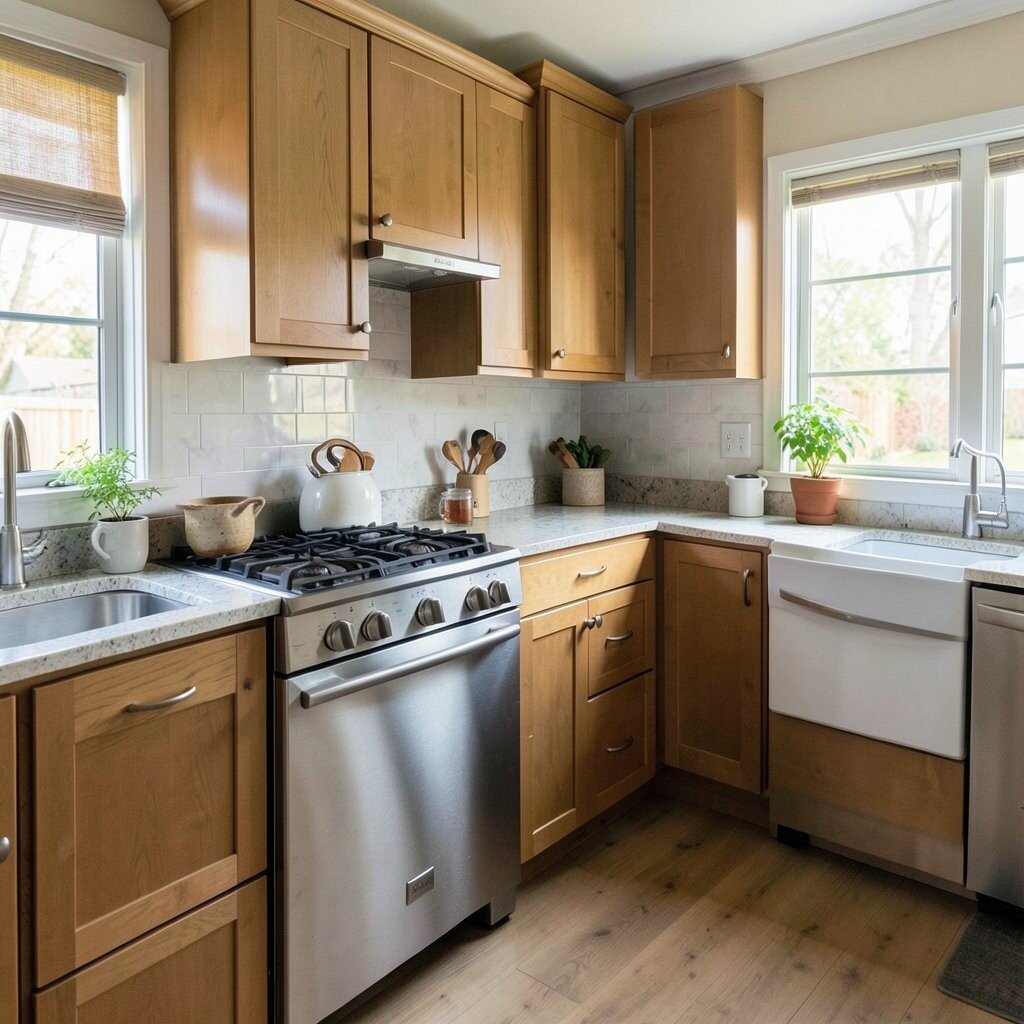
Not planning workflow, so you keep moving things around In a well-planned kitchen, your hands travel short distances. In a confusing layout, you keep walking back and forth for spices, plates, and cooking tools.
When workflow is off, you waste time and you end up buying storage hacks that still don’t fix the core issue. The benefit of smart layout is smoother cooking and less frustration. Tip: set up zones—prep, cook, and clean—and place your most-used items in arm’s reach where you actually stand.
-
15. Waiting too long to lock decisions, leading to rushed (and pricey) changes
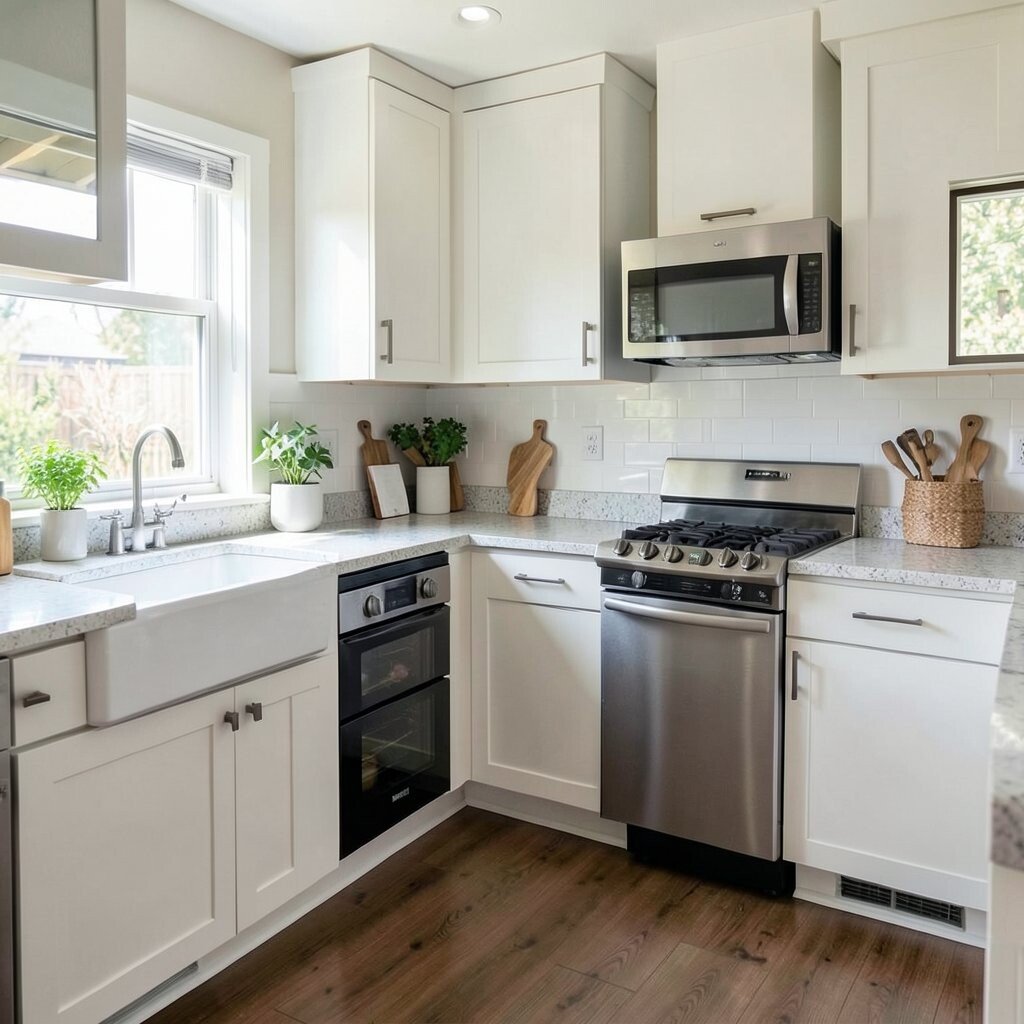
Waiting too long to lock decisions, leading to rushed (and pricey) changes Remodel schedules move fast, and late decisions can become expensive. Maybe you change your mind on a sink, then the plumber and installer need new parts right away.
Rushed choices often mean higher labor costs, restocking fees, and mismatched materials. The benefit of deciding early is better pricing and fewer delays. Suggestion: create a checklist for the big pieces—cabinets, countertops, flooring, lighting, and hardware—and finalize them before ordering anything else.
Personalization idea: keep room for small, personal touches like drawer labels, patterned shelf liners, or a favorite color accessory, so you still feel ownership without causing rework.