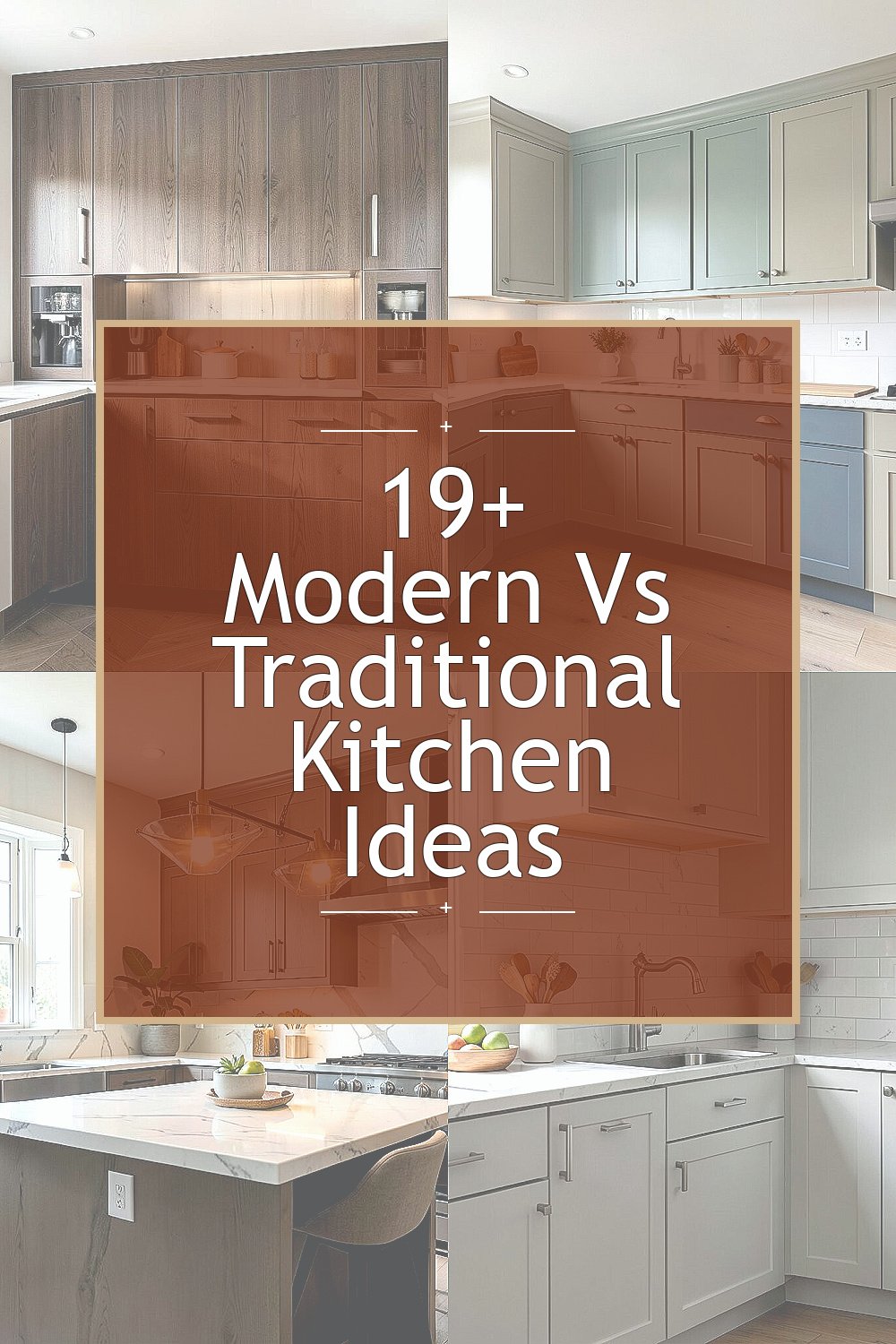
Your kitchen can look new without feeling complicated. Small changes can add big charm fast.
Modern and traditional styles can both feel cozy and smart. Pick what fits your taste, then make it work for your life.
-
1. Choose a “hero” cabinet face for the look you want

Choose a “hero” cabinet face for the look you want Start by picking one key area that will pull the whole room together. In modern kitchens, that may mean flat-front doors in a clean color.
For traditional kitchens, raised panels and warmer wood tones look classic and friendly. This hero choice helps you plan the rest without guessing. If you want quick results, swap hardware first, then decide on paint or stain after you see it in daylight.
-
2. Paint cabinets with a simple color plan

Paint cabinets with a simple color plan Choose a main shade, then add one supporting shade. Modern kitchens often look great with soft whites, cool grays, or deep charcoal for contrast.
Traditional kitchens shine with creamy off-whites, warm beige, or gentle greens. A light base keeps the room bright, while a deeper accent adds depth. If you worry about cost, consider painting only the lower cabinets and leaving uppers for later.
Tip: Use painter’s tape on edges and label doors so you can rehang them in the right order. That small step prevents mistakes and saves time. Always test the paint on a cabinet panel first to see how it changes in morning and evening light.
-
3. Swap to statement lighting that matches your style

Swap to statement lighting that matches your style Lighting is one of the easiest ways to change the mood. Modern looks often use sleek pendants, simple metal finishes, and clear glass shades.
Traditional looks often prefer brass tones, frosted glass, or gentle curves that feel welcoming. When people walk into your kitchen, their eyes go straight to the lights, so choose something that feels “you.”
If you want the biggest impact with less work, focus on one light over the main sink or island. Cost can vary, but you can find good options at home stores and online. If changing fixtures feels too big, try warm LED bulbs with a cozy color temperature.
Personalization idea: add a small tray on the counter and place candles or a small plant under the light to make it feel styled.
-
4. Update the backsplash using peel-and-stick tiles

Update the backsplash using peel-and-stick tiles A new backsplash can make even older cabinets look brand new. Peel-and-stick tiles are budget-friendly and usually removable, which is great if you like flexibility.
Modern kitchens often love simple subway tile, geometric patterns, or stone-look finishes. Traditional kitchens look lovely with classic brick-style layouts, warm marbles, or soft mosaic details.
Before you apply anything, clean the wall well and let it dry fully. Use a level to keep lines straight, especially at the edges near outlets. This method is a smart way to try a new look without committing to a full renovation.
-
5. Upgrade cabinet hardware for instant “new kitchen” vibes

Upgrade cabinet hardware for instant “new kitchen” vibes Hardware is small, but the change is huge. Modern kitchens usually look clean with bar pulls, minimal knobs, and matte finishes.
Traditional kitchens often look best with round knobs, ornate pulls, or slightly curved shapes. Pick hardware that feels comfortable to grip every day, not just pretty in a photo.
To control cost, keep the same hole spacing if you can. You can often find replacements that match your measurements. A quick tip: lay one door on a table and practice the look before you commit to the whole set.
-
6. Add open shelving with a calm, tidy style

Add open shelving with a calm, tidy style Open shelves can make your kitchen feel lighter and more personal. For modern style, use simple brackets and store items in matching colors.
Traditional kitchens can also use open shelving, especially with warm wood shelves and cute ceramic pieces. When you display items, you create visual rhythm and show your favorite things. Try keeping everyday items there and hide the rest in cabinets.
Benefits include making the kitchen feel more open and making daily cooking tools easier to reach. Personalization idea: use baskets for spatulas, small jars for dry goods, and a decorative plate at the front corner. Budget tip: look for used shelves or shop clearance racks for brackets and wood boards.
-
7. Choose a countertop finish that fits your routine

Choose a countertop finish that fits your routine Your countertop does the heavy lifting every day, so pick what fits your habits. Modern designs often pair with quartz for a smooth, consistent look.
Traditional kitchens frequently shine with butcher block, warm laminate, or stone-look surfaces. If you want an easy upgrade without big demolition, consider resurfacing or updating only a section.
Benefits include easier cleaning and a more polished feel. Cost considerations matter here, so set a clear limit early and compare materials for both price and upkeep. Personalization: choose a finish that matches your kitchen mood—cool and sleek for modern, warm and classic for traditional.
-
8. Refresh the faucet and sink area for a cleaner look

Refresh the faucet and sink area for a cleaner look Small changes around the sink make the whole kitchen feel sharper. Modern faucets often look sleek with single-handle controls and a clean spray head.
Traditional kitchens often look better with curved designs, classic finishes, and sturdy pull-down styles. If you keep the rest simple, a great faucet becomes your standout piece.
Benefits include better daily use, improved water flow, and a fresh visual focus. When you shop, measure your current mounting holes and check compatibility. Budget idea: upgrade the faucet first, then replace the sink later if needed.
Trend note: Many kitchens now choose warm metals like brushed nickel or matte black for a modern edge without feeling too cold.
-
9. Use paintable wall accents for quick pattern

Use paintable wall accents for quick pattern Walls can do more than one job. A small accent, like a painted panel behind the coffee station, can add style without major work.
Modern kitchens often benefit from simple stripes, block shapes, or a single bold color. Traditional kitchens can use soft wallpaper looks, gentle damask patterns, or a warm trim line.
To keep it easy, choose a color that matches your cabinets or pulls from your backsplash. Benefits include personal flair and a custom feel that looks planned. Personalization tip: paint a chalkboard-friendly area for recipes and weekly meal plans.
-
10. Add matching storage containers for a tidy countertop

Add matching storage containers for a tidy countertop A clutter-free counter makes the kitchen feel modern and calm. Use clear, matching containers so dry goods look neat and easy to find.
Traditional style can still use containers, especially in glass, ceramic, or labeled kraft paper sleeves. This is a simple way to keep counters light and reduce visual noise.
Benefits include faster cooking because you can spot ingredients quickly. Cost can be controlled by starting with a few essentials like flour, sugar, and coffee. Personalization idea: use labels that match your style—modern sans-serif for a sleek vibe, classic script for a traditional vibe.
-
11. Upgrade flooring with peel-and-stick or vinyl planks

Upgrade flooring with peel-and-stick or vinyl planks Flooring changes the feel of your kitchen the moment you walk in. Modern kitchens often use light oak, gray tones, or sleek wood-look planks.
Traditional kitchens often love warm hardwood colors, beige tones, or classic plank patterns. Peel-and-stick and vinyl planks can be an easy upgrade because they usually install without heavy tools.
Benefits include comfort underfoot and a quick style refresh. If cost is a concern, measure carefully and buy extra planks for cuts. Tip: keep the subfloor clean and smooth so the new floor sticks well and looks straight.
-
12. Create a “work zone” layout so cooking feels easier

Create a “work zone” layout so cooking feels easier A makeover is not only about looks; it’s also about flow. Modern kitchens often use clean lines and clear zones for prep, cooking, and cleanup.
Traditional kitchens still need zones, even with more classic furniture-like storage. Try grouping items by job: cut veggies near the prep area, keep spices near the stove, and store cleaning tools close to the sink.
This benefits your cooking because you move less and find things faster. Personalization idea: add a small caddy for spices or a drawer divider for utensils so everything stays in its place. Cost is mostly low since many improvements use organizers you already buy for other rooms.
-
13. Choose a modern or traditional backsplash “pattern rule”

Choose a modern or traditional backsplash “pattern rule” Pick a backsplash style that fits the mood you want. For modern kitchens, keep the pattern simple and use fewer colors so it feels calm.
For traditional kitchens, you can use warmer tones and more decorative layouts, like herringbone or classic mosaics. A good rule helps: if your cabinets are bold, keep the backsplash quieter; if cabinets are simple, you can add more pattern.
Benefits include a balanced look that feels designed, not accidental. Cost considerations: look for affordable tile alternatives, like ceramic sheets, faux stone panels, or peel-and-stick. Personalization: use a coordinating grout color to make the lines look sharp.
Tip: plan outlets and corners first, then measure twice to avoid awkward cuts that can ruin the symmetry.
-
14. Add crown molding or simple trim for traditional charm

Add crown molding or simple trim for traditional charm Trim gives your kitchen instant personality. Traditional kitchens often look best with crown molding, chair rails, or gentle paneling details.
Modern kitchens can also use trim, but keep it clean and minimal. Use a narrower profile and paint it the same color as your cabinets for a neat, built-in feel.
This improves visual height and makes cabinets look more “finished.” Cost can be controlled by using lightweight materials and focusing on one area, like the upper cabinets. Personalization idea: add trim above open shelves to make them look like a custom feature.
-
15. Bring in a bold rug to add comfort and color

Bring in a bold rug to add comfort and color A kitchen rug can make your space feel softer and more inviting. Modern styles often choose low-contrast patterns or solid colors that match the cabinet tones.
Traditional styles often love warm patterns, medallions, or classic stripes. Pick a rug that works with your flooring and ties in colors from your backsplash or accessories.
Benefits include comfort while standing at the sink and a quick style refresh without painting. Cost: choose a durable indoor-outdoor rug if you want it to last longer. Personalization tip: place the rug centered under the main prep area for a clean, intentional look.
-
16. Upgrade appliances with a style-friendly finish

Upgrade appliances with a style-friendly finish New appliances can be expensive, so think about how to make them fit your style first. Modern kitchens often choose stainless steel, matte black, or sleek integrated looks.
Traditional kitchens often pair nicely with white, cream, or a warmer finish that looks classic. If you cannot replace appliances yet, add matching accessories like drawer pulls, appliance covers, or simple appliance handles.
Benefits include a more unified look and better kitchen function. Cost considerations: set priorities like a quiet dishwasher or a better hood first. Personalization idea: coordinate your appliance finish with your faucet and hardware so everything feels like one theme.
-
17. Add a kitchen island makeover using paint or hardware

Add a kitchen island makeover using paint or hardware An island is like the heart of the kitchen. Modern kitchens often use islands with clean cabinet panels, matching hardware, and strong color contrast.
Traditional kitchens often look great with warm wood tones or painted island tops with classic hardware. If your island is old, you can update it with paint, new legs, or a refreshed top finish.
This brings a big visual upgrade without tearing out major parts. Cost can stay manageable because paint and hardware are usually less expensive than full replacement. Tip: choose a countertop material that matches your daily work—heat-safe and easy to wipe.
-
18. Style your pantry area for both function and beauty

Style your pantry area for both function and beauty A pantry can be hidden away or proudly displayed, and both can look great. Modern kitchens often use simple bins, labels, and a clean shelf layout.
Traditional kitchens often feel warmer with baskets, glass jars, and a touch of decorative organization. The benefit is easy access, which makes cooking less stressful.
Try a personalization plan: keep baking supplies together, spices grouped by use, and snacks in a lower spot. Cost considerations: start with one shelf, then expand as your budget allows. Trend note: many kitchens now use clear, stackable containers to cut clutter and reduce wasted food.
-
19. Use simple wall art and greenery that suits your kitchen style

Use simple wall art and greenery that suits your kitchen style Details make a kitchen feel lived-in and happy. Modern style often works well with minimalist prints, black-and-white photos, or a single bold piece.
Traditional kitchens often look best with framed botanical art, classic quotes, or vintage-style kitchen prints. Add greenery like a small herb pot on the windowsill for fresh color and real usefulness.
Benefits include a warmer mood and a kitchen that looks cared for every day. Cost can be low if you start with one frame and one plant. Personalization idea: match your plant pots to your hardware finish so the whole room feels connected.
-
20. Finish with matching small touches for a fully “you” kitchen

Finish with matching small touches for a fully “you” kitchen Your final step is about consistency, not perfection. Modern kitchens often look best with matching sets like dish towels, tray styles, and simple matching bowls.
Traditional kitchens can use coordinated textures like linen towels, wooden trays, and warm ceramic accents. When small items match, the kitchen looks like it was planned, not patched together.
Benefits include a clean, tidy feel and an easier time keeping things organized. Cost considerations are friendly because small accessories let you control spending. Personalization tip: choose a signature color you love—then repeat it in towels, jars, or a small vase until your kitchen feels like one story.