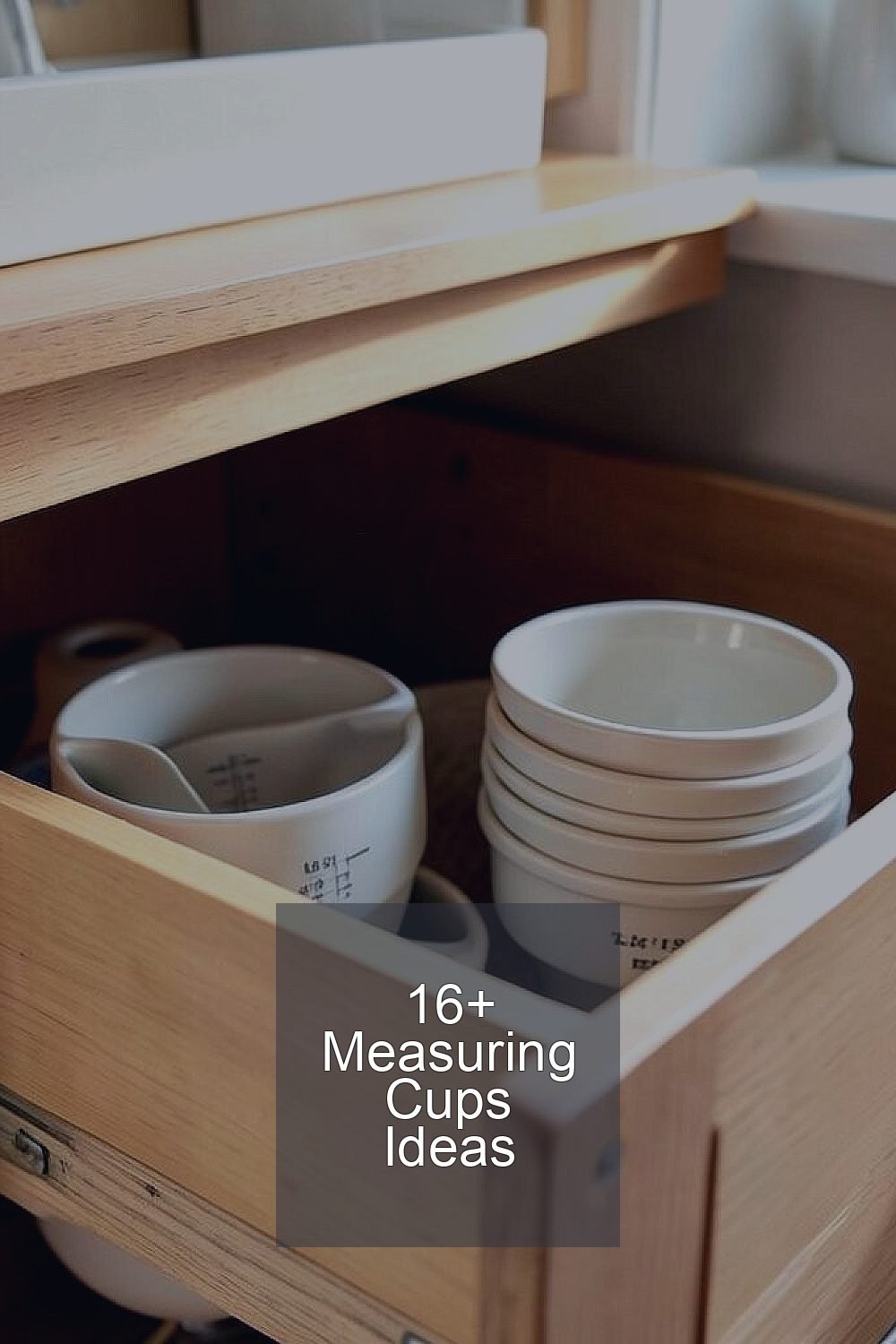
Measuring cups can do more than portion batter. They can change how your cooking feels, too.
1. Stackable Nesting Cups That Save Drawer Space

These are sleek cups that slide into each other like tidy little towers. When they nest, you can grab the size you need fast without fighting a cluttered drawer.
Pick a set that includes clear markings you can read at a glance. Rounded sides make them easier to scoop into flour and sugar without smearing. For accuracy, check that the rim is the same height across all sizes.
2. Color-Coded Cup Sets for Quick Baking Builds
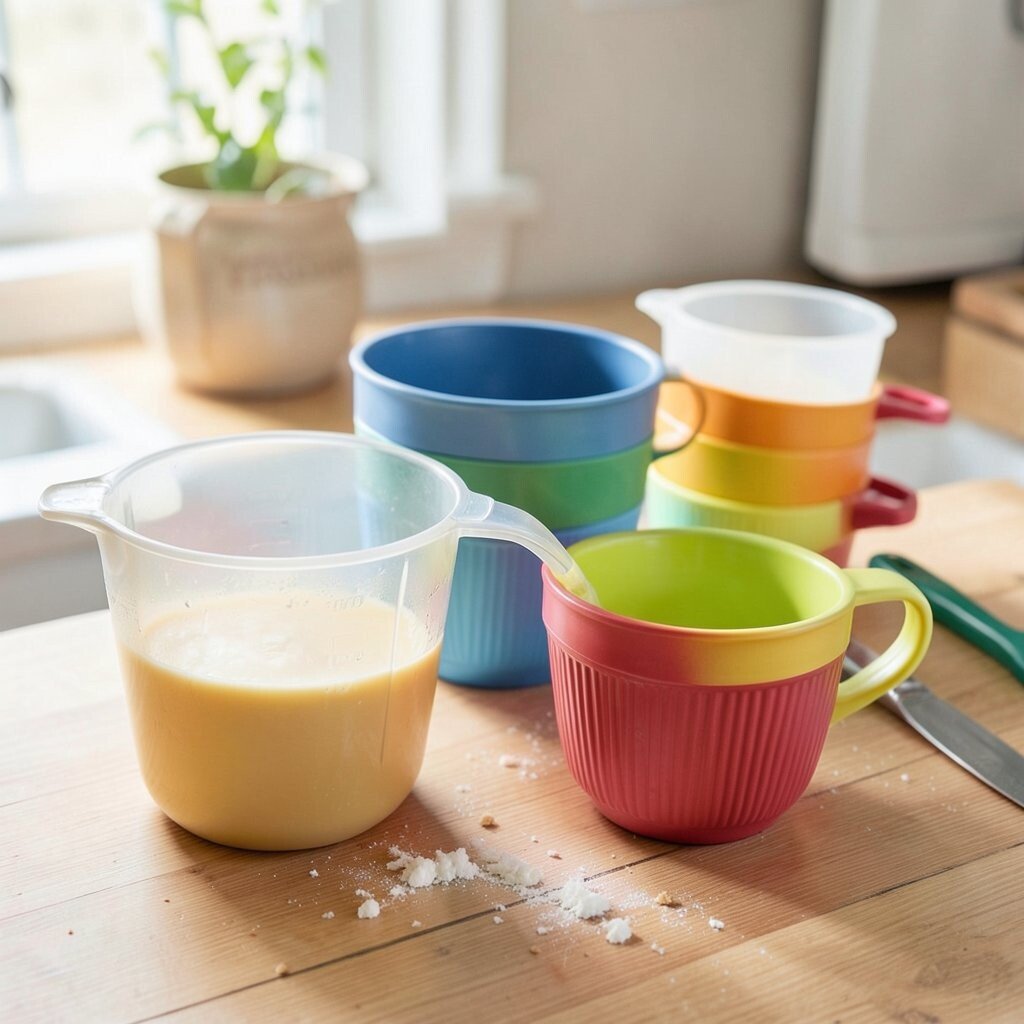
Color-coded measuring cups turn recipe chaos into a simple matching game. When each measurement has its own shade, you can move through steps with less second-guessing.
Try using colors for common baking amounts like 1/4 cup, 1/3 cup, and 1/2 cup. Keep the set near your pantry so you don’t have to search mid-recipe. This makes substitutions easier when you’re scaling up cookies or muffins.
To protect the print, choose cups with laser-etched numbers instead of stickers. If you bake often, pair the cups with a color-coded measuring spoon set for even smoother workflow. Cost-wise, budget sets are fine, but clearer markings usually last longer.
3. Deep “Dredge-Friendly” Cups for Sticky Ingredients

Some ingredients cling like they have a job to do. Deep measuring cups make it easier to scoop honey, peanut butter, or thick yogurt cleanly.
Look for cups with slightly taller sides and a sturdy lip so you can level off without tearing. Lightly coat the ingredient with a thin film of oil before measuring to reduce drag. A silicone spatula works especially well for scraping down the sides.
To get consistent results, measure sticky items at room temperature when possible. For sticky spices or jam, let them settle for a moment before leveling. You’ll notice steadier textures in desserts and sauces.
If you’re on a tight budget, you can repurpose an extra metal measuring cup for syrupy ingredients only. This reduces odor transfer across other bakeware. Current kitchen trends also favor multitask tools, so these cups fit right in.
4. Transparent Glass Cups for “See-Through” Measuring
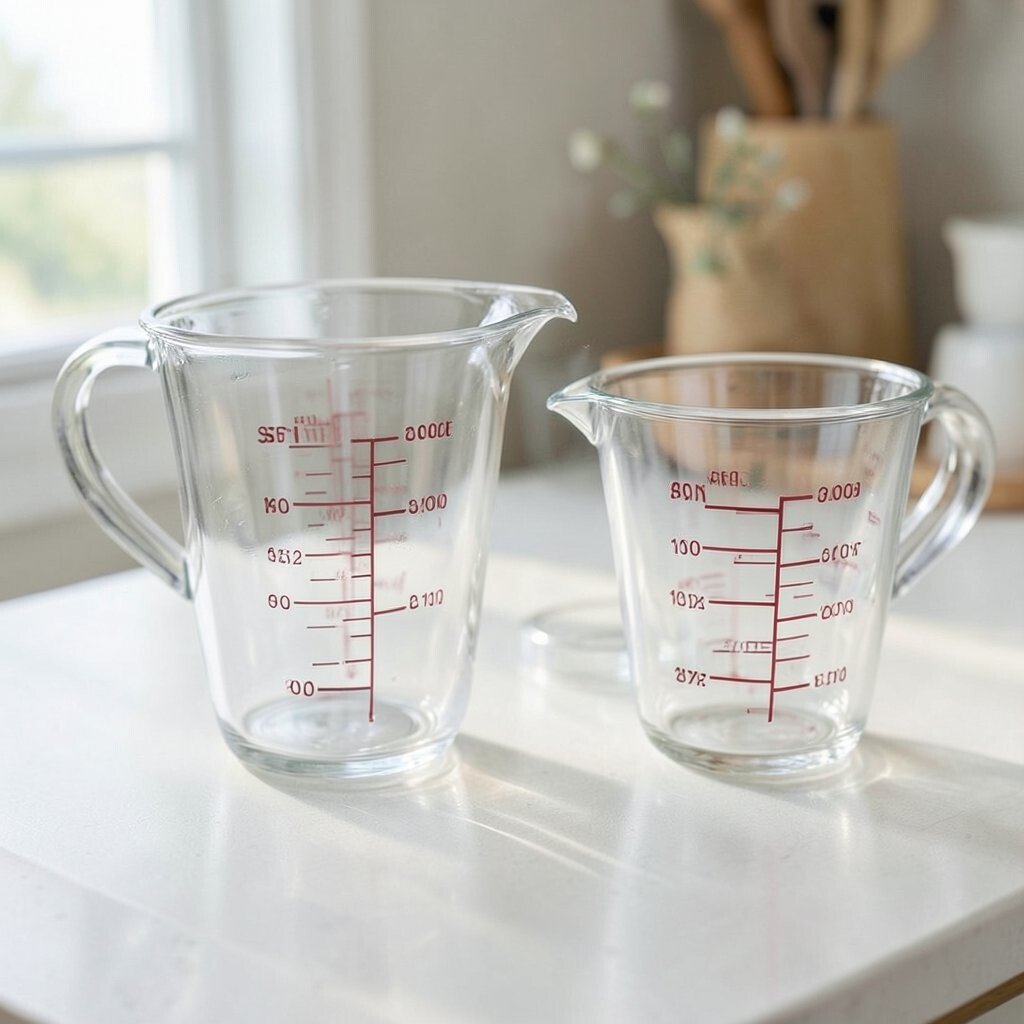
Transparent glass measuring cups let you confirm levels without guessing. You can watch bubbles in liquids and adjust quickly before you pour.
Choose glass that can handle heat if you’ll measure melted butter or hot broth. For safe pouring, look for a comfortable handle and a stable base. Clean the spout right away so sticky residues don’t harden.
5. Handle-Ready Ergonomic Cups for Easier Pouring
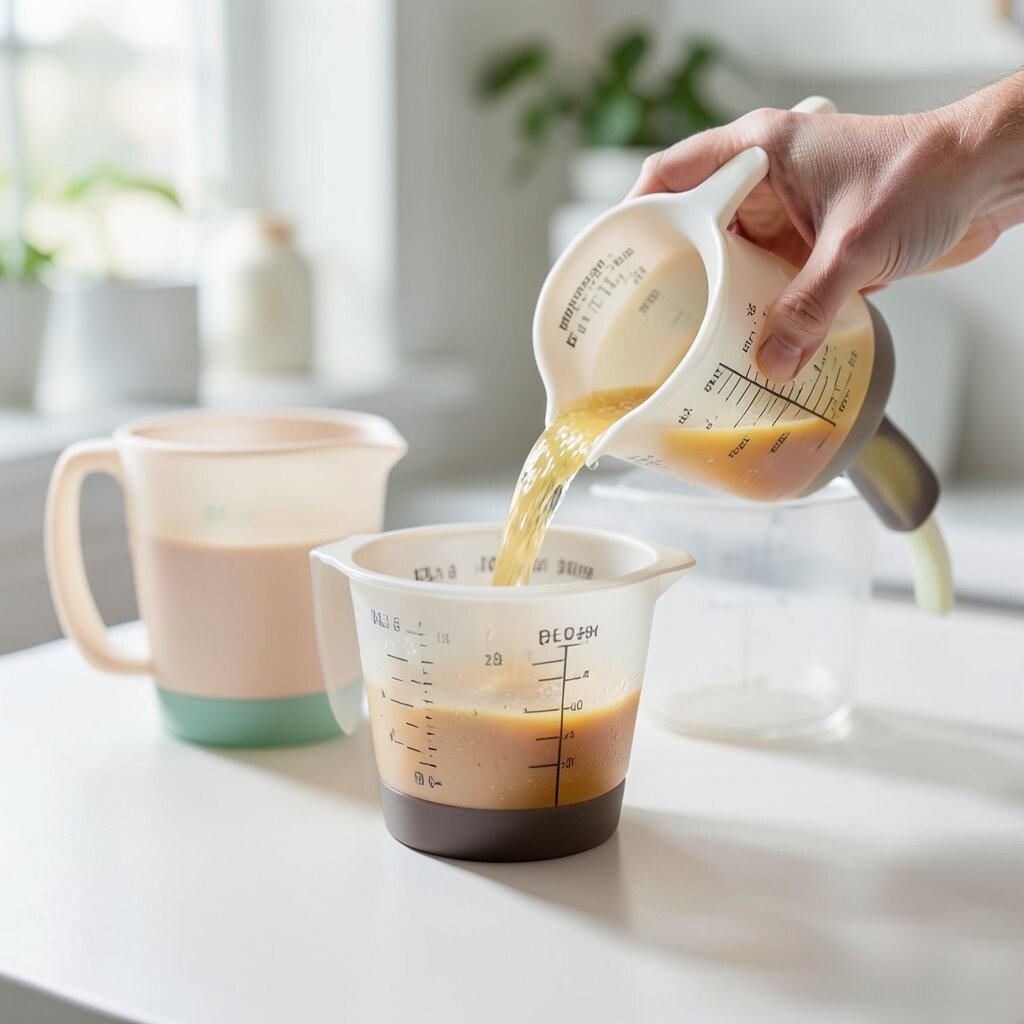
Ergonomic handles change the way you pour, especially when your hands are wet or floury. A grip that fits naturally helps you aim and reduce spills.
Seek cups with a balance point that feels steady when full. If the handle is too small, you’ll end up gripping hard and slowing down. A smooth lip also helps batter and liquids slide out in one calm motion.
For personalization, consider matching the handle style to how you cook, like lighter cups for everyday baking. In terms of cost, mid-range ergonomic sets often feel better and last longer than super-thin ones. This is a small upgrade that adds up over many recipes.
6. Measurement Cups with Stand-Alone “Pour Spouts”
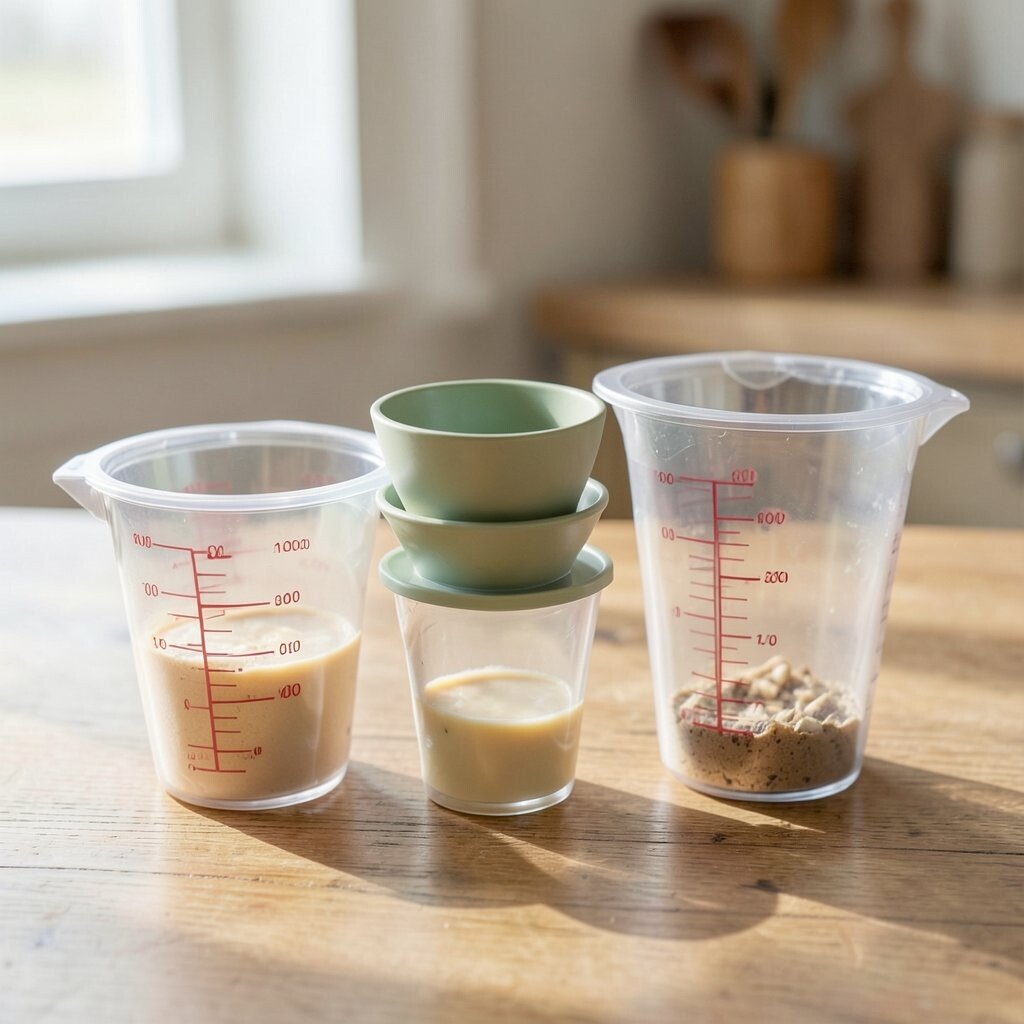
Some cups are built like mini pitchers, with a spout that makes every pour feel controlled. When you reduce drips, your counter stays cleaner and your measurements stay consistent.
Choose spouts that don’t create a lip where liquid can pool. For flour and sugar, use the cup without the spout to prevent stray dust from clinging near the edge. For sauces and dressings, spouts help you measure and pour from the same tool.
To use one cup for many jobs, label it by its best purpose, like “liquid only” or “dry only.” That habit cuts down on washing and cross-contamination. When you shop, compare the lip thickness, because thicker spouts often hold up better.
7. Interchangeable Inserts for Custom Cup Sizes
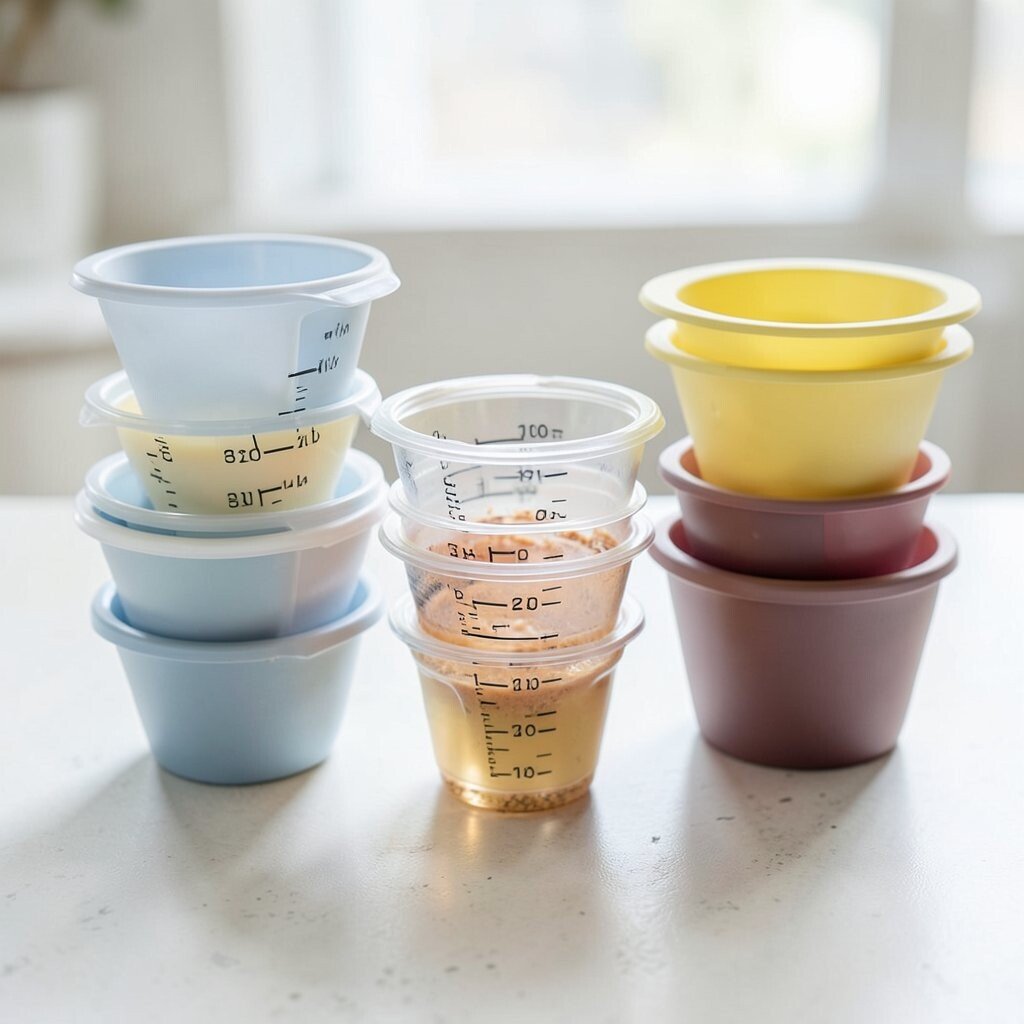
Instead of owning every measurement, some systems use inserts to create different volumes. This makes your kitchen more flexible when recipes call for odd amounts.
Look for a set that locks securely so you don’t lose accuracy while pouring. The beauty here is personalization: choose the increments you bake most often, like 1/8 cup variations. You can also use the system to portion ingredients for meal prep.
In cost terms, interchangeable systems can cost more upfront, but they may replace multiple cups. If you’re buying for a small kitchen, it can be worth it for the space you save. A current trend is tool modularity, and these inserts fit that style nicely.
8. Silicone Measuring Cups That Bend for Storage
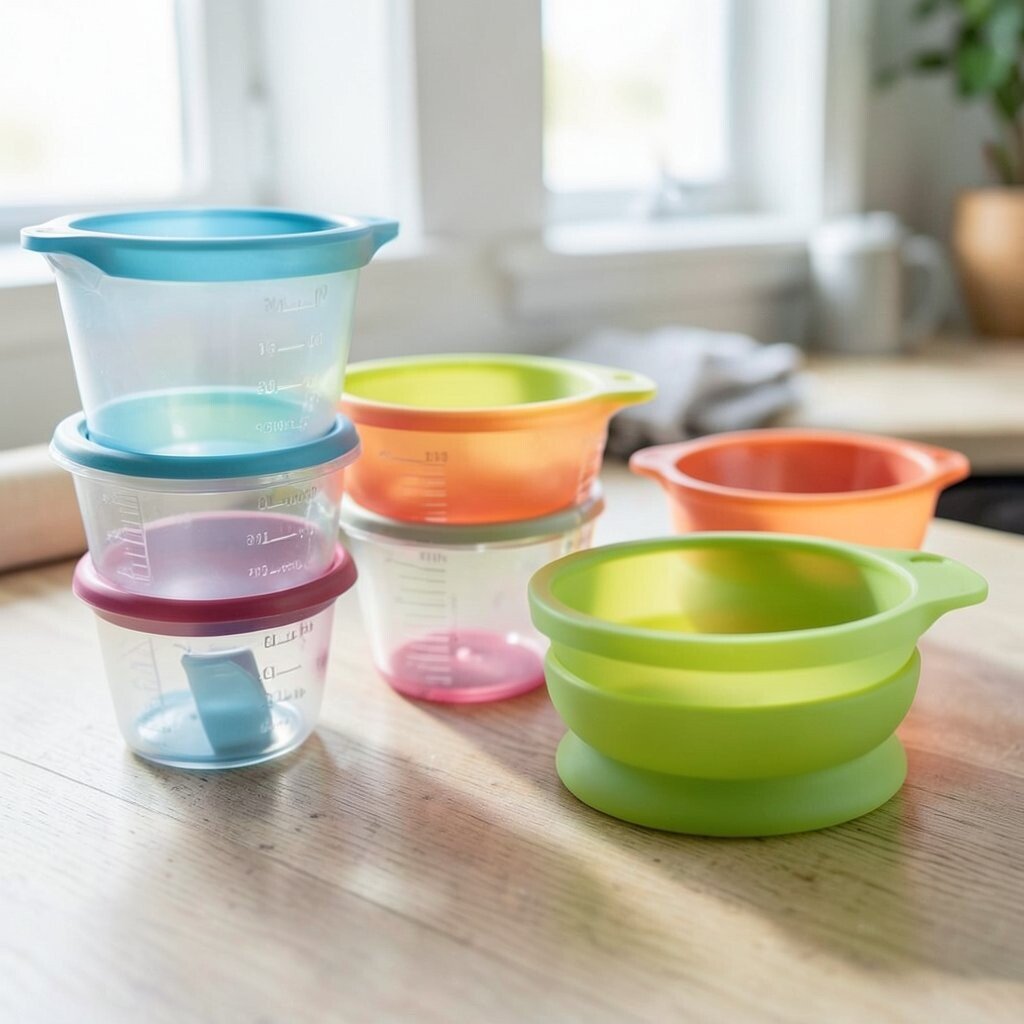
Silicone cups are soft, flexible, and surprisingly tough for daily use. They fit into drawers that feel too cramped, and they don’t clatter as loudly as metal.
Choose silicone cups with crisp measuring lines that won’t fade quickly. For dry ingredients, scoop and level carefully since flexible rims can flex when pressed. When you measure, keep the cup on a flat surface so the volume stays true.
If you like smoothies and sauces, silicone handles often make pouring easier. For cleaning, they usually rinse fast, and many are dishwasher safe. Just avoid abrasive scrubbing pads that can dull markings over time.
This is a great option for families because it’s easy to store, easy to handle, and less breakable if dropped. Consider picking neutral colors for a classic look or bright ones for a fun kitchen vibe. Trend-wise, silicone continues to be a popular choice for modern meal prep routines.
9. Stainless Steel Cups for Long-Lasting Precision
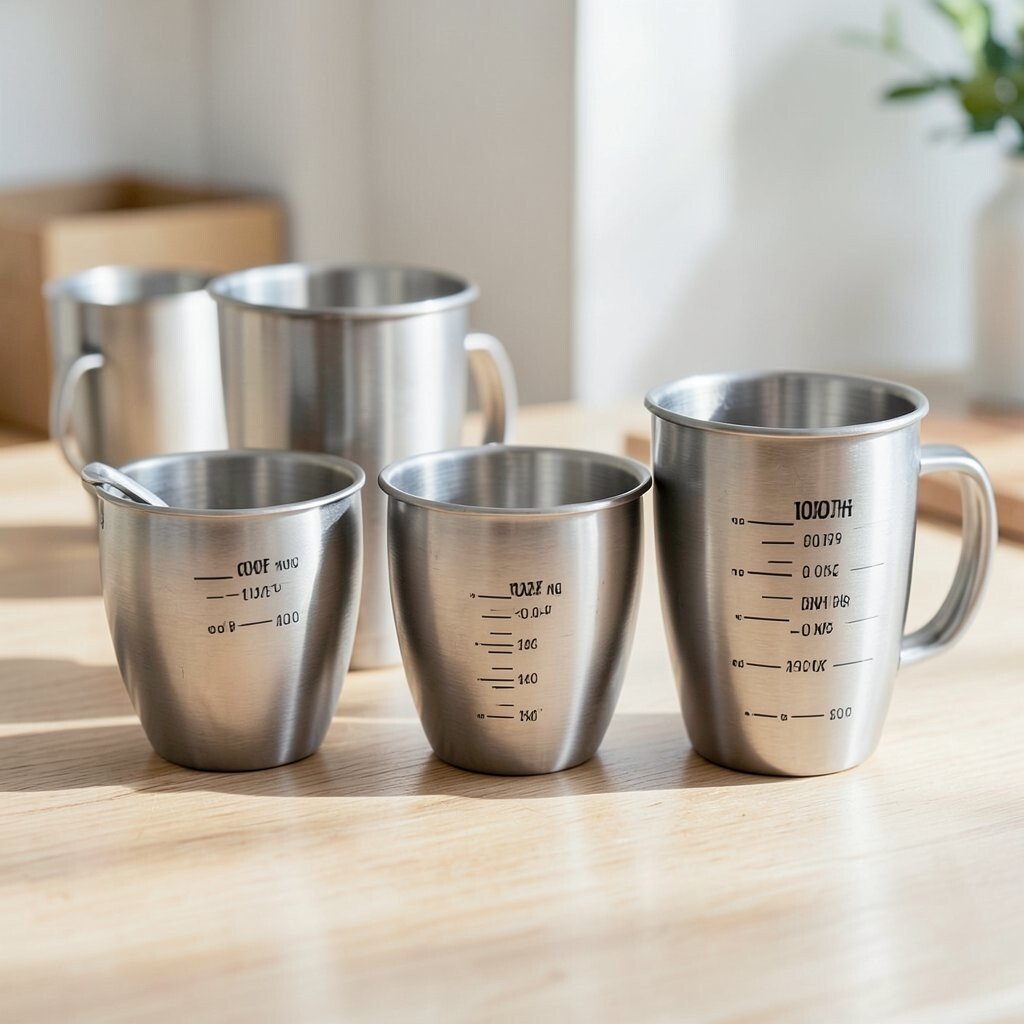
Stainless steel measuring cups feel solid in your hand and resist dents better than lighter metals. They’re a favorite for people who want tools that stay reliable for years.
Look for cups with etched measurement marks and smooth inner surfaces. For dry measuring, use a straight edge to level off flour and sugar for best accuracy. For liquids, read at eye level and pour slowly to avoid overfilling.
One unique benefit is how they handle repeated use without absorbing smells. That matters if you measure strong spices or flavored syrups. With proper cleaning, they keep their shine and stay visually easy to trust.
If your budget allows, choose a set with a consistent thickness and snug fit between sizes. A slightly higher price can mean better alignment and fewer measurement errors. Stainless sets are still trending as “buy once, use forever” kitchen favorites.
10. Measuring Cups Designed for Dry Leveling

Some cups are built with a rim that helps you level ingredients smoothly. That means less wasted flour and fewer “too much” baking moments.
Find cups with a flat, sturdy top edge so a knife or straight spatula can glide across. For best results, spoon dry ingredients into the cup rather than scooping directly from the bag. This reduces packing and helps you hit the recipe’s intended texture.
If you often bake breads or cakes, this is an easy accuracy upgrade. Consider keeping a small leveling tool nearby in a drawer so you don’t skip the step. Cost is usually moderate, since these cups focus on functional design rather than extra materials.
11. Cup Sets That Include Fraction and Metric Markings
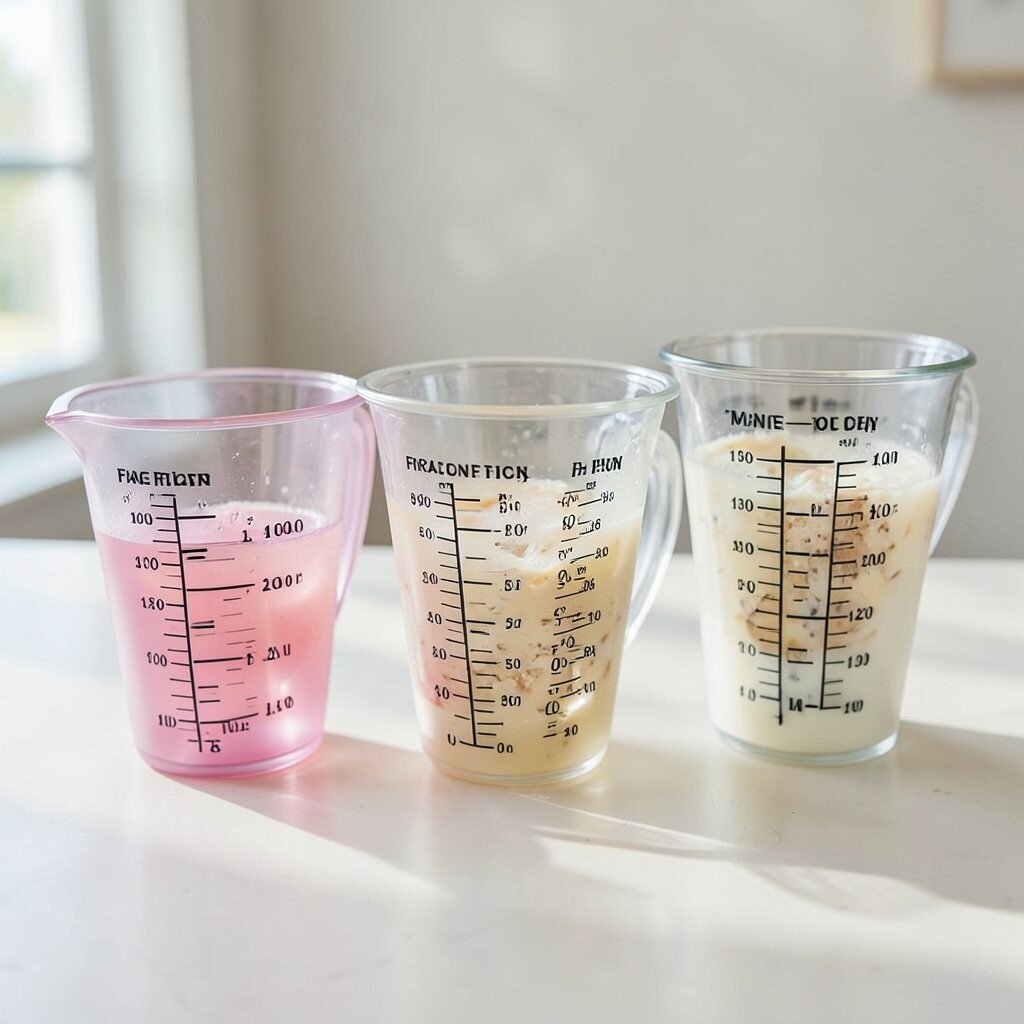
Metric and fraction markings help you follow more recipes without conversion headaches. When you cook from different countries or cookbooks, this can be a big time saver.
Choose cups with clear unit labels so you don’t mix up cups and milliliters. For personalization, decide on one system you use most, then keep the other set of numbers as a backup. Many people like measuring cups that include both because it supports flexible cooking.
If you enjoy international cooking trends, you’ll likely run into recipes that use grams or milliliters. A dual-marked set can make those recipes feel less intimidating. When comparing prices, check that the metric numbers are easy to read, not too small.
12. Hinged Measuring Cups for One-Hand Measuring
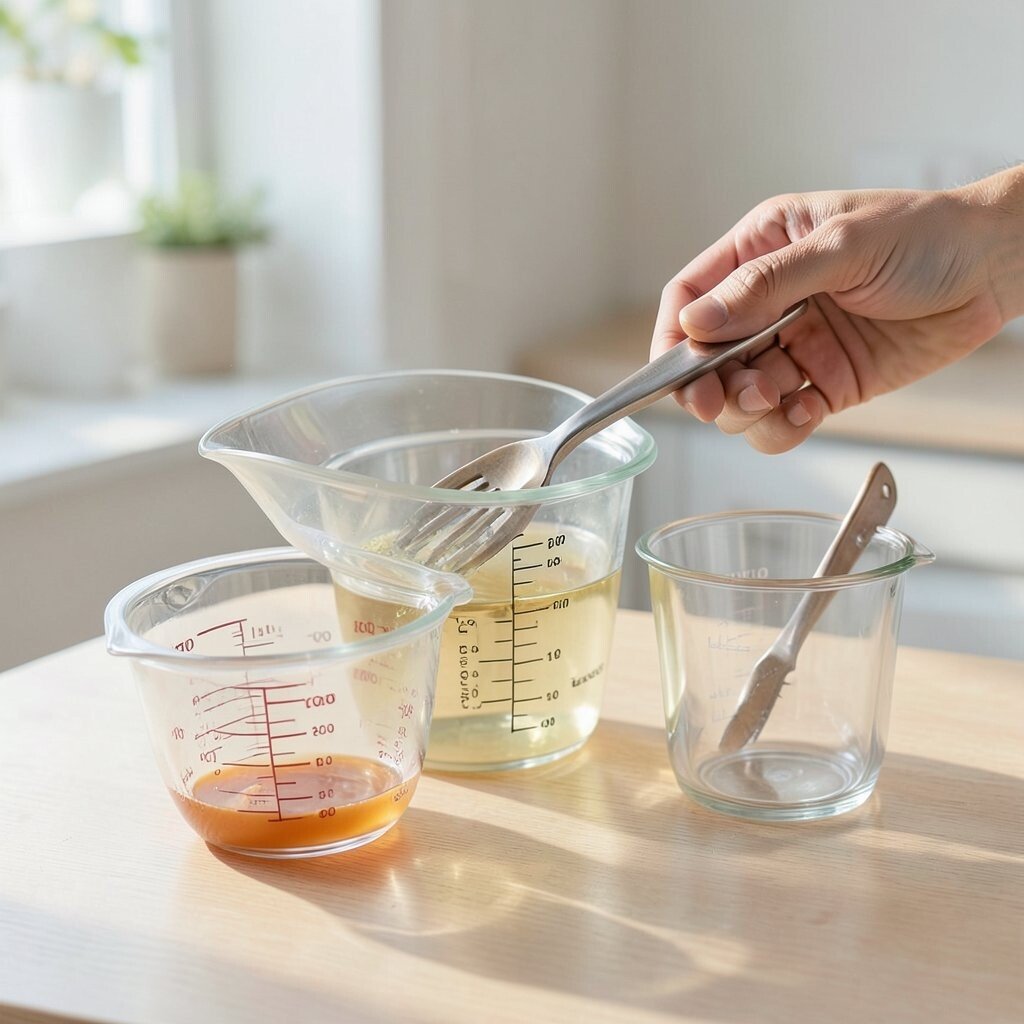
Hinged measuring cups can fold or pivot to make measuring and pouring feel easier. With one-hand control, you can free your other hand for a bowl or whisk.
Look for designs that lock firmly in place so the volume doesn’t shift mid-pour. This type is especially handy for pouring into narrow containers like squeeze bottles or small jars. Practice once with water so you can learn the pour rhythm before tackling thicker ingredients.
For cost considerations, hinged sets may cost more, but they’re helpful if you cook often. If you’re building a kitchen kit for a new apartment, this is a practical upgrade. Trend-wise, ergonomic and convenience-focused tools are staying popular because they reduce friction during cooking.
13. Stackable Cup Rings for Organized Baking Prep
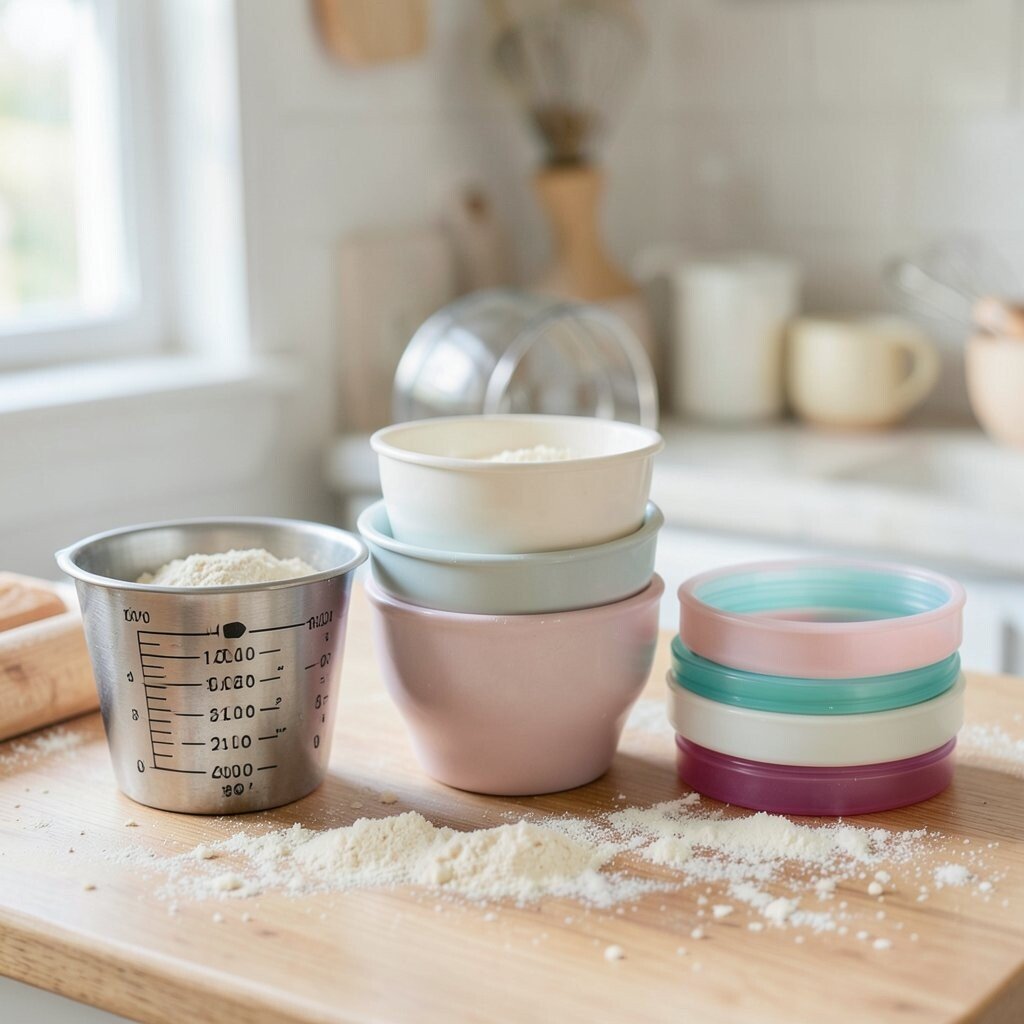
Some tools look like measuring cups, but they’re really organizers with measurement guidance. Cup rings can keep your ingredients grouped for each recipe step.
Use them when you pre-measure ingredients for baking, especially when you’re making pies or layered desserts. The visual system helps you avoid mix-ups, like adding baking soda twice or forgetting vanilla. Personalize your prep routine by setting rings out in the order you’ll use ingredients.
For a budget-friendly approach, you can make your own ring system using reusable labels and stored cup sizes together. If you buy a branded version, costs vary based on material and included accessories. This idea fits current kitchen trends that focus on organized workflows and “mise en place” habits.
14. Specialty Small Cups for Garnishes and Tiny Add-Ins
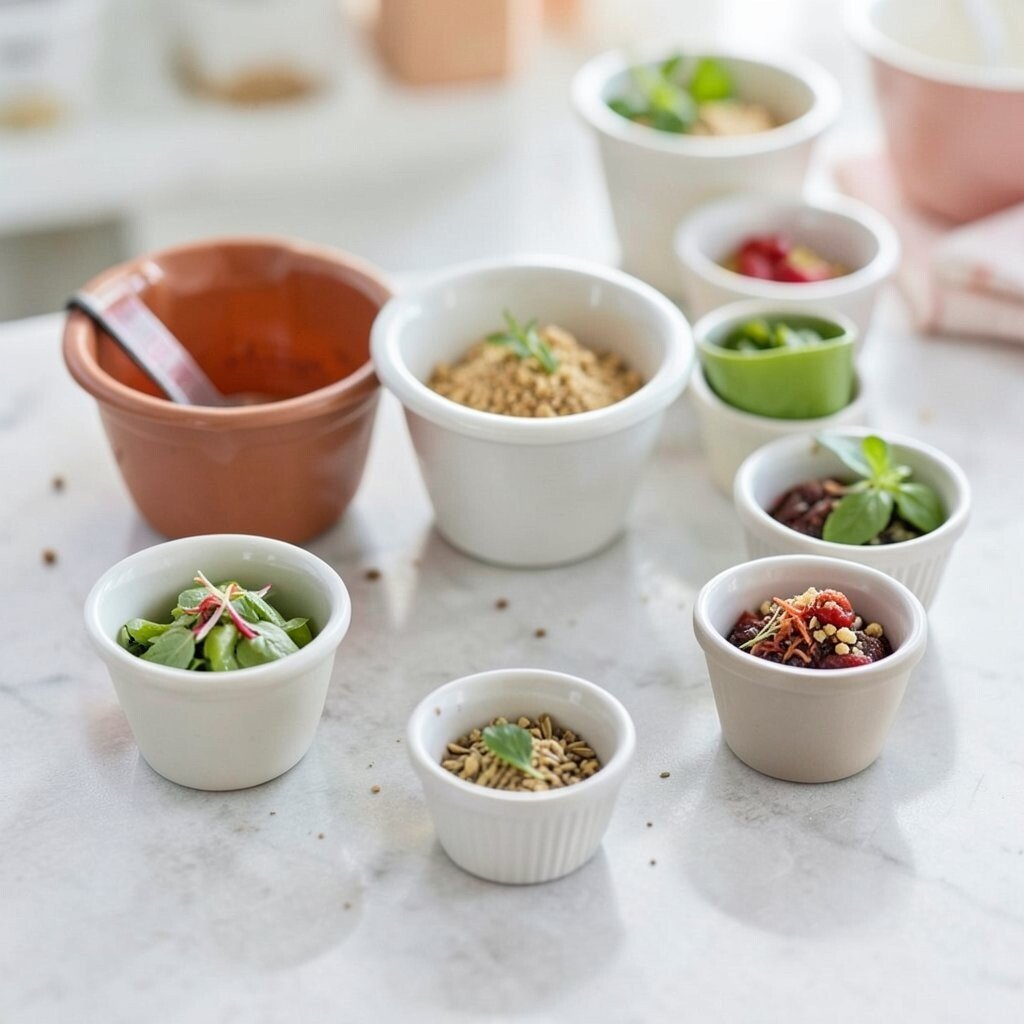
Not every recipe needs big cups, and tiny measurements matter more than you think. Small specialty cups help with things like zest, vanilla, and crushed spices.
When you pick small cups, prioritize exact markings and stable handles so you can measure confidently. Use them for toppings and add-ins where a little too much can change flavor balance. This is also a great way to portion sauces for lunchboxes without guesswork.
Cost can be lower if you only buy a small set instead of an entire cup collection. Personalize it by choosing cups that match your most common tiny measurements. Many cooks are leaning toward mini portioning tools for better flavor control and less waste.
15. Magnetic Measuring Cups That Stick to Your Fridge or Rail
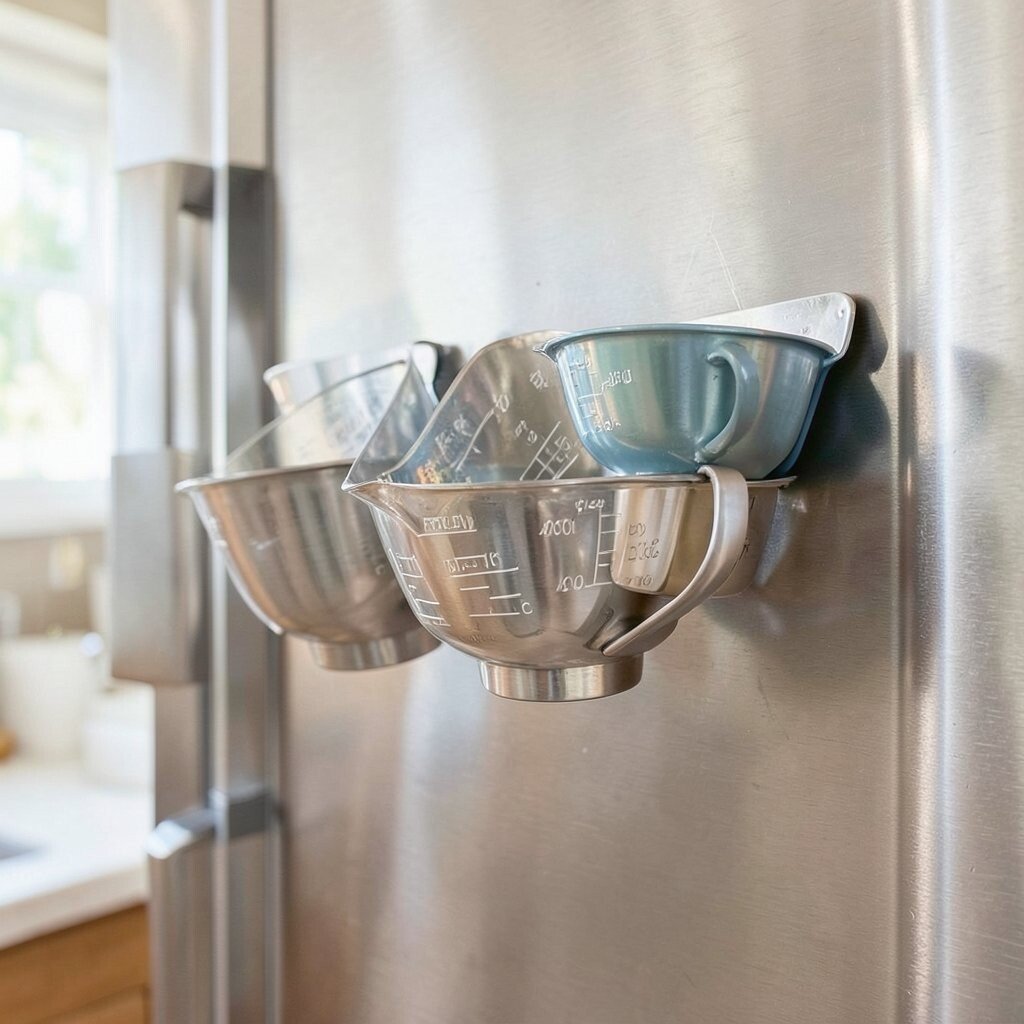
Magnetic measuring cups turn storage into a quick grab-and-go moment. When they’re visible and reachable, you measure more often and with less effort.
Choose magnets that hold firmly and won’t slip when bumped. If you live in a warm climate, make sure adhesive elements and magnets are rated for typical kitchen temperatures. Keep them on a rail if you want a more uniform look across the wall.
This idea is unique because it changes your kitchen setup, not just your tools. Costs can vary, but you may save money by reducing the need for extra storage gadgets. The current trend toward open, accessible kitchen storage makes this option feel right at home.
16. Measuring Cups That Double as Mixing Cups

Some cups are shaped so they’re comfortable for stirring and mixing, not only measuring. When you can mix right in the cup, cleanup gets easier.
Look for cups with a wide enough opening and a smooth interior that won’t trap batter. This works well for dressings, marinades, and quick glaze ingredients. For accuracy, measure first, then stir without scraping too aggressively around the markings.
If you’re cost-conscious, a cup that performs two jobs can replace another small bowl. Personalize this by labeling which cup sizes you use most for sauces or quick mixes. With the trend toward less dishwashing and more streamlined prep, these multitask cups fit perfectly.
To keep them in top shape, rinse soon after use and avoid letting sticky syrups dry inside. A quick soak makes the next measurement session feel effortless. Over time, you’ll appreciate how much smoother cooking becomes.
17. Collapsible Cups for Travel, Camping, and Small Storage
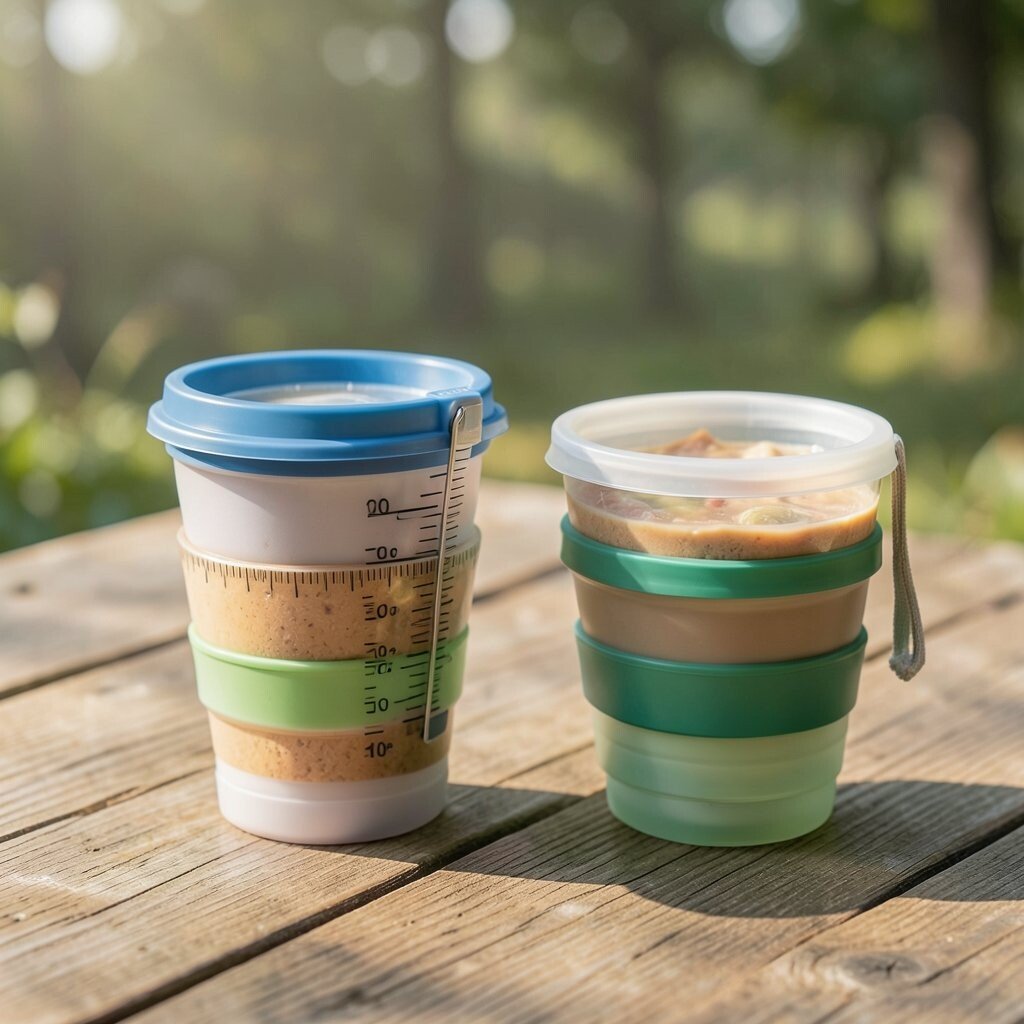
Collapsible measuring cups are a lifesaver when you’re traveling or keeping a small emergency cooking kit. They fold down for packing without turning into bulky gear.
Choose cups that fold into a sturdy shape and include readable measurements. For camping, practice with dry ingredients first so you learn how the cup levels once packed. In tight kitchens, this style can also work when you don’t have space for a full set.
Cost-wise, collapsible cups vary, but many are a good value because they replace multiple tools for small spaces. Personalize your kit by pairing collapsible cups with a compact spoon set. Trend-wise, people keep more versatile tools now because everyday life includes cooking on the go.