Sharp lines and bold shapes can make a room feel instantly awake. When geometry is used kindly, it turns everyday corners into creative stages.
Here are modern patterns you can use to bring energy, order, and personality into your space.
-
1. Monochrome Grid Walls
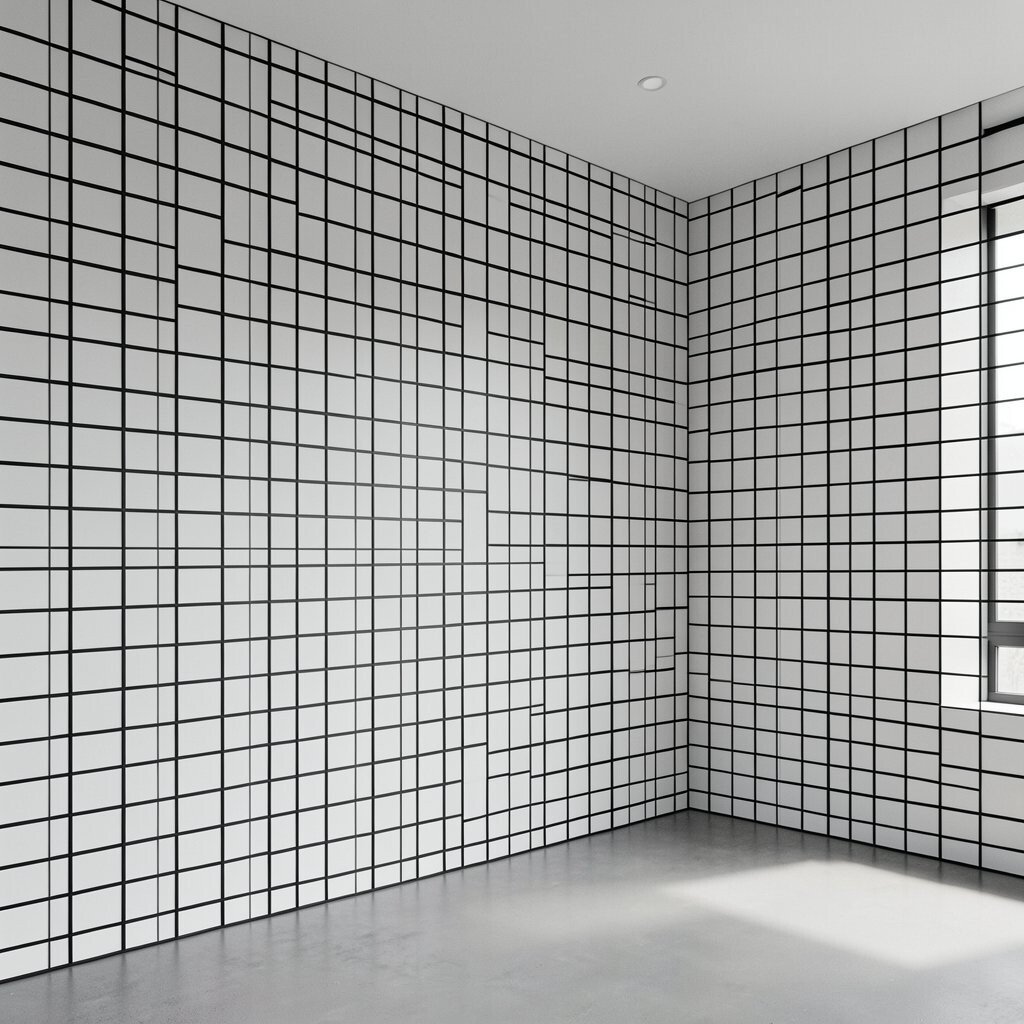
Monochrome Grid Walls A grid wall looks crisp and calm, like graph paper for adults. You’ll see neat rectangles or squares lining up around art, shelves, or a desk.
It helps your eyes find balance, so busy spaces feel more organized. For a creative studio, it can also make planning boards and pinned ideas feel extra tidy.
To personalize it, choose grid spacing that matches your room size and your habits. Paint a light gray grid on a warm white wall, or use peel-and-stick vinyl for a quick upgrade.
-
2. Soft Hexagon Honeycombs
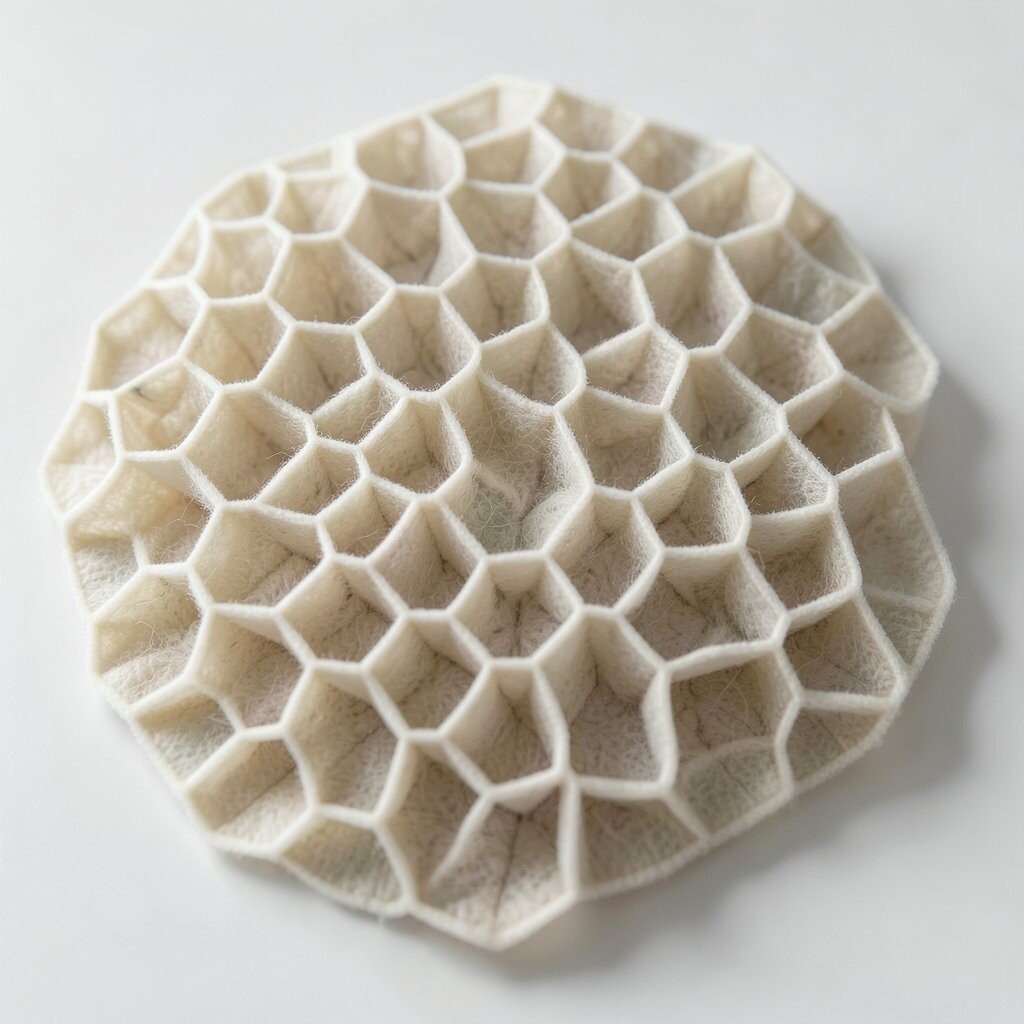
Soft Hexagon Honeycombs Hexagons bring a gentle, modern rhythm that feels friendly instead of strict. Think of a honeycomb pattern in soft creams, blush tones, and muted sage.
This pattern adds visual interest without shouting, which is great for focus-heavy areas. It can also support better layout ideas, since hex shapes naturally fit around objects.
Try a removable wallpaper panel behind a chair or coffee station. If you want lower cost, use small hex tiles in a single accent band rather than covering every inch.
-
3. Bold Chevron Direction Lines
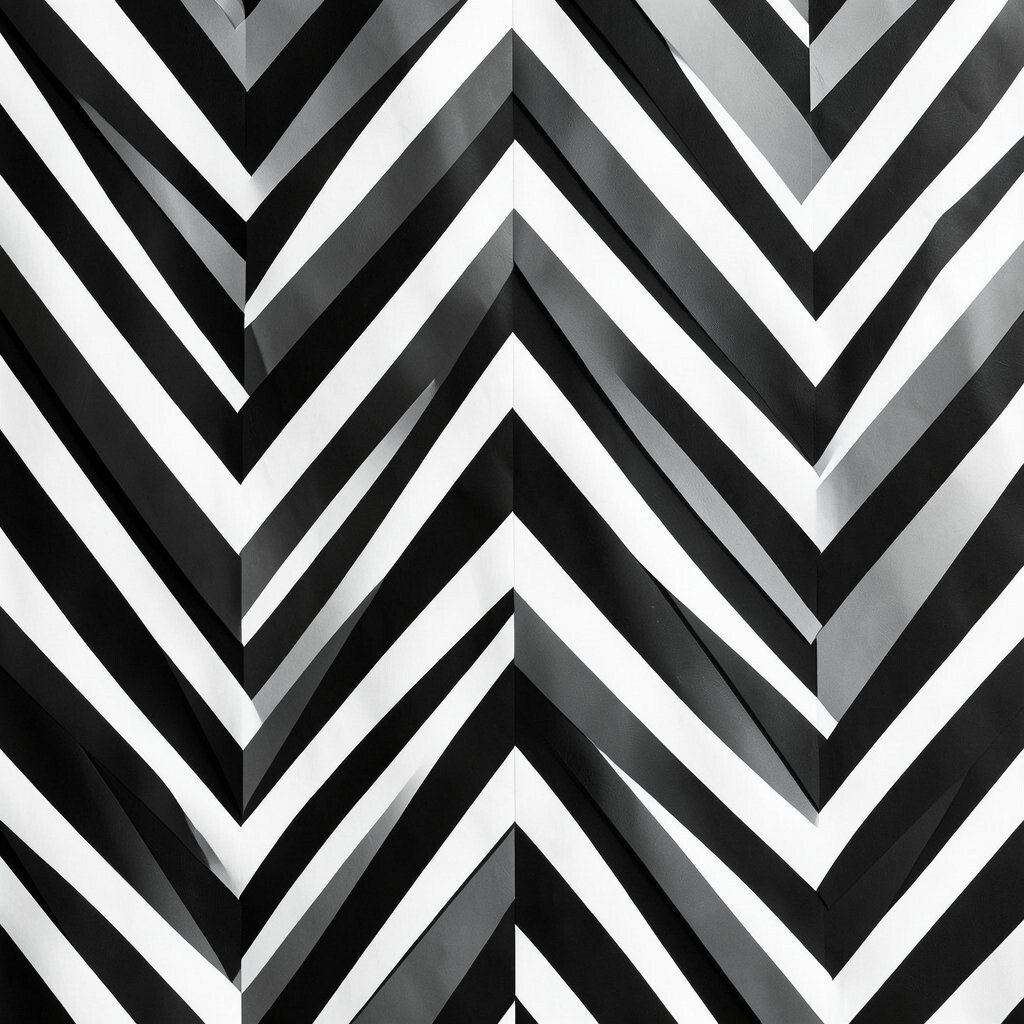
Bold Chevron Direction Lines Chevron patterns use angled stripes to guide the eye like a subtle arrow. In a living room, they can make a plain wall feel stylish and dynamic.
You’ll get movement and energy, which is perfect for brainstorming zones. Plus, the diagonal lines can make a narrow room feel wider.
For personalization, pick one accent color, then repeat it across a base of neutral paint. Start with a smaller rug or curtain panel if you want the look without a big commitment.
Many people are using chevrons again in modern spaces because they look graphic, not old-fashioned. Choose matte finishes for a calm vibe, or use glossy paint for a bold, creative pop.
-
4. Art Deco Fan Geometry
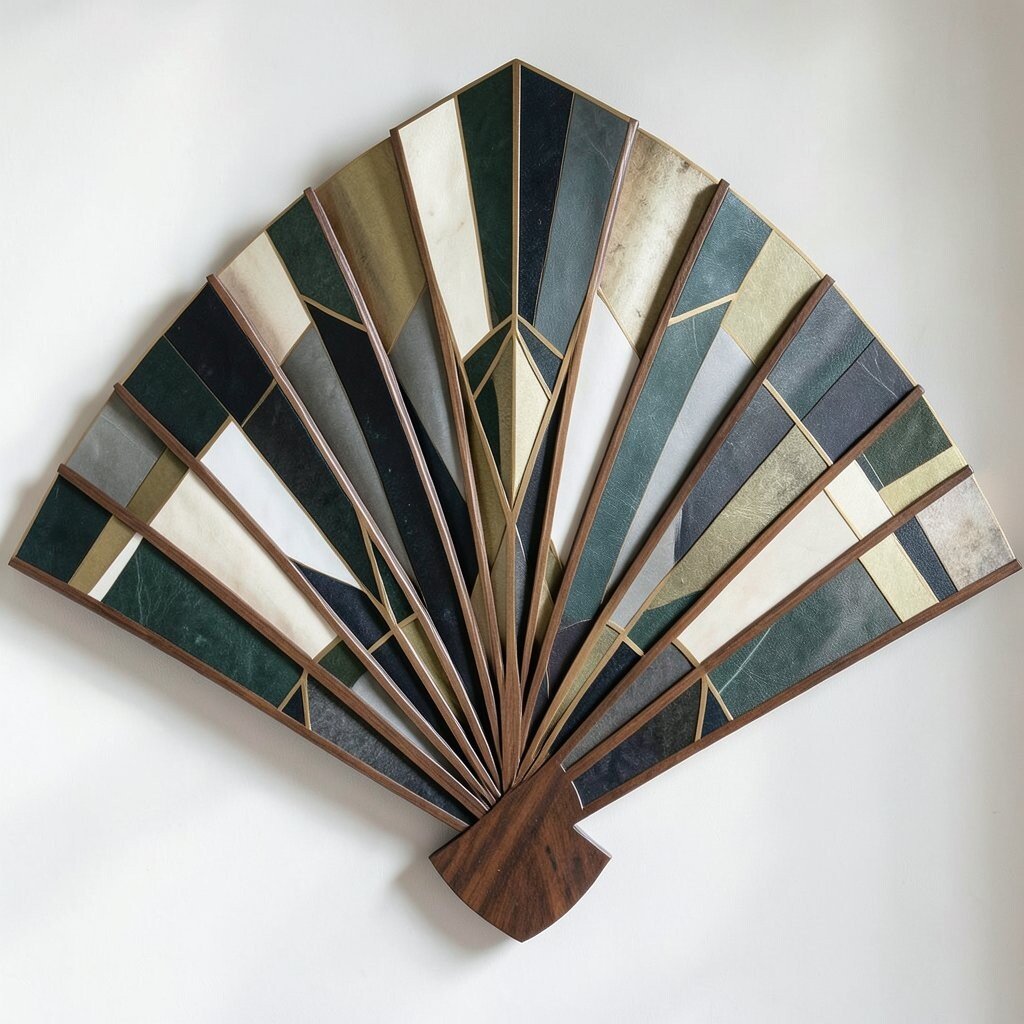
Art Deco Fan Geometry Fan-shaped rays look like elegant waves frozen in time. You might see them around mirrors, wallpaper corners, or framed wall art.
This pattern makes a space feel special and curated, even if you keep furniture simple. It also works well for entryways, where you want a first impression with personality.
To personalize it, choose a color story that matches your mood: gold and cream for warmth, or black and white for a sleek look. Consider using decals around a mirror instead of full wallpaper, which helps with cost.
-
5. Layered Triangles in Gradients
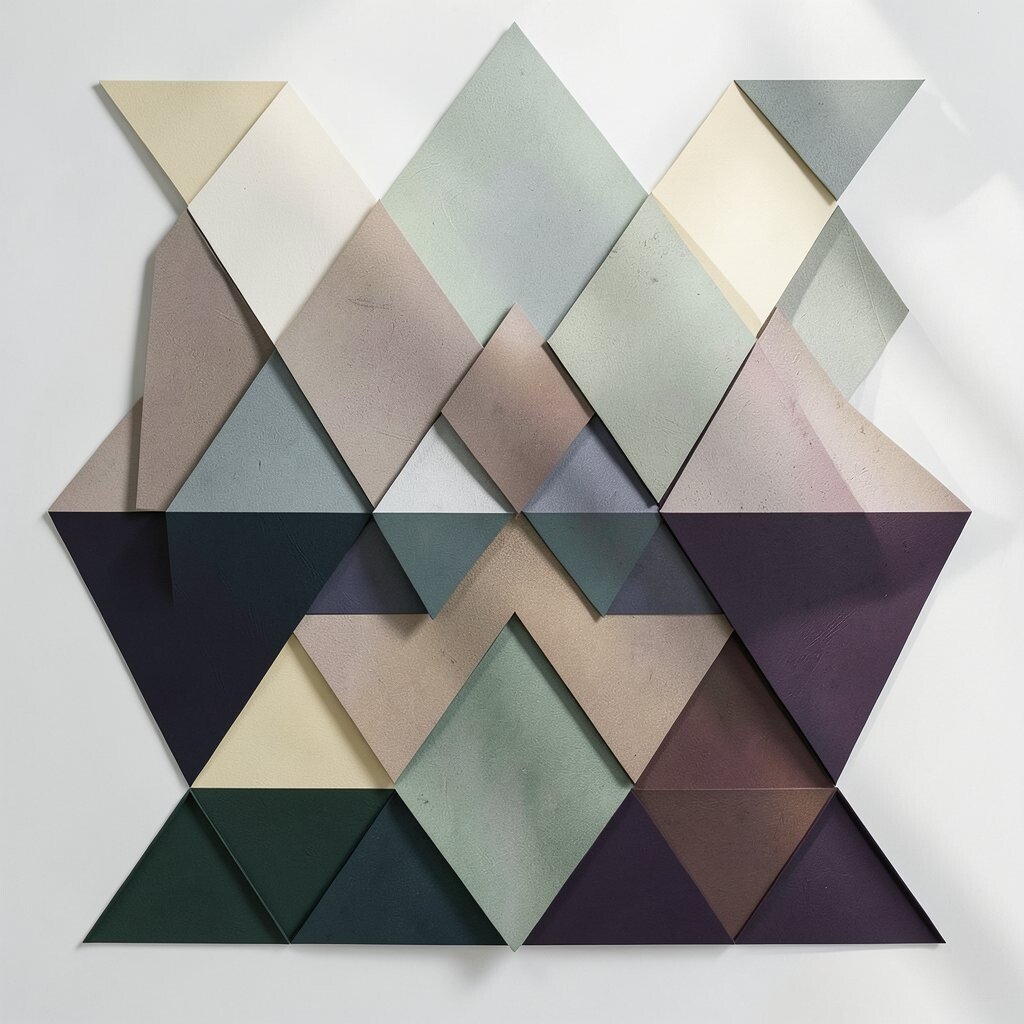
Layered Triangles in Gradients Triangle patterns can look playful or powerful depending on color. A gradient version uses triangles that shift from light to dark, like a sunrise made of shapes.
This gives your room depth, so it feels richer even when it’s minimal. It also helps focus because the shapes lead the eye gently across the design.
Try placing the pattern behind a desk so your brain feels “guided.” For personalization, blend colors from your existing decor—one warm, one neutral, one bold.
If you’re watching your budget, paint an accent wall with a stencil set. Stencils usually cost less than full custom wallpaper, and they can be reused for future projects.
-
6. Circular Ropes and Ring Walls
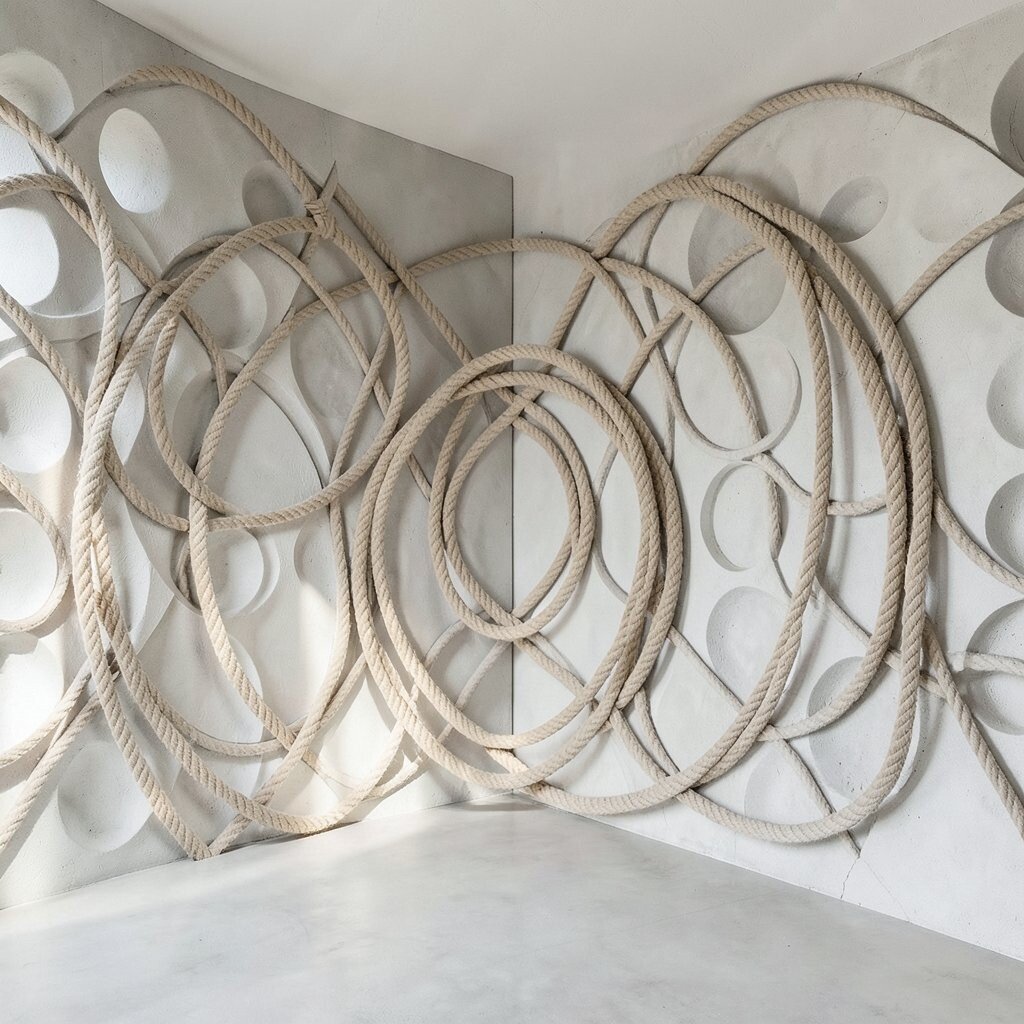
Circular Ropes and Ring Walls Round geometry softens sharp corners and makes spaces feel friendly. Imagine ropes of thin lines forming overlapping rings on a feature wall.
These circular patterns add flow, which is great for areas where you relax and reset. They can also create a “center point,” making art placement feel easier.
Personalize it by choosing ring sizes that match your wall height. Use a single dark ring over a light background for a modern look, or cluster smaller rings around shelving.
For cost considerations, consider painting a single ring and then adding simple line art in coordinating colors. Craft stores often sell affordable ring stencils and large-format adhesive sheets.
-
7. Penrose-Style Impossible Lines
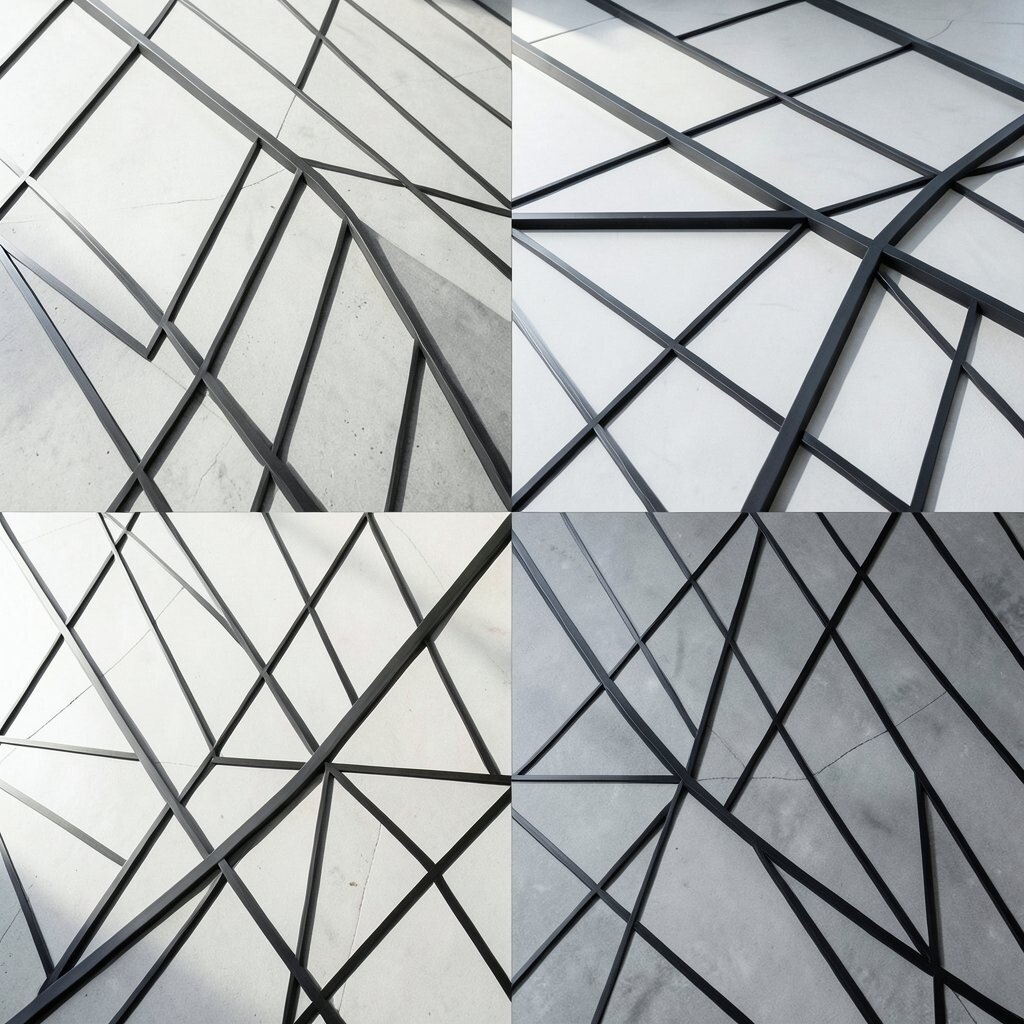
Penrose-Style Impossible Lines Impossible geometry is like a visual puzzle that sparks curiosity. You’ll see lines that seem to bend in ways your brain can’t fully hold.
This pattern is unique and great for creative spaces that encourage ideas. It also acts like conversation art, which can feel fun in shared studios or home offices.
To keep it practical, use it as a single mural behind a desk or as a framed print near a creative corner. You can also choose a calmer color palette, like charcoal and cream, so it doesn’t overwhelm.
One trend today is “mind-bending” wall art that still looks clean. If you’re aiming for modern style, pick a limited number of colors and keep the background simple.
-
8. Patterned Tile Stair Steps
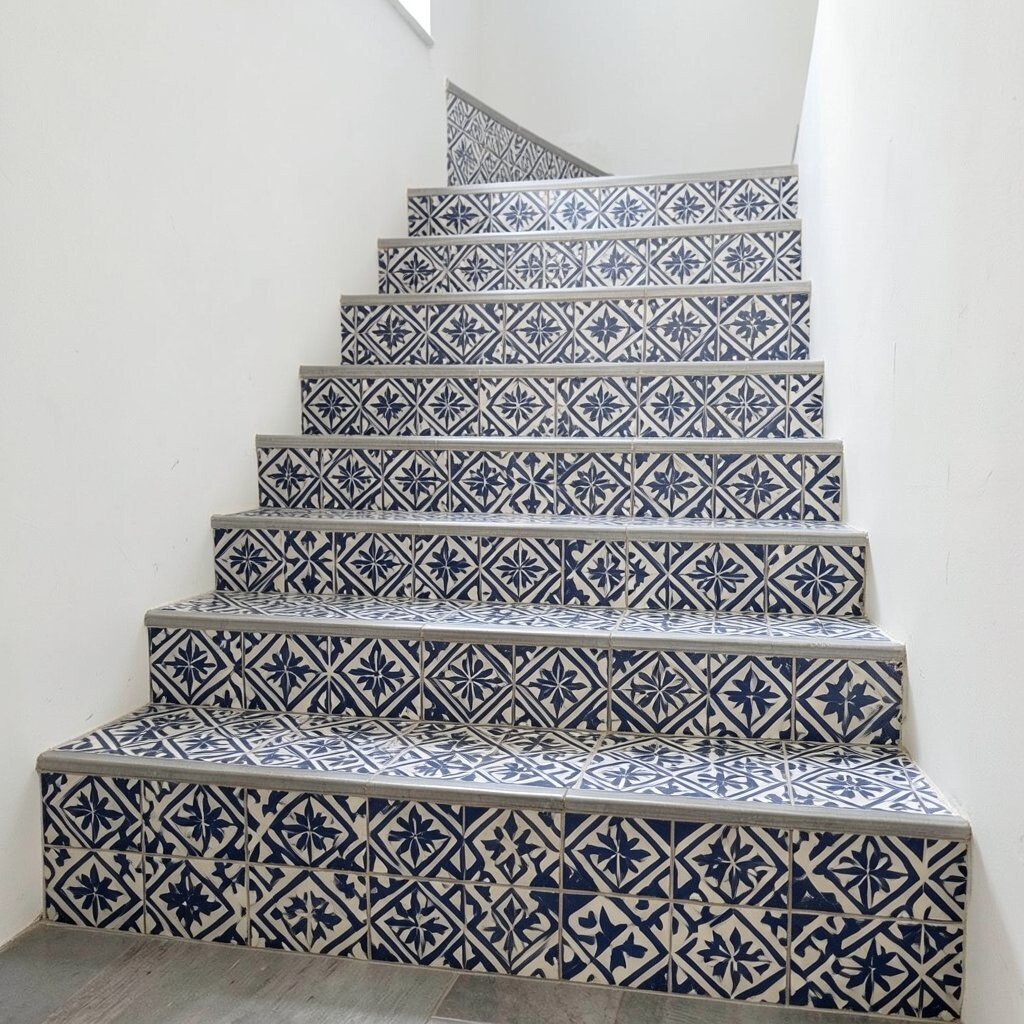
Patterned Tile Stair Steps Geometric tile on steps turns a hallway into a mini gallery. Even a narrow staircase can feel stylish when each tread holds a crisp pattern.
This adds safety through grip patterns and also makes the space more interesting every day. You’ll get a clear visual rhythm that helps people move confidently.
Personalize your stairs with a repeating motif, like small squares or tiny diamonds. If full tile is too costly, use removable stair tread covers with geometric prints.
Many people are choosing durable, low-maintenance designs now because floors get heavy use. Look for materials that resist scuffs, and keep the color palette consistent with your hallway paint.
-
9. Stacked Square Shadow Illusions
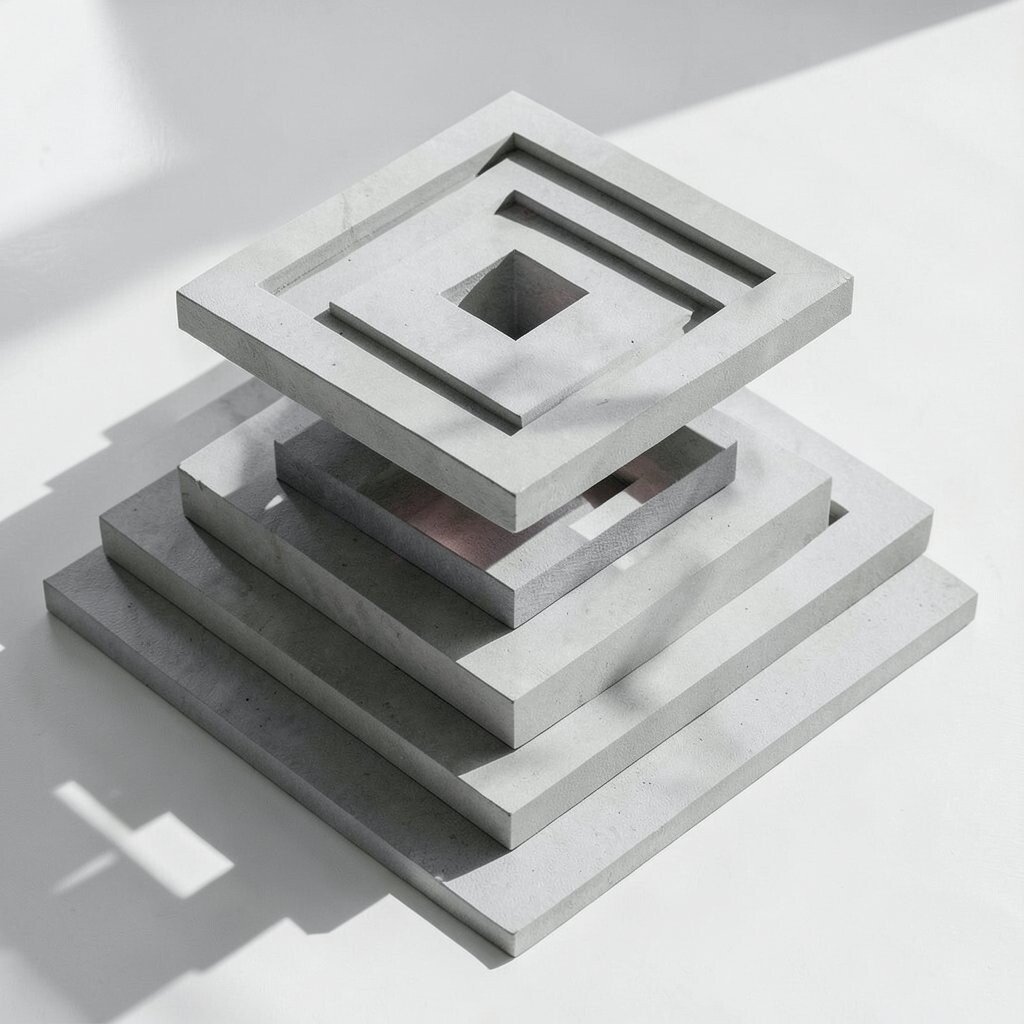
Stacked Square Shadow Illusions Stacked squares create a modern “shadow” effect that feels bold but still neat. Think of squares layered like a staircase, with each layer slightly offset.
This pattern adds depth and makes a flat wall look dimensional. It’s a strong choice for creative studios because it frames your work without taking over.
To personalize it, choose one accent color and repeat it through multiple shades. You can paint one panel in the center of the wall and let the rest stay calm.
For cost considerations, use painter’s tape to map the shapes instead of buying expensive mural tools. Tape is cheap, flexible, and great for clean edges.
-
10. Wavy Op Art Lines
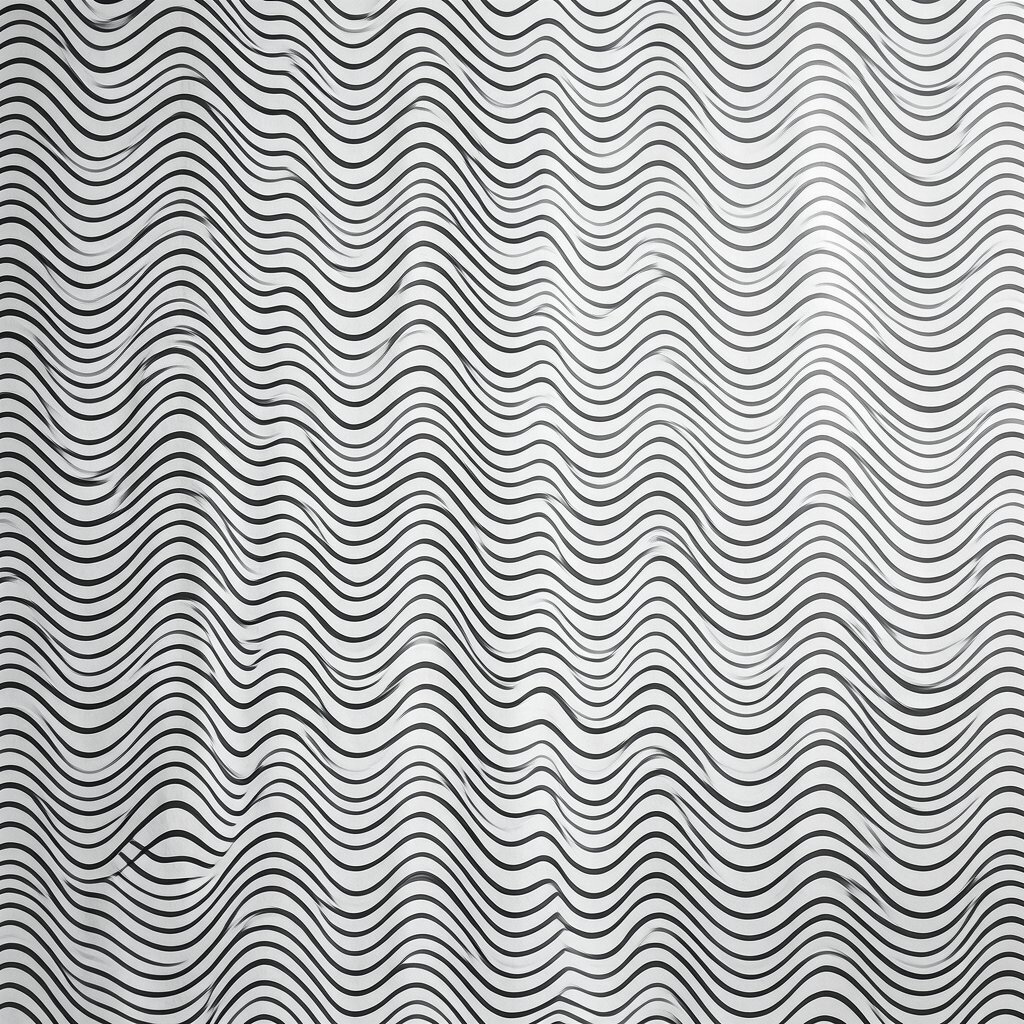
Wavy Op Art Lines Op art uses optical tricks that make lines feel like they move. Wavy bands can stretch, ripple, and “hover” against a plain background.
This pattern energizes a room and adds fun, especially in maker spaces. It can also help your eyes rest by giving them something rhythmic to follow.
Try it on a single side wall, behind a craft table, or on the inside of a closet door. For personalization, choose colors that match your supplies—soft white plus one bright accent looks great.
-
11. Minimalist Diagonal Tile Bands
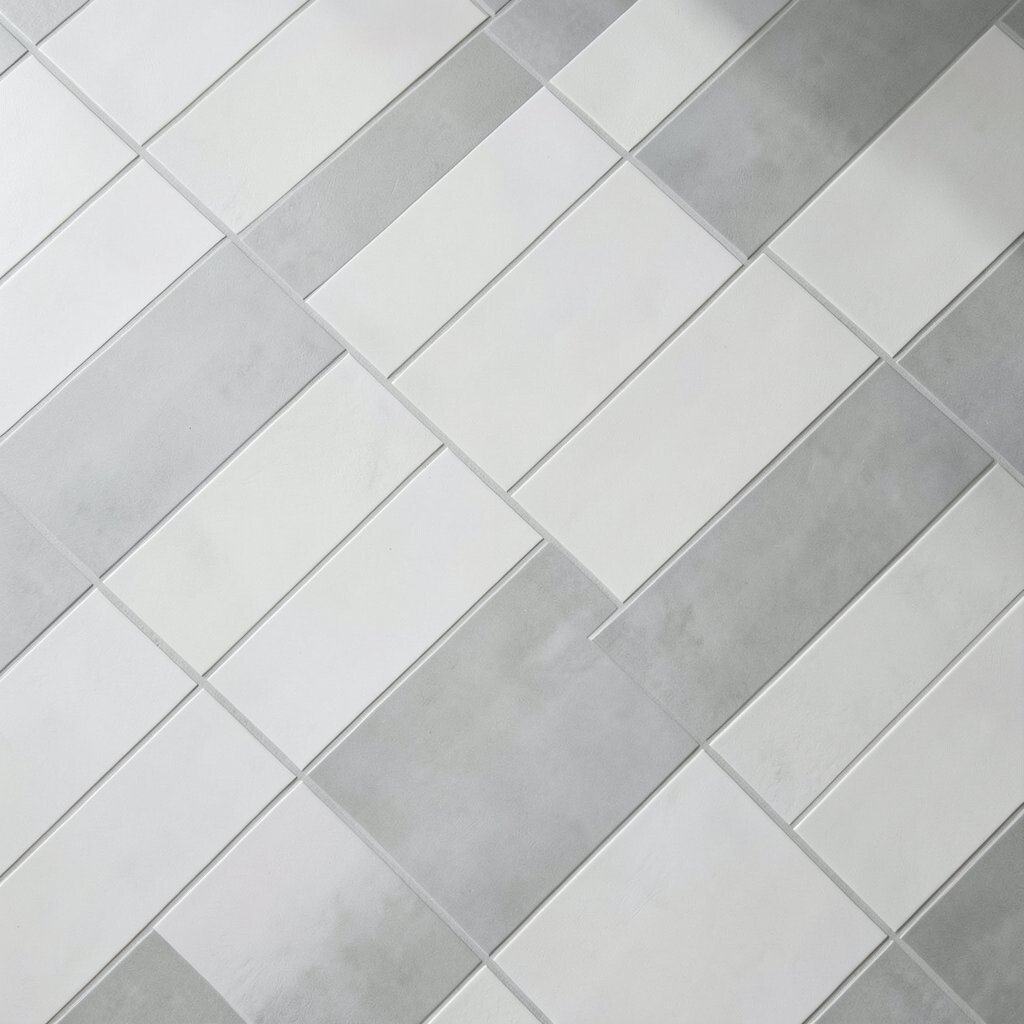
Minimalist Diagonal Tile Bands Diagonal bands of small tiles look clean and modern. They feel like a design border, especially when they run around a room or along a counter edge.
You get structure and a polished look without covering everything. This can be a smart option in kitchens, bathrooms, or creative work areas where you want easy cleaning.
To personalize, pick a band width that matches the space. A thin diagonal band feels subtle, while a thicker band looks more dramatic.
For cost, consider using peel-and-stick tile for a backsplash strip. It’s often cheaper than full tile, and you can change it later if your style shifts.
-
12. Geometric Prism Accents
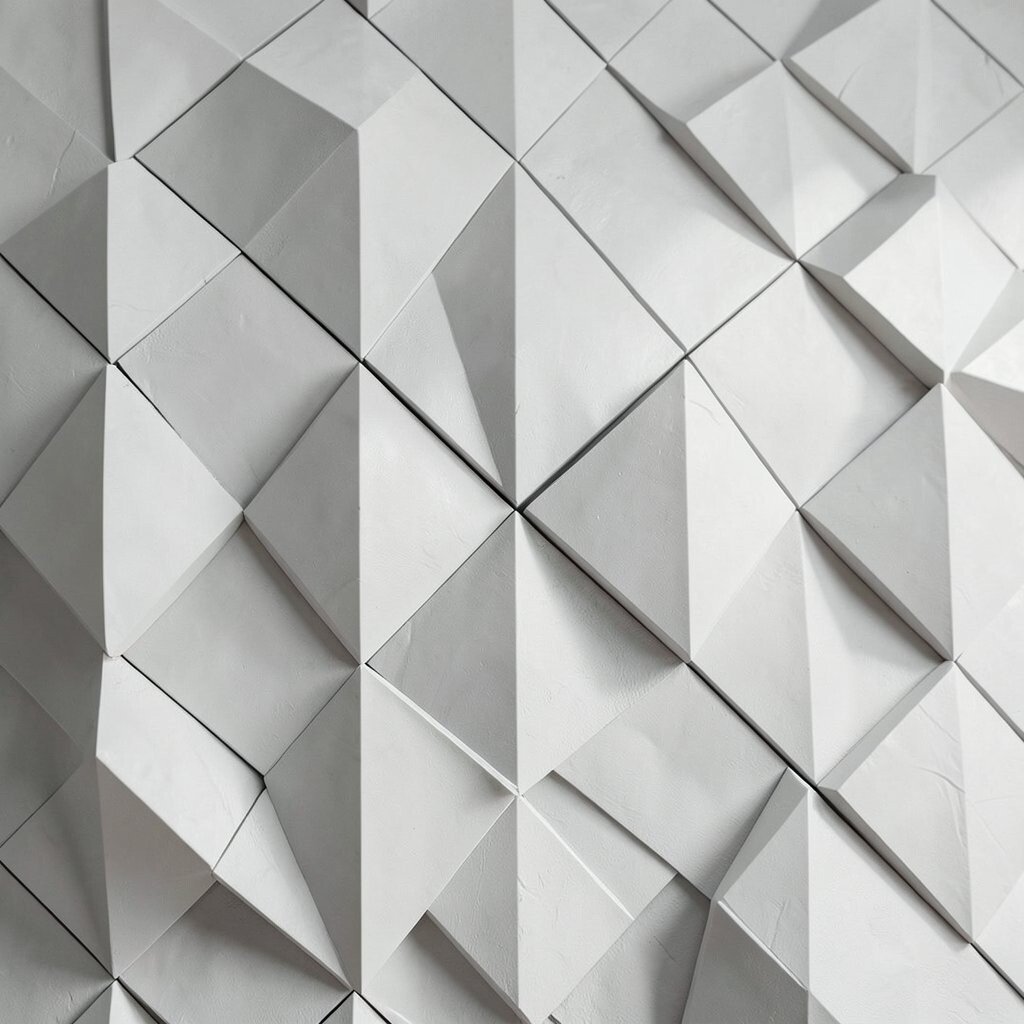
Geometric Prism Accents Prism shapes are like little glass towers made of triangles and angled blocks. They can show up in wall decals, art prints, or framed collage layouts.
This pattern feels fresh and unique, especially when you use transparent or semi-matte colors. It can also add a “spark” near light sources like lamps.
Personalize it by mixing two or three prisms only, then leaving space around them. That breathing room keeps it modern and prevents visual clutter.
-
13. Modular Mosaic Patchwork
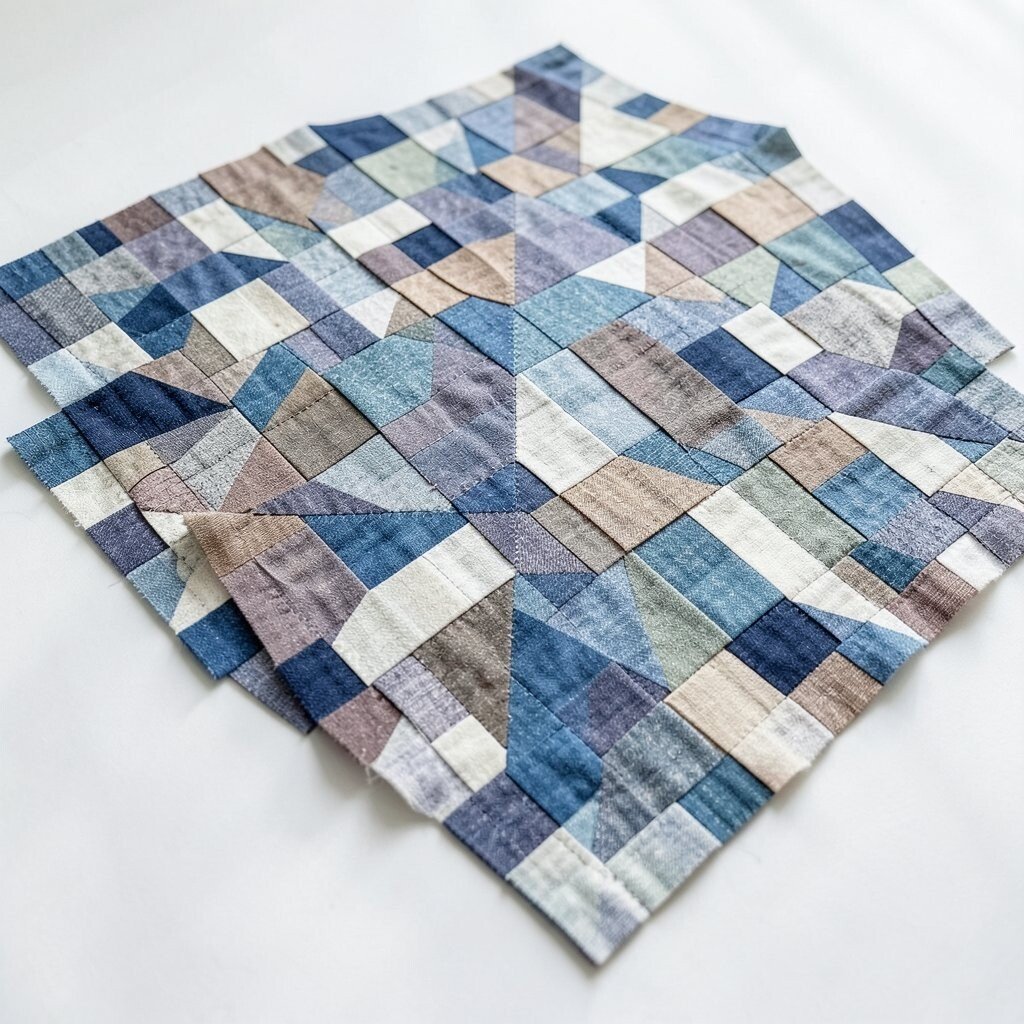
Modular Mosaic Patchwork Modular mosaic looks like a tidy patchwork quilt made from geometric pieces. Squares, rectangles, and tiny angled tiles can combine into one calm picture.
It’s great for creating a focal point where you display art, plants, or a creative corner. The pattern also hides small imperfections, which is useful in real homes.
To personalize, choose a theme like “ocean blues” or “sunset warms,” then keep shapes consistent. If you want a budget-friendly plan, start with a small mosaic panel and expand only if you love it.
Current trends often favor modular looks because they feel customizable. You can build the design around the sizes you find in craft stores or tile outlets.
-
14. Layered Lattice and Corner Frames
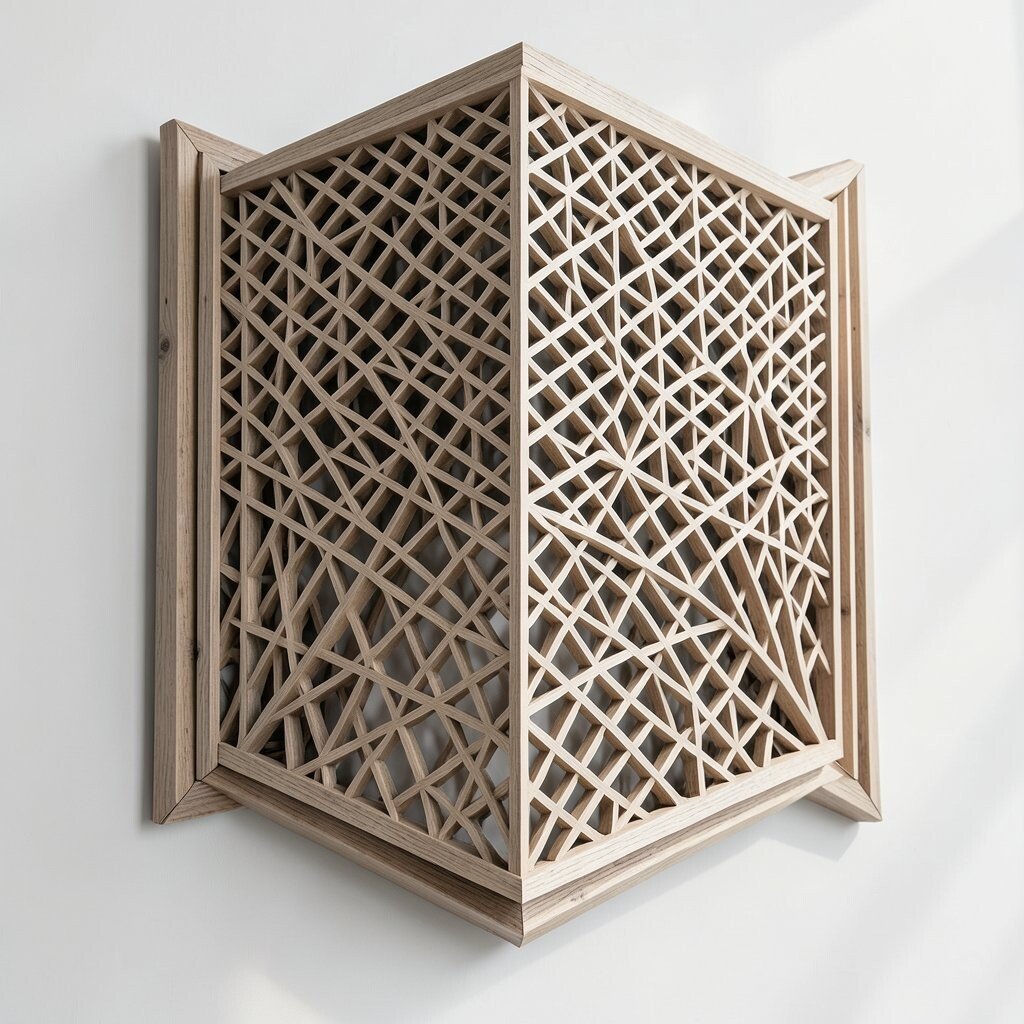
Layered Lattice and Corner Frames Lattice patterns bring a classic feel, but modern versions use cleaner lines and simple spacing. You’ll often see it as corner framing around mirrors or as a background behind artwork.
This pattern adds structure and makes items look thoughtfully placed. It’s also excellent for small rooms because open lines reduce visual heaviness.
To personalize, choose lattice color that echoes your furniture tone. Use it around a gallery wall to “tie together” prints and photos without adding more clutter.
For cost considerations, try lightweight wood lattice panels or slim metal lattice sheets. These options can be less expensive than full wall treatments and are easy to replace.
-
15. Modern Scribble Geometry (Controlled Chaos)
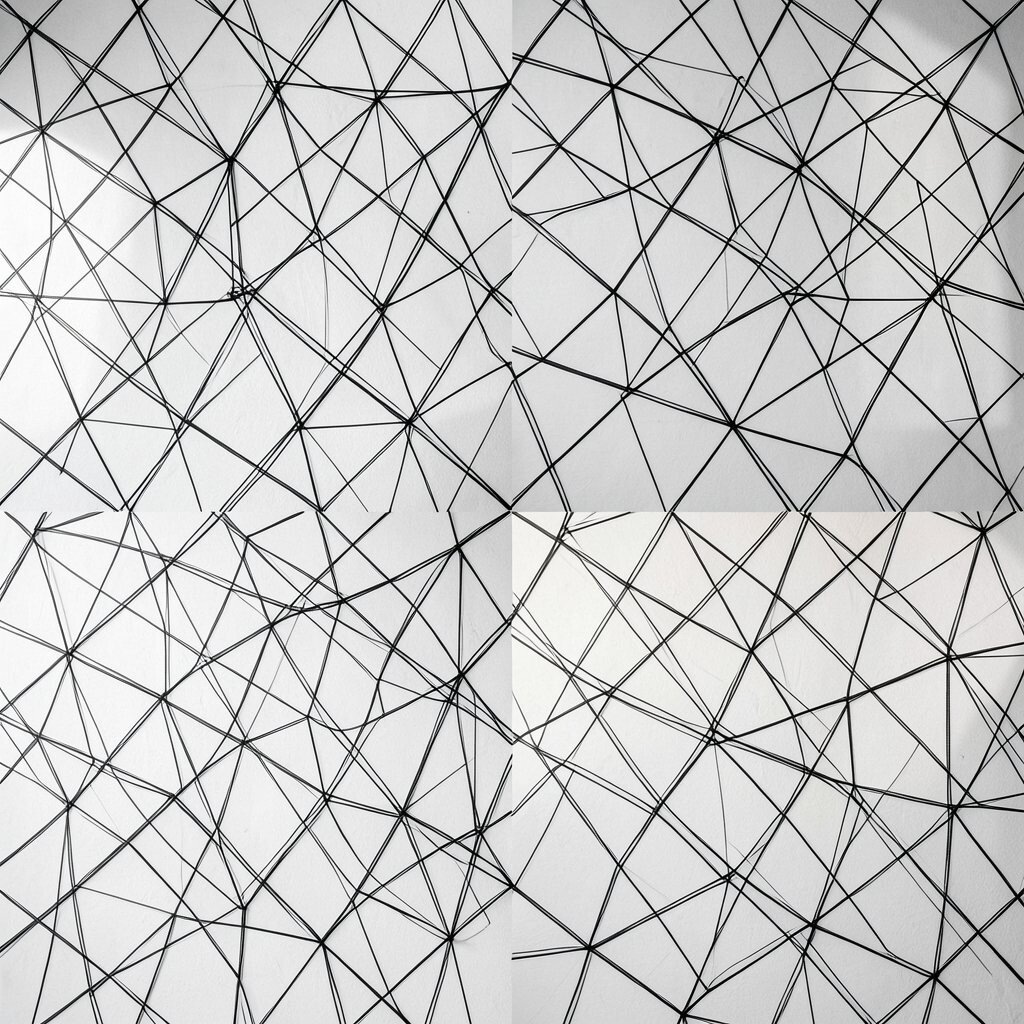
Modern Scribble Geometry (Controlled Chaos) This pattern mixes sharp geometry with playful, hand-drawn energy. Imagine triangles and circles outlined with slightly wiggly lines, like a sketch that learned to behave.
It’s unique, fun, and perfect for creative spaces that need imagination. The look keeps a room lively while still giving structure through the geometric framework.
Personalize it by turning your own sketches into a design. You can scan a few doodles, then use them to create a custom print, or you can paint a small section by hand with a steady pencil.