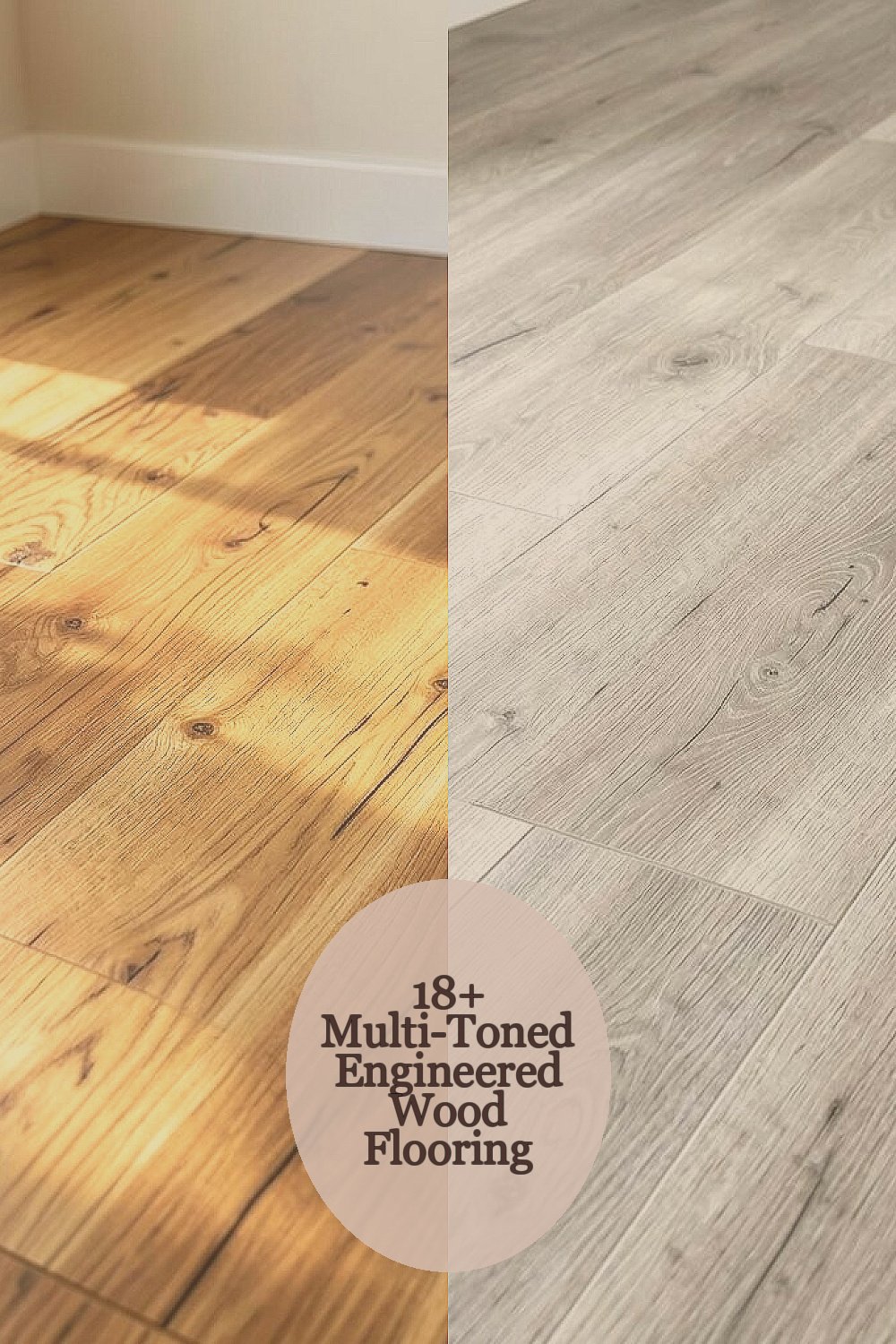
Warm floors can feel like wearable art for your home. Multi-toned engineered wood adds movement, depth, and personality.
1. Sunlit Walnut With Honey Veins
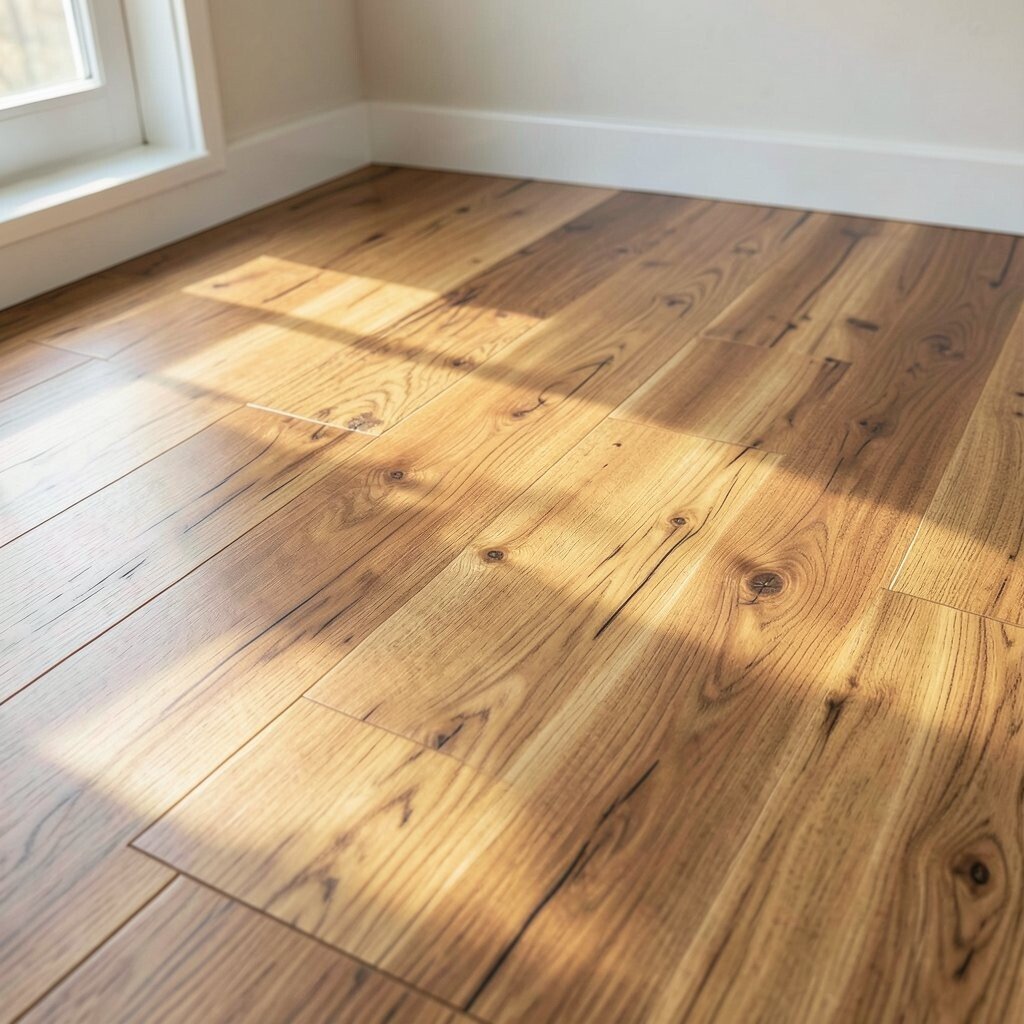
This look mixes deep walnut boards with lighter honey streaks that catch the light. In a room, the floor seems to glow along the grain, especially near windows.
It is a great choice if you want richness without making the space too heavy. Engineered wood also helps with stability, which can be helpful in busy homes.
For personalization, try pairing it with cream walls and brass light fixtures so the honey tones pop. When you plan your budget, remember that quality wear layers often cost more upfront but can last longer.
2. Coastal Driftwood With Soft Gray Shading
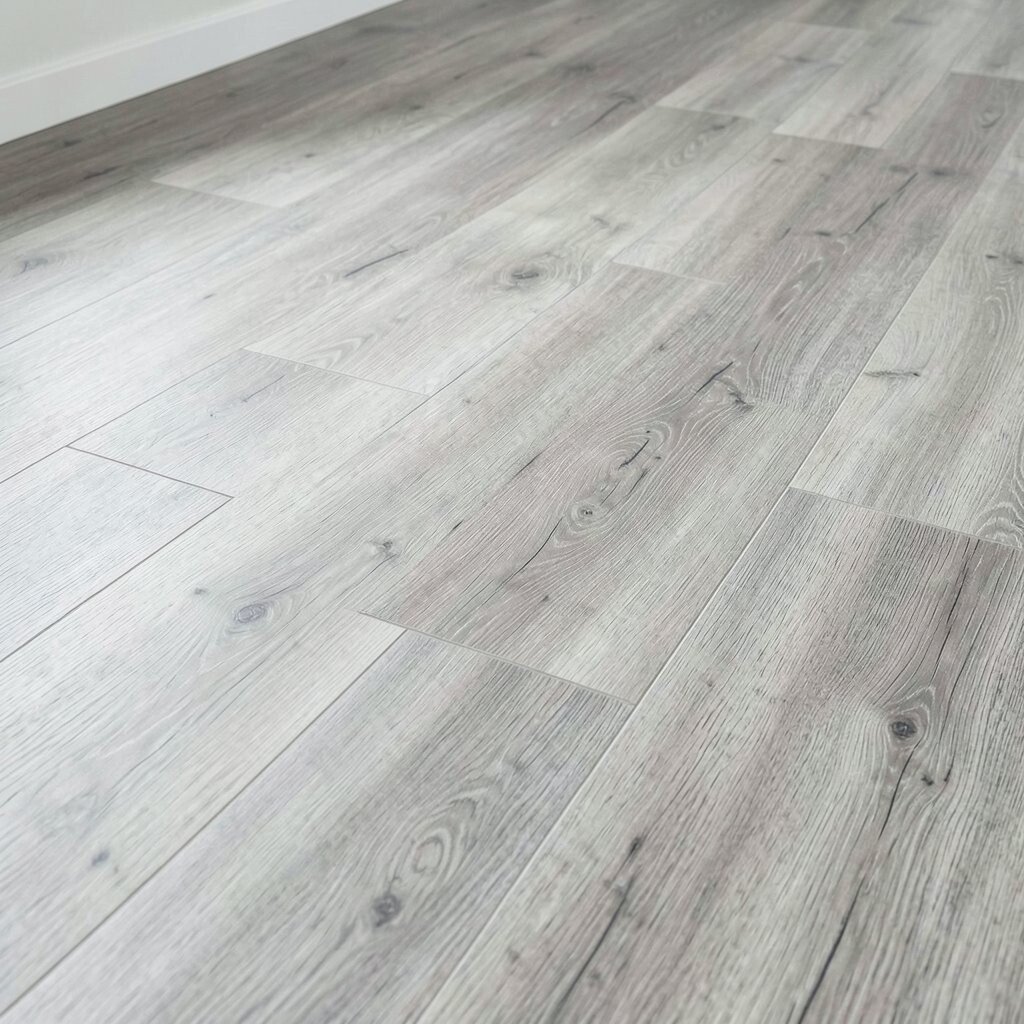
Driftwood-style boards show gentle gray-brown gradients that feel calm and airy. The surface can look subtly weathered, like beach sand after the waves move on.
This flooring can make small rooms feel bigger and brighter. It also blends well with modern furniture, farmhouse pieces, and airy textiles.
To make it yours, choose a matte finish and add light wood shelves for a relaxed coastal vibe. If you are thinking about cost, compare installation options and ask about underlayment needs, since that can change the final price.
3. Three-Tone Oak With Varying Stain Depth
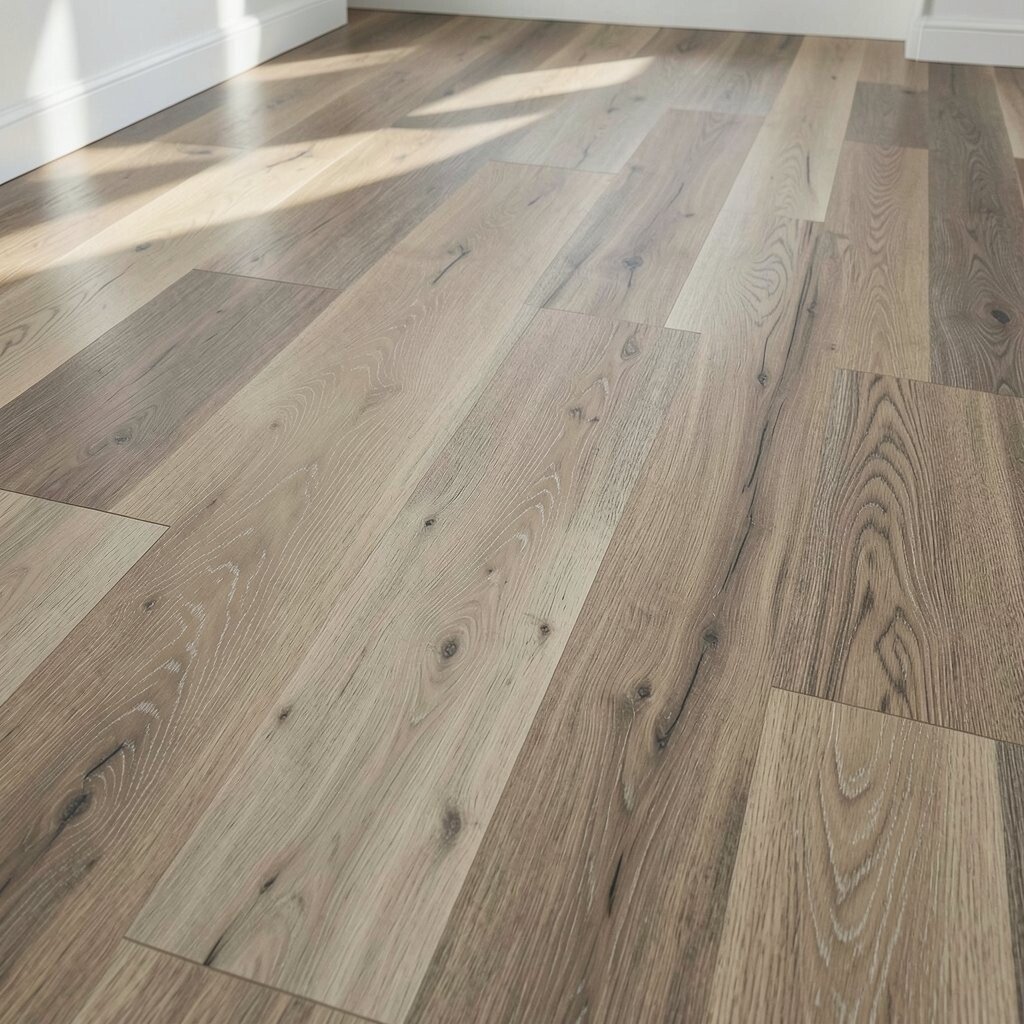
Instead of one stain, this design uses layered oak tones that shift from pale to medium to darker. The result looks like natural wood knots and sun-faded panels, all in one.
You get strong visual interest while still keeping a classic oak feel. That balance helps the floor stay timeless even when your decor changes.
Try matching it with black accents like slim window frames or a dark vanity for a crisp look. For spending wisely, set a target range for the wear layer and finish, then keep accessories simple so the main investment shines.
A current trend is using warm neutrals together, and this floor fits right into that style.
4. Espresso Base With Caramel Highlight Lines
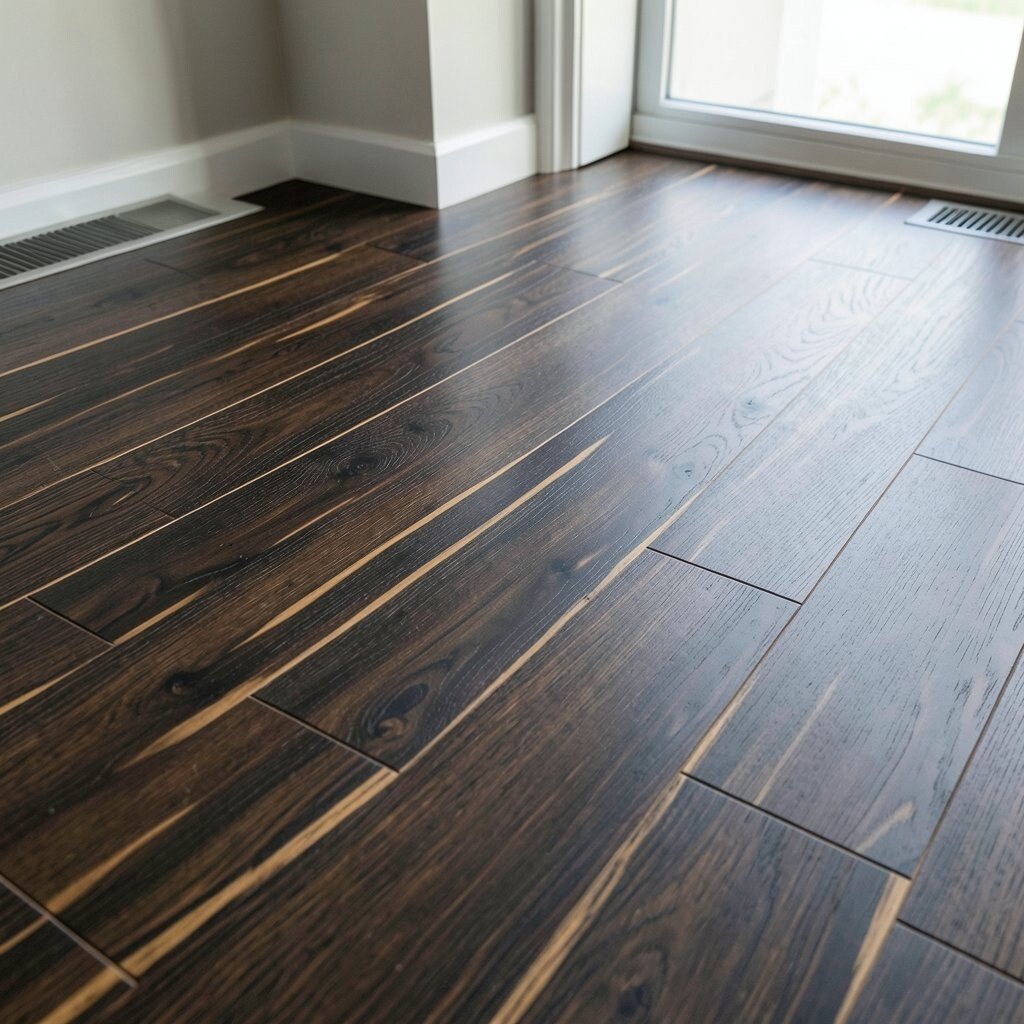
Imagine espresso planks with thin caramel lines that move across the grain like golden strokes. When you walk by, the highlight lines can make the floor look lively and dimensional.
This option can ground a room and still keep it playful. Because engineered wood is built in layers, it is often easier to manage in homes with changing humidity.
If you love bold style, pair it with cool gray walls and modern rugs with geometric patterns. Cost-wise, look for a wear layer thickness that matches how much your family foot traffic needs.
For extra personalization, use floor vents, transitions, and matching baseboards in colors that echo the caramel tone.
5. Charcoal and Taupe Herringbone Panels
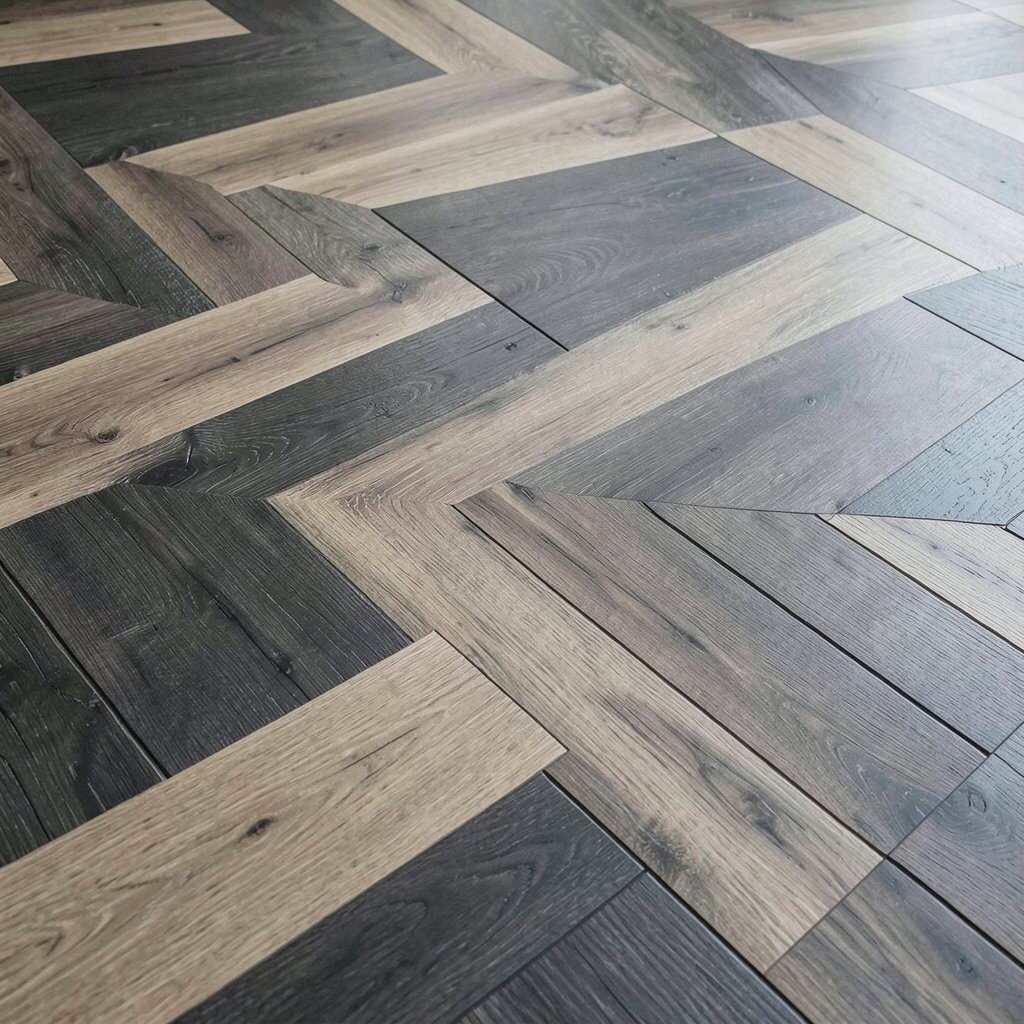
This design uses multi-toned planks arranged in a herringbone pattern. The charcoal and taupe shades create a zigzag rhythm that feels fancy but still cozy.
The benefit is instant style without needing extra decor. A patterned floor can also help hide small scratches when the color variation is well distributed.
Tip: pick a simple wall color so the floor remains the hero. When budgeting, remember that herringbone installations can take more labor than straight layouts, so plan ahead and get a detailed quote.
6. Vanilla Maple With Warm Cinnamon Flecks
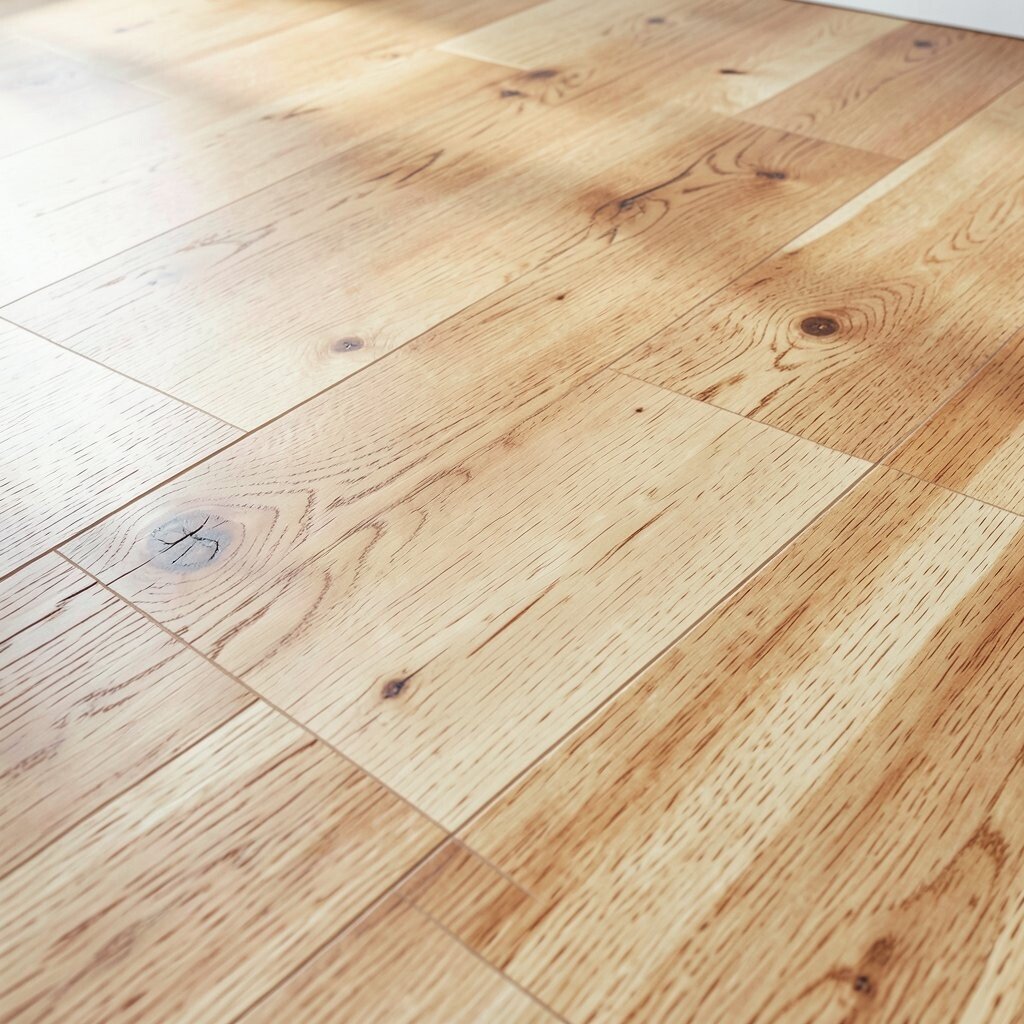
Vanilla maple looks light and friendly, but cinnamon flecks add hidden warmth. Up close, the tiny color shifts feel like wood that has lived a little.
This is an inviting option for kitchens, dining areas, and entryways. It can also pair nicely with colorful wall art because the base stays calm.
For personalization, add a patterned runner that repeats the cinnamon hint. Keep costs under control by choosing the right board width for your room layout, since fewer cuts can reduce waste.
7. Two-Stage Teak Look With Deep Antique Edges
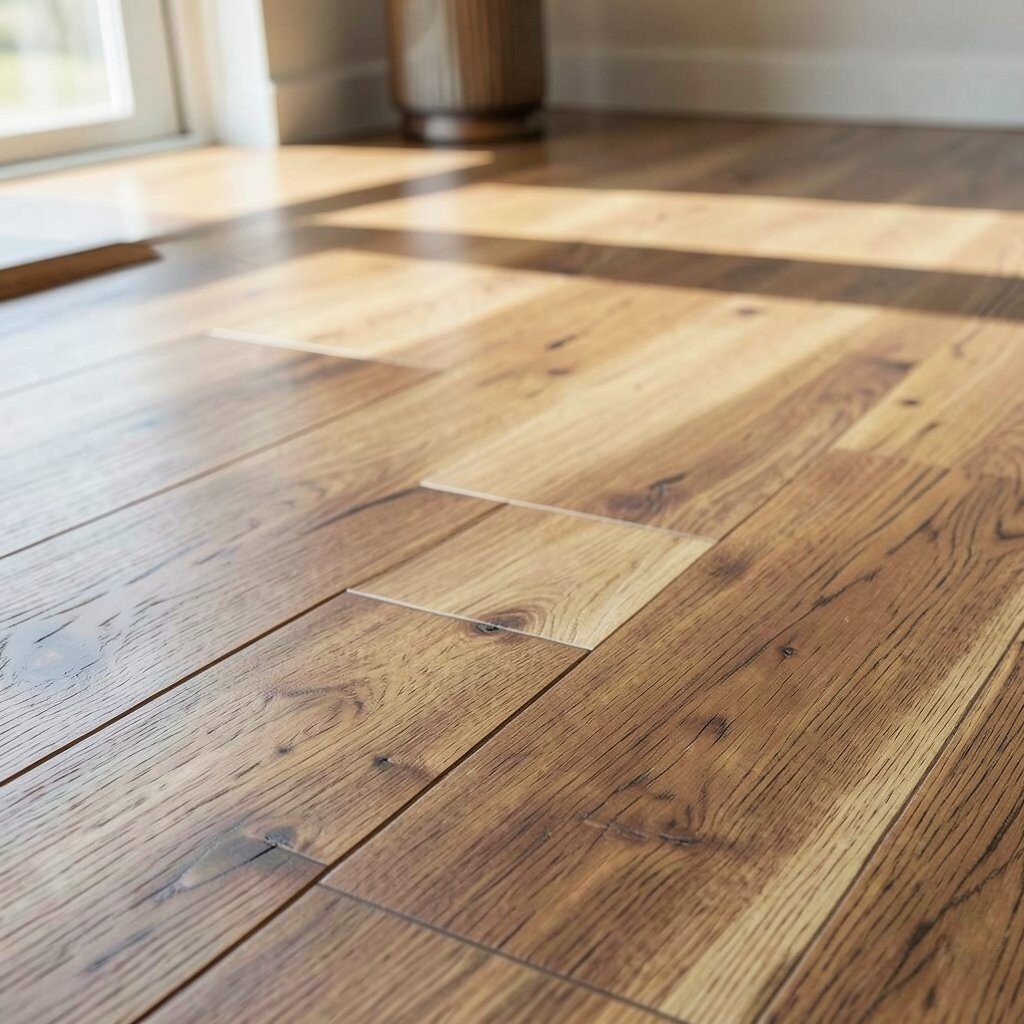
Teak-inspired boards can show a mid-tone center with darker antique edges. The effect makes each plank look framed, like a picture border.
You get a rich, vintage feel without needing true reclaimed wood. Many homeowners love engineered wood because it provides steadier performance across seasons.
Try it with warm whites, terracotta pots, and natural linen curtains for a grounded look. If your goal is cost balance, focus on labor efficiency first and keep the layout clean to reduce extra installation time.
It is also a nice fit for the current trend of “lived-in elegance,” where materials look textured and real.
8. Rosewood Blend With Subtle Pinkish Undertones
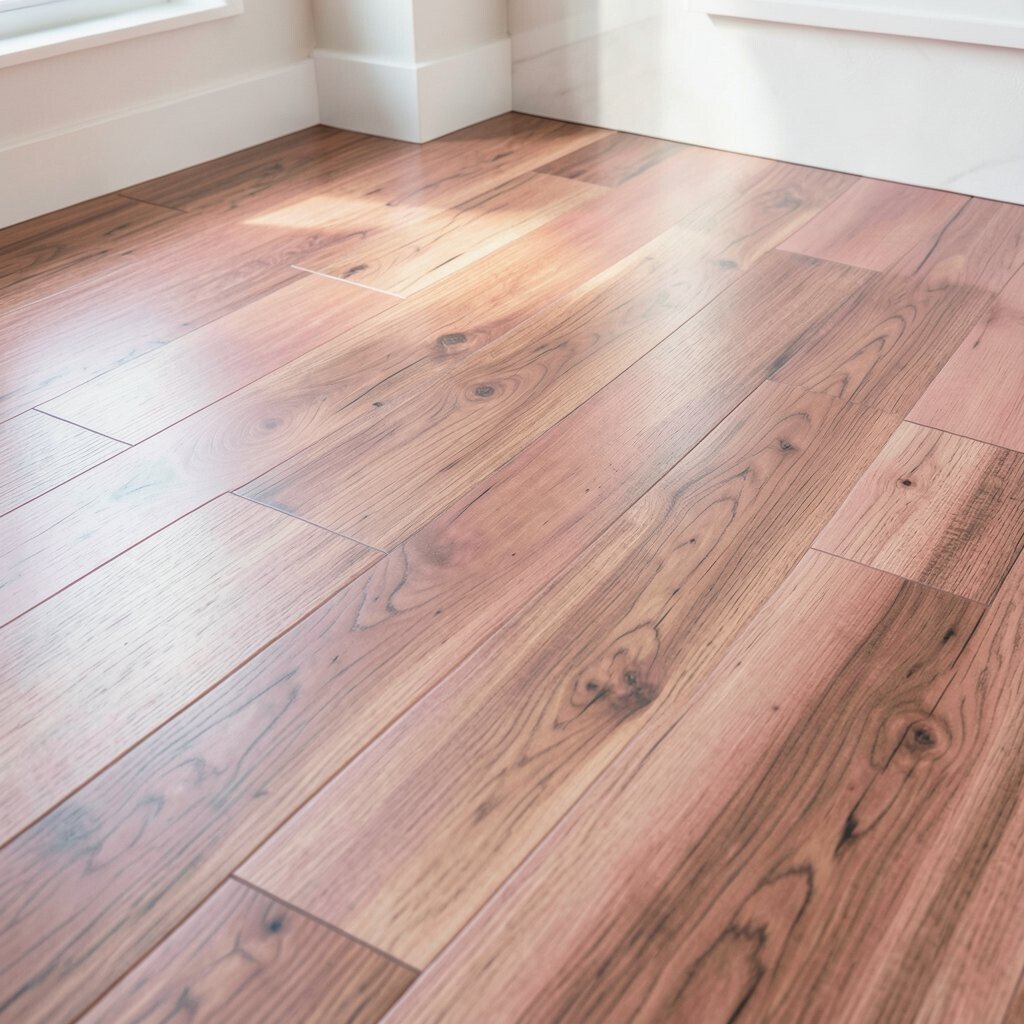
Rosewood flooring can carry soft pinkish undertones that look romantic and modern at the same time. The boards often show gentle variation that makes the whole floor feel handcrafted.
This shade family is perfect if you want warmth with a unique twist. Engineered wood helps you keep that beauty while using a construction method designed to handle home climate changes.
Personalization idea: pair it with green plants and light wood furniture to create a fresh color balance. For budget planning, check the warranty details and ask about replacement options if you ever need repairs.
9. Honey Brûlée With Soft Gray Smoke Tint
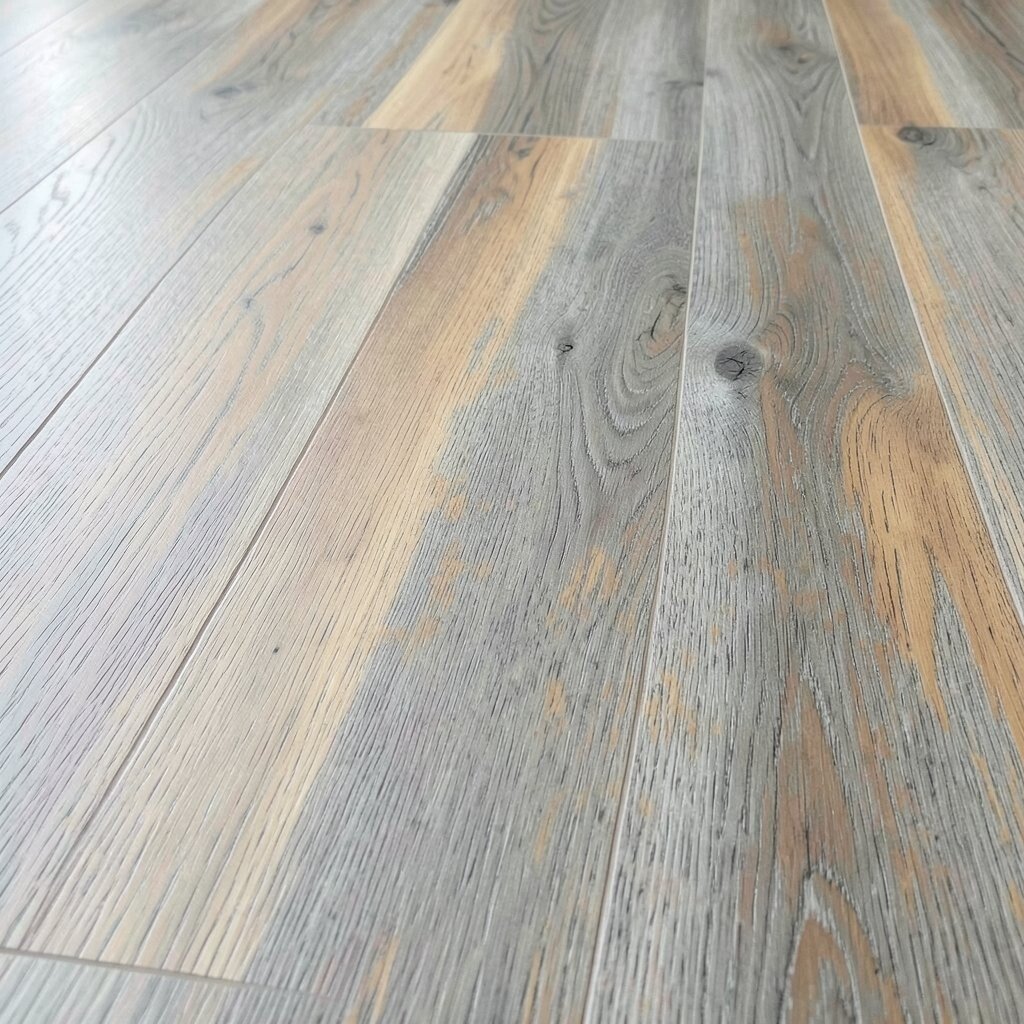
Honey brûlée brings golden tones, while a faint gray smoke tint keeps it from feeling too yellow. The blend makes the floor look rich, but not heavy.
This is great for open-plan living, because it can connect different rooms into one stylish look. It also works well with many cabinet colors since the gray undertone acts like a neutral buffer.
Tip: choose lighting with a warm bulb tone so the golden side stays pretty. Cost consideration: ask whether your installer recommends specific underlayment for sound comfort, especially in apartments or multi-story homes.
10. Stormy Chestnut With Light Drift Bands
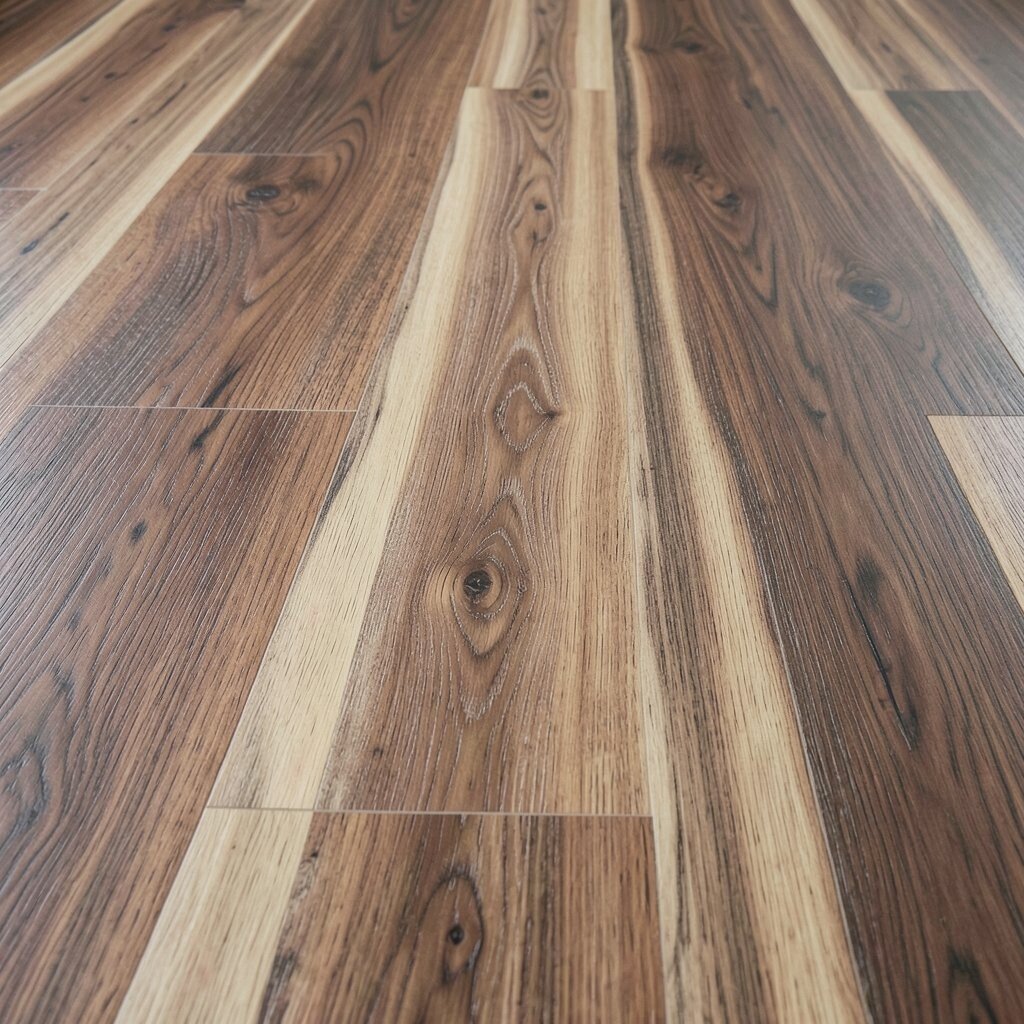
Stormy chestnut looks like a deep brown with lighter banding that travels along the plank. The visual effect is like layered clouds, steady but full of movement.
You get drama without needing a super dark room palette. The light bands can also help make scuffs less obvious, which is helpful for families and pets.
Try adding matte black door hardware and a cozy area rug to sharpen the look. When budgeting, plan for proper acclimation time before installation, which helps the boards settle well and can prevent issues later.
11. Pale Birch With Walnut Veins
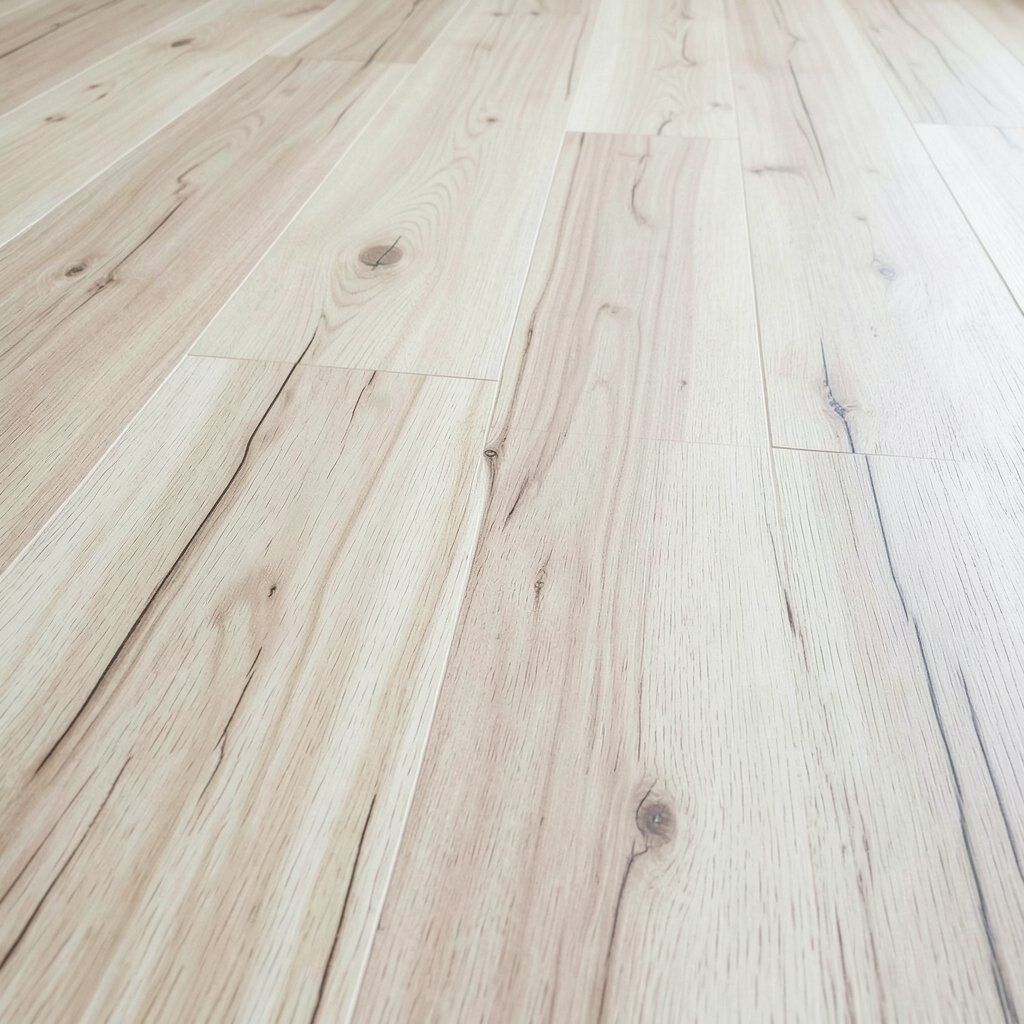
Pale birch planks with walnut veins create a clean background with natural “artwork” lines. The contrast feels fresh and modern, like a sketch that got colored in.
This floor can make hallways and offices feel bright and welcoming. It also pairs easily with both light and dark furniture because the tones are balanced.
For personalization, use warm white baseboards and a matching stair nosing if needed. If you want to control costs, consider how many rooms you will do at once so you can reduce separate installation trips and material handling fees.
A trend right now is mixing Scandinavian simplicity with warm wood accents, and this style fits that vibe.
12. Mocha Brown With Ginger Edge Highlights
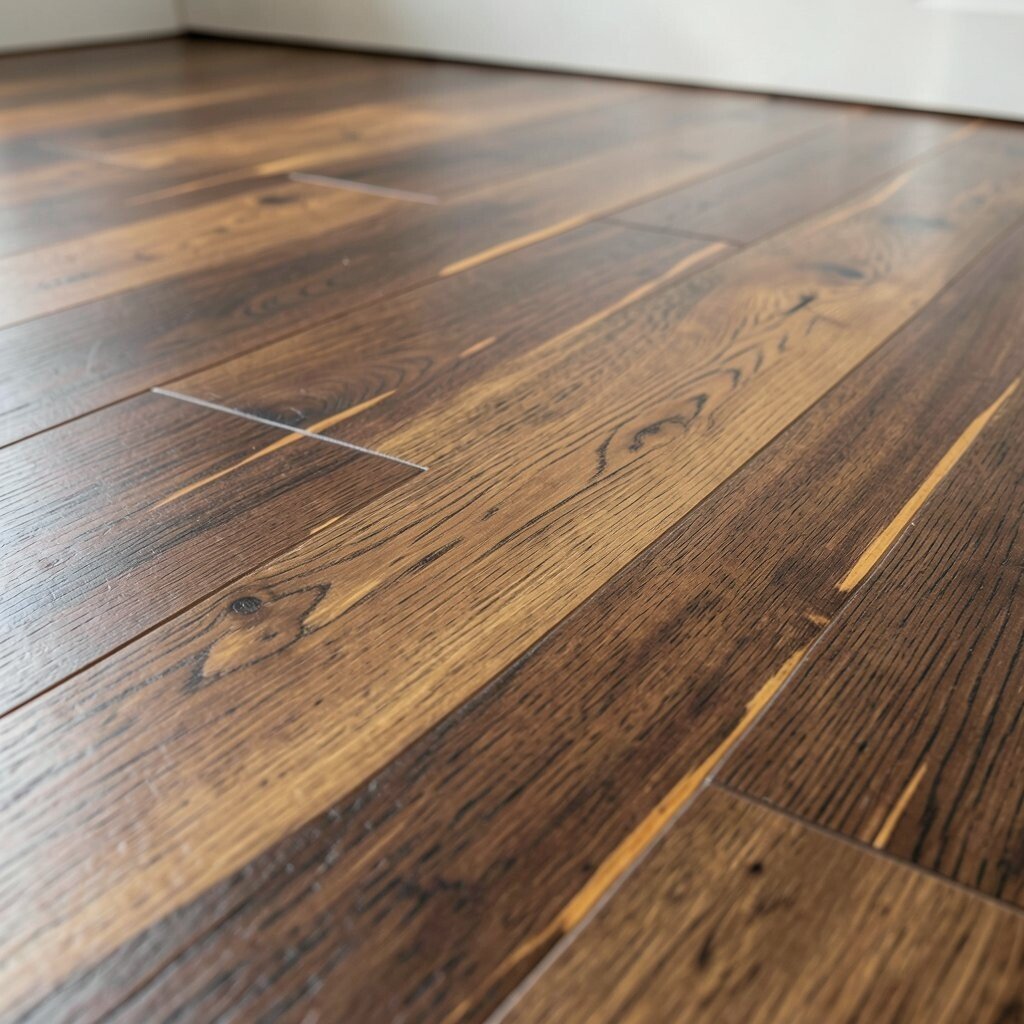
Mocha brown boards can include ginger-toned edge highlights that look like a soft glow around each plank. The floor feels tailored, as if every board has been carefully outlined.
This look brings a cozy mood and can make modern furniture feel warmer. Engineered wood is also often easier to maintain, since a proper finish can handle daily life with the right care.
Personalization idea: match cabinet hardware to the ginger hint for a subtle coordinated look. For cost thinking, compare DIY vs professional installation only after checking your subfloor condition, because prep work can change the true expense.
13. Sandstone Tan With Ashy Gray Wash
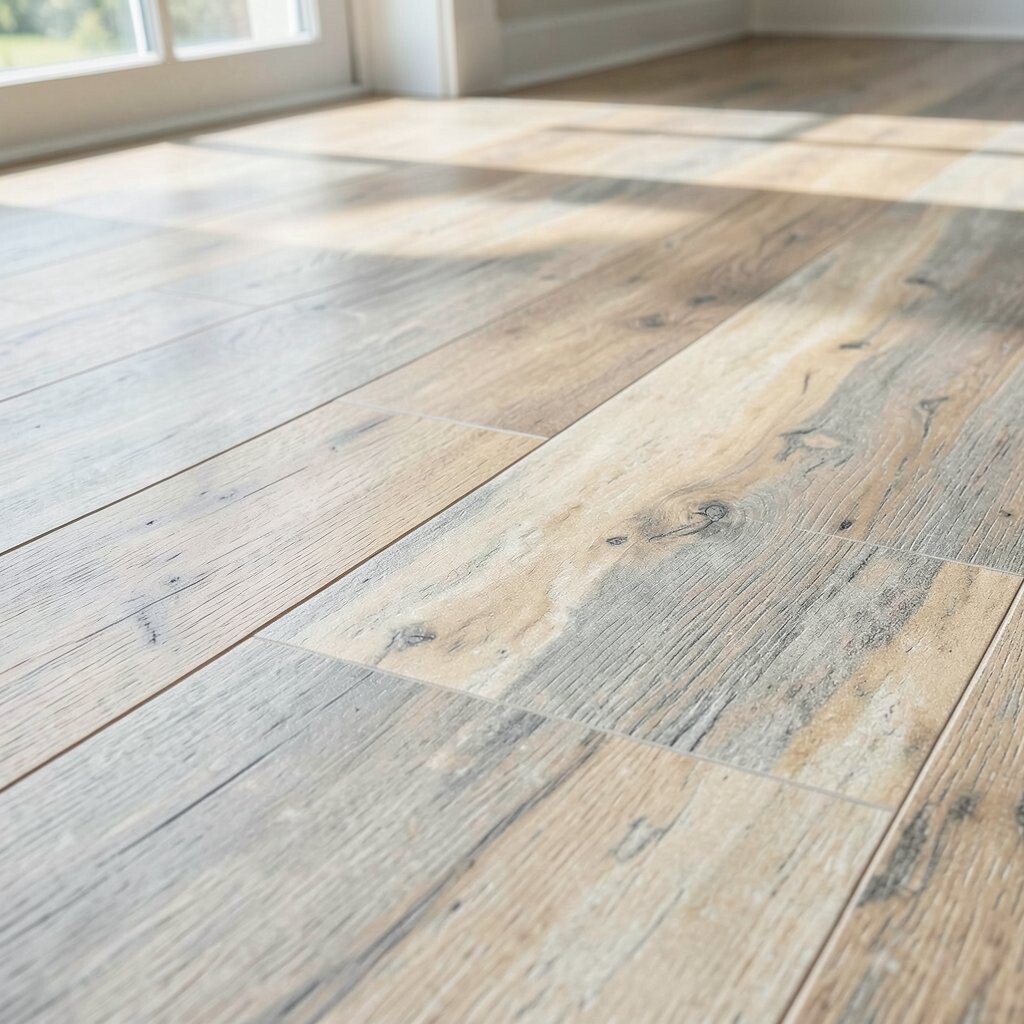
Sandstone tan flooring with an ashy gray wash makes the wood look softly aged. The color feels neutral, like linen fabric that has been washed many times.
This option helps you get a calm backdrop for bold art, colorful pillows, and patterned rugs. It is also a smart pick if you want a timeless style that won’t go out fast.
Tip: keep your walls in creamy tones, then choose a rug with texture rather than loud colors. For budgeting, remember that thicker wear layers often cost more but can reduce the chance of premature refinishing or wear-through.
14. Forest Brown With Smoky Green Undertones
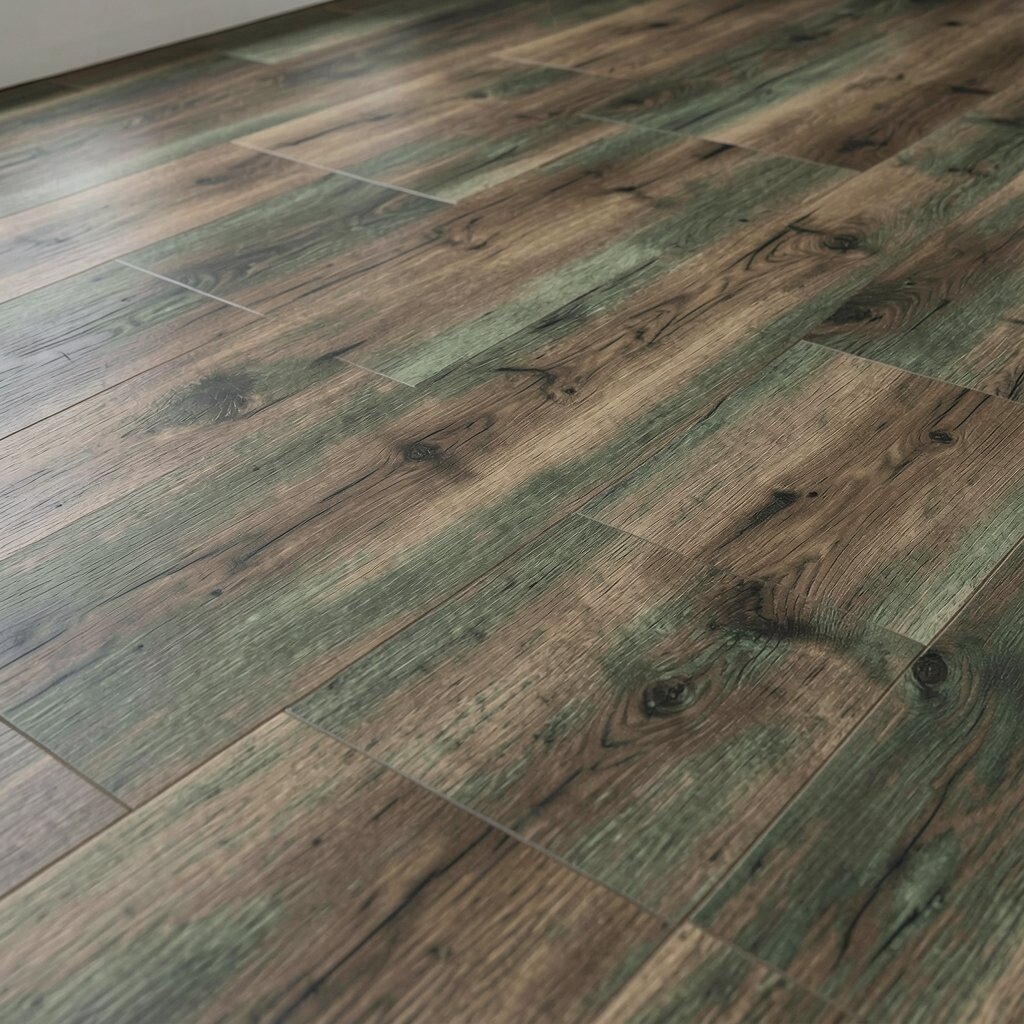
Forest brown with smoky green undertones can look surprisingly elegant. The subtle green shift gives depth, especially when sunlight passes over the surface.
This flooring can feel rich without turning the room into a dark cave. It also blends well with natural textures like stone, rattan, and woven baskets.
Personalization idea: choose a green velvet accent chair or warm brass lamp to echo the undertone. For cost considerations, ask for sample boards and check them under your home lighting so you do not pay for a shade that feels different in your space.
This kind of tone is trending in nature-inspired interiors, where greens show up in unexpected ways.
15. Champagne Ash With Toasted Oak Variation
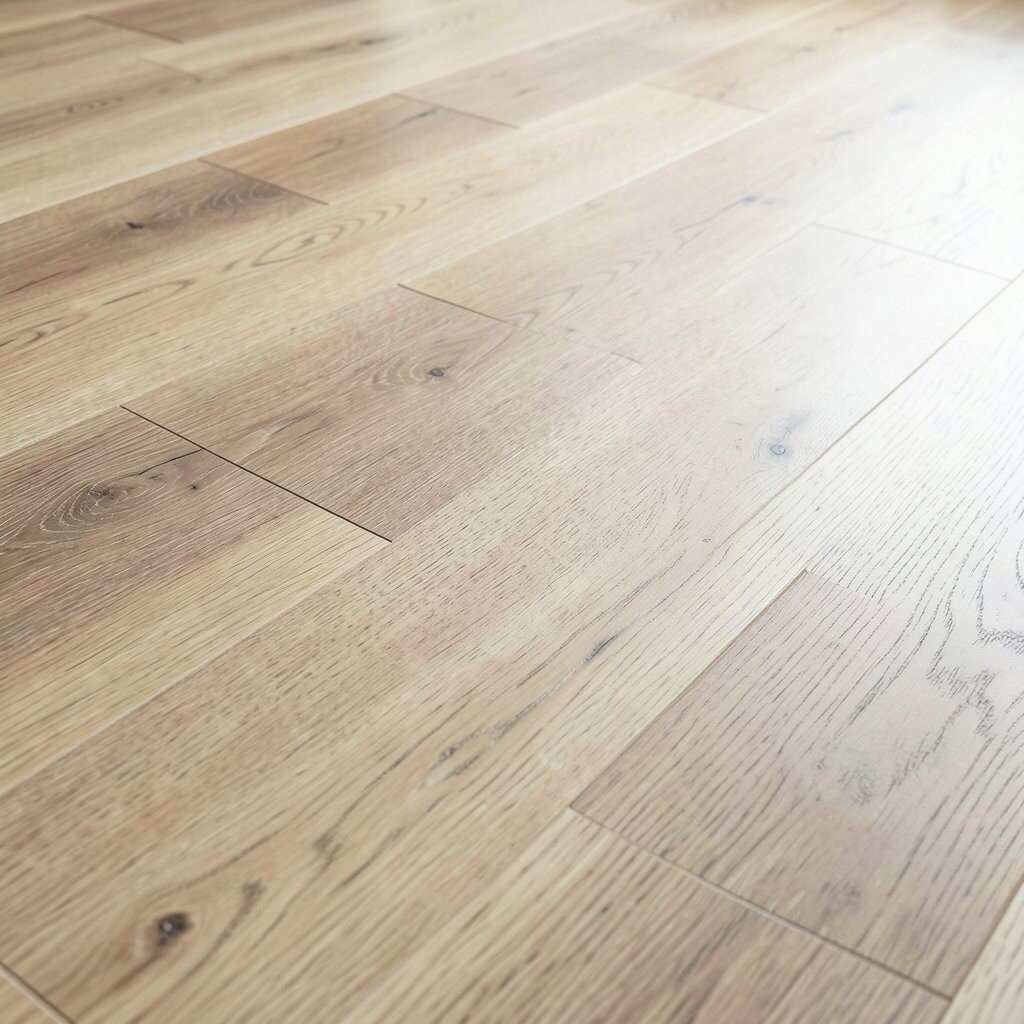
Champagne ash looks airy, while toasted oak variation adds depth along the grain. The overall effect is bright and balanced, like warm morning light.
This is a great choice for people who want style but still crave an easy-to-match color. It works with modern grays, creamy whites, and soft blues without fighting your decor.
Tip: install it with a longer plank direction in large rooms to help the space feel longer. Cost-wise, consider board length and layout; fewer seams can reduce labor and also reduce the visual “busy-ness” if you prefer calm designs.
If you love personalization, add a runner with a gentle pattern to tie the toast tones to the rest of the home.
16. Espresso Blackwash With Vintage Olive Strikes
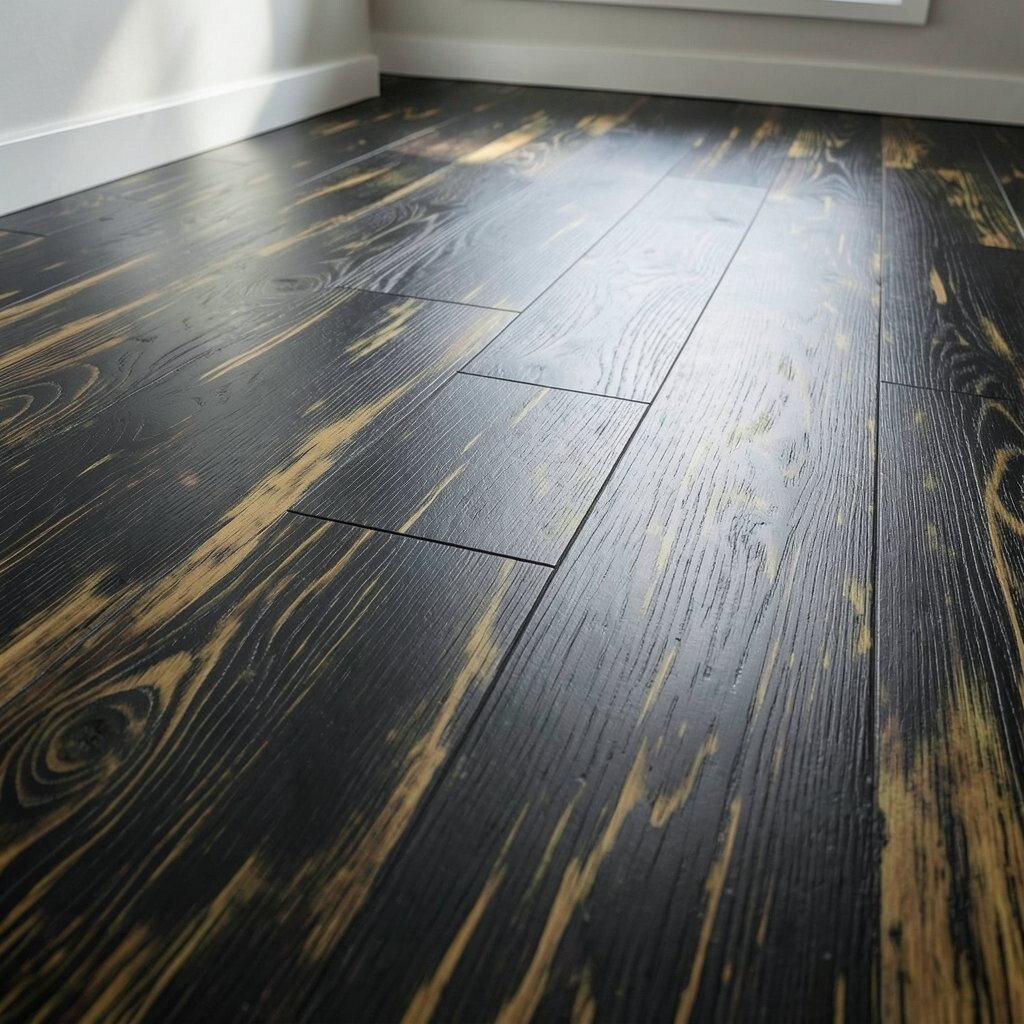
Espresso blackwash can look nearly dark, but vintage olive strikes keep it from feeling flat. The olive tones appear like small flashes across the boards as you move through the room.
This option gives you a bold statement floor that still feels warm. Engineered wood can also be a smart choice because it provides a wood look with practical layered construction.
For personalization, add lighter curtains and white wall trims so the floor pops. When budgeting, plan extra for transitions and stair details since dark floors often show contrast more clearly at edges.
17. Light Walnut With Milky White Marbling
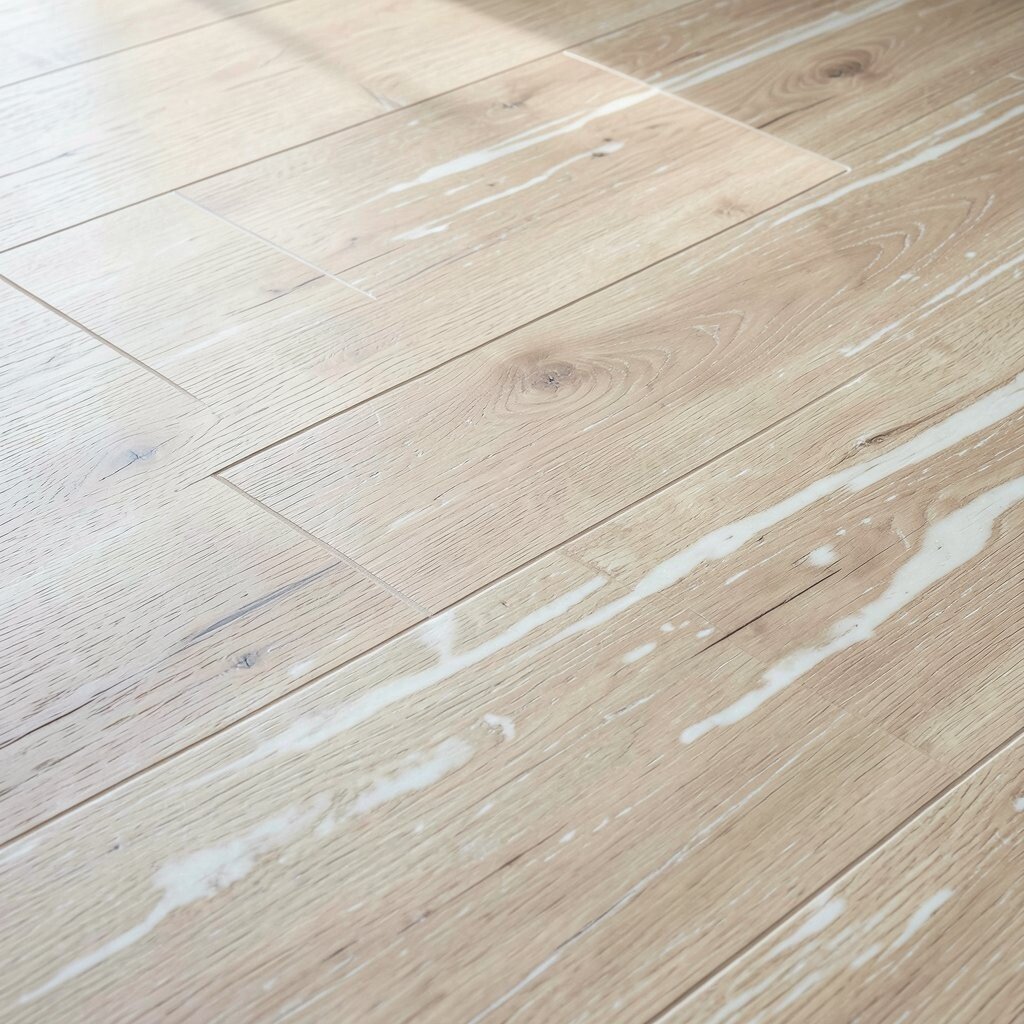
Light walnut paired with milky white marbling creates a gentle, artistic look. The marbling can resemble soft clouds, and it adds a dreamy effect across the floor.
This style can make your home feel creative and calm at the same time. The varied tones also help hide everyday wear in high-use areas like the entry.
Tip: choose simple furniture lines so the floor can shine as the main design element. If you are managing costs, ask about stain matching and whether the boards have consistent variation, since that can affect how much sorting time is needed.
Current trend: homeowners are leaning toward artistic neutrals, and this fits that trend nicely.
18. Two-Tone Ash With Charcoal Plank Corners
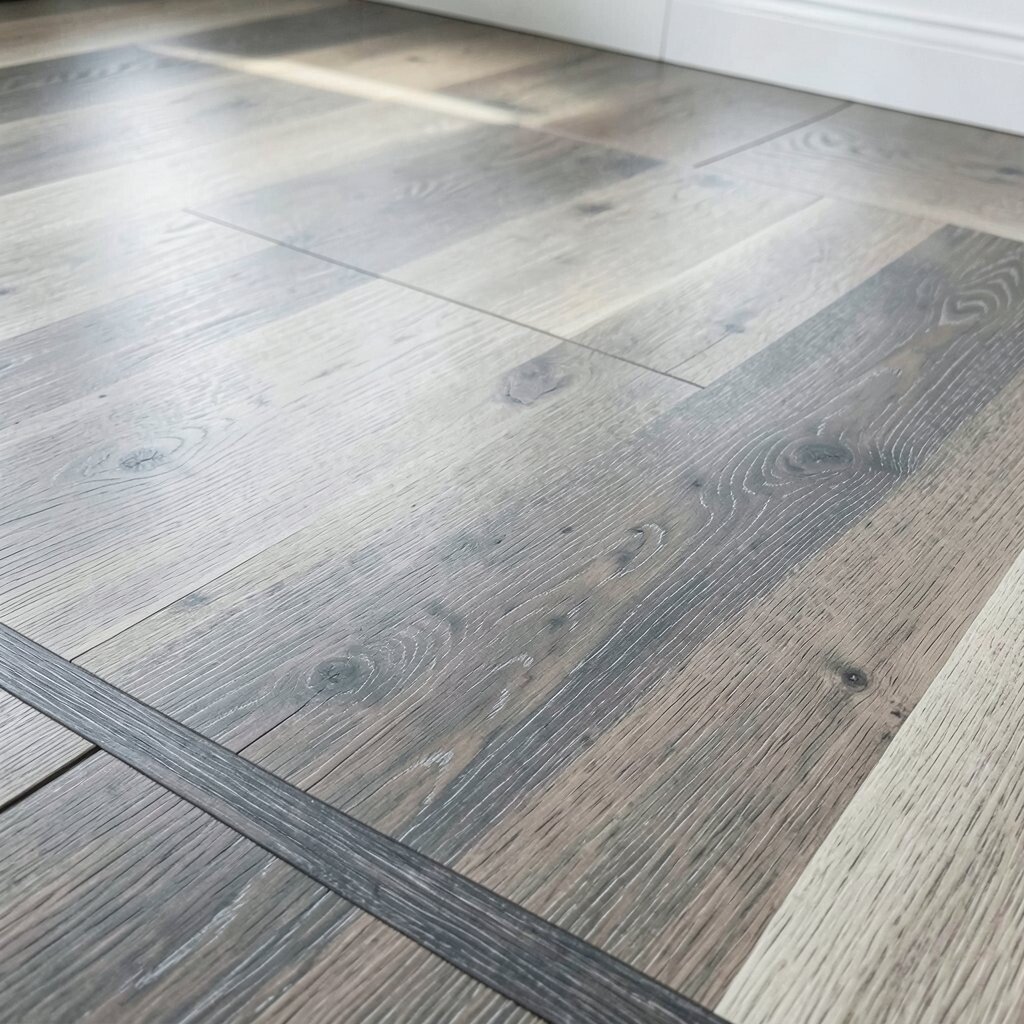
Two-tone ash can include charcoal plank corners that frame each board like a shadow outline. The result is a crisp, modern look that still keeps the wood feeling natural.
This flooring makes floors look structured, which can be wonderful in contemporary spaces. It also helps define the layout, especially in open rooms with multiple seating zones.
Personalization idea: add a matte black baseboard or matching stair rail for a cohesive design. For cost planning, keep your layout straightforward if you can, because complex cuts can add to labor costs.
19. Multi-toned Rustic Planks With Natural Knot Variation
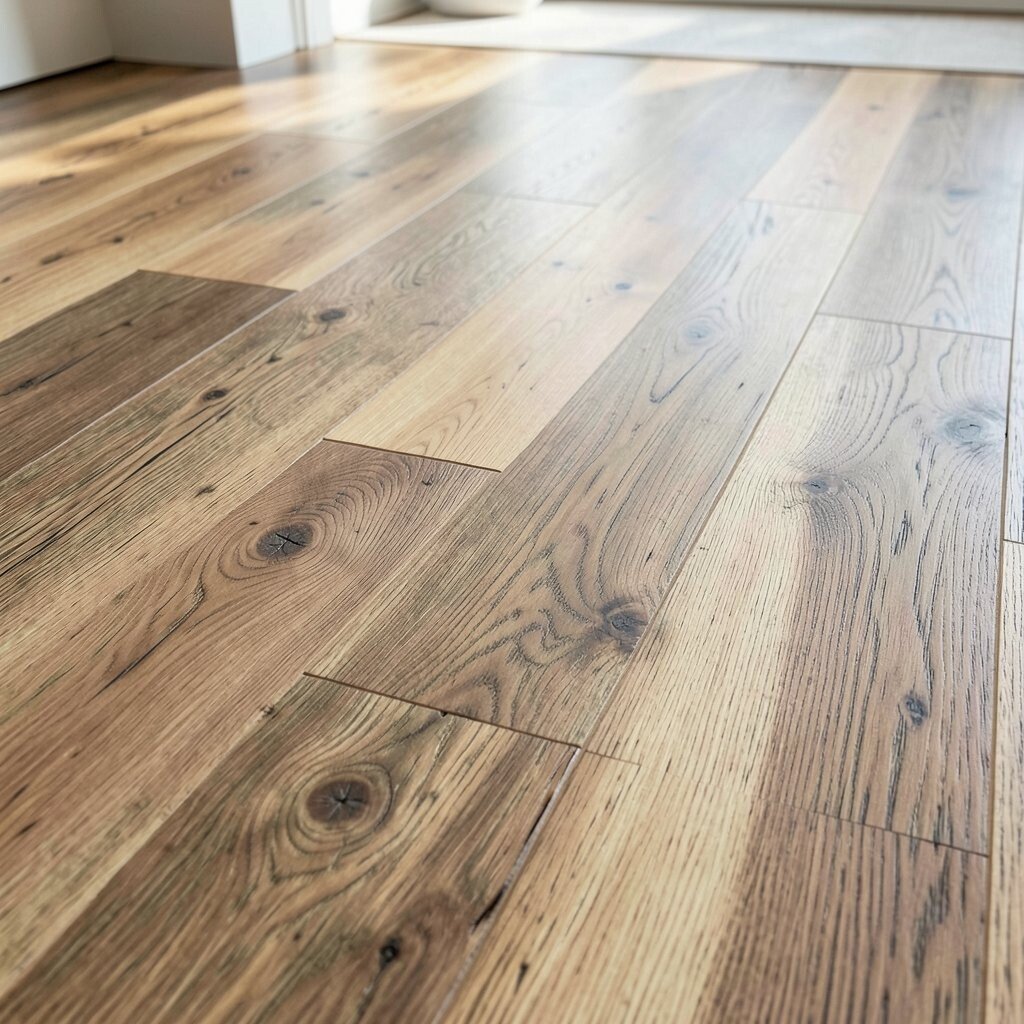
Rustic multi-toned planks can show many shades at once, including warm browns, honey highlights, and gentle grays. The knots and grain variation create a floor that looks different every time you look down.
This is the ultimate “alive” design, because the floor feels full of character. Engineered wood can help you enjoy that natural look while keeping installation and daily upkeep more manageable than some solid wood options.
Tip: keep your wall colors neutral and let the wood handle the color story. For personalization, consider a matching rug size that anchors the seating area and lets the floor patterns remain visible in key spots.
Cost consideration: rustic looks often come with more visual variation, so ask how much board sorting is expected and budget for it if your installer recommends it.